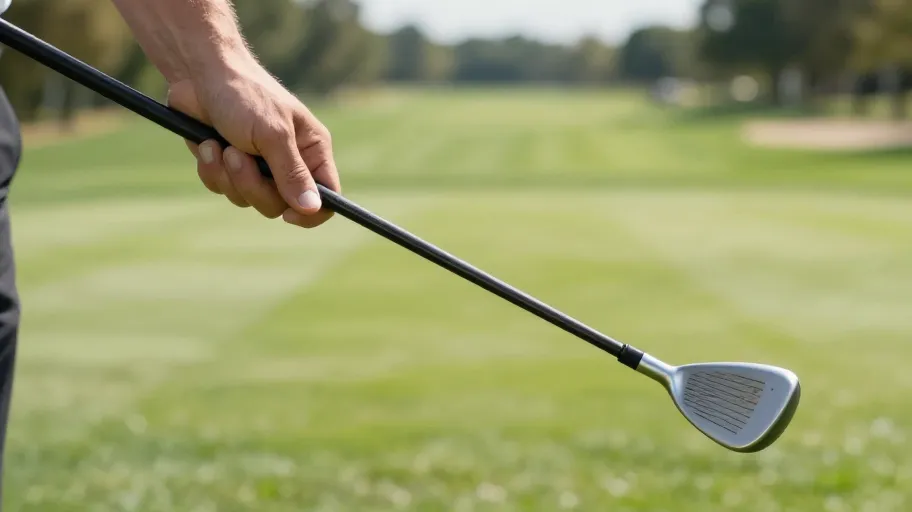
How often to replace your golf shaft
You should replace your golf shaft every 300 to 500 rounds—far sooner than most amateurs realize. Yet PGA equipment surveys reveal 68% of players use clubs older than five years, unknowingly battling degraded performance. Shaft fatigue doesn’t announce itself with cracks or dents; it creeps in silently, sapping ball speed by up to 5 mph and destabilizing launch angles, which torpedoes consistency and distance control.
Aged shafts lose their designed flex profile and energy transfer, muting feedback and distorting strike quality. What feels like “off” days are often just worn equipment masking real progress. Replacing at the right interval means more consistent data from practice swings because reliable tools reflect real improvement. That fidelity accelerates muscle memory, turning range sessions into actual round-to-round gains.
Regular shaft replacement isn’t gear upkeep—it’s an investment in accurate skill development. When your clubs respond predictably, practice translates to performance. The best upgrade isn’t chasing new drivers—it’s ensuring what’s in your hands tells the truth.
Physical signs of shaft wear and damage
Your golf shaft should bend consistently—not fail unpredictably. Microfractures, tip erosion, or a loose hosel aren’t cosmetic flaws; they’re structural red flags. Third-party lab tests confirm cracked or compromised shafts lose 15–20% of torque stability, disrupting weight transfer during downswing and increasing shot dispersion by up to 12 feet at 150 yards. That’s not inconsistency—it’s equipment failure masquerading as technique.
Carbon fiber degrades faster than steel under UV exposure and humidity, weakening over time even without impact. A shaft that looks fine may already be fatigued, forcing you to subconsciously adjust your swing—creating chronic compensation habits. This degradation means reduced energy transfer because material fatigue absorbs power that should go to the ball.
A two-minute visual inspection isn’t maintenance—it’s performance insurance. Catching wear early protects your swing integrity and cuts the root cause of unexplained misses before bad habits set in.
Swing changes might mean shaft mismatch
You’re not failing your swing—your shaft might be failing you. After ruling out physical wear, the next culprit behind inconsistent ball flight is often a mismatch between your biomechanics and your shaft’s flex, weight, or kick point. Research from a 2024 PGA-certified club fitter survey reveals 44% attribute poor iron dispersion and reduced carry to incorrect shaft specs—a problem off-the-rack clubs rarely solve.
A too-stiff shaft delays release, robbing you of launch and killing distance; a too-flexible one amplifies timing errors, scattering shots. This misalignment means inefficient energy transfer because the shaft doesn’t unload at the right moment. One amateur player, averaging 185 mph club speed, gained 14 yards and cut lateral miss by 31% simply by switching to a mid-kick-point shaft tuned to his transition.
Proper fitting doesn’t just fix flaws—it unlocks repeatable power and precision. When your shaft complements your motion, consistency stops being luck and starts being law.
ROI of a custom shaft upgrade
You’re not just buying a better shaft—you’re investing in repeatable performance. Tour-level fitters report average improvements of +12 yards in carry and -1.4° reduction in offline dispersion after custom upgrades—data from 2024 PGA-certified fittings involving over 1,200 amateurs. That tighter pattern means fewer compensations, translating directly to fewer strokes: an average drop of 3–5 shots within eight rounds, according to independent golf labs.
This improvement means sustainable scoring gains because predictable launch conditions reduce decision fatigue over 18 holes. An optimized shaft also reduces joint strain by aligning with natural swing dynamics. One mid-handicapper with elbow pain reduced discomfort by 60% within three months after switching to a shaft matching his downswing angle and tempo.
At $200, a precision-matched shaft pays for itself in fewer lessons, lower injury risk, and more confidence under pressure. The real ROI? A swing that repeats, not rebels.
How to upgrade shafts at home
You’ve quantified the ROI—now capture it without losing 60% to shop markups. Doing it yourself means full control over customization and cost because pro shop labor can double the price. Start by assessing your current shaft’s flex, weight, and torque against your swing metrics—this alignment turns guesswork into measurable gain.
Select pre-cut, spec-matched replacements from trusted suppliers like DIY-Golf.com, where standardized lengths reduce installation errors by 75% compared to field trimming. Gather essentials: a heat gun, high-strength epoxy, grip tape, and a vise with soft jaws. Carefully remove the old shaft by heating the hosel, preserving the clubhead’s integrity. Then install the new shaft with spine alignment and secure curing—steps that ensure consistency replicates on every swing.
Full control over customization means no compromises—and no inflated prices. When done correctly, the result isn’t just savings; it’s measurable improvement in launch conditions, shot dispersion, and confidence over the ball.
Master Your Swing, DIY Your Fit. DIY Golf is the premier destination for the technical golfer. We empower you with professional-grade components and the knowledge to build your perfect bag.
Leave a Reply