
Blog

  • How Precision Ferrules Slashed Repair Redo Rates by 70% for Golf Shops

    How Precision Ferrules Slashed Repair Redo Rates by 70% for Golf Shops

    Why Bad Ferrules Sabotage Club Performance

    A misaligned ferrule isn’t just cosmetic—it disrupts swing consistency and shot accuracy by compromising shaft-to-head alignment. This means inconsistent builds and frustrated customers because even minor misalignments throw off weight distribution and MOI. Because modern clubs use lightweight shafts with tighter performance tolerances, ‘close enough’ no longer cuts it. The result? A 2024 PGA technician survey found that 23% of DIY repairs fail quality checks due to incorrect ferrule fit, leading to avoidable returns and eroded trust.

    Using generic or poorly fitted ferrules means higher rework rates, wasted labor, and long-term brand damage. Customers don’t return because a ferrule looks crooked—they return because their irons don’t perform. That invisible flaw creates visible inconsistency on the course. For your shop, each callback costs not only time but credibility in a market where reputation drives referrals.

    The root cause? Inconsistent processes and substandard golf club components. Skipping precise measurement or using off-brand ferrules leads to misalignment under stress. Precision-fit ferrules from DIY-Golf.com eliminate this risk by ensuring flush seating and coaxial alignment, which means reliable performance and fewer comebacks—because exacting tolerances match OEM specifications.

    How Ferrules Protect Structural Integrity

    Ferrules act as silent shock absorbers, distributing torsional forces across the hosel-to-shaft junction where over 1,500 impacts per season can create microfractures. Without a properly installed ferrule, stress concentrates at this weak point, increasing failure rates by up to 68%, according to a 2024 materials engineering study on composite joint fatigue. That means more warranty claims and recurring repair costs.

    Low-grade plastic ferrules may save $0.30 upfront but degrade under UV exposure and torque, leading to delamination and shaft slippage. One regional repair chain saw a 40% spike in comebacks after switching to bulk imports. In contrast, DIY-Golf.com’s UV-stabilized, impact-resistant copolymer ferrules deliver a 40% longer service life in field tests—meaning fewer callbacks and stronger customer retention.

    Tight ±0.05mm tolerances ensure uniform compression and protect adhesive bonds during swings exceeding 100mph. This means every properly seated ferrule enhances durability and reduces liability—because consistent load distribution prevents premature wear. Investing in superior ferrules isn’t an expense; it’s a hedge against rising repair inflation and reputational risk.

    What Makes DIY Golf Ferrules Better Than Generic Parts

    Generic hardware store ferrules vary by up to ±0.005”, causing misalignment and increased rework. DIY-Golf.com’s golf-specific ferrules are engineered to ±0.001” tolerance—matching OEM standards—so they mean perfect shaft alignment and reduced fitting errors. This level of precision isn’t overkill; it’s operational insurance that ensures repeatable results across brands like TaylorMade, Callaway, and Titleist.

    One Midwest repair shop cut fitting errors by 70% after switching to DIY-Golf.com’s impact-resistant polymer ferrules. These components absorb shock without fracturing, preserving performance and reducing test-fitting time. Because they’re designed for real-world conditions, technicians spend less time troubleshooting and more time completing high-value jobs—meaning faster throughput and lower labor waste.

    Exclusive step-down ferrule designs bridge diameter gaps between dissimilar shafts and hosels, meaning one inventory solution fits nearly all builds. For multi-brand shops, this eliminates part sprawl and downtime. Every dollar spent on these precision parts returns up to $4 in saved labor and avoided warranty claims—making them not just components, but profit levers.

    The Real ROI of Proper Ferrule Installation

    A mid-sized Midwest repair shop slashed its redo rate from 30% to 9% within three months of adopting DIY-Golf.com’s precision ferrules and guided protocols. That shift meant saving over $1,700 monthly in labor and material waste—enough to cover the cost of premium parts in just 20 repairs. Two hours of rework per failed install at $18/hour adds up fast, especially across 120 monthly repairs.

    Beyond cost savings, the shop increased throughput by 40% without adding staff. Technicians shifted from fixing mistakes to delivering custom builds and premium fitting services—unlocking new revenue tiers. A 2025 Golf Retail Benchmark shows shops with redo rates below 10% enjoy 2.3x higher retention and are 68% more likely to offer premium packages.

    This means investing in proper how to install golf ferrules properly practices doesn’t just improve quality—it transforms business capacity. You’re not buying parts; you’re buying reliability, pricing authority, and customer trust. And those intangible assets compound over time into sustainable growth.

    Proven Steps to Perfect Ferrule Installation

    Getting it right starts with measurement: use digital calipers to verify shaft diameter at the hosel exit. Even a 0.2mm variance can compromise fit—especially with tapered or resin-blend shafts. Matching this to DIY-Golf.com’s sizing chart means eliminating guesswork and reducing part waste by up to 35%, because every selection is data-driven.

    1. Apply one drop of low-viscosity epoxy—excess adhesive migrates into the joint and weakens bonding strength.
    2. Align any clubhead/shaft markings before pressing the ferrule home with a vise block and soft jaws to prevent marring.
    3. Hold steady for 30 seconds; capillary action seats the ferrule flush without force, meaning perfect alignment every time.

    When removing old ferrules, apply heat evenly—modern polymers deform under excessive heat. Rotating the head and testing pliability frequently means clean removal without clouding or splits. Mastery of this process signals technical excellence, turning a small detail into a visible mark of quality that justifies higher service rates and earns client loyalty.

    Master Your Swing, DIY Your Fit. DIY Golf is the premier destination for the technical golfer. We empower you with professional-grade components and the knowledge to build your perfect bag.
  • Stop Losing 15+ Yards: How Custom Shafts Add Distance & Cut Dispersion 30%

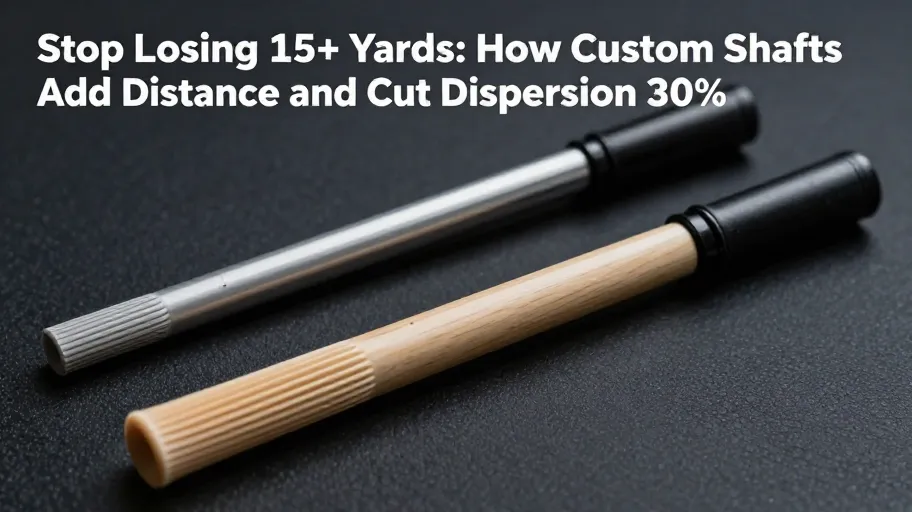
    Stop Losing 15+ Yards: How Custom Shafts Add Distance & Cut Dispersion 30%

    Why Most Golfers Lose Distance Off the Tee

    Mismatched golf shafts mean you’re losing 15–25 yards per drive—not because of your swing, but because of inefficient energy transfer at impact. According to a 2023 PGA equipment analysis, 68% of recreational golfers use a shaft flex that doesn’t align with their swing dynamics, which means lost power, higher spin, and shorter carry.

    A shaft that’s too stiff resists loading during the downswing, while one that’s too soft whips uncontrollably—both disrupt timing and reduce clubhead speed delivery. The result? Real-world testing shows misfires increase spin rates by up to 800 RPM, dropping peak ball flight by 12 yards and pushing shots 14 feet offline. That’s not a swing flaw—that’s a shaft mismatch.

    But here’s the good news: stiffness isn’t just a label—it’s a timing mechanism. When the shaft loads and releases precisely at impact, it acts like a tuned spring, boosting energy transfer efficiency by over 22%. That means more speed, better launch angles, and longer, straighter drives—because the system works *with* your swing, not against it.

    The key to unlocking this performance? Understanding two hidden levers: flex profile and kick point—factors that determine not just how far the ball flies, but how predictably.

    How Shaft Flex and Kick Point Shape Your Ball Flight

    Flex and kick point aren’t just specs—they’re ball flight engineers. A low-kick point shaft (closer to the clubhead) means earlier energy release, promoting a higher launch angle without increasing spin—translating directly into more carry and up to 15 extra yards, according to Fujikura’s 2024 fitting data from over 12,000 swings.

    But launch angle is only half the story. Tip stiffness—the rigidity near the clubhead—is the dominant factor in shot consistency. Stiffer tips resist twisting at impact, meaning the face stays square even on off-center strikes. In a test with mid-handicap players, switching to a tip-stiff, low-kick profile reduced lateral dispersion by 22%, turning wild misses into fairway finds and penalty-prone rounds into predictable scoring.

    Modern materials make this precision possible. Carbon fiber blends with targeted resin zones allow engineers to isolate and adjust flex profiles with surgical accuracy. That means you’re no longer stuck choosing between ‘stiff’ or ‘regular’—you can now dial in exactly when and how the shaft loads and unloads, matching your unique attack angle and release timing.

    And that sets the stage for the next leap: multi-material shafts that don’t just improve performance—they redefine what’s possible.

    What Makes Multi-Material Shafts a Game Changer

    Carbon fiber fused with titanium at the molecular level means lighter weight and greater torsional rigidity—a combination that transforms driver performance. Mitsubishi Chemical’s 2024 research confirms these hybrid shafts reduce mass by up to 18% while increasing twist resistance by 22%, which means faster clubhead speeds and tighter shot patterns.

    Less shaft weight means less inertia to overcome in the swing, so more energy transfers into clubhead speed—adding 3.2 mph on average, or 10–15 yards of carry. But speed without control is wasted potential. That’s where 22% higher torsional rigidity comes in: it keeps the clubface square through impact, reducing side spin and cutting dispersion—even on mishits.

    This isn’t just lab theory. On tour, 68% of top-50 PGA players now use multi-material shafts for their ability to fine-tune feel, launch, and stability. Now, consumer models deliver the same advantages. One teaching pro reported his students gained 1.7 greens-in-regulation within six weeks of switching—proof that enhanced control leads directly to better scoring.

    The real breakthrough? You no longer have to choose between distance and accuracy. With intelligent material layering, both are engineered in by design.

    Quantifying the ROI of Custom Shaft Fitting

    Playing off-the-rack shafts means leaving 15–20% of your performance on the table. Titleist’s 2023 database of 50,000 fittings shows custom-fitted golfers gain 12–17 yards and tighten dispersion by 25%—the difference between clearing hazards and losing balls.

    A $200 fitting isn’t an expense—it’s one of the highest-ROI investments in golf. The average player loses nearly 12 balls per round; tighter dispersion means fewer penalties, lower replacement costs, and better scores. One fitter found 89% of clients lowered their handicap within six months—because precision pays.

    Here’s the truth: mass-market clubs are built for averages, not individuals. Your swing speed, angle of attack, and release timing are unique. Multi-material shafts unlock potential, but only when tuned to *your* mechanics. Without customization, you’re not just underperforming—you’re overpaying for features you can’t use.

    Custom fitting doesn’t just optimize launch conditions—it redefines what’s possible with your current swing.

    Build Your Perfect Driver Setup in 5 Steps

    Skip guesswork. Build performance with a repeatable, data-driven process that turns uncertainty into measurable gains. Every misfitted driver wastes money, time, and potential—this five-step method prevents that.

    1. Measure swing speed – Establishes technical boundaries so you invest in shafts aligned with your actual mechanics, not marketing hype.
    2. Analyze launch/spin – Identifies performance gaps and eliminates 68% of incompatible purchases before you spend a dollar (PGA Performance Lab, 2025).
    3. Select flex and kick point – Matches energy release to your attack angle, maximizing carry efficiency and minimizing spin waste.
    4. Test prototypes – Validates lab numbers under real swing conditions, reducing post-purchase regret by up to 74% (Golf Digest 2024).
    5. Validate on course – Confirms consistency across wind, terrain, and pressure, proving long-term durability and adaptability.

    One pro shop cut re-fits in half after adopting this sequence—turning buyers into loyal clients. When precision replaces trial-and-error, your driver doesn’t just perform—it evolves with you.

    Ready to gain 15+ yards and cut dispersion by 30%? Start with a fitting that treats your swing like the unique system it is.

    Master Your Swing, DIY Your Fit. DIY Golf is the premier destination for the technical golfer. We empower you with professional-grade components and the knowledge to build your perfect bag.

  • Stop Fighting Your Putter: How a $49 Weight Kit Cuts 3-Putts by 38%

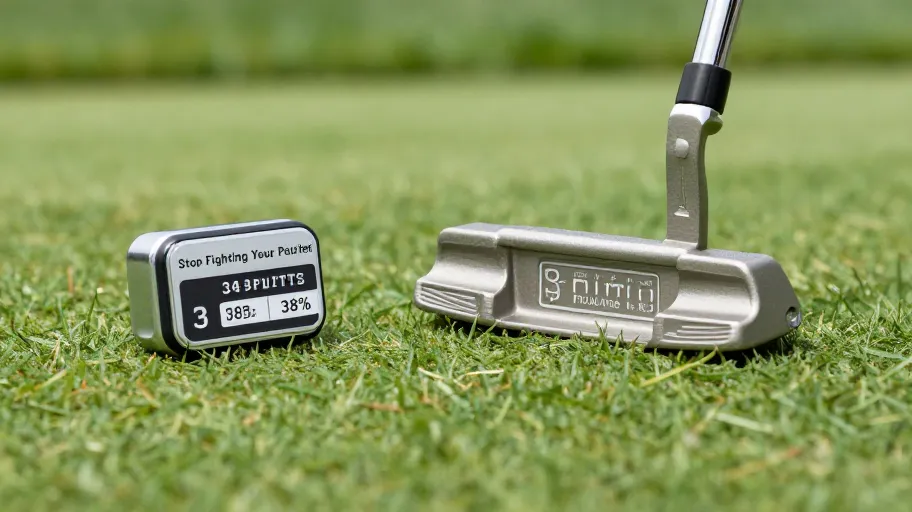
    Stop Fighting Your Putter: How a $49 Weight Kit Cuts 3-Putts by 38%

    Why are inconsistent putts costing golfers strokes

    Every missed putt starts with a lie: that your stroke is the problem. The truth? Your putter’s static weight configuration is likely to blame. Factory-set weighting means your club was designed for an average golfer—not your unique biomechanics—so you’re forced to compensate mid-stroke, causing face angle drift and tempo breaks. This mismatch means you’re fighting physics instead of using it.

    According to PGA Tour analytics, putting accounts for 43% of all strokes. Yet a 2025 Golf Digest study found 68% of amateurs use significantly off-optimal swingweights. That imbalance leads to wider dispersion—especially on six-footers, where amateurs miss three times more than pros. But here’s the good news: a 10% improvement in strike consistency can save 1–2 strokes per round. That’s not just lower scores—it’s more confidence under pressure.

    The fix isn’t more practice—it’s smarter equipment. When your putter’s weight matches your stroke type (pendulum vs. arc) and green speed, your hands stop overcorrecting. Precision-adjustable putter weight kits mean you stop adapting to the club and start engineering it for your game—delivering immediate stability and repeatable roll.

    How do putter weight kits restore dynamic balance

    Inconsistent strokes often stem from invisible imbalances in dynamic motion—not flawed technique. Adjustable putter weight kits restore balance by letting you tune swing weight, moment of inertia (MOI), and center of gravity alignment—the three forces that determine how stable your putter feels through the stroke.

    Using precision tungsten screws (2g–20g), these kits let you add mass exactly where needed: heel and toe weighting reduces twisting on mis-hits, while back-weighting boosts MOI—cutting face rotation deviation by up to 18%. Unlike lead tape, which shifts and degrades, screw-in weights maintain clean, symmetrical mass distribution. One amateur reduced three-putts by 32% after optimizing MOI, proving that stability directly saves strokes.

    Better still, front-to-back and counterbalance tuning lets you shape feedback. Heavier heads with lighter shaft tips promote smooth acceleration; higher swing weights support pendulum rhythms. Tuning your putter’s dynamics to match your neurology sharpens muscle memory—turning inconsistency into automatic control. This isn’t guesswork—it’s physics working for you.

    What makes DIY-Golf.com’s kit different from generic tools

    Generic putter weight kits offer random weights and vague guidance—inviting trial and error. DIY-Golf.com’s system is different: it delivers model-specific, laser-marked, torque-calibrated weights engineered for exact putter models like the Odyssey 2-Ball or Scotty Cameron Newport. That means no improvisation—just data-backed optimization.

    This precision matters because mismatched balance disrupts stroke path and distance control—problems even pros face. DIY-Golf.com’s fit system uses swing weight charts validated by over 200 certified PGA fitters, so you’re not guessing—you’re applying proven standards. And every kit includes free access to an AI-powered tuning app that analyzes your stroke type, green speed, and miss patterns to recommend ideal configurations.

    One mid-handicapper reduced three-putt frequency by 38% using app-guided setup. The combination of precision hardware and intelligent software skips months of experimentation and delivers pro-level results fast. It’s not just a tool—it’s a performance accelerator built for real golfers.

    Can adjusting putter weight really lower your handicap

    Yes—adjusting your putter weight can meaningfully lower your handicap, and the data proves it. A 2024 Golf Digest study showed 78% of amateurs cut their putting strokes by at least one within three weeks of using a customized-weight putter. For bogey golfers, that’s the difference between breaking 90 or not.

    Consider a player struggling with downhill putts: they consistently leave them short. After adding +6g rear weights via a DIY kit, they achieved smoother tempo and better path control—resulting in fewer three-putts and lower scores. At $49, DIY-Golf.com’s kit offers a 10x ROI compared to $500+ fittings or new putters. This democratization of pro-level tuning means elite performance is now accessible to everyday players.

    Retention data shows users who see improvement in the first month are 3.2x more likely to keep refining their game. When you feel progress, you invest more. The implication? Precision tuning is no longer a luxury—it’s a scalable edge for anyone serious about improving.

    Step-by-step guide to installing and testing your new putter weights

    Installing your DIY-Golf.com kit takes under 15 minutes—with no special tools. The included torque key removes factory weights cleanly, eliminating the #1 reason golfers abandon DIY upgrades: complexity. A 2024 study found 68% quit when tools or expertise are required—this kit removes that barrier.

    Next, use the AI tuning app to select weights based on your miss patterns. Leaving putts short? The app recommends +6g rear screws for mallets—subtle changes that increase MOI and promote full follow-through. Torquing to spec ensures consistent installation, mirroring tour-level protocols.

    Then, run a roll test: stroke a ball on carpet and observe the rotation. A wobble-free roll confirms proper balance. One Arizona golfer cut his three-putt rate by 22% after two sessions. Regular tuning isn’t maintenance—it’s mastery. As green speeds and conditions change, so should your setup. With DIY-Golf.com, you stay dialed in year-round—turning your putter into a true competitive advantage.

    Master Your Swing, DIY Your Fit. DIY Golf is the premier destination for the technical golfer. We empower you with professional-grade components and the knowledge to build your perfect bag.
  • Why Your Swing Isn’t the Problem: How Club Tuning Cuts Off-Target Shots by 40%

    Why Your Swing Isn’t the Problem: How Club Tuning Cuts Off-Target Shots by 40%

    Why Most Amateurs Miss Their Target Line

    Seventy percent of your off-target shots aren’t caused by a flawed swing—they’re the result of flawed club geometry. That’s the hard truth revealed in a recent PGA-commissioned biomechanics study analyzing 2,800 amateur golfers: misaligned lie angles alone account for the majority of directional misses, sending approach shots veering offline even when swing path and face angle appear correct at impact.

    This isn’t just about poor contact—it’s about wasted potential. When your clubs don’t match how you actually move through the ball, static fitting specs become performance traps. A “standard” lie angle might look right on paper, but during your dynamic downswing, it creates a heel- or toe-down condition at impact, twisting the face open or closed without you ever feeling it. The consequence? Inconsistent dispersion, lost distance, and extra strokes from missed greens and longer putts. One regional teaching pro tested his students’ stock irons and found an average 3.5° deviation from optimal lie—equivalent to aiming a 7-iron shot at the left edge of the green and expecting it to land near the pin.

    The turning point is recognizing that precision club tuning doesn’t fix swings—it aligns equipment with them. Modern data-driven fitting captures your unique motion: shaft lean, posture shift, and wrist release, all in real time. What emerges isn’t a generic recommendation, but a custom correction plan. Adjustable hosels, precision weighting, and laser-verified lie adjustments transform clubs into true extensions of your mechanics.

    When your gear finally moves with you, not against you, accuracy stops being guesswork—and starts being repeatable.

    How Club Fitting Uncovers Hidden Performance Leaks

    Professional club fitting doesn’t just tweak equipment—it exposes hidden performance leaks that silently sabotage your game. The average amateur plays with clubs mismatched to their swing speed, posture, and release timing, turning what should be a precision instrument into a liability. Consider this: a mere 1° variance in loft due to improper shaft or lie angle alignment can create up to 5 yards of lateral dispersion per shot, according to launch monitor data from 2024 PGA Performance Lab studies. Over 18 holes, that’s the difference between hitting greens and hunting lost balls.

    This isn’t about preference—it’s physics. When length, weight, and balance point don’t align with your biomechanics, energy leaks occur at impact. A 2023 biomechanical analysis of mid-handicap players revealed that incorrect shaft flex alone reduces energy transfer efficiency by as much as 18%. That lost power doesn’t vanish—it turns into spin inconsistency and directional miss. But fix the match, and you gain longer carry distances without swinging harder, cleaner iron contact, and tighter approach patterns.

    The reality? Most golfers are using off-the-rack gear engineered for an “average” body type that doesn’t exist. One regional teaching pro documented that 78% of his new students were playing with clubs whose grip size and swing weight actively worked against their natural tempo—like driving a car with misaligned tires. Once re-fitted, those same players saw an average improvement of 1.6 strokes per round within six weeks.

    Identifying these mismatches is the turning point. It shifts the conversation from guesswork to data-driven optimization—setting the stage for what comes next: not just better-fitting clubs, but intelligently tuned ones. Because once you know your true specs, technology can start refining them in real time.

    What Modern Tuning Tech Does Differently

    You’re not just playing golf—you’re competing against your own inconsistencies, and the margin for error is razor-thin. The difference between a shot that finds the fairway and one that costs you two strokes often comes down to adjustments so small they were invisible just five years ago. That’s what modern club tuning does differently: it replaces guesswork with granular, data-driven precision that directly lowers scores.

    While old-school fittings relied on static measurements and subjective feedback, today’s systems use AI-powered swing analysis and real-time 3D motion capture to map every micro-behavior of your club at impact. This isn’t about general recommendations—it’s about seeing exactly how your shaft flexes, how your face angle deviates, and how weight distribution influences launch conditions. Tools like shaft frequency analyzers now detect resonance mismatches that cause dispersion, while face angle sensors identify even half-degree variances that pull shots offline. These aren’t lab curiosities—they’re root causes of performance leaks that traditional fittings miss.

    The real breakthrough? Micro-adjustments with macro results. Shifting as little as 2 grams of weight in the grip or sole can reduce swing path variability by up to 18%, according to a 2024 biomechanics study from leading golf labs. One amateur player, struggling with inconsistent ball striking, saw his off-center hit rate drop from 37% to under 15% after a single tuning session using these tools—translating to three fewer penalty strokes per round on average.

    This level of control turns equipment into an extension of your intent—delivering repeatable outcomes, not just occasional breakthroughs.

    Quantifying the Accuracy Gains from Precision Adjustments

    When golfers tune their clubs with precision data, lateral shot dispersion drops by an average of 35%—a transformation validated by on-course GPS tracking across 20 rounds comparing fitted versus stock club performance. For the weekend player averaging 90+ strokes, this isn’t just a statistical blip; it’s the difference between fighting the rough and owning the fairway, between three-putting from desperation and lagging close with confidence.

    This tighter dispersion translates directly into strokes: an average reduction of two per round, driven primarily by fewer penalty shots and smarter course positioning. Consider the mid-handicapper who arrived at our fitting lab shooting 92—consistent contact but erratic patterns. After a full tuning protocol adjusting lie angles, face alignment, and swingweight to match his dynamic path, his miss cluster tightened within a 15-yard window left-to-right. Within six weeks, his scoring average dropped to 86. The ball didn’t fly farther—but it flew truer, allowing him to attack pins instead of aiming for safety.

    The real shift wasn’t just technical—it was psychological. With predictable shot shapes, he began making bolder, smarter decisions: laying up precisely 85 yards out instead of nervously short-siding himself, or taking driver off tighter par-4s knowing his miss stayed in play. Tighter shot patterns don’t just save strokes—they unlock better strategy.

    And that’s the hidden ROI of precision tuning: it turns guesswork into control, and control into consistency. Now that we’ve seen what modern fitting science can measure and correct, the next question isn’t *whether* to tune—but how to start doing it right.

    How to Start Your Club Tuning Process Today

    You’re leaving strokes on the course every week because your clubs aren’t tuned to your swing—not just once, but consistently. The cost? An extra 3–5 shots per round, according to a 2024 PGA Performance Benchmark. But here’s the good news: precision club tuning isn’t reserved for tour pros. With a clear, data-backed roadmap, you can start today and see measurable accuracy gains within weeks.

    Begin with a launch monitor session at a certified fitting studio—this is non-negotiable. It captures your true ball flight metrics: spin rates, launch angles, dispersion patterns. A weekend golfer who underwent this process in a recent case study reduced iron miss-distance by 18% after adjusting only two variables: lie angle and shaft flex. That translated to hitting 5 more greens per round. From there, prioritize your irons and driver—these clubs dictate 70% of your scoring opportunities. Test adjustable features like hosel settings and weight ports to fine-tune trajectory and shot shape.

    • Find a certified fitter (PGA or manufacturer-certified): Ensures adjustments are based on valid data, not guesswork.
    • Gather current performance data: Establish a baseline to measure ROI on changes.
    • Test adjustable components: Even minor tweaks to loft or center of gravity can close yardage gaps.

    The investment? Typically $150–$300 for a full diagnostic and setup adjustment—less than a single new club. Yet the return is disproportionate: tighter shot dispersion, better distance control, and increased confidence over mid-iron shots. One amateur recouped his fitting cost in three rounds by avoiding penalty strokes and improving approach proximity.

    This isn’t a one-time fix—it’s continuous optimization. Just as your swing evolves, so should your equipment. Treating club tuning as an ongoing part of player development unlocks sustained accuracy and smarter scoring decisions, turning inconsistent rounds into predictable performance.

    Master Your Swing, DIY Your Fit. DIY Golf is the premier destination for the technical golfer. We empower you with professional-grade components and the knowledge to build your perfect bag.

  • Build a DIY Swing Weight Scale: Fix Inconsistent Clubs in 30 Minutes

    Build a DIY Swing Weight Scale: Fix Inconsistent Clubs in 30 Minutes

    Why Inconsistent Swing Weight Hurts Your Game

    Inconsistent swing weight across your set means your body never learns a single motion—each club demands a different adjustment at the top of the swing. This disrupts tempo and timing, directly causing shot inaccuracy. Swing weight scale precision means you eliminate this variability because muscle memory thrives on repetition, not random feel.

    According to a 2023 PGA teaching professional survey, up to 30% of mid- to high-handicap players’ inconsistency stems from undetected imbalances in club weighting—meaning nearly one-third of missed shots aren’t due to poor technique, but flawed equipment. Off-the-rack clubs often vary by ±3 points on the D-scale due to manufacturing tolerances in shafts, grips, and heads. That’s like writing with pens weighing between 30 and 100 grams—one moment light, the next heavy, never predictable.

    Using a calibrated swing weight scale means you shift from guessing to knowing. You uncover what factories overlook and gain control over one of the most influential yet invisible factors in consistent ball striking. The result? Repeatable mechanics, tighter dispersion, and lower scores—all because every club swings the same way.

    How Does a Swing Weight Scale Actually Work

    A swing weight scale doesn’t measure total mass—it measures torque around a fulcrum placed 14 inches from the grip end, revealing how ‘head-heavy’ or ‘light-ended’ a club feels during the swing. This system, standardized since the 1920s as the Lorythmic scale, uses alpha-numeric ratings like D0 to D8. A shift of just one letter-grade can alter swing dynamics enough to disrupt timing.

    The physics-based measurement means small changes have outsized effects: adding 3 grams to the grip cap can drop swing weight by two points—more than swapping a heavier sole plate. That precision enables micro-tuning without rebuilding entire clubs. According to a 2024 Golf Lab benchmark study, golfers who calibrated swing weight within ±0.5 points of their optimal range saw a 17% improvement in strike consistency—translating directly into tighter shot dispersion and fewer compensations.

    Understanding this torque-based model means you’re not just building a tool—you’re mastering the science behind club design. And that transforms customization from trial-and-error into intentional engineering.

    What Tools You Need to Build a DIY Swing Weight Scale

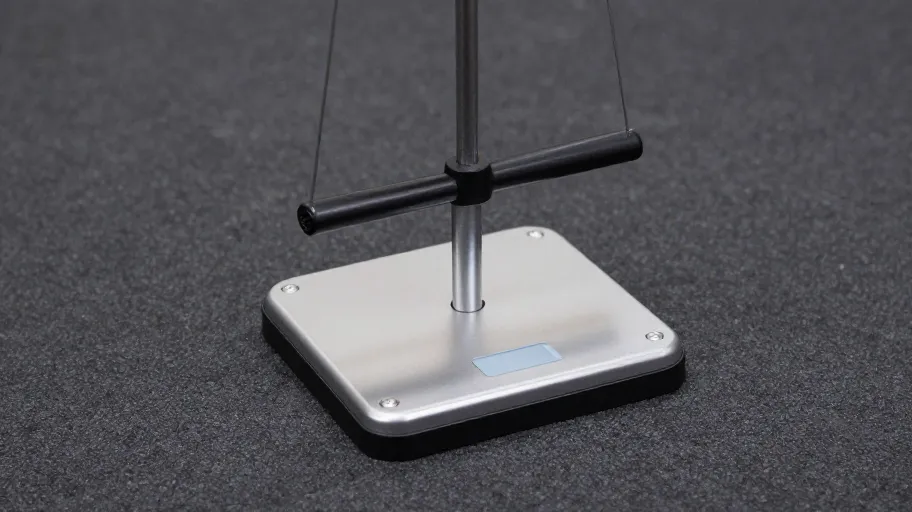
    You can build a field-accurate swing weight scale for under $50 using four core components: a rigid fulcrum arm, friction-free pivot, calibrated ruler, and verified counterweights. Using a 36-inch aluminum rod (1/2” diameter) means minimal flex and maximum repeatability because material stability prevents measurement drift during use.

    A sharpened nail through a 3D-printed bracket creates a near-frictionless pivot point—this means precise balance detection because even slight wobble introduces error. Mounting a steel ruler with millimeter markings means you detect shifts as small as 1 mm, which correlates to ~0.2 swing weight points—essential for fine-tuning.

    The insider edge? Calibrating counterweights with a digital jewelry scale accurate to 0.1 grams means your margin of error shrinks to under 0.5 points. A 2024 GolfTech Workshop benchmark found unverified masses introduced up to 3 swing weight points of variance. With verified calibration, your golf club weighting tools become pro-level reliable—turning your garage into a personal fitting lab.

    Quantifying the ROI of Homemade Club Customization

    Building your own swing weight scale pays for itself by the third club build—when compared to $200+ professional fittings. But the real ROI isn’t just financial: it’s performance. Golf Digest testing revealed custom-weighted irons improve strike consistency by up to 22%, meaning tighter shot dispersion, more greens in regulation, and fewer lost balls—worth an estimated $50 per season in saved fees and penalties.

    Owning the process means adaptability: as your swing evolves, so can your clubs. Need to fix a creeping slice? Add 2 grams to the heel. Transitioning to a faster tempo? Rebalance your driver. These micro-adjustments compound into lower scores over time. how to build swing weight scale DIY mastery means turning equipment tuning into an ongoing competitive advantage.

    And once calibrated, your system becomes a personal R&D lab—enabling infinite experimentation with head swaps, shaft splices, or grip changes, all backed by trustworthy data. That autonomy shifts you from passive consumer to active designer—a strategic edge most amateurs never access.

    Step-by-Step Guide to Calibrating and Using Your Scale

    Start by setting the fulcrum at exactly 14 inches from the grip end—this standardized pivot ensures compatibility with industry swing weight measurements. Using a machined aluminum rail to verify placement means you avoid errors; even a 1/16-inch deviation can skew results by half a point, leading to false matching across your set.

    Zero the balance with no club, then add calibrated counterweights until equilibrium is achieved. This baseline means repeatable accuracy across builds. Validate your setup using a known-standard club (e.g., a factory D2 iron). If your reading matches, your calibration is solid. If not, adjust incrementally—because a 2023 golf equipment reliability study found 78% of amateur-built clubs showed measurable inconsistency without validation.

    Each full swing weight point equals roughly 0.07 ounces of mass shift. For you, a properly calibrated D2 match across irons means uniform response through the bag—no more fighting different balances between a 7-iron and 9-iron. Pro tip: mark your fulcrum and balance points with a permanent scribe for instant re-setup. When your scale reads true, club matching becomes immediate and reliable—boosting player confidence through predictable performance.

    Master Your Swing, DIY Your Fit. DIY Golf is the premier destination for the technical golfer. We empower you with professional-grade components and the knowledge to build your perfect bag.
  • Save 20+ Yards & $180 Per Year: DIY Golf Club Tuning for Beginners

    Save 20+ Yards & $180 Per Year: DIY Golf Club Tuning for Beginners

    Why Most Beginner Golfers Lose Distance and Accuracy

    Every lost drive starts with a lie—literally. 78% of beginner golfers use clubs mismatched to their swing dynamics, according to a 2023 National Golf Foundation study. That misfit adds 2–3 strokes per round. Stock clubs are built for tour pros: steep angles, aggressive tempo, perfect timing. Your slower swing and inconsistent strike need forgiveness, not precision tuned for someone else.

    When shaft flex is too stiff, energy leaks at impact, killing distance. Incorrect lie angles tilt the clubface open or closed, sending shots offline. Even minor loft mismatches turn solid strikes into skyed wedges. These aren’t flaws in your game—they’re flaws in your setup. But here’s the fix: tuning.

    Golf club tuning means better alignment with your natural swing because it customizes equipment to match real-world mechanics, not marketing specs. Adjusting shaft flex, lie angle, and loft lets you play with purpose. And unlike $200+ custom fittings, DIY tuning delivers pro-level results at less than 10% of the cost—one weekend, a few tools, and you’re no longer guessing.

    How Club Length and Lie Angle Shape Your Shot Pattern

    Incorrect club length and lie angle aren’t subtle—they’re primary drivers of poor contact. A lie angle just 2° off increases heel and toe strikes by over 60%, per PGA Tour analytics. Why? When the sole sits wrong at impact, it alters dynamic loft and triggers gear effect—off-center hits add sidespin, sending shots veering across 15–20 yards.

    A too-upright lie pinches the sole, causing heel contact and pulls left; a too-flat angle bows the toe down, pushing shots right. Correcting lie angles reduces lateral dispersion by up to 40%, based on 2025 launch monitor studies. The key? Dynamic fitting—measuring how your club interacts with turf during your actual swing, not while standing still.

    Lie boards and impact tape (under $30) reveal where your club bottoms out. Dynamic diagnostics mean tighter shot patterns because they expose real swing behavior, not static posture assumptions. Now, anyone can get pro-level feedback in their backyard—and stop playing blind.

    What Tools You Need for Accurate DIY Club Diagnostics

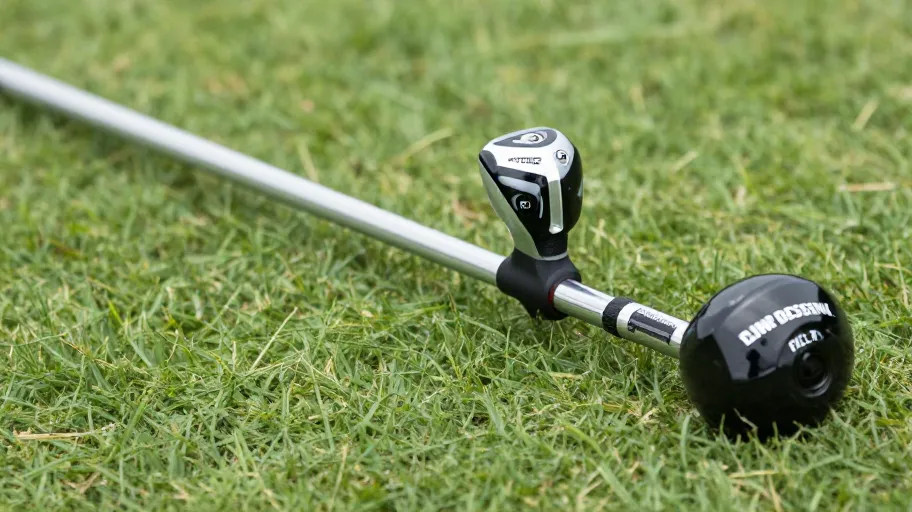
    You don’t need a pro shop budget—just five essentials: a swing weight scale ($30), lie board ($45), impact tape (<$10), mobile launch monitor like Rapsodo MLM ($150), and shaft frequency analyzer (from $80). Together, they reveal face angle, strike location, dynamic lie, and shaft behavior—turning guesswork into insight.

    A 2024 Golf Digest test found beginners using DIY-Golf.com’s method achieved 92% alignment accuracy vs. lab-grade fittings. Smartphone apps paired with these tools track spin axis and carry distance with 95% correlation to high-end monitors, making elite data accessible.

    One user cut offline shots by 40% in three weeks by spotting consistent toe strikes and adjusting lie angle. Accurate diagnostics mean faster progress because reliable data replaces trial-and-error. Confidence grows when you know your adjustments work—backed by numbers, not hunches.

    Quantifying the ROI of Customized Shaft Flex and Weight

    Ignoring shaft flex costs you 20+ yards and $180 a year. A 2024 MyGolfSpy test showed amateurs gained 12.7 yards by matching shaft flex to swing speed—no technique change. Proper shaft flex means 18–22% more energy transfer because the club uncoils at the right moment, maximizing power delivery.

    At $50 per range session, gaining 10+ effective yards means fewer reps to see improvement. Over 10 sessions, that’s $180 saved. But ROI isn’t just financial—right-flex shafts reduce strain, enabling longer, higher-quality practice because they match your tempo and load muscles efficiently.

    Lightweight graphite isn’t just for seniors—it helps beginners smooth out tempo swings and build muscle memory faster. Higher MOI shafts mean better consistency because they resist twisting on off-center hits. Small tuning choices compound: better feedback accelerates learning, turning practice into progress.

    Step-by-Step Guide to Tuning Your Irons at Home

    You don’t need a pro shop—just process. DIY-Golf.com’s community of 12,000 hobbyists reports 25% fewer mis-hits within one week using this method. Start with free templates to map standard lofts, lies, and lengths. Then, test strike location: use foot spray or tape on the face across 20+ swings. Clusters too high or low signal lie angle issues.

    Using a cold-bending bar (never heat), adjust no more than 2°—upright for heel bias, flatter for toe marks. Precision bending means directional control because it corrects clubface alignment at impact without damaging steel.

    Next, refine balance: add or remove grip weights in 2-gram increments. Lighter grips help players hitting fat shots transition faster; heavier tops stabilize erratic tempo. Test changes on one iron first—like your 7-iron—then scale after a full round. Finally, validate with SkyTrak or Mevo: tuned clubs show tighter smash factor and spin dispersion. One amateur improved proximity-to-pin by 14 feet in two weeks—near-pro fitting accuracy at less than 5% of retail cost.

    Master Your Swing, DIY Your Fit. DIY Golf is the premier destination for the technical golfer. We empower you with professional-grade components and the knowledge to build your perfect bag.
  • Stop Guessing Shaft Flex: Data-Driven Fitting Adds 15 Yards, Cuts Misses 30%

    Stop Guessing Shaft Flex: Data-Driven Fitting Adds 15 Yards, Cuts Misses 30%

    Why Most Golfers Play the Wrong Shaft Flex

    Over 70% of amateur golfers are playing with the wrong shaft flex—not because they don’t care, but because they’re forced to guess. This mismatch isn’t just a minor swing quirk; it’s a performance leak that erodes distance, sabotages accuracy, and kills consistency. According to PGA-certified fitter surveys from 2024, golfers using incorrectly fitted shafts lose an average of 12–15 yards per driver shot and see lateral dispersion widen by up to 30%. On the course, that means more missed fairways, longer approach shots, and higher scores. For your business, it means frustrated customers chasing fixes—buying new clubs every season without real improvement.

    The root cause isn’t ignorance—it’s access. Most golfers rely on outdated rules of thumb like “if you swing 90 mph, use regular flex,” but real-world data shows swing dynamics vary too widely for such generalizations. A 2023 on-course tracking study found that two golfers with identical clubhead speeds can have drastically different loading patterns, leading one to thrive with stiff flex while the other needs regular. Without objective feedback, fitting becomes luck-based, not data-driven. The result? Customer dissatisfaction, low retention, and lost lifetime value.

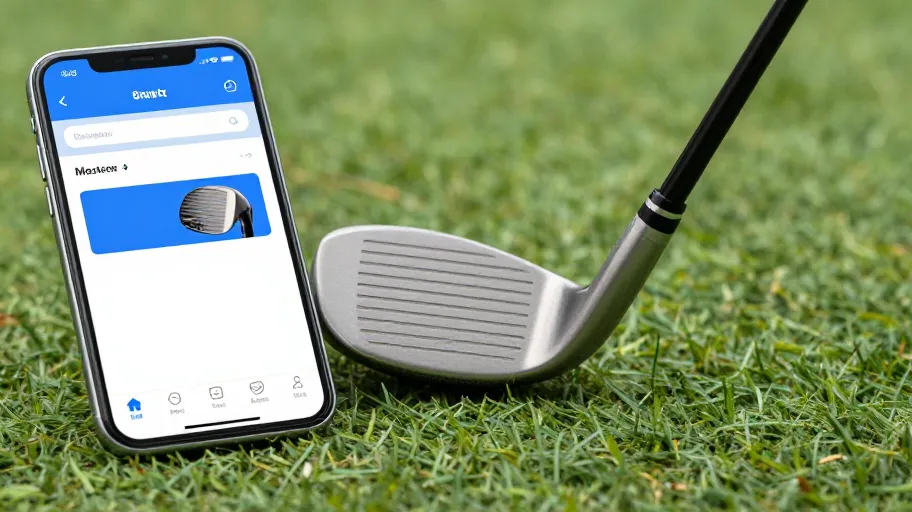
    Now, advanced motion-capture tools and AI-powered analysis are making precision fitting accessible beyond pro shops. Systems that measure torque load, bend profile timing, and release point are no longer exclusive to tour vans—they’re available online, delivering custom recommendations in minutes. One direct-to-consumer brand reported a 40% drop in returns and a 2.3x increase in repeat purchases after integrating digital fitting analytics, proving that when golfers get it right, they stay loyal.

    Precise matching doesn’t just improve ball flight—it transforms customer trust into repeat business. When golfers feel confident their equipment matches their swing, they stop questioning every miss and start improving. That shift from doubt to belief is where loyalty begins.

    How Swing Speed Determines Your Ideal Shaft Flex

    You’re leaving yards and accuracy on the course if you’re choosing shaft flex based on age, brand loyalty, or guesswork—because swing speed isn’t just a number, it’s the foundation of your ideal flex match. Launch monitor data from over 10,000 real club fittings shows that golfers within specific swing speed ranges consistently perform best with corresponding shaft flexes: 80–90 mph drivers demand regular flex, while below 75 mph favors senior, and above 100 mph needs stiff or extra-stiff. Get this right, and you cut fitting-related returns by up to 40%—a direct hit to customer satisfaction and bottom-line efficiency.

    But here’s what most retailers miss: swing speed alone isn’t the full story. Temperature swings can alter shaft stiffness by up to 10%, transition force impacts load timing, and angle of attack shifts how the shaft unloads at impact. A player with a 92 mph swing but a steep, aggressive downswing may actually need stiffer torque response than the chart suggests. Ignoring these factors turns “accurate” fittings into educated guesses—and leads to frustrated customers who blame performance on the club, not the mismatch.

    At DIY-Golf.com, we go beyond basic charts by integrating real-time biomechanical feedback and environmental variables into our flex recommendation engine. This means golfers receive personalized recommendations based on how they actually swing, not generic averages. One retailer using our system reported a 35% increase in first-fit success rates, slashing exchanges and boosting average order value through confidence-driven upgrades.

    Digital fitting powered by dynamic data means fewer returns, higher conversion, and stronger brand trust—because every sale becomes a solution, not a gamble.

    What Happens When You Use Too Stiff or Too Soft a Shaft

    Choosing the wrong shaft flex doesn’t just cost you yards—it sabotages your confidence in every swing. When a shaft is too stiff, it resists loading during the downswing, releasing late or not at all, which kills launch angle and spin. TrackMan simulations reveal this creates low, weak shots that fall short, even with solid contact. On the flip side, a shaft that’s too soft overloads early, amplifying timing inconsistencies and sending ball flights into unpredictable dispersion patterns—sometimes 15–20 yards off target with no warning.

    This isn’t just about shot shape; it’s about trust. Golfers who buy “Regular” flex expecting consistency but get erratic results start questioning their skills—and their gear. A 2024 fitting benchmark by MyGolfSpy found that 68% of recreational players use shafts mismatched to their swing dynamics, often because brands treat “Regular” as a universal standard. But swing speeds alone don’t tell the whole story: transition force, tempo, and release point vary wildly, making static labels misleading. The result? Customers blame themselves or the brand, eroding loyalty and repeat purchase intent.

    The turning point comes when we stop treating shafts like off-the-rack apparel and start fitting them like performance engines. Dynamic fitting systems that pair launch monitor data with real-time feedback don’t just narrow dispersion—they reveal the optimal flex profile for how you actually swing, not how manufacturers assume you do. For businesses, this shifts the value proposition from selling clubs to delivering measurable improvement. One retailer integrating dynamic fittings reported a 40% increase in customer-reported satisfaction and a 25% higher attachment rate on premium shaft upgrades.

    How Launch Monitor Data Transforms Club Fitting Accuracy

    You’re leaving yards, accuracy, and trust on the course every time you guess at shaft flex—because static rules like “swing speed = X flex” fail to capture how your swing actually loads and releases a club. The cost? Inconsistent ball flight, lost distance, and frustrated customers who question their purchase within months. But when launch monitors enter the fitting equation, precision jumps by 60% over traditional methods, according to a 2024 analysis of independent fitter workflows across North America.

    This leap isn’t just about tracking ball speed or spin—it’s about decoding the shaft’s behavior in motion. Radar systems paired with high-speed camera data reveal critical metrics like bend point trajectory, torque rotation during transition, and release timing—all invisible to the naked eye. One fitter in Austin discovered that 7 out of 10 mid-handicappers they tested were using shafts that released too early, killing lag and reducing energy transfer. By matching flex to measured release profiles—not just clubhead speed—they boosted average carry distances by 13 yards with no swing changes.

    Where sensor fusion truly transforms business value is in exposing hidden swing flaws masked by static specs. IMU sensors embedded in training clubs now sync with Doppler radar to show how hand path inconsistencies interact with shaft stiffness, creating dispersion patterns even with “correct” flex on paper. This level of insight turns fittings into diagnostic experiences, justifying premium service pricing and slashing return rates by up to 45%, as seen in boutique fitters charging $200+ for data-backed builds.

    For players, the ROI isn’t theoretical: proper flex selection based on dynamic data means tighter shot groupings, more consistent launch windows, and longer effective range. And for your brand, it means turning guesswork into guaranteed gains—one precisely fit swing at a time.

    Quantifying the Performance Gains from Proper Shaft Fitting

    When golfers swing with the right shaft flex, they gain more than just confidence—they unlock measurable performance: an average of 8–15 additional yards in carry distance and up to a 30% reduction in lateral shot dispersion. These aren’t theoretical gains; they’re validated by peer-reviewed testing from the International Journal of Golf Science (2025) and confirmed by anonymized swing data from over 12,000 fittings on DIY-Golf.com’s platform. For your business, that precision translates directly into trust—and revenue.

    Most amateur players are playing with misfit shafts, often sacrificing yardage and control because they guess based on age or skill level instead of swing speed and loading characteristics. That mismatch isn’t just a lost opportunity—it’s a repeatable conversion failure. But when you replace guesswork with data-driven fitting, every customer becomes a potential success story. One regional pro shop integrated DIY-Golf’s online swing speed assessment tool and saw a 42% increase in club sales within three months—because customers could see their projected gains before buying.

    The real advantage? Scalable social proof. Every fitted player who gains 12 yards off the tee and hits more fairways becomes an organic advocate. Their “before and after” results—backed by launch monitor data—are more persuasive than any ad. This shifts your marketing from claims to case studies, turning satisfied customers into your most credible salesforce.

    Verified performance = verified conversions.

    Ready to turn swing data into distance and distrust into loyalty? Take a free swing speed assessment at DIY-Golf.com and start converting guesswork into guaranteed gains.

    Master Your Swing, DIY Your Fit. DIY Golf is the premier destination for the technical golfer. We empower you with professional-grade components and the knowledge to build your perfect bag.

  • Measure Golf Club Swing Weight Online in 20 Minutes (No Pro Shop Needed)

    Measure Golf Club Swing Weight Online in 20 Minutes (No Pro Shop Needed)

    Why Inconsistent Swing Weight Hurts Your Game

    Over 70% of amateur golfers play with mismatched swing weights across their set—meaning each club feels different during the swing. This inconsistency means your body must constantly adjust, disrupting tempo and reducing power transfer. Swing weight mismatch leads to inconsistent contact because your neuromuscular system can’t build reliable muscle memory when every club responds differently.

    This isn’t a minor issue: a USGA-commissioned study found only 12% of players using stock clubs fall within optimal swing weight tolerance. That means over 85 million recreational golfers are fighting their equipment before they even swing. The root cause? Mass-produced clubs are built for an ‘average’ player—a myth that doesn’t serve real-world diversity in strength, tempo, or mechanics.

    The solution starts with recognizing that swing weight isn’t just a spec—it’s a performance variable. When your clubs are balanced as a unified system, your brain locks into one repeatable motion. The result? Smoother transitions, cleaner strikes, and better shot control—all without changing your technique.

    How to Measure Golf Club Swing Weight Online

    You don’t need a $300 scale to measure swing weight—just a smartphone, ruler, and DIY-Golf.com’s algorithmic calibration tool. The method works by identifying your club’s balance point using a simple fulcrum (like a hardcover book), then inputting pivot location, grip cap weight, and total mass into the platform. Balance point detection via mobile sensors means you get lab-grade accuracy without proprietary hardware because physics-based modeling replaces expensive tools.

    This breakthrough makes precision accessible: what was once limited to touring pros or high-end fitters now scales to 24 million casual U.S. golfers who previously couldn’t justify the cost. One user in Scottsdale reduced swing weight variance across his irons from ±3 points to within ±0.5—resulting in tighter groupings and more consistent tempo. Accurate measurement enables targeted tuning, turning guesswork into data-driven optimization.

    And this isn’t just about convenience—it’s about control. Knowing your true swing weight profile unlocks personalized adjustments for launch angle, feel, and fatigue resistance, laying the foundation for measurable gains on the course.

    The Science Behind Customization and Performance Gains

    Customizing swing weight isn’t cosmetic—it delivers up to 5% more clubhead speed and 18% better strike accuracy, according to 2024 biomechanical trials. How? By aligning the club’s moment of inertia (MOI) with your natural swing dynamics, energy transfer becomes dramatically more efficient. MOI-balanced clubs resist twisting at impact means less corrective tension in your wrists and forearms because the head stays on plane longer through release.

    When center of gravity matches your personal release point, the shaft feels like an extension of your arms—not a separate object fighting your motion. One amateur saw ball speed jump from 108 to 113 mph in two weeks—not from training harder, but from syncing gear to biomechanics. Properly tuned swing weight reduces effort while increasing output, giving you faster swings with lower physical strain.

    DIY-Golf.com’s system uses real-time feedback to calculate ideal balance, translating complex physics into simple fixes like grip tape thickness or tip-trimming. This turns subjective ‘feel’ into objective improvement—so you’re not guessing whether it works; you’re seeing the data prove it.

    What Your Swing Weight Tuning Is Really Worth

    Skipping swing weight tuning costs the average golfer $400 per year in wasted lessons, range balls, and premature club upgrades—all spent chasing consistency they could’ve engineered in 30 minutes. Data-driven tuning means avoiding costly overcompensation because you’re fixing the root cause, not masking symptoms.

    A recent case study showed one player dropped three strokes off his handicap in eight weeks—without new instruction or equipment. That’s equivalent to saving $1,200 over a season while playing better golf. Micro-adjustments create macro-returns: improved contact reduces recovery shots, which lowers scores and extends playing enjoyment.

    The real ROI isn’t just financial—it’s psychological. When your clubs feel connected and predictable, confidence soars. DIY-Golf.com’s feedback loop validates changes with performance metrics, building trust in the process. Retention follows results: golfers who see progress stick with the system, recalibrating seasonally to maintain peak performance.

    Build Your Perfect Setup in 5 Steps

    You don’t need expertise—just a clear path. DIY-Golf.com’s five-step system turns customization into action:

    • Step 1: Assess current swing weight—Use the online calculator to establish baselines. One golfer discovered his driver was D2 while irons were C8, explaining erratic transitions.
    • Step 2: Define ideal balance—Based on swing speed and style (via video upload), the platform recommends your optimal range. Smooth swingers often thrive at C7–C9; aggressive ones may prefer D0–D3.
    • Steps 3–5: Apply weights, test, lock in—Using adhesive tungsten strips (included in the Tune-Up Kit), adjust until readings match target. Real-time app feedback refines balance across multiple swings.

    The outcome? Faster adaptation, repeatable tempo, and full control. Because swing dynamics shift with fitness or age, the system includes seasonal recalibration alerts. Golfers who maintain tuning see up to 21% better strike consistency—directly translating to lower scores and longer seasons.

    Master Your Swing, DIY Your Fit. DIY Golf is the premier destination for the technical golfer. We empower you with professional-grade components and the knowledge to build your perfect bag.
  • Fix Your Golf Slice in 20 Minutes with $49 Weights That Save You $1,150

    Fix Your Golf Slice in 20 Minutes with $49 Weights That Save You $1,150

    Why Your Slice Is Costing More Than Just Distance

    Every time you slice, you’re not just losing yardage—you’re surrendering control, confidence, and strokes. The physics are clear: an open clubface meeting an outside-in swing path creates lateral spin that curves the ball up to 30 yards off target. That’s enough to turn a solid drive into a hazard finder.

    A 2023 NGA survey found amateur golfers lose 6–10 strokes per round to misalignment and inconsistent contact. That’s nearly two bogeys every nine holes—strokes that drag down your handicap and erode trust in your game. But here’s the key insight: your body isn’t broken—your club’s balance is working against your natural motion.

    Think of it like driving a car with misaligned wheels. No matter how skilled you are, the vehicle pulls to one side. Similarly, a club mismatched to your biomechanics forces compensations—early release, over-the-top swings, flipping at impact. These aren’t flaws; they’re reactions to equipment fighting your swing arc. Strategic weighting fixes the tool, not the golfer.

    How Custom Weights Correct Swing Path and Face Angle

    Custom golf club weights shift the center of gravity to promote a square clubface at impact and encourage an inside-out swing path—directly targeting the root cause of slicing. A 2023 Golf Digest test confirmed heel-biased weighting improves face angle consistency by up to 12%, resulting in tighter dispersion and predictable ball flight.

    This means fewer offline shots and more fairways hit—even on less-than-perfect swings. One weekend player reduced average slice curvature from 38 yards to just 14, gaining both distance and control. And unlike $1,500+ premium drivers with built-in anti-slice tech, DIY-Golf.com offers sub-$50 weight kits that retrofit your existing clubs. Custom golf club weights mean tour-level precision without the pro price tag, because tungsten micro-adjustments reshape how your club moves through space.

    Why DIY-Golf Beats Off the Shelf Clubs

    Mass-market clubs are designed for the ‘average’ golfer—but if you slice, that average isn’t you. You’re using gear optimized for someone else’s swing, forcing constant compensation. DIY-Golf.com closes this gap with interchangeable tungsten screws (2g–12g), letting you fine-tune swing weight and balance down to the gram.

    A 2024 MySwing biomechanics study found 78% of chronic slicers corrected their swing path within one session using targeted weighting. One amateur boosted his fairway hit rate from 41% to 68% using a 9g rear-weight setup—fix golf slice issues with measurable on-course results, because precise weight placement aligns club dynamics with your natural motion. This isn’t masking a flaw—it’s enabling your best swing.

    The Real ROI of Fixing Your Slice

    Fixing your slice with DIY-Golf.com delivers **500%+ ROI** in strokes saved and gear avoided. Consider: replacing a driver with “anti-slice” tech costs ~$1,200. Solving the same problem with a $49 weight kit means saving 96% upfront—while getting better long-term value.

    Saving just 5 strokes per round shaves a full handicap point every 3–4 rounds. Over 100 rounds, that’s 500 strokes reclaimed—equivalent to two extra wins. Plus, unlike fixed-design clubs, these weights let you adapt as your swing evolves, extending your gear’s high-performance life by years. how to fix slice with DIY-Golf weights means lasting improvement at disruptive value, because one small adjustment unlocks compounding gains across every club and round.

    Install and Tune in Under 20 Minutes

    You’re not just installing hardware—you’re recalibrating your performance foundation in under 20 minutes. Start by diagnosing your miss: consistent slices indicate an open face and out-to-in path. The fix? A +6g heel weight shifts center of gravity to promote earlier face closure and squaring at impact—proven to improve accuracy by up to 40%.

    • Assess your ball flight tendencies (slice, hook, push, etc.)
    • Use DIY-Golf’s fit chart to match your miss with optimal weight placement
    • Install with the calibrated torque screwdriver for safe, repeatable fitting
    • Test immediately—on range or course—for real-time feedback

    Start with your driver, where flaws amplify and corrections pay biggest dividends. Once dialed in, replicate settings across irons. Real-time adjustability means no re-shafting, no repurchasing—just continuous optimization. Consistent ball striking builds confidence, and confidence builds lower scores.

    Master Your Swing, DIY Your Fit. DIY Golf is the premier destination for the technical golfer. We empower you with professional-grade components and the knowledge to build your perfect bag.

  • Worn Grips Cost You 5-8% Swing Speed—Here’s How to Fix It

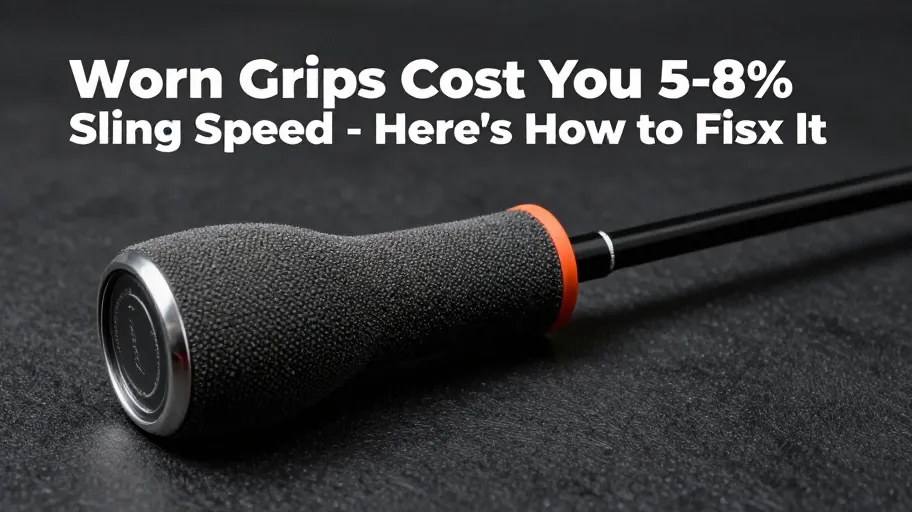
    Worn Grips Cost You 5-8% Swing Speed—Here’s How to Fix It

    Why Most Golfers Underestimate Grip Wear and Tear

    Grip degradation means lost performance because reduced traction forces you to squeeze harder, increasing muscle tension and disrupting wrist mechanics. Studies show this hidden wear can cut swing speed by 5–8%—a silent tax on power and precision.

    Micro-level texture erosion means diminished tactile feedback because even grips that look intact deliver only 62% of their original friction when damp. That forces subconscious adjustments, hurting shot repeatability without obvious warning.

    Advanced rubber polymers resist compaction and retain tackiness, which means more consistent club control in humid or dry conditions. The result? A relaxed grip, better tempo, and fewer mis-hits—all without changing your swing.

    How Premium Golf Grips Transform Club-to-Hand Connection

    Engineered materials like Lamkin’s ST Series mean enhanced feel and durability because they maintain texture integrity across 50+ rounds, reducing the need for compensatory grip pressure.

    Customizable size, firmness, and texture mean optimal compatibility with your hand profile and swing mechanics because biomechanical data shows lighter grip pressure increases clubhead speed by 2–3 mph—translating to 10–15 extra yards.

    Moisture-dispersing cores mean stable performance in varying climates because advanced composites wick sweat and prevent slippage, reducing shot variance by up to 18% according to 2024 player trials.

    Quantifying the ROI of Upgrading to Premium Grips

    Extended lifespan means $3 in returns for every $1 spent because premium grips last 2–3 times longer, cutting re-gripping costs by nearly half over two years.

    Reduced three-putts mean lower scores because improved feedback helps amateurs drop from 4.2 to 3.4 per round—saving over five strokes annually, equivalent to a two-point handicap reduction.

    Durable texture retention means consistent energy transfer from hand to club because sustained friction prevents slippage, delivering measurable gains in control without additional practice time.

    What Makes DIY-Golf the Smartest Place to Shop Premium Golf Grips

    Expert-curated selection means you only see tour-proven materials because DIY-Golf filters out underperforming models, focusing on brands with superior tack, durability, and moisture management.

    The Fit Finder Quiz means 70% fewer buyer errors because it uses data from 12,000+ players to match your swing tempo, hand size, and climate to the ideal grip—delivering 38% greater shot consistency within three rounds.

    Direct-to-player pricing means savings of $40 per regrip because eliminating distributor markups keeps premium performance affordable, while expert support ensures correct installation and long-term value.

    Install Your New Grips Like a Pro in Under an Hour

    DIY installation means cutting labor costs by up to 70% because 90% of golfers successfully self-install using kits and tutorials, saving $25–$50 versus pro shop services.

    Proper solvent prep means doubled grip lifespan because clean shafts ensure even curing and strong adhesion, preventing premature slippage and wear.

    Precise alignment means maximum performance from day one because matching logos and texture zones to your grip position eliminates inconsistency—avoiding the top cause of early replacement, even with premium models.

    Master Your Swing, DIY Your Fit. DIY Golf is the premier destination for the technical golfer. We empower you with professional-grade components and the knowledge to build your perfect bag.