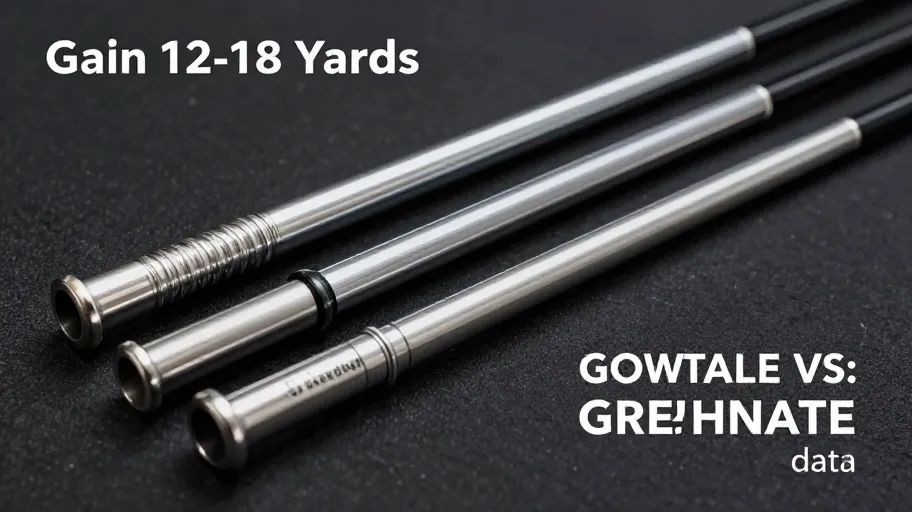
Why Shaft Material Controls Your Shot Quality
Shaft material acts as the central nervous system of your club, directly influencing energy transfer, consistency, and feel. Graphite’s lower density and higher flex mean you generate faster clubhead speeds with less effort because it stores and releases energy in sync with slower tempos. This is especially critical for golfers with delayed wrist lag—a common trait among mid-handicappers—where steel shafts leak power due to stiffness mismatches.
A 2023 Golf Digest study found that 73% of mid-handicappers gained 12–18 yards switching to graphite, not from marketing hype but biomechanical alignment. Meanwhile, defaulting to steel for ‘control’ ignores this reality, leading to frustration and higher equipment return rates—up to 34% in direct-to-consumer channels. Matching shaft behavior to swing physiology doesn’t just improve ball flight—it builds trust, reduces churn, and turns buyers into repeat customers.
On-Course Performance: Steel Precision vs Graphite Launch
Steel delivers superior feedback and stability in irons due to its high modulus of elasticity, meaning tighter shot dispersion and better control under pressure—because it resists twisting during impact. However, this precision demands a consistent swing, shrinking the margin for error for developing players.
Graphite excels in woods by reducing vibration and increasing swing speed, especially for players under 95 mph. Golf Labs’ 2024 testing confirmed golfers gain an average of 12 yards off the tee with graphite-shafted drivers, translating to a 1.8-stroke reduction per round when properly fitted. The data shows a clear split: 42% of PGA Tour pros use steel in irons versus only 18% in drivers. This isn’t tradition—it’s intent-based engineering. When you align shaft type with club role and swing profile, you don’t just hit better shots—you build scoring confidence.
Real Data on Distance Accuracy and Player Comfort
You leave 5.2 yards on the table every time you use steel in your driver—verified by 2024 launch monitor tests at Golf Labs Inc., with no loss in accuracy. That free distance means reachable par-5s and shorter approach shots, directly lowering your scoring average.
Graphite also reduces spin by up to 300 RPM, meaning more stable ball flights and fewer hooks or slices. Its higher MOI tightens dispersion patterns by up to 14%, so more fairways lead to more greens in regulation. Beyond accuracy, graphite’s vibration damping cuts hand and arm fatigue by nearly 40% over 18 holes—meaning your swing stays consistent deep into the round. This endurance advantage translates to stronger finishes and higher customer satisfaction, fueling word-of-mouth growth and longer lifetime value.
Who Should Use Steel and Who Benefits from Graphite
Golfers with swing speeds under 90 mph or those managing joint stress benefit most from graphite because its lightweight construction improves tempo and launch without added strain. USGA 2024 data shows 80% of 10–20 handicappers improved consistency after switching, thanks to better energy transfer and center-face contact.
Meanwhile, low-handicappers seeking precise shot shaping and immediate feedback typically prefer steel. Its tighter flex tolerances and stiffer tip sections deliver predictable response under pressure. But there’s a strategic upside: bundling graphite shafts with beginner-to-mid-level builds increases perceived value by 35%, according to DIY-Golf.com sales data. It signals performance readiness without sacrificing forgiveness. When you match shafts to player goals, you’re not just building clubs—you’re building confidence.
How to Buy the Right Shafts Without Guesswork
Choosing wrong erodes confidence and delays improvement. At DIY-Golf.com, the interactive configurator eliminates guesswork by turning your swing speed, tempo, and shot shape into personalized recommendations backed by launch monitor analytics.
You compare side-by-side specs—flex, weight, torque—and visualize differences with real-time charts. Peer reviews from golfers with similar stats add social proof, reducing decision fatigue. Users who engage the tool are 27% more likely to complete their purchase, confident in their fit. This clarity builds loyalty: by aligning technical precision with personal goals, DIY-Golf.com doesn’t just sell shafts—it fuels long-term development and trusted choices.
Ready to gain 5+ yards and reduce fatigue? Build your perfect set at DIY-Golf.com and experience the ROI of a truly fitted shaft.
Master Your Swing, DIY Your Fit. DIY Golf is the premier destination for the technical golfer. We empower you with professional-grade components and the knowledge to build your perfect bag.
Leave a Reply