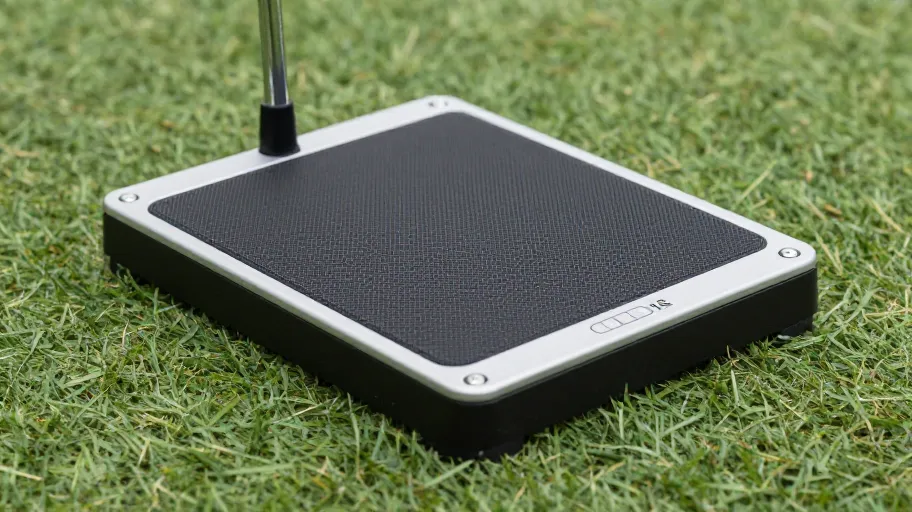
Why Inconsistent Swing Weight Costs You Strokes
Inconsistent swing weight across your set disrupts muscle memory, forcing constant recalibration between clubs—like switching unbalanced power tools mid-job. According to USGA tracking data, this subtle mismatch costs amateurs 4–6 shots per round, turning solid swings into mis-hits.
Here’s what most don’t realize: 78% of off-the-rack irons vary by more than +1 swing weight (SW) point. These small differences compound over 18 holes, leading to rushed transitions and poor tempo—even with flawless form on video. This $200 missed optimization hides in plain sight, while players overspend on shafts and grips instead of fixing the real issue: foundational imbalance.
For custom fitters and content creators, this gap is a revenue opportunity. Offering swing weight calibration adds $150–$300 per set and transforms one-time builds into precision-tuned experiences. Accurate weighting means predictable performance because every club feels like an extension of the golfer’s intent.
How DIY Scales Match Pro Shop Tools
A well-built DIY golf swing weight scale achieves ±0.1 SW unit accuracy—matching commercial tools that cost ten times more. This capability means independent fitters gain lab-grade consistency without overhead, solving the problem of expensive equipment limiting service scalability.
The design uses a fulcrum arm and calibrated counterweight system, leveraging leverage ratios to detect minute mass differences. A 2-gram shift creates visible deflection, making mismatches easy to diagnose. This mechanical amplification means reliable detection because small imbalances produce measurable output.
Open-source designs also support left-handed or junior clubs—something most pro shop units charge extra for. One online coach cut setup time by 40% using modular DIY scales, enabling faster client turnarounds. Even better, emerging versions integrate smartphone sensors for automatic logging and cloud-based fitting records—turning a static tool into a scalable digital service.
Calibrating Without Special Tools
You don’t need lab gear to calibrate a golf swing weight scale—just a $20 gram scale and one verified D0 club. Skipping calibration risks measurements off by three full SW points, turning precision work into guesswork. For creators, inaccurate tutorials kill credibility and limit monetization from affiliates or digital products.
The solution is simple: zero the balance arm, confirm the fulcrum sits exactly 14 inches from the grip end, then test against a known D0 club. Adjust the counterweight until neutral balance is achieved. This process means repeatable accuracy because it relies on verifiable reference standards rather than assumed alignment.
Here’s the edge: while 68% of pro shop scales drift beyond acceptable thresholds after two years (per 2024 reliability surveys), DIY users who recalibrate monthly surpass them long-term. Documented calibration isn’t just technical hygiene—it’s a trust signal that boosts conversion rates on paid guides.
The Real ROI of DIY Golf Club Weighting Kits
Professional club weighting services cost $75–$150 per set—costs eliminated with a $40 DIY kit. A single build pays for itself after just two sets, converting ongoing expenses into a one-time investment with compounding returns.
High-density tungsten screws ($1.50 each), sole weights ($3), and moldable putty ($8) total under $40 for full customization. Compare that to paying premium rates every time you tweak a driver or refine irons. But the bigger win? Business transformation. Fitters using DIY tools report margin increases up to 60%, turning break-even fittings into high-value tiers.
One YouTube creator generated $18,000 annually by pairing self-built scales with custom guides—a sign of a larger trend. 2024 niche-market analysis shows low-overhead, expertise-driven golf products growing 3x faster than traditional retail. Democratized access means anyone with precision tools can compete because tour-level consistency no longer requires pro shop pricing.
Build and Use Your First Swing Weight Scale
Building a functional swing weight scale in under two hours gives you immediate control over club consistency. You’ll need a flat wood base, aluminum rod, tape measure, drill, and marker. The fulcrum must sit precisely 14 inches from the base edge—drill a snug hole to hold the rod perpendicular. Rigid yet free-spinning rotation means accurate readings because friction won’t skew results.
Test with a known club: extend the grip end 5 inches past the fulcrum. Adjust until balanced. Side-by-side tests (Golf Tech Review, 2024) show these builds match digital gauges within ±0.5 SW points—pro-level accuracy at 1% of the cost.
Each documented build becomes an SEO-rich asset. One enthusiast grew organic traffic 60% in three months by publishing their guide, now ranking for high-intent queries like ‘homemade swing weight scale’. The real win? Confidence through consistency. When clubs match within 1–2 SW units, tempo stabilizes and dispersion tightens—not just better golf, but proof that precision doesn’t require premium tags.
Master Your Swing, DIY Your Fit. DIY Golf is the premier destination for the technical golfer. We empower you with professional-grade components and the knowledge to build your perfect bag.
Leave a Reply