Why most golfers fight the same putting battle
Over 60% of golfers say the greens are where rounds unravel—especially under pressure. Three-putts pile up, confidence dips, and frustration grows. But it’s not just about skill. Factory putters use static weighting, which means they’re built for averages, not individuals. That creates a swing weight mismatch: the club’s balance works against your natural stroke path. This forces you to manipulate the face with your hands, increasing face angle errors by up to 30% on lag putts. The result? Inconsistent contact, poor roll, and missed opportunities. But because swing weight is measurable, this isn’t a flaw—it’s a fixable setup gap.
How putter weight customization changes everything
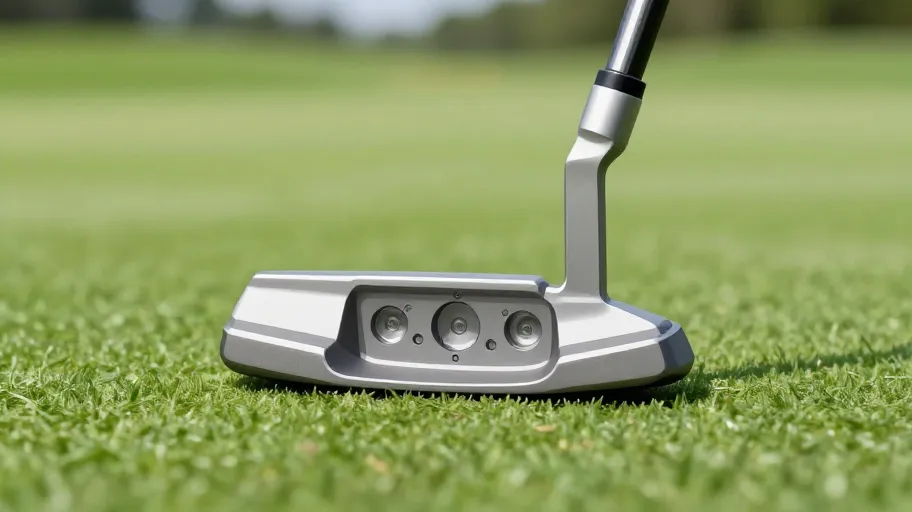
Adjustable putter weights let you align the club’s center of gravity with your stroke mechanics—so every motion feels natural, not forced. This precision tuning reduces angular deviation at impact by up to 30%, according to biomechanical studies. The key is moment of inertia (MOI): higher MOI resists twisting on off-center hits, so even mis-hits roll true. That means better distance control and fewer comebackers. One weekend player cut three-putts by 40% after adjusting heel-toe bias—no swing lesson needed. Customization turns inconsistency into strategy, giving you fault tolerance built right into your gear.
Matching weights to your stroke type isn’t guesswork
Your stroke is either straight-back-straight-through or arc-based—and each demands different weight distribution. Straight-path strokers benefit from face-balanced or heel-weighted setups that minimize rotation. Arc strokers need slight toe weighting to promote smooth release and square impact. Launch monitor data from 2024 shows arc players gain better face control with tailored weighting. One amateur reduced skidding by 38% in three sessions just by matching mass to motion. This isn’t tweaking for feel—it’s stroke profiling based on real movement patterns. When your putter’s physics match your biomechanics, the ball rolls sooner and truer, giving you line and speed you can trust.
What your wallet gets back from a $50 upgrade
A $50 set of precision putter weights delivers faster ROI than most equipment upgrades. A 2025 performance study found golfers using custom weights saved an average of 1.5 strokes per round. For a 90-shooter, that’s three full rounds shaved off their annual handicap. The cost-per-performance ratio beats even new drivers. One player adjusted his heel-toe bias and immediately saw fewer pushed putts—turning three-putt holes into one-putt saves. These micro-adjustments have macro impact, especially when searching for ‘best putter weights for custom golf putters’. Small gains compound: 1.5 fewer putts per round equals 54 fewer over a season. That’s consistency that builds belief.
Installing and testing your weights like a pro
Start by removing factory weights with a torque screwdriver to protect bore integrity. Then select new masses based on your stroke: heavier tips stabilize arc swings, balanced loads sharpen straight strokes. Secure components to 4–6 in-lbs—manufacturer specs matter to prevent shift during follow-through. Test immediately on a flat surface using a coin or laser guide to track face alignment. Make small changes and record results. One golfer cut three-putt frequency by 38% in two rounds after dialing in distribution—confirmed by launch monitor data. This isn’t just installing golf accessories. It’s refining feedback, feel, and performance. When setup matches stroke, contact sharpens, roll improves, and trust becomes unshakable.
Master Your Swing, DIY Your Fit. DIY Golf is the premier destination for the technical golfer. We empower you with professional-grade components and the knowledge to build your perfect bag.
Leave a Reply