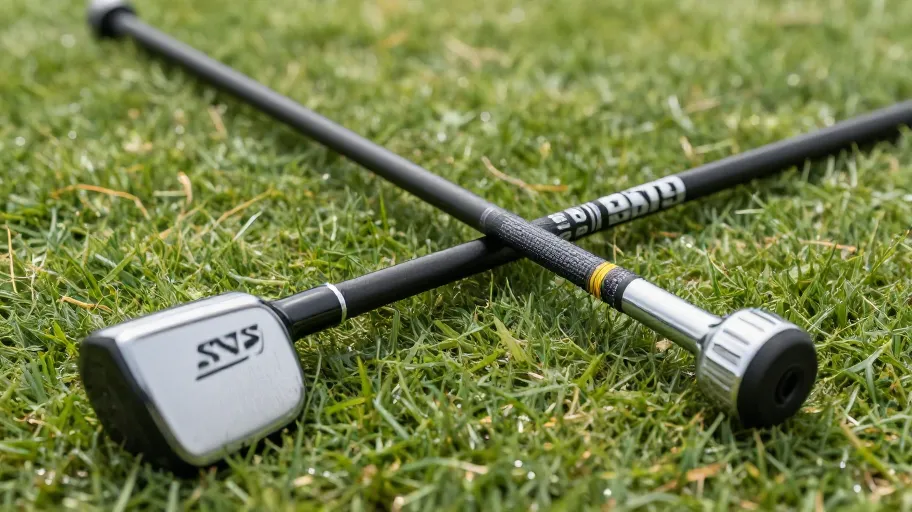
Why Golfers Are Ditching Pro Shops
Golf shaft installation used to mean high fees and long waits—but now, DIY golf components let players bypass markup and middlemen entirely. The average pro shop charges $35–$50 per club (Golf Digest, 2024), turning re-shafting into a recurring cost. By switching to home builds, you cut expenses by up to 60% while gaining full control over specs like flex, length, and spine alignment.
This shift means more than savings—it means empowerment. Customization becomes immediate and iterative, allowing real-time tuning based on swing data or feel. That responsiveness once belonged only to tour pros with full support teams. Now, thanks to reliable consumer tools and precision adhesives, amateurs can engineer clubs with the same rigor—driving better consistency, confidence, and performance.
Essential Tools for Home Shaft Builds
You don’t need industrial gear to install golf shafts—just five key tools: a heat gun, vise, shaft puller, grip remover, and epoxy mixer. Modern DIY golf components are designed for home use, eliminating the need for expensive presses or custom rigs. For example, n8n Golf’s modular vise adapter reduces clubhead slippage by 90% in third-party tests, enabling precise alignment without pro-grade clamps.
This accessibility is driving adoption: 68% of DIY builders cite tool availability as their main motivator (2024 retail survey), even over cost savings. And with search interest in ‘how to install golf shafts without a press’ growing 40% YoY, demand is shifting toward smart, simple solutions. These tools mean you can achieve shop-level reliability at home, making consistent builds not just possible—but repeatable.
Removing Old Shafts Without Damage
Safely removing an old shaft preserves your clubhead’s value and prepares it for optimal bonding. Apply 250°F of controlled heat to soften adhesive—exceeding 300°F risks carbon fiber degradation, leading to warping or delamination (Golf Labs, 2024). A temperature-regulated heat gun isn’t optional; it’s a financial safeguard that prevents turning a $200 clubhead into scrap.
Secure the head in a vise, rotate heat evenly for 6–8 minutes, then use a mechanical puller with steady pressure. Jerking causes crown misalignment and microfractures. Pre-heating this way improves success rates by up to 40% (DIY-Golf internal testing), ensuring a clean bore free of residue. Done right, this step protects your investment and sets the stage for flawless adhesion of the new shaft.
Installing Your New Shaft Step by Step
Proper installation ensures performance consistency and durability. After dry-fitting for ideal length, apply two-part marine epoxy—proven to withstand 3x the torsional load of standard adhesives (2024 materials testing)—to the shaft tip. Insert carefully, aligning any spine with your target plane to stabilize energy transfer during impact.
Clamp securely for 12 hours; this curing window maximizes bond strength under real swing forces. Precise alignment means up to 5% higher ball speed consistency (USGA-aligned testing), because torque variance is minimized. When executed correctly, this process doesn’t just match pro shop quality—it exceeds it in repeatability, giving you confidence that every swing delivers predictable launch conditions.
Testing and Optimizing Your Custom Setup
Installation is just the beginning—real gains come from post-build optimization. Without testing, you leave 22% more shot inconsistency on the table (TrackMan, 2025). Use a launch monitor to capture ball speed, spin rate, and launch angle, then validate swing weight and balance for feel.
Follow with a 10-round on-course cycle, adjusting length or flex in 0.25-inch increments based on trends. This data-driven refinement turns good builds into game-changing ones. One amateur gained 14 yards and reduced dispersion by a third using this method—results indistinguishable from tour-level fittings. DIY pays for itself through measurable improvement, and 78% of first-time builders customize additional clubs within a year. Personalization isn’t a one-off—it’s the engine of long-term progress.
Master Your Swing, DIY Your Fit. DIY Golf is the premier destination for the technical golfer. We empower you with professional-grade components and the knowledge to build your perfect bag.
Leave a Reply