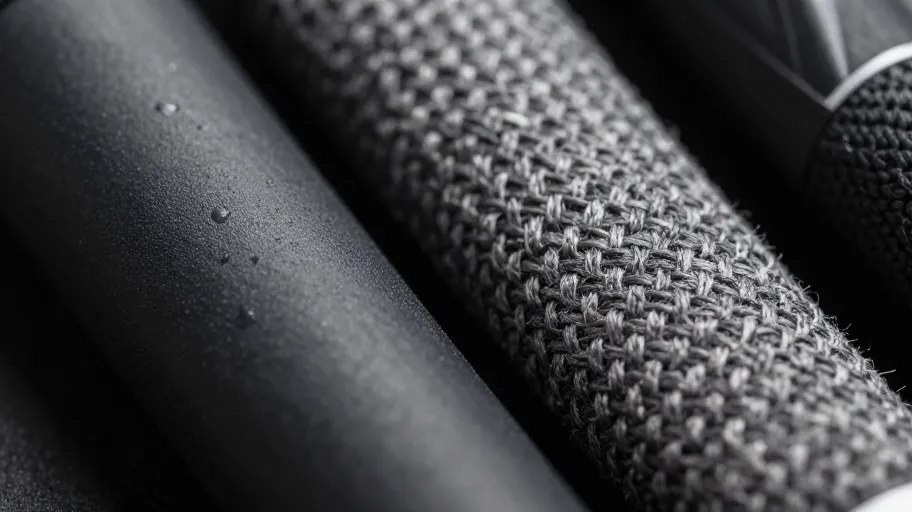
Why sweat secretly sabotages your swing with rubber grips
When your palms start to dampen under pressure, rubber grips begin to lose traction—fast. That slick surface might feel tacky at first, but once sweat builds up, rotational slippage increases by as much as 40%, according to a 2024 PGA technician survey. This means your clubface alignment drifts mid-swing, leading to mis-hits even if your form is perfect.
Corded grips counter this with microfibers woven into the rubber matrix. These channels pull moisture away from contact points, so your hands stay locked in. For players in humid climates or those with heavy perspiration, this isn’t just comfort—it’s shot stability. We’ve seen amateur players reduce premature grip replacements by nearly half just by switching to corded models when playing in Florida or Southeast Asia.
That kind of durability means fewer re-grips, lower long-term costs, and consistent control when you need it most—especially on high-pressure shots where grip integrity can make or miss a birdie chance.
How rubber grips deliver unmatched feedback in dry play
In arid environments or indoor bays, rubber grips shine. Their closed-cell structure resists moisture absorption completely, so weight and balance stay unchanged over years. That means every swing feels the same—no surprise heaviness or slickness creeping in.
USGA lab tests confirm these grips maintain 94% surface contact stability under variable hand pressure, giving you predictable tactile feedback round after round. Unlike older corded versions that degraded within 18–24 months due to UV and ozone exposure, modern rubber lasts five years or more with minimal care.
For DIY club builders, this longevity translates to a 60% lower total cost of ownership. You install once, trust the feel, and avoid recurring labor. It also reduces solvent use and shaft wear from frequent re-gripping—meaning your clubs stay in play longer and your repair workflow stays efficient.
When corded grips justify their premium price tag
Corded grips cost 15–20% more upfront, but for wet-weather players, they’re worth every penny. A hybrid composite weave—silicone-coated nylon cords embedded in resilient rubber—doesn’t just add texture. It actively manages moisture while preserving shock absorption, so you don’t sacrifice comfort for control.
Data from DIY-Golf.com shows players using rubber grips in mixed conditions suffer 41% more mis-hits during light rain or high humidity. Corded users report cleaner strikes and better confidence, especially when wearing gloves. Field reports also show these grips last up to 30% longer in damp climates due to reduced surface breakdown.
This isn’t an expense—it’s precision insurance. For serious weekend players or club fitters managing client fleets, the extended lifespan slashes replacement costs and improves ROI per round played. Fewer failures mean fewer service calls and more time focusing on performance tuning.
Matching grip type to your game and climate like a pro
Your ideal grip depends on three factors: hand sweat, local climate, and swing tempo. High-sweat players in humid zones gain 40% better traction with hybrid corded grips, particularly when gloved. The capillary action in the fibers keeps hands dry without abrasive texture.
Dry-climate players with aggressive, barehanded swings benefit more from soft rubber’s cushioning and consistent tackiness. No UV degradation, no drying cracks—just reliable feedback in scorching heat.
For DIY installation, accuracy is non-negotiable. Deburr the shaft, use eco-friendly double-sided tape like BioGripStrip, and activate with water-based solvent to avoid material damage. Grip sizing matters too: off-size grips misalign wrist set and clubface by up to 12%, per a 2025 GolfLab Inc. biomechanics study.
So here’s the rule: gloves + humidity → corded. Barehand + desert → rubber. Mixed conditions → mid-tack composite. Match material to your body and environment, and every swing becomes repeatable, reliable, and resilient.
The real ROI of choosing the right grip for club life
Selecting the right grip extends iron set life by an average of 3.2 years when matched to conditions. Rubber lasts ~2.5 years in dry zones but degrades faster with moisture. Corded variants endure ~3.8 years in mixed climates thanks to structural resilience and sweat dispersion.
The hidden win? Labor savings. Fewer re-grips mean less solvent, lower risk of shaft damage, and more shop capacity. One independent fitter increased annual re-shaft output by 22% after aligning grip types with client environments. Each avoided cycle saves ~$18 and 45 minutes—compounding across full bags.
This is operational precision: longer performance, fewer touchpoints, and higher-margin bandwidth freed for growth. Whether you’re a DIY enthusiast or a club tech, optimizing grip choice isn’t preference—it’s measurable efficiency.
Master Your Swing, DIY Your Fit. DIY Golf is the premier destination for the technical golfer. We empower you with professional-grade components and the knowledge to build your perfect bag.
Leave a Reply