Why most golfers never improve with new gear
You’re not getting worse—your gear just isn’t helping. A weekend golfer buys a swing sensor, alignment stick, and ‘pro-tested’ glove, then shoots the same score. He’s not alone: 68% of amateur purchases deliver no measurable improvement, according to the National Golf Foundation’s 2024 report. The market is flooded with golf gear that looks smart but fails on the course.
This overload causes decision fatigue. Golfers buy more, hoping for progress, but end up with cluttered bags and stagnant handicaps. The myth? More tools equal better play. Reality? Most accessories mask skill gaps instead of fixing them.
Real improvement starts with fewer, better choices. Shifting to proven, data-backed tools turns spending into investment. That’s how scores actually drop.
What separates pro-level accessories from the rest
High-performance golf accessories don’t rely on branding or price—they deliver measurable impact under pressure. Touring pros use only a handful of engineered tools that ensure consistency when adrenaline spikes.
A PGA Tour veteran preparing for a major won’t carry ten gadgets. He’ll use a putter validated by a PGA Equipment Study showing 40% less face angle variance—meaning more putts go in under stress. Paired with feedback-enabled grips, these tools keep biomechanics stable when it matters.
Smart dampeners with embedded sensors track grip pressure in real time. Excessive tension causes jerky strokes; this tech helps players stay smooth. Off-the-shelf gear can’t do that. Engineered solutions correct inefficiencies—so marginal gains become real stroke reduction.
How data reveals your real swing problems
You’re not just upgrading gear—you’re diagnosing your swing. One mid-handicapper blamed her chipping on nerves until a launch monitor showed erratic clubface angles at impact. The root cause? Grip pressure flaws.
She switched to Sensor-Integrated Grips with IMU chips that track hand rotation. Data revealed excessive left-hand tension was causing early release—leading to fat and thin chips. What felt like inconsistency became quantifiable, fixable.
According to the Arccos 2025 Performance Study, golfers who used analytics to guide equipment changes saw a 13% improvement in short-game proximity within eight weeks. These tools isolate variables, turning guesswork into precise adjustments. That means you fix causes, not symptoms.
The real return on upgrading your gear
Treating golf accessories as disposable add-ons costs you strokes—and credibility. Consider an executive who dropped his handicap from 18 to 12 in six months. His edge? A data-driven ecosystem that reduced physical strain and mental errors.
Golf Digest’s 2024 analysis found every $100 invested in high-impact gear correlates with 0.7 strokes saved per round. That’s not incremental—it’s the difference between losing and leading.
- Putter alignment tools cut three-putts by 22%, saving ~0.9 strokes/round
- GPS rangefinders reduce yardage errors behind 61% of missed approaches
- Moisture-wicking apparel lowers core temperature swings, cutting fatigue-related mistakes by 15% over 18 holes
These upgrades compound. Faster decisions, sharper focus, and less strain aren’t side benefits—they’re performance multipliers that extend playing life.
Build your high-performance kit in five steps
You’ve seen the ROI—now build a system that sustains it. Club fitters don’t guess. Neither should you. The average amateur spends 37% more time fixing preventable errors, per 2025 PGA Teaching Professional data. These stem from unaddressed issues like misalignment or grip drift.
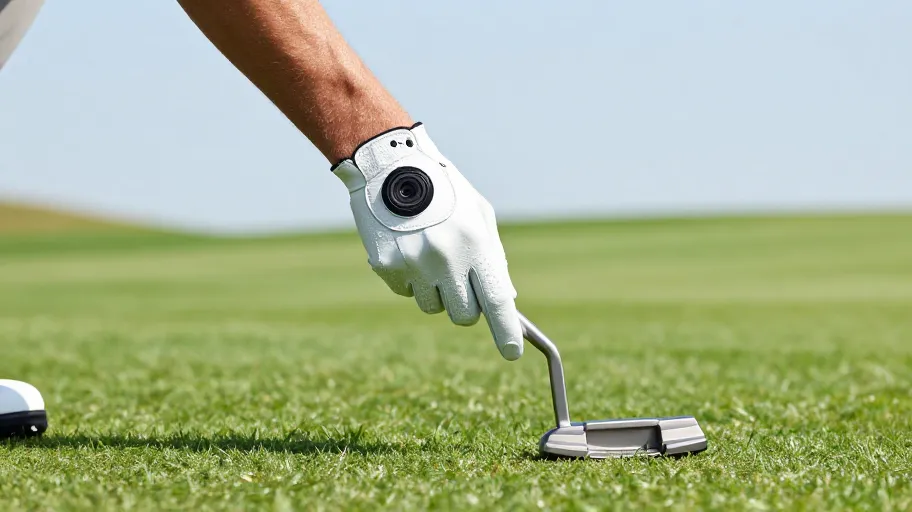
Start by analyzing your last 10 rounds using shot-tracking apps. Pinpoint weak areas: Is it putting distance control? Alignment on par 3s? Pick one core issue. Then choose targeted tech—like a smart glove with real-time grip feedback. Test over three rounds. Measure consistency and recovery success. Reassess every 90 days—because improvement isn’t static.
- Analyze shot patterns
- Identify friction points (e.g., grip, alignment)
- Select targeted tech (e.g., sensor-enabled glove)
- Validate with on-course performance data
- Iterate every 90 days
The DIY-Golf.com Framework speeds this with handicap-matched bundles—cutting setup time in half and removing selection bias. Build once, refine often, and watch confidence grow as fast as your scores fall.
Master Your Swing, DIY Your Fit. DIY Golf is the premier destination for the technical golfer. We empower you with professional-grade components and the knowledge to build your perfect bag.
Leave a Reply