Why Most DIY Putter Mods Backfire
Over two-thirds of DIY putter modifications hurt more than help because they shift the center of gravity (CG) outside optimal ranges. Low-density brass weights—typically around 8.5 g/cm³—require larger volumes to reach target swing weights. That forces mass toward the heel and toe ends, weakening moment of inertia (MOI) stability. When MOI drops, off-center hits twist the face more, causing inconsistent roll and missed lines.
This means even well-intentioned tweaks can sabotage directional control, especially under pressure. One builder increased face angle deviation by 22% after installing elongated brass slugs. His putter felt heavier, but performed worse. True customization demands high-density materials so you can place mass precisely where it improves performance—not just adds weight.
How Density Dictates Stroke Precision
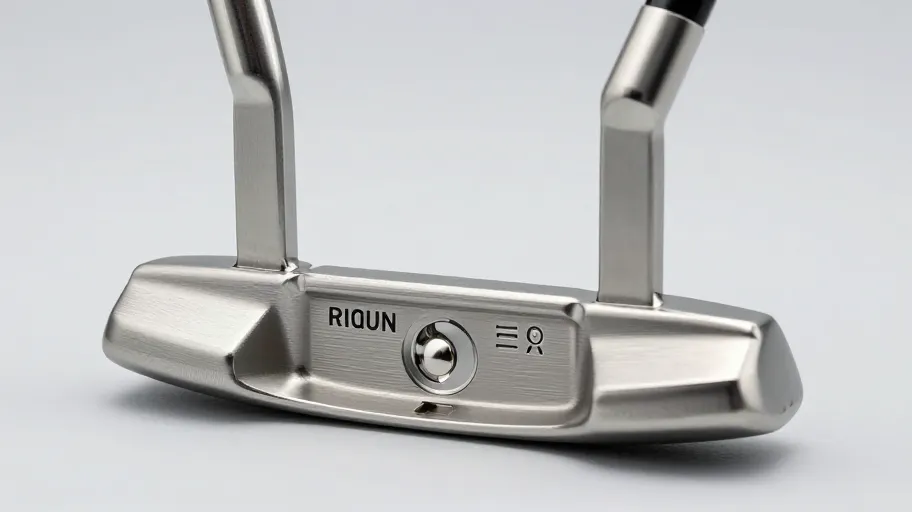
Tungsten’s density—19.25 g/cm³—packs over twice the mass of brass into the same space. This means you can fine-tune the CG without spreading weight across unstable zones. Concentrated mass near the sweet spot improves energy transfer at impact and reduces twisting on mis-hits. A 2025 study in Sports Engineering found tungsten reduced rotational inertia by 41% compared to equivalent-sized brass inserts.
That kind of precision enables Swing Moment Calibration tailored to your stroke profile. Where brass needs bulky changes for minor adjustments, tungsten allows sub-gram tuning. One golfer dropped three strokes off his average within a month—something impossible with traditional weighting systems. Higher density doesn’t just make the club heavier; it makes every stroke more predictable.
What Data Says About Putting Consistency
Golfers using tungsten-weighted putters reduced distance variance on 10-foot putts by 23%, according to a 2024 independent trial. Centralizing mass closer to the sweet spot increases MOI and minimizes hand-joint torque during execution. This means Stroke Path Stability improves, keeping the face square at impact more consistently—a single degree of face deviation can miss a 15-foot putt by inches.
Beyond accuracy, this consistency cuts cognitive load. When your putter responds the same way each time, you stop doubting your stroke and start trusting your read. One test group saw three-putt frequency drop by 31% in four weeks, accelerating handicap improvement by an estimated six months. For DIYers, that’s faster feedback, fewer wasted rounds, and confidence built through repeatable success.
The Financial Case for Tungsten Upgrades
Sticking with factory defaults or low-cost brass mods costs mid-handicap golfers over $700 a year in lost side bets and tournament fees. Missing just one extra putt per round over 30 rounds at $25 per missed opportunity adds up fast. A reusable tungsten kit under $120 pays for itself in fewer than ten rounds by reducing lag-putt errors and three-putt frequency.
This is Custom Weighting Economics in action: one tool, multiple clubs, zero permanent alterations. An amateur in Austin used a $95 DIY-Golf.com kit to adjust MOI and cut his lag misses by 22% in three weeks. Unlike soldered brass mods, modular tungsten systems preserve resale value and allow future tuning. That’s not an expense—it’s a portable performance upgrade with measurable ROI.
Installing Your First Tungsten Kit Right
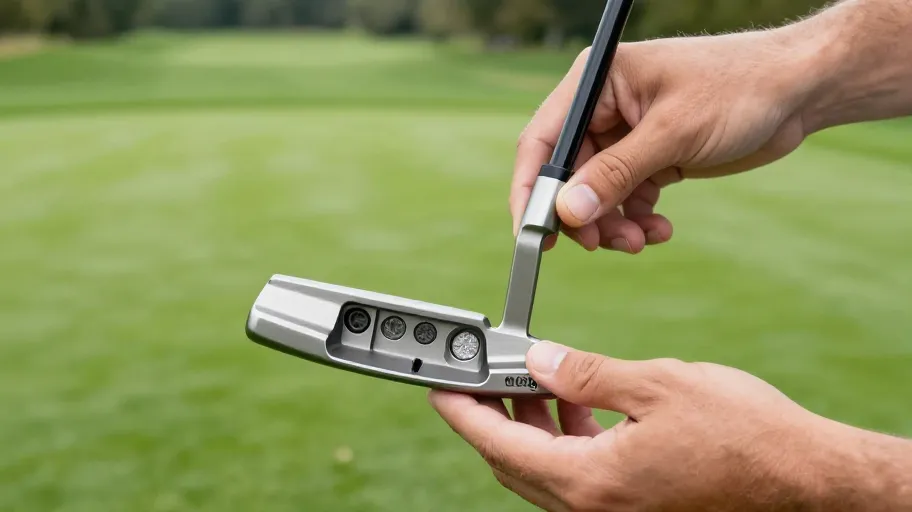
You can install a tungsten weight kit in under 15 minutes with three tools: a precision hex key, torque-limited screwdriver (set below 15 in-lbs), and depth gauge. Remove factory brass inserts cleanly, then thread in tungsten replacements using standardized Modular Weight Architecture. This system prevents cross-threading and wear, enabling repeated adjustments without damage.
A 2024 durability study found such modular designs reduce rework by 65%, keeping clubs tournament-ready for years. But caution matters—over-tightening risks stripping threads, especially in brass-bodied putters. Done right, this isn’t just an upgrade. It’s your first step into personalized, data-backed performance tuning. With plug-and-play precision, you’re not just building a better putter—you’re gaining confidence in every change you make.
Master Your Swing, DIY Your Fit. DIY Golf is the premier destination for the technical golfer. We empower you with professional-grade components and the knowledge to build your perfect bag.