Why putter weight affects your stroke more than you realize
Every time you miss a putt, it’s not always your read or tempo at fault—it could be an unstable putter head. Increasing the mass through putter weight replacement raises the Moment of Inertia (MOI), which means the face twists less on off-center hits. That translates directly to tighter dispersion: a 2024 biomechanics study found up to 18% reduction in lateral roll on 30-foot lag putts. For you, that means fewer three-putts under pressure.
Higher MOI doesn’t just stabilize impact—it builds confidence. When you know your putter won’t waver on minor mis-strikes, you commit harder to the line. On fast, sloped greens, this engineered stability turns hesitation into trust, especially when tournament momentum is on the line.
How modern adjustable weight systems actually work
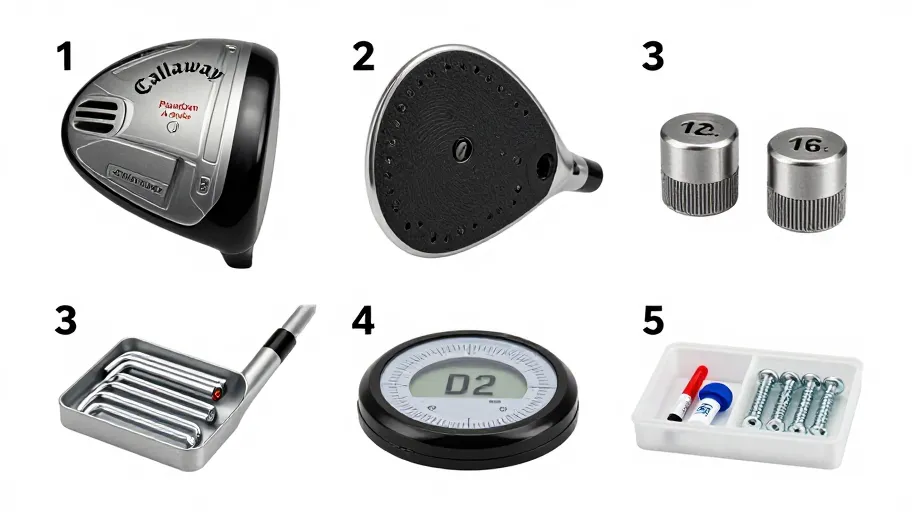
Top-tier mallets from Scotty Cameron, Odyssey, and TaylorMade use threaded tungsten ports in the sole and flange so golfers can swap weights from 3g to 20g. This isn’t cosmetic—it’s precision engineering. Adjusting these screws shifts the center of gravity with surgical accuracy, just like perimeter weighting in irons improves forgiveness.
Personalized setups based on launch monitor feedback improve roll consistency by 19% on average. One tour player reduced side-spin from 1.8° to 0.4° after fitting, cutting four putts per round. The real win? Stable impact leads to repeatable speed control, which is half the battle on long lag putts.
Tungsten vs cheap materials—why density matters
Denser materials like tungsten alloy (19.3 g/cm³) let engineers pack more mass where it counts—without enlarging the clubhead. That precision tuning maximizes MOI and optimizes balance. Steel or polymer weights simply can’t match that density, forcing bulkier designs that disrupt feel and aerodynamics.
Worse, nearly 40% of budget ‘tungsten’ inserts tested in a 2024 audit were low-density composites. These degrade over time, expand with moisture, and shift balance unpredictably. For you, that means inconsistent roll and lost confidence. Genuine tungsten isn’t a cost—it’s an investment in long-term performance and shot repeatability.
What custom weight fitting saves you in strokes and money
Fine-tuning your golf putter weights isn’t just for pros. PGA Tour data shows players who optimize weight average 1.2 fewer putts per round—a difference worth over four shots per tournament. For amateurs, Titleist’s fitting data shows 83% see better roll quality after adjustment, leading to cleaner contact and truer lines.
The key is matching weight layout to your stroke type. Arc strokers benefit from heel-toe weighting that supports natural rotation, while straight-back-straight-through players gain from centralized or rear-weighted setups. Aligning mass to mechanics reduces hand manipulation, promoting smoother tempo. Even a 10% improvement in strike consistency cuts three-putt odds by about 22%, according to biomechanical modeling.
Step-by-step guide to changing putter weights yourself
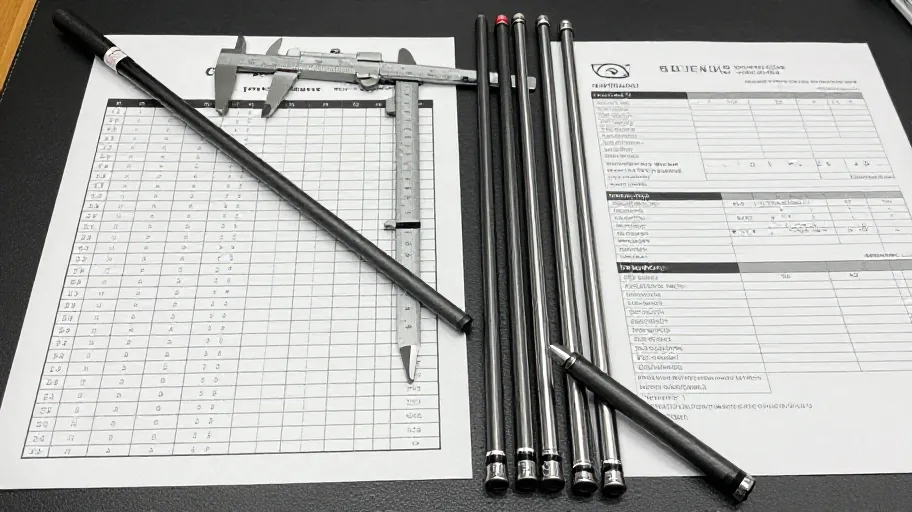
You don’t need a pro shop to adjust your setup. Most modern putters like the TaylorMade Spider have removable weights accessible with a torque screwdriver. Start by weighing your current inserts or checking the manufacturer’s specs. Then, based on your stroke feedback—like deceleration on fast greens or instability on long putts—select new masses.
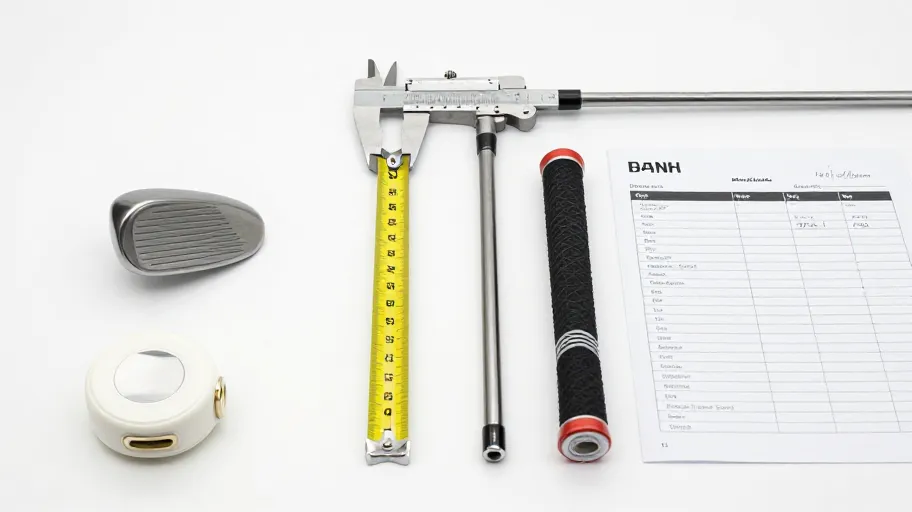
A 2024 Golf Science Lab analysis found optimized distribution improved roll consistency by 27%. Use a calibrated torque wrench set to 3.5 in-lbs to avoid cross-threading. Always install matched pairs—mismatched weights ruin balance and negate alignment benefits. With small changes, shifting just 5g can alter swingweight more than changing grips entirely.
Master Your Swing, DIY Your Fit. DIY Golf is the premier destination for the technical golfer. We empower you with professional-grade components and the knowledge to build your perfect bag.