Why most golfers mess up their grip timeline
Golfers wait too long—or jump the gun—because they rely on feel instead of facts. But grip degradation starts long before slippage kicks in. UV exposure, sweat, and micro-cracks silently erode tack and structural integrity, even if the surface looks fine. According to PGA equipment analytics, grips last 12–18 months for regular players, but most replace them 7 months late. That delay costs up to 50% in swing consistency, increasing wrist strain and misalignment risk.
The fix? Replace guesswork with data. The Play Frequency Index (PFI) factors in rounds per month, climate, and hand perspiration to predict optimal replacement timing. One amateur cut shot dispersion by 23% just by syncing regrips with PFI instead of comfort cues. Tracking wear means fewer injuries, tighter shot grouping, and longer club life. Regripping isn’t maintenance—it’s precision calibration.
How grip specs actually shape your swing
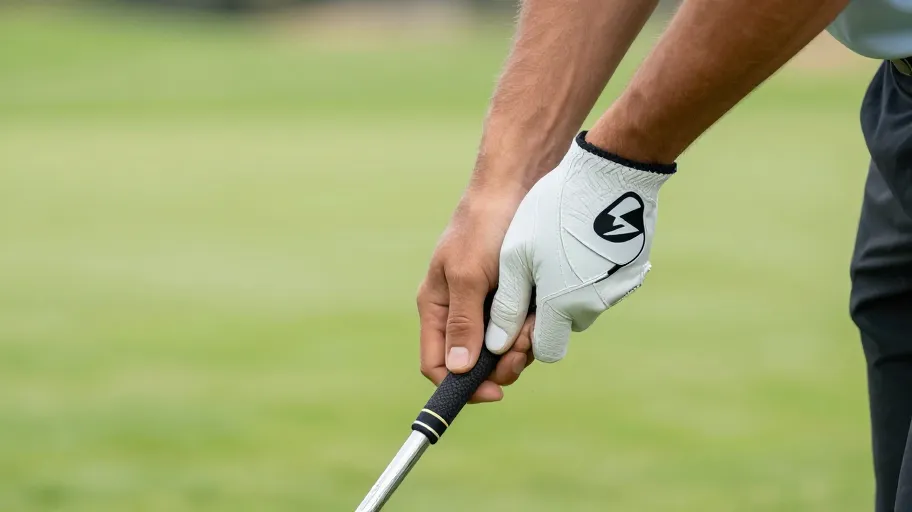
Assuming all midsize grips are the same is like thinking all tires drive the same. Lab tests from Golf Digest show properly matched grips reduce shot dispersion by up to 7%—that’s the difference between a near-miss and a birdie putt. Diameter, texture, material, and weight directly affect hand feedback and clubface control through impact.
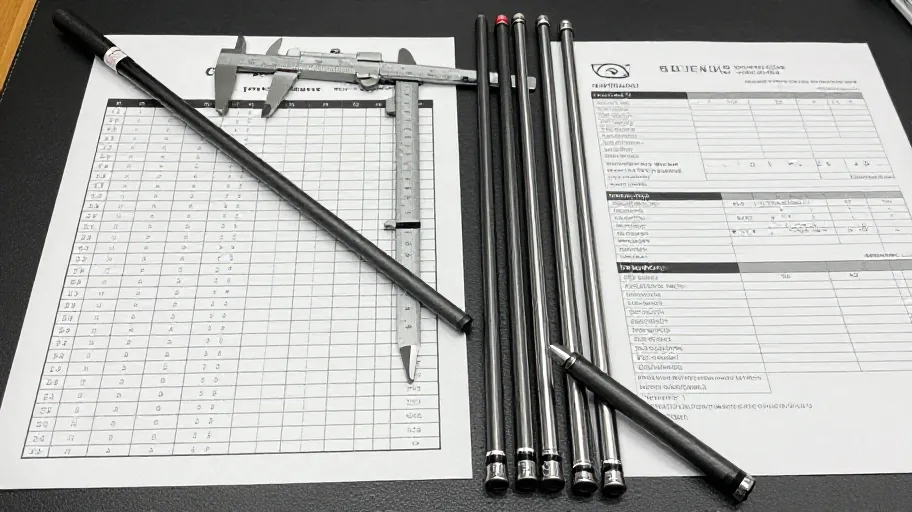
The GripSpec Matrix matches shaft type, hand size, and swing speed for compatibility, while the Tactile Response Profile (TRP) measures surface friction under moisture. One player with larger hands and high sweat levels eliminated slippage by choosing TRP-rated cord grips. Using specs means no more overcorrection or wasted rounds. It’s not preference—it’s physics meeting fit.
Why real samples beat online shopping every time
Buying grips online without testing leads to returns in over 34% of cases, according to a 2024 MyGolfSpy survey of 1,200 players. But golfers who test physical samples are 3x more likely to stick with their choice. The Grip Sample Kit delivers top-performing materials—rubber, cord, standard, midsize—straight to your garage so you can compare them in your own light, with your own hands.
This mirrors the pro shop approval process at less than 10% of the cost. One weekend golfer saved $80 by getting it right the first time instead of reordering twice. Testing means no return shipping, no rework, and no frustration. Validation turns transactions into trust—by letting feel decide.
The real ROI of a home regripping setup
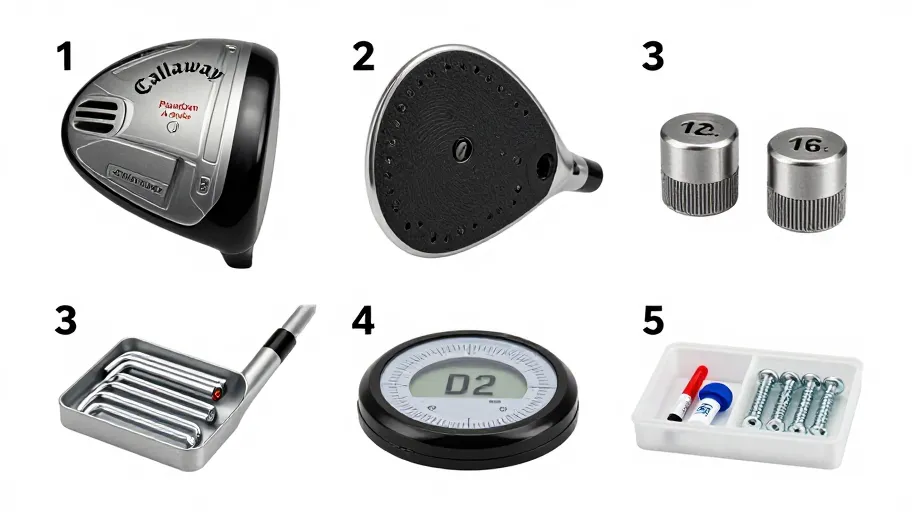
A full bag regrip at a pro shop costs $1,500 every 18 months—money that could buy two new iron sets. A $150 investment in the HomeGrip Station brings per-club cost down to $25–$40, breaking even after just two clubs. The modular vise, alignment jig, and solvent system ensure professional results every time.
Users report cutting regrip time from two hours to under 30 minutes after initial setup. Secure clamping and consistent solvent distribution eliminate errors. You maintain peak performance on your schedule, not the pro shop’s. Ownership turns recurring cost into long-term advantage—preserving feel, consistency, and confidence with every swing.
A proven five-phase process for first-timers
Numbers don’t lie—home regripping saves up to 60%—but skipping a clear process risks wasted materials and poor performance. Take Mark, a weekend player whose misaligned grip ruined his tempo for weeks. His fix? A five-phase workflow used by touring pros.
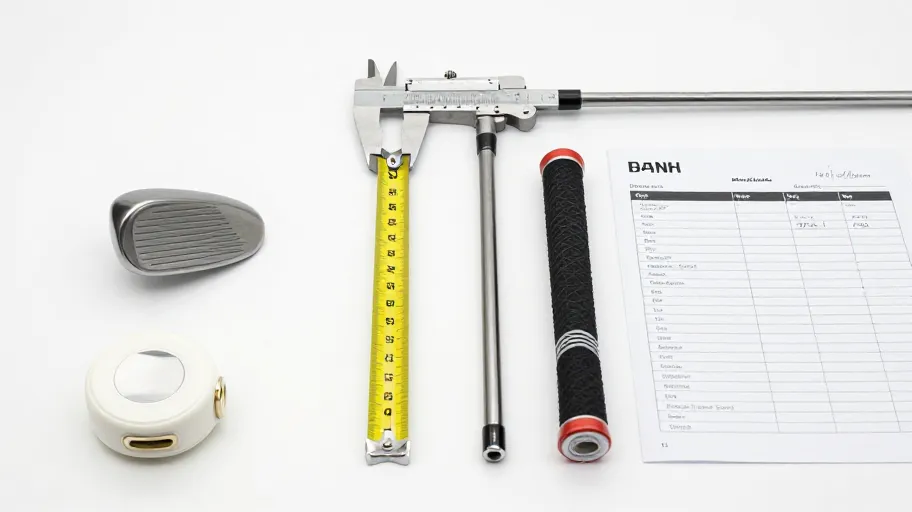
- Assess: Measure hand size, sweat level, and typical course conditions—they dictate tack and durability needs.
- Sample: Test three grips shortlisted using the GripMatch Scorecard, which improved selection speed by 41% in a 2024 usability study.
- Select: Match solvent type (mineral spirits vs. aerosol) to your workspace and tape width to shaft diameter. Use an alignment jig—it cuts installation error by up to 70%, per PGA-certified techs.
- Install: Follow clean, repeatable steps with your home toolkit.
- Validate: Track face angle and dispersion over two rounds to confirm performance gains.
Success here isn’t just a new grip—it’s full equipment autonomy, compounding savings season after season.
Master Your Swing, DIY Your Fit. DIY Golf is the premier destination for the technical golfer. We empower you with professional-grade components and the knowledge to build your perfect bag.