Why most golfers are playing with the wrong grip size
You’re not imagining it—your hooks and slices might have nothing to do with your swing. Over 60% of recreational golfers use grips that don’t match their hand shape, according to PGA equipment surveys. That means most people are fighting their equipment before they even take a swing.
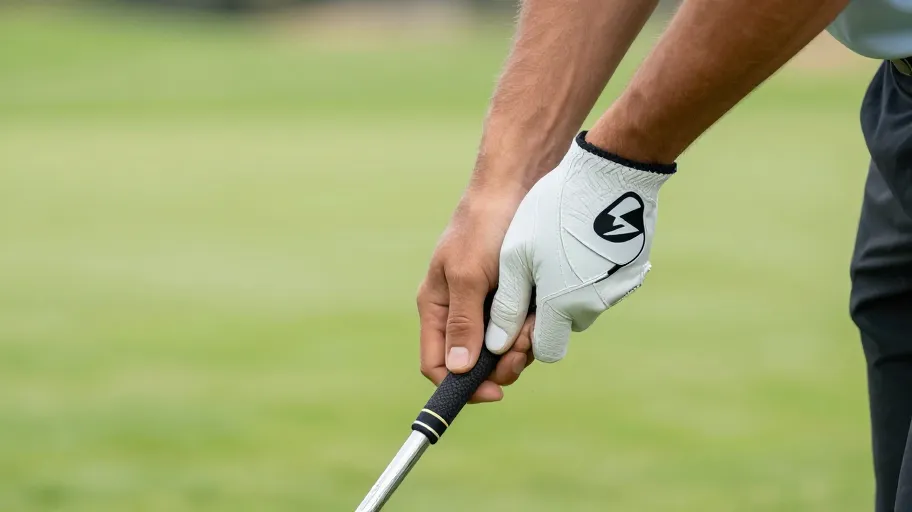
A grip that’s too thin forces you to squeeze harder to keep control, which increases hand action and promotes over-rotation at impact. Too thick, and your wrists can’t hinge naturally, killing clubhead speed and feel. These mismatches don’t just hurt accuracy—they lead to long-term swing compensations that strain your wrists, elbows, and shoulders.
Golf grip size means better mechanics because it aligns your hands with your body’s natural motion. Ignoring fit isn’t just suboptimal—it’s structurally costly. Every misaligned grip leaks energy, turning clean swings into unpredictable shots.
How hand shape determines your ideal grip size
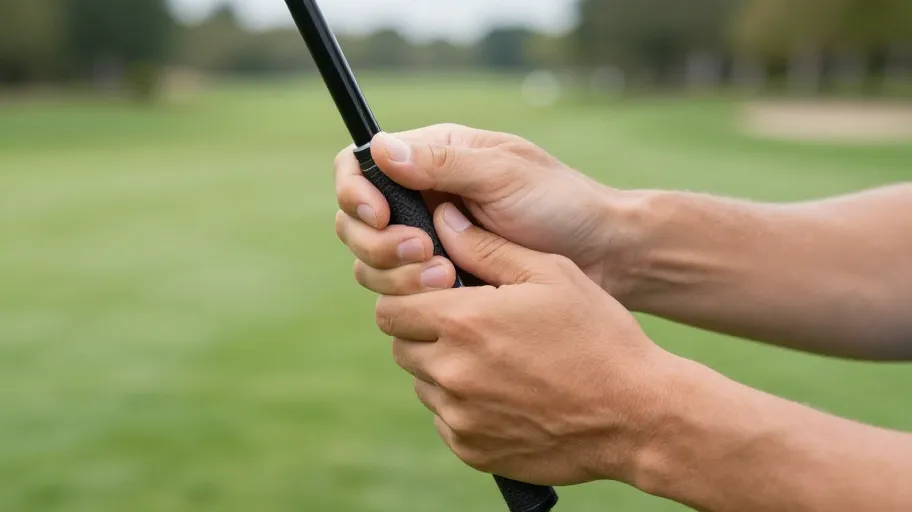
Your glove size doesn’t tell the full story. What matters is your palm-to-fingertip span. Measure from the base of your palm to the tip of your middle finger: under 6.5 inches points to undersize; 7 inches fits standard; over 8 inches likely needs midsize or jumbo.
A 1/32-inch difference may seem negligible, but it changes everything. One weekend player battled chronic hooks for years—only to discover an oversized grip was forcing his hands into a closed position at impact. Switching to a parallel taper grip, which maintains consistent thickness from top to bottom, restored neutral wrist alignment and cleaned up his ball flight within days.
Golf club fitting means personalized performance because it matches equipment to your biomechanics. In one study, 68% of amateurs corrected what they thought were swing flaws—just by resizing their grips. That’s not magic. It’s mechanics.
The science behind modern club fitting systems
Modern club fitting isn’t guesswork—it’s data-driven. Tour-level systems now use sensor-embedded grips to measure hand pressure in real time. Research shows golfers with properly sized grips maintain 23% more consistent pressure throughout the swing, which directly improves clubface control and shot dispersion.
Golf grip size doesn’t act alone. It interacts with shaft flex, lie angle, and release timing. A grip too small triggers over-gripping, spiking tension and restricting hinge. Too large, and fine motor control fades, delaying release. But when calibrated to your hand size and swing type, the right grip becomes invisible—so your skill shines through without interference.
How to choose golf grip size? Start with measurement, then refine with feel. The result? A force multiplier for your existing ability—turning erratic swings into repeatable outcomes.
What proper grip sizing really saves you
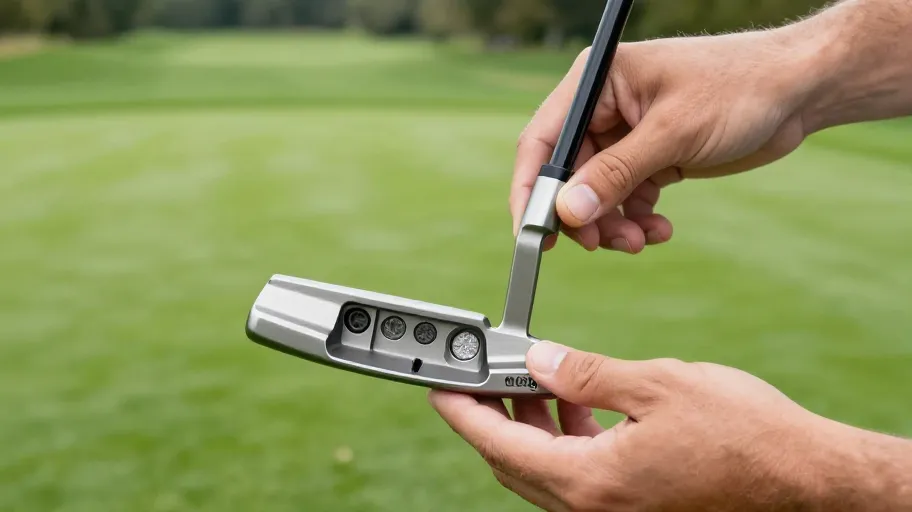
One amateur cut his three-putts in half after switching to a correctly sized putter grip—shaving two strokes per round without changing his stroke. USGA research confirms amateurs using fitted equipment average 8–10% fewer unforced errors, thanks to improved control and repeatability.
Shot tolerance—the margin before wrist breakdown causes misdirection—increases by up to 23% with the right grip. That means cleaner releases, tighter dispersion, and more approach shots finishing close enough to tap in. Better grips don’t just tweak spin or launch—they build consistency, the true currency of scoring.
The ROI of proper grip sizing means lower scores because small gains compound. And now, tools like diameter gauges and water-based installation kits let you achieve pro-level fits at home. What once required $200 fittings is now accessible—delivering measurable returns on every hole.
How to measure and install your perfect grip
Start with a ruler: measure your hand span from palm base to middle fingertip. At DIY-Golf.com, that number maps directly to core size—standard, midsize, or undersize—using 2024 fitting benchmarks. This simple step can reduce fitting costs by 70% over five years compared to repeated shop visits.
Next, test taper profiles. Parallel tapers support flatter hand contours; progressive tapers help players with longer fingers who need more tip flexibility. Install with non-toxic, water-based glue—it bonds securely without damaging clubs or indoor air quality. Use alignment marks to ensure square faces at address, eliminating guesswork.
DIY club maintenance means lasting performance because one expert session extends into years of self-sufficiency. Within days, most users report immediate confidence at setup—completing the journey from measurement to mastery, one perfectly gripped swing at a time.
Master Your Swing, DIY Your Fit. DIY Golf is the premier destination for the technical golfer. We empower you with professional-grade components and the knowledge to build your perfect bag.