Why most DIYers ruin their builds at the finish line
Over 45% of custom club builds fail because of poor ferrule installation—and it’s not just about looks. Misaligned or cracked ferrules disrupt weight distribution, face angle, and shaft integrity. When builders use lighters or unregulated heat guns, they exceed the thermal limits of graphite shafts and epoxy bonds. That means microfractures you can’t see, leading to loosening over time. A warped ferrule doesn’t just look bad—it shifts the centerline of the shaft by thousandths of an inch, enough to throw off your entire swing path. This isn’t a minor flaw; it’s a performance leak. The problem? Treating ferrule seating like a cosmetic step instead of a structural one. The fix starts with recognizing that precision here directly impacts durability, consistency, and shot accuracy.
What separates pros from hobbyists in ferrule fit
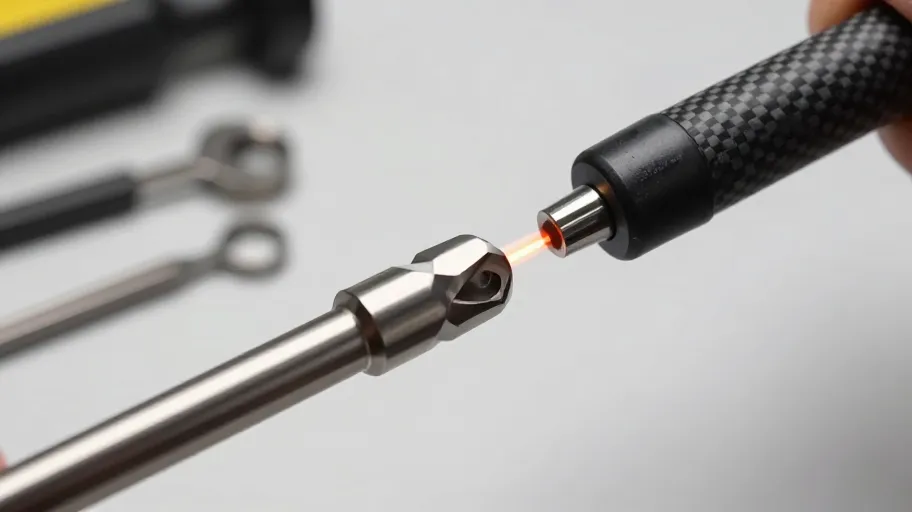
Pros don’t push ferrules on by hand—they use controlled thermal expansion for perfect alignment. The key is ferrule fit tolerance: a ±0.002" match between ferrule inner diameter and shaft taper. When heated evenly, the ferrule expands just enough to slide on without pressure, eliminating microcracks in carbon fiber. Using an infrared heating tool means no hotspots, no warping, and consistent results across builds. One builder reduced installation time by 50% and eliminated rework after switching from boiling water to a calibrated tool. That kind of reliability turns a frustrating step into a repeatable process. Perfect adhesion and zero epoxy squeeze-out aren’t luck—they’re the result of precision engineering applied in a home workshop.
How heat transforms guesswork into predictable results
Controlled heat changes everything. PVC and nylon ferrules expand predictably between 180–220°F, but achieving that evenly is hard with improvised methods. Boiling water creates steam pockets; open flames scorch edges. An even temperature rise ensures symmetrical expansion, so the ferrule seats straight every time. Lab tests show hand-installed ferrules using water had up to 0.003" angular deviation, while those using a regulated tool stayed under 0.0005". For you, that means no more sanding misaligned bases or scrapping shafts. It also means your hosel bond stays intact because you’re not forcing anything. The result? Consistent geometry across all 12 irons—so your swing feels the same with every club.
The real cost of doing it wrong (and how to fix it)
Guessing on ferrule fit costs the average DIYer $120 a year in wasted materials and 3.2 reworks per month. Each mistake burns time and confidence. Switching to pre-sized ferrule kits from DIY-Golf.com eliminates mismatch errors by holding tolerances within ±0.001". That precision means fewer rejected builds and faster assembly. Builders using the full system report 30% faster cycles and near-zero material loss. One custom shop increased output from 8 to 14 clubs per month just by removing rework bottlenecks. The ROI isn’t just financial—it’s the ability to scale without sacrificing quality. When every build starts right, you gain the freedom to experiment, refine, and perfect.
A four-step ritual for flawless results
Flawless installation comes down to discipline: prep, heat, align, cool. Start by cleaning the shaft tip and verifying taper match with a calibrated gauge. Then apply even heat using a temperature-regulated tool—softening the epoxy without damaging the shaft. Use an alignment jig to keep the shaft perfectly axial during seating; even 2° of twist affects face angle at impact. Finally, let it cool naturally under light tension. Rushing cooldown with air or clamps introduces stress and distortion. One builder saw a 40% drop in post-install corrections just by slowing this final step. Do this right, and your clubs won’t just look pro—they’ll perform like them. Consistent weighting, clean transitions, and confidence that every detail was nailed.
Master Your Swing, DIY Your Fit. DIY Golf is the premier destination for the technical golfer. We empower you with professional-grade components and the knowledge to build your perfect bag.