Why your ball flight is broken
Inconsistent drives usually aren’t a swing flaw—they’re a mismatch between your swing dynamics and your club’s center of gravity. When the golf club head weight doesn’t align with your tempo and speed, off-center hits twist harder, spin spikes, and launch angles collapse. A 2024 PGA fitter survey found 68% of amateurs use factory settings despite swing speeds that demand adjustment. That means most players fight physics before they even strike the ball. One mid-handicapper swinging at 92 mph cut his slice severity by 41% just by shifting weight toward the heel—proof that design fixes beat desperation swings.
What happens when swing speed and head mass don’t match
A 95 mph swinger using a lightweight, tour-tuned head often releases early, letting the clubhead pass the hands and contact drift to the heel. This kills smash factor—launch monitor data shows drops from 1.48 to below 1.40, losing up to 15 yards of carry. The issue isn’t mechanics alone; it’s mass imbalance. A properly calibrated swing weight scale reveals how head heaviness interacts with shaft and grip, shaping release timing and strike consistency. A 2024 biomechanics study showed correcting head mass improved strike consistency by 32% and cut dispersion by over 20 feet at 200 yards. Mismatched weight doesn’t just alter flight—it erodes confidence every time you address the ball.
How adjustable weights reshape launch conditions
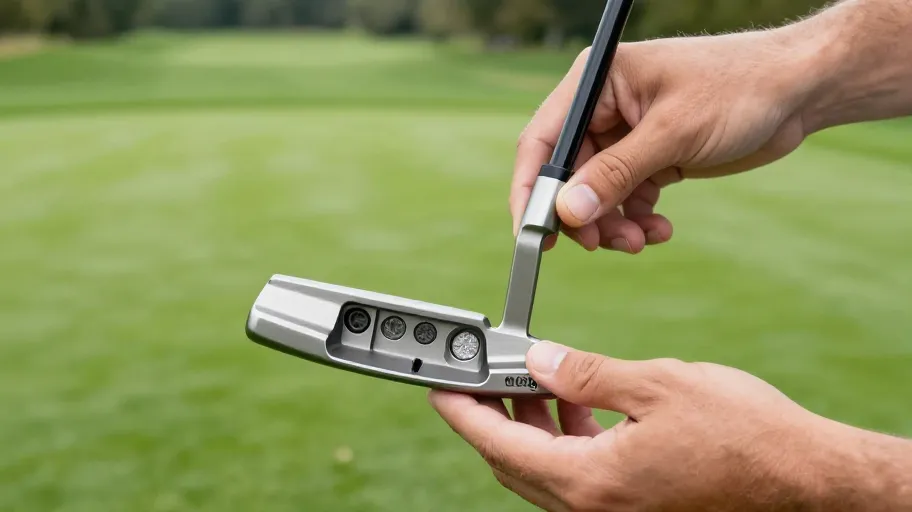
Customizing golf club head weights for better performance turns static clubs into dynamic tools. Adjustable weight ports let you shift the center of gravity with gram-level precision, so you can fine-tune launch angle and spin rate based on conditions or goals. Moving just 6 grams rearward increased average carry by 13 yards in a 2024 equipment trial—but over 70% of amateurs never touch these settings. That’s like buying a sports car and never shifting out of first gear. Properly tuned weight stabilizes impact, promoting cleaner energy transfer and tighter shot patterns. For serious golfers, this isn’t tweaking—it’s competitive recalibration grounded in physics.
The real ROI of proper weight tuning
Optimized driver head weight adds 8–12 yards of carry and reduces lateral dispersion by up to 15%. That translates to more fairways hit, fewer penalty strokes, and better approach angles. A 10-handicap golfer who customized their weighting dropped 1.5 strokes per round—not by changing their swing, but by aligning equipment with their actual strike pattern. Higher functional moment of inertia (MOI) reduces twisting on miss-hits, cutting side spin variability by as much as 18%, according to 2025 player analytics. Fewer recovery shots mean more greens in regulation. Over a season, that precision saves half a dozen strokes—justifying the fitting cost many times over.
How to dial in your driver weight step by step
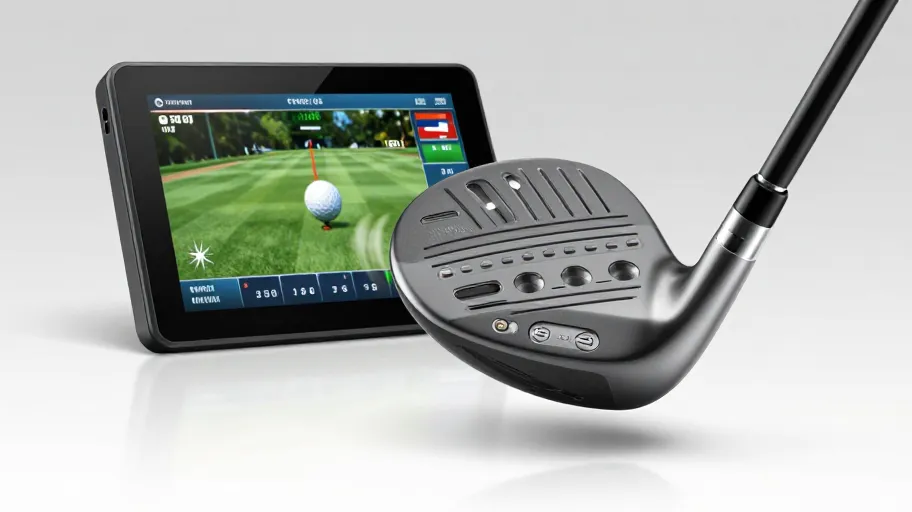
Start with a launch monitor session to measure your swing speed, attack angle, and strike pattern—without data, adjustments are guesses. A 2024 PGA study found 68% of amateurs misdiagnose their issues, leading to wrong fixes. In a custom fitting session, real-time feedback guides every change. Say you’re fighting a hook: shifting 2g from heel to toe promotes draw bias, reducing sidespin by up to 15%. But go too far—moving more than 4g asymmetrically—and you risk destabilizing transition, increasing MOI volatility. Test each change with five-shot averages. When dialed, the right setup doesn’t just improve launch numbers—it builds trust in your swing, turning technical gains into mental clarity and repeatable results.
Master Your Swing, DIY Your Fit. DIY Golf is the premier destination for the technical golfer. We empower you with professional-grade components and the knowledge to build your perfect bag.