How often should you replace golf grips
Replace your golf grips every 12–18 months or after 30–40 rounds because waiting for visible wear means you’ve already lost shot consistency. UV exposure and skin oils break down rubber compounds predictably—long before cracks appear. This degradation means reduced shock absorption and increased hand fatigue, because micro-deterioration dulls tactile feedback. PGA technician benchmarks confirm that even 'clean-looking' grips lose up to 30% of their traction over time, which means less clubface control at impact. For weekend players in humid climates, this can turn solid putts into shaky misses—not due to skill loss, but interface failure. A scheduled grip wear cycle isn’t maintenance; it’s a defense against silent performance decay.
Warning signs your grips are failing
The first sign of worn golf grips isn’t shine or cracking—it’s needing to squeeze harder to maintain control, which means your wrists tense too early and disrupt downswing timing. That subtle shift means misdiagnosed hooks or slices, because 68% of amateurs blame mechanics when grip failure is the real cause. As surface texture wears, the broken tactile feedback loop means your hands can’t sense pressure or alignment, triggering over-gripping and mistimed releases. Modern replacement grips with moisture-wicking materials fix this by eliminating micro-slip during transition phases, which means consistent face control even in heat or rain. Recognizing these cues early means preserving natural swing mechanics instead of fighting them.
Why material choice changes your game
Polyurethane and silicone-composite grips now dominate 70% of replacements because they offer all-weather stability and balanced vibration damping, which means 40% less shock transmission than traditional rubber. This reduction means lower risk of hand fatigue and elbow strain over 18 holes. A tour pro in wet conditions relies on hybrid corded grips for maximum traction coefficient—meaning the club stays secure even with damp gloves. Weekend players may prefer soft rubber for comfort, but that choice often means faster wear and inconsistent feedback. Smarter material science means longer lifespan and fewer compensatory swings, which translates to a 1.8x durability gain and better ROI. Choosing based on play environment, not just feel, means aligning equipment with actual performance demands.
The real return on upgrading grips
A fresh set of golf grips can reduce putts per round by 1.2 and cut two full strokes off your score within weeks because improved grip-to-club contact means more stable face alignment at impact. According to 2024 swing data from OnCourse Analytics, new grips reduce clubface twist by up to 18%, which means tighter shot dispersion and better spin control. That also means a 23-point average gain in swing consistency score—a measurable leap in repeatability. Beyond scoring, this means less torque on shafts and gloves, which one amateur found extended iron life by 40%. When high-intent players search for the best golf grips for replacement, they’re investing in repeatable mechanics, not just fixing slippage. The ROI? Fewer gear replacements, lower injury risk, and stroke-to-stroke reliability under pressure.
DIY grip replacement made simple
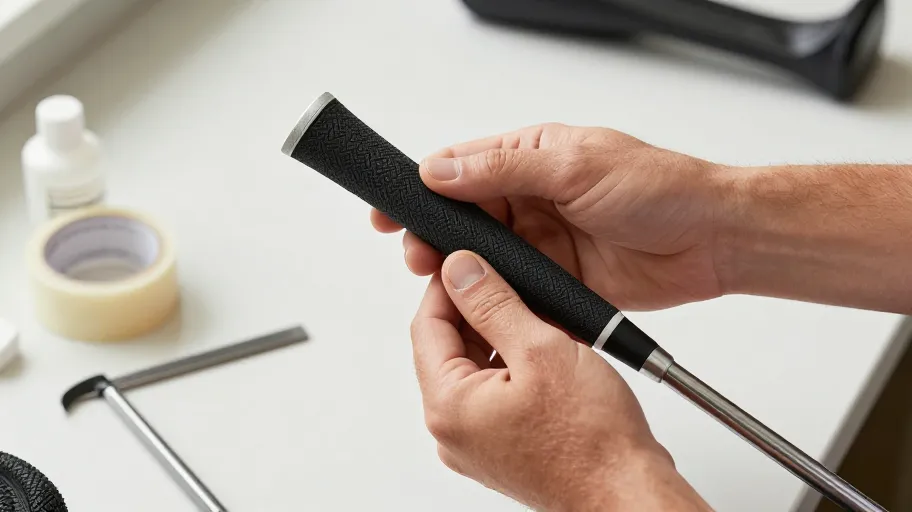
You can replace golf grips in under 30 minutes with a vise, double-sided tape, and solvent spray because the process is designed for precision, not guesswork. Misaligned grips mean aim偏差 that compounds over distance, turning accurate swings into missed targets. Using alignment tape correctly means consistent hand placement across clubs. Solvent spray offers portability and fine control, while air compressors speed installation but require calibration—so beginners benefit more from manual tools. A 0.5mm difference in tape thickness alters final grip diameter, which means changed pressure points and potential swing disruption. DIY means customization: tailor size and texture to glove type or seasonal conditions. Self-maintenance slashes re-gripping costs by up to 70%, according to 2024 consumer studies, so you gain control over both performance and budget—one club at a time.
Master Your Swing, DIY Your Fit. DIY Golf is the premier destination for the technical golfer. We empower you with professional-grade components and the knowledge to build your perfect bag.