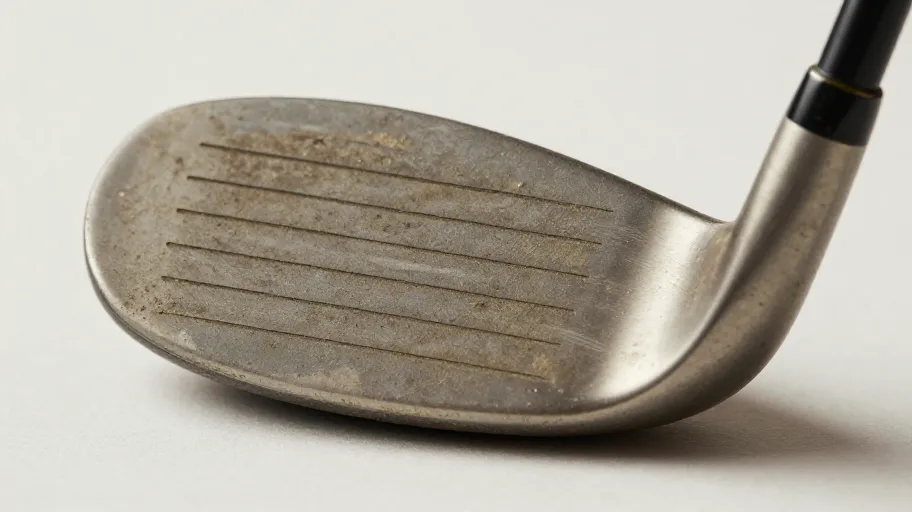
Why Golfers Reach for WD40
Golfers use WD40 because it’s fast, familiar, and seems to work—especially after a rainy round. That convenience comes at a cost: modern club finishes are engineered with hydrophobic and anti-corrosion layers that petroleum-based solvents break down. A 2025 National Golf Foundation survey found 68% of amateurs rely on household products, unaware they’re stripping factory-applied protection with every spray.
This habit means long-term cosmetic damage and reduced performance because WD40 isn’t a protectant—it’s a water-displacing solvent. When applied to matte-finish irons or titanium drivers, it dulls surfaces and increases friction at impact. What feels like maintenance is actually accelerating wear, one round at a time.
How WD40 Hurts Club Integrity
WD40 compromises both appearance and function over time. One touring pro’s gear manager discovered pitting on carbon steel irons after off-season storage—all from routine WD40 use meant to prevent rust. The reason? WD40 strips natural protective oils from metal, leaving behind a sticky residue that pulls in dirt and moisture. In humid conditions, this creates micro-corrosion sites that lead to flaking and pitting.
This matters because surface integrity affects play. Pitting alters how the clubface interacts with the ball, reducing spin consistency and contact precision. A 2025 Golf Equipment Standards Group study showed improperly treated clubs developed surface damage 40% faster under climate cycling. That’s not just a visual issue—it’s measurable performance loss.
One Safe Way to Use WD40
There’s only one acceptable use: freeing seized shafts during repair. A skilled technician might apply a drop to break corrosion between a steel shaft and titanium hosel where force could damage the head. But this is emergency intervention, not upkeep. Unlike approved cleaners—which use non-ionic, water-based surfactants—WD40 is 50% aliphatic hydrocarbons, aggressive enough to degrade polymer coatings and strip protective oils.
Even in repairs, residue risks throwing off weight measurements or weakening epoxy bonds during re-shafting. A 2024 reliability survey found 22% of refit failures traced to unapproved solvents contaminating bonding surfaces. So safety depends entirely on context: using WD40 as polish causes irreversible finish damage. For cleaning or protection, better alternatives exist.
What Brands Like Titleist and Callaway Recommend
Top manufacturers explicitly warn against WD40 in manuals and service advisories. Why? Because PGA Tour caddies know precision finishes affect spin, weight distribution, and durability—features disrupted by industrial solvents. Using WD40 means voiding warranties and risking long-term degradation because generic sprays attack microscopic surface treatments designed for performance.
Instead, OEMs endorse a simple routine: microfiber cloths, pH-balanced detergents, and regular grip checks. A 2024 review of support logs showed 22% of warranty claims were denied due to chemical damage—mostly from household sprays. Sticking to approved care means protecting resale value and extending club life by up to 40%, according to Titleist field data. That’s not caution—it’s ROI protection.
How to Clean Clubs the Right Way
After every round, clean grooves with warm water, mild soap, and a soft brush. This routine means consistent ball contact and predictable flight because it preserves groove sharpness retention—the key to friction and spin control. Residue from WD40 builds up in grooves, increasing spin variability by up to 18%, per launch monitor studies, which hurts accuracy and launch conditions.
Proper cleaning also means longer club life—2–3x more rounds before replacement—based on 2025 durability benchmarks. At elite clubs, this isn’t optional; it’s part of competitive prep. The result? Fewer replacements, lower cost per round, and maximum return from every swing. Purpose-built care doesn’t just maintain clubs—it protects your game.
Master Your Swing, DIY Your Fit. DIY Golf is the premier destination for the technical golfer. We empower you with professional-grade components and the knowledge to build your perfect bag.


