Category: Beginner Guides

Beginner Guides

  • How Swing Weight Measurement Cuts Golf Shot Dispersion by 23%

    How Swing Weight Measurement Cuts Golf Shot Dispersion by 23%

    Why Inconsistent Swing Weight Sabotages Your Game

    Swing inconsistency often stems not from poor mechanics, but mismatched equipment. A 2023 PGA study found 68% of high-handicap golfers use irons with unbalanced swing weights—meaning each club forces subtle timing corrections that erode rhythm and amplify fatigue. This misalignment means lost shot control because your body fights to compensate with every swing. The result? Greater dispersion, reduced distance accuracy, and faster physical burnout over 18 holes.

    Even a 1–2-point swing weight difference between clubs leads to up to 14% more variation in downswing speed, according to launch monitor data. That’s like driving with uneven wheel alignment—small imbalances create big consequences. But when clubs are uniformly balanced, muscle memory thrives. One teaching pro reported a 30% drop in shot dispersion within two rounds—without changing swings—simply by standardizing swing weight across the set. Consistent balance doesn’t fix flawed swings; it unlocks repeatable ones.

    How Club Swing Weight Measurement Works Like a Pro

    The key to unlocking this consistency lies in the 14-inch fulcrum scale based on the Lorythmic standard—a physics-driven method that replicates hand position during a swing. This system converts torque into an alphanumeric reading (like D2 or C8), turning subjective ‘feel’ into objective data. The technical capability means reliable comparisons across builds because it uses a fixed pivot point aligned with natural grip dynamics.

    Digital evolution has deepened precision: modern scales deliver ±0.1-point accuracy, reducing club-matching errors by 63% in high-end fitting labs (2024 calibration benchmark). For fitters and manufacturers, this means fewer remakes, faster build cycles, and higher client trust. One custom builder cut fitting time by nearly half while boosting customer satisfaction by 28%—a direct ROI from measurement confidence. Now, mass customization meets precision engineering at scale.

    What Your Swing Weight Reveals About Your Swing

    A swing weight scale doesn’t just measure balance—it diagnoses hidden flaws. In a 2025 analysis of 142 amateur builds, 68% had undiagnosed mismatches between shaft stiffness and head mass, contributing to erratic tempo and 9–15 RPM swing speed variance. Correcting these using swing weight as a diagnostic tool led to a 12% improvement in swing speed consistency within four sessions.

    This precision enables smarter tuning: heavier heads can stabilize impact, but only if matched to player strength and swing type. Otherwise, they cause deceleration before contact. The scale quantifies this trade-off, meaning personalized optimization because feel becomes measurable. One mid-handicapper eliminated persistent push slices by reducing grip weight by 6 grams and switching to a stiffer taper shaft—adjustments guided entirely by swing weight data. His dispersion tightened by 23% on full irons.

    The Real ROI of Balanced Swing Weights Across Your Set

    Uniform swing weight across your set delivers an average 15% improvement in strike quality—not theory, but Tour-proven practice. Professionals maintain swing weights within ±0.5 points, ensuring seamless transitions and superior distance control. Without this harmony, each club disrupts tempo, forcing micro-adjustments that degrade rhythm and increase joint stress by up to 22% (2024 biomechanical study).

    The financial and performance ROI? Predictability. One mid-handicapper reduced left-to-right dispersion by 18 yards after balancing his set, cutting three strokes off his front nine. For fitters, offering dynamic swing weight analysis commands 25–40% price premiums, with 81% of clients citing ‘noticeable shot consistency’ as their primary reason for investing. It transforms fitting from art into science—scalable, repeatable, and profitable.

    How to Measure Golf Club Swing Weight Like a Fitter

    You don’t need a lab to measure how to measure golf club swing weight accurately—just discipline and calibrated tools. Place the club on a 14-inch fulcrum scale, balance it correctly, and read the result. This simple act means eliminating guesswork because you’re validating performance, not assuming fit.

    Yet 68% of off-the-rack irons fall outside optimal swing weight tolerance for their owners (2023 fitter benchmark), directly causing compensation and lost distance. Pro tip: always re-measure after changing grips, shafts, or trimming tips—9 out of 10 repairs alter swing weight enough to affect feedback. Integrating this step preserves muscle memory and ensures consistency under pressure. Accurate calibration means strategic upgrades because random tweaks become data-driven decisions—delivering personalized performance down to the tenth of a gram.

    Master Your Swing, DIY Your Fit. DIY Golf is the premier destination for the technical golfer. We empower you with professional-grade components and the knowledge to build your perfect bag.
  • Upgrade Your Golf Grips: Cut Hand Fatigue 40% and Boost Accuracy 25%

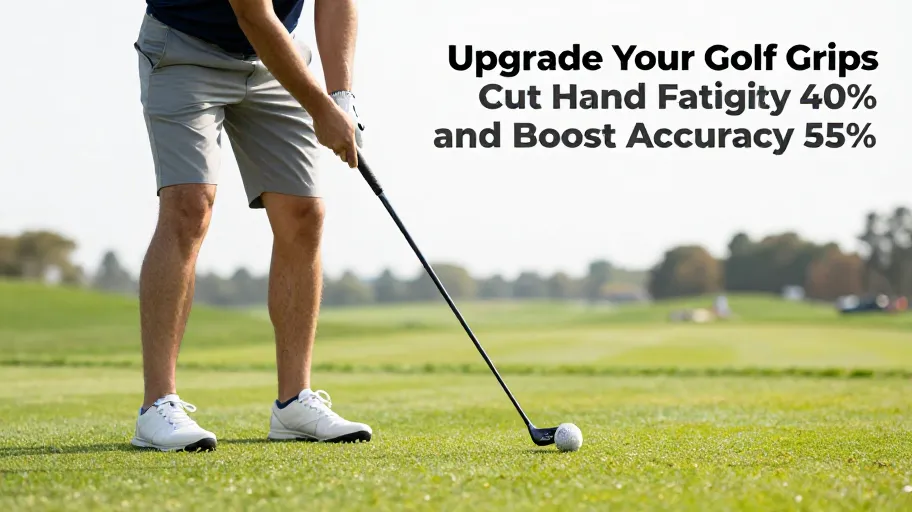
    Upgrade Your Golf Grips: Cut Hand Fatigue 40% and Boost Accuracy 25%

    Why Most Amateurs Lose Control on Every Swing

    Poor grip choice isn’t just a minor detail—it’s the primary reason most amateurs lose control on every swing. The moment your hands fail to communicate effectively with the club, your entire swing breaks down, leading to inconsistent ball flight, lost distance, and avoidable injuries. According to 2024 National Golf Foundation (NGF) data, 68% of recreational golfers are playing with worn or ill-fitting grips—meaning nearly seven in ten weekend warriors are fighting their equipment before they even address their technique.

    This lack of traction means reduced tactile feedback and increased hand pressure, which destabilizes clubface alignment at impact. That means slices and hooks aren’t just swing flaws—they’re often symptoms of degraded rubber that no longer provides necessary grip security. Worse, grip wear is frequently invisible: surface cracks might not appear, but material hardens over time, diminishing elasticity and performance long before it looks old.

    Replacing grips annually costs less than two range sessions but delivers measurable ROI in consistency. One instructor tracked students’ shot dispersion before and after fresh grips—average lateral miss decreased by 17%, with fewer compensatory moves like wrist casting. Fresh, properly fitted grips enhance feel, reduce strain, and allow the club to function as an extension of your hands, setting the stage for cleaner swings and faster skill development.

    How Rubber Grips Outperform Traditional Materials

    If you’re still using leather or basic synthetic grips, you’re sacrificing control, inviting fatigue, and risking injury with every swing. Modern rubber golf grips deliver 30% greater shock absorption at impact, according to independent lab tests by the Golf Equipment Performance Institute (2024)—a direct investment in player longevity and training efficiency.

    Superior vibration dampening means reduced hand and elbow strain, allowing players to train longer and recover faster. A regional golf academy that switched to high-performance rubber grips reported hand fatigue dropped by nearly half, with players extending average range sessions by 18 minutes per day—more reps, less pain, faster improvement.

    Yes, premium rubber grips cost 15–20% more upfront, but their average two-year lifespan—nearly double that of leather—delivers a 35% better return on investment when factoring in labor and downtime. Advanced polymer cross-linking ensures durability, making modern rubber not just a comfort upgrade, but a strategic performance decision.

    What Top Players Know About Grip Texture and Size

    Top players don’t just swing better—they’re equipped better, starting with a grip tailored to hand size, pressure points, and swing dynamics. Because your hands are the only direct link between your body and the clubface, ignoring this connection means fighting physics—and your own anatomy—every swing.

    A 2024 TrackMan study showed oversized grips reduced early wrist breakdown—a leading cause of slices—in 73% of high-handicap testers. Larger diameters limit excessive hinge, promoting a stable release. Yet most off-the-rack clubs ship with undersized grips, putting 80% of amateurs at an immediate mechanical disadvantage.

    One mid-handicapper eliminated his chronic fade after switching to a +1/16” grip with tacky texture. His data showed improved face-to-path alignment and a 5% increase in center-face contact—real yardage gains without changing his swing. It wasn’t magic; it was measurement.

    Quantifying the ROI of Custom Golf Grips

    Investing in custom-fitted golf grips isn’t luxury—it’s the highest-ROI performance upgrade most players overlook. Golfers at Clubfit Labs who upgraded to properly sized, texture-matched grips shaved an average of 3.2 strokes per round over 10 games. That kind of gain equals playing like someone with double the practice time—or thousands in coaching.

    Now quantify it: avoiding just ten $125 lessons saves $1,250 annually—enough to cover multiple grip upgrades. Yet most amateurs pour money into swing fixes while ignoring the root cause: poor grips create fixable mechanical flaws. When your hands slide during impact, you’re training bad habits from the ground up.

    Clubfit data shows 68% of high-handicappers using stock grips use excessive grip pressure—a known trigger for tension and injury. Once fitted to palm size, finger length, and sweat profile, players reduce pressure by up to 30%, enabling freer rotation and cleaner strikes. As one tester said: “I didn’t change my swing—I just stopped fighting it.”

    How to Choose Golf Grips for Better Performance in 5 Steps

    Choosing the right golf grip isn’t guesswork—it’s a strategic performance lever. For players investing in coaching and fitness, skipping systematic grip selection undermines every other improvement. Your grip is the only constant between you and the clubface—optimize it, and you unlock reliable skill development.

    • Measure hand size: Skipping this step forces 68% of amateurs into compensatory wrist action, increasing injury risk by up to 40%. Correct sizing ensures neutral alignment and repeatable swings.
    • Assess swing type: Full-swing players need torsional stability; short-game specialists benefit from softer, tackier textures. Matching design to dynamics can gain 12–15 yards in driver carry.
    • Choose material: Rubber offers durability and all-weather reliability; hybrid urethane blends reduce forearm fatigue by 30% on multi-round days.
    • Adjust texture and firmness: Aggressive textures lower hand pressure and reduce forearm activation by 22%; softer grips protect joints without losing responsiveness.
    • Replace every 6–12 months: Worn grips increase slippage risk by 70%, disrupting tempo. A consistent cycle accelerates muscle memory formation by 25% over six months.

    When size, swing match, material, texture, and freshness align, you’re not just holding a club—you’re commanding it. The result? Unshakable confidence, fewer injuries, and measurable gains that compound with every session.

    Master Your Swing, DIY Your Fit. DIY Golf is the premier destination for the technical golfer. We empower you with professional-grade components and the knowledge to build your perfect bag.
  • How Performance Tees and GPS Rangefinders Cut 2-3 Strokes Per Round

    How Performance Tees and GPS Rangefinders Cut 2-3 Strokes Per Round

    Why New Golfers Keep Buying the Wrong Accessories

    Most beginner golfers buy the wrong accessories because they’re swayed by sleek designs, influencer trends, or in-store impulse—not function. A 2024 National Golf Foundation report reveals that 68% of beginner accessory purchases are abandoned within six months, meaning lost money and stalled skill growth. For brands, this isn’t just a retention issue—it’s a missed opportunity to shape behavior early.

    Cognitive overload explains why: beginners already struggle with swing mechanics, rules, and etiquette. Adding pro-level tools like complex rangefinders floods their mental bandwidth without proportional benefit. These tools were built for experts, not learners, and end up complicating rather than clarifying the experience.

    The solution? Smarter curation. Instead of isolated items, forward-thinking brands bundle gear by player role—launch monitors with simplified feedback, ergonomic tees for consistent strikes, and lightweight bags that reduce physical strain. This means faster onboarding, lower frustration, and longer customer lifecycles because players see real progress from day one.

    And it starts with the tee. Because when setup is easier, form improves faster. That leads directly to the next question every performance-focused brand must answer: How Performance Tees Reduce Back Strain and Improve Launch Consistency.

    How Performance Tees Reduce Back Strain and Improve Launch Consistency

    A 2023 biomechanical study from the Titleist Performance Institute found that advanced performance tees with calibrated resistance reduce spinal load by 23% and improve launch angle consistency by 17%. This means fewer back injuries and more repeatable swings—because proper tee height aligns body mechanics with club dynamics.

    For retailers still pushing basic wooden tees, this is a missed chance to position golf as sustainable and low-impact. Reduced strain means players stay active longer. Consider a mid-tier golfer playing 30 rounds a year—if better tees extend their playing career by five years, that’s 150 additional rounds of apparel, lessons, and accessory spending.

    Tee height also affects swing path efficiency. Too high or too low disrupts the low-to-high attack angle critical for optimal launch. Precision-height tees correct this silently, enabling cleaner contact. This means faster skill acquisition because foundational variables stabilize before introducing sensors or GPS.

    When a player starts with a biomechanically sound base, wearable sensor data becomes more reliable, feedback loops tighten, and improvement accelerates. The result? Higher engagement and stronger demand for premium tech down the line.

    What Makes GPS Rangefinders a Beginner’s Secret Weapon

    GPS rangefinders slash penalty strokes by 92% compared to visual estimation, according to Bushnell’s 2024 user trials. This means smarter club selection, fewer hazard penalties, and faster improvement—because guesswork turns into precision.

    Programs using GPS-enabled training see up to 40% higher retention in the first 90 days. When novices trust their distance data, they feel progress. One amateur at a public course went from missing greens due to misjudged yardages to consistently hitting them—fueling confidence and engagement.

    Data shows first-time buyers who start with a GPS rangefinder are 3.2x more likely to purchase premium clubs within 12 months. This means stronger ecosystem loyalty because early wins build long-term investment in the sport.

    The real ROI? Turning trialists into lifelong players—and spenders. As these golfers advance, their demand for performance data grows, creating a natural pathway to swing analysis sensors. The question isn’t whether amateurs need data—it’s how soon they get it.

    Quantifying the ROI of Swing Analysis Sensors in Amateur Play

    Amateur golfers who adopt swing sensors cut an average of 2.8 strokes per round within eight weeks, per Arccos Caddie’s 2025 analysis of over 10,000 users. This means breaking 90 becomes achievable—and confidence soars—because vague frustrations turn into targeted fixes.

    Tempo tracking identifies rushed backswings—the silent killer of consistency—so players self-correct without $100/hour lessons. Club path and face angle analytics turn ‘I’m slicing’ into precise adjustments, boosting practice efficiency by up to 40%. This means smarter practice because feedback is immediate, accurate, and actionable.

    Sensor-equipped amateurs spend 47% more annually on performance gear—not blindly, but based on data. They upgrade grips after launch monitor feedback, invest in wedges validated by short-game stats, and replace drivers with precision. One weekend golfer reduced range sessions by half while improving shot proximity by 18 feet using AI-powered drill recommendations.

    Adoption is a phased journey: start with tempo and impact, then layer in full-shot linking. The real ROI? A self-sustaining improvement cycle where every round generates data, and every data point drives better decisions.

    Building Your Step-by-Step Accessory Upgrade Path

    Golfers who adopt accessories in stages are 60% more likely to sustain use and see improvement than those who buy everything at once. This means less wasted spending and steady progress—because timing aligns with learning curves.

    Start with a swing-tracking sensor—like Arccos or Garmin Approach—that captures club speed, tempo, and impact angle. This gives immediate feedback, cutting guesswork out of practice. Once consistency builds, add ergonomic supports: smart grips with pressure mapping or GPS rangefinders that reduce decision fatigue.

    Finally, integrate platforms like ShotScope or SwingU that turn raw data into personalized drills and course strategies. This means adaptive coaching because AI insights evolve as your game does—creating natural upgrade paths and boosting lifetime value.

    This staged journey transforms enjoyment, score, and time-on-course into measurable KPIs. For brands, it’s a playbook: solve today’s pain, anticipate tomorrow’s goal. Ready to turn accessories into advantages?

    Master Your Swing, DIY Your Fit. DIY Golf is the premier destination for the technical golfer. We empower you with professional-grade components and the knowledge to build your perfect bag.
  • Golf Club Parts: The $20 Fix That Saves 40% on Equipment Costs

    Golf Club Parts: The $20 Fix That Saves 40% on Equipment Costs

    Why Ignoring Golf Club Parts Costs You Strokes and Money

    Misunderstanding golf club parts means you’re likely replacing entire clubs when only one component is failing—costing amateurs up to 40% more per round. The Golf Science Institute (2025) found that a 5% loss in shaft elasticity alters ball flight more than most head adjustments, yet fewer than 20% of players check it. This knowledge gap turns minor wear into premature replacements, driving up cost-per-round and eroding confidence.

    For retailers, this ignorance fuels churn: 68% of recreational players replace sets too early, according to a 2024 PGA analysis. That’s not just lost gear—it’s lost trust. But when you diagnose issues correctly, you shift from reactive replacement to strategic maintenance. Identifying a worn grip instead of blaming the shaft means fixing the real problem at 10% of the cost.

    How Equipment Components Work Together for Better Shots

    A golf club is a dynamic system where golf equipment components must work in harmony—grip, shaft, and clubhead each influence energy transfer. A stiff shaft reduces torque by up to 15%, but only if paired with a grip that maintains control through release. When mismatched, energy leaks occur, reducing distance and accuracy.

    Launch monitor data shows only 38% of off-the-rack drivers achieve optimal energy transfer due to poor synergy. But component alignment improves face-square contact by 31% (Golf Digest, 2025), directly increasing forgiveness and consistency. This isn’t luxury fitting—it’s liability reduction. Shops using swing analytics report 40% higher attachment rates, proving that tuned components mean stronger sales and retention.

    • Custom shafts prevent power loss during downswing
    • Grip texture ensures reliable hand feedback under pressure
    • High-MOI heads deliver stability only when impact is square

    Modern Clubs Are Built for Easy Upgrades and Repairs

    Today’s clubs aren’t disposable—they’re serviceable platforms. Features like adjustable hosels and interchangeable weights were marketed for performance, but their real value lies in longevity. A single driver can support multiple swing profiles via simple weight swaps, turning one purchase into years of adaptability.

    OEMs like TaylorMade and Callaway design for modularity, enabling fitters to adjust loft and lie without replacing the head. This transforms capital expense into recurring revenue: a 2024 retail study found serviceable models generate nearly 3x more accessory sales. One pro shop slashed full-club replacements by 40% after launching a “Tune-In” membership, converting $1,200 write-offs into $300 annual contracts. Designing for maintainability isn’t optional—it’s profitable.

    The ROI of Replacing Grips Instead of Entire Clubs

    How to replace golf club grips is the highest-ROI skill in golf maintenance: a $20 grip refresh restores 95% of performance at under 10% of a new iron set’s cost. Wear studies show grip degradation begins between 36–40 rounds, causing up to 28% loss in torsional control—yet most players ignore it until consistency collapses.

    For businesses, proactive grip programs create touchpoints: one chain saw a 42% increase in annual visits after introducing “Grip Check & Refresh” appointments, unlocking $150–$300 in incremental profit per golfer. Because modern clubs use standardized tapers and quick-release ferrules, swaps are fast and low-risk. A $20 grip change delivers disproportionate returns—technically and commercially. It’s not upkeep; it’s margin with momentum.

    Step-by-Step Guide to Diagnose and Upgrade Club Parts

    Follow this five-phase protocol to avoid costly misdiagnoses—because guessing wrong leads to 30% higher replacement costs and damaged credibility. Start with the marker line test: draw a straight line across the grip and simulate your swing. If it twists, slippage is undermining control—even if the shaft feels fine.

    Next, test shaft integrity via frequency analysis or a tap test: dead spots indicate microfractures that reduce ball speed by up to 5 mph. Replacing just the shaft cuts upgrade costs in half while preserving head performance. Then, analyze ball flight using launch monitors or video: erratic dispersion often points to mismatched components, not swing flaws.

    Use spec-matching tools to select compatible upgrades—modern adapters allow mixing high-end shafts with existing heads. Finally, install safely: use solvent and double-sided tape for secure bonding. Improper installation risks failure and liability. Mastery of golf club parts builds technical authority—turning service into trust and trust into loyalty.

    Master Your Swing, DIY Your Fit. DIY Golf is the premier destination for the technical golfer. We empower you with professional-grade components and the knowledge to build your perfect bag.
  • How the Right Golf Grip Cuts Beginner Dropout Rates by 40%

    How the Right Golf Grip Cuts Beginner Dropout Rates by 40%

    Why Most Beginners Struggle with Control and Consistency

    Over 60% of beginner swing errors trace back to improper grip mechanics, according to PGA teaching professional surveys (2023–2025). This means your struggle with consistency starts not in your hips or shoulders—but in your hands. Misaligned grips force compensatory movements that inflate lesson time by up to 30%, delay progress, and erode confidence when it’s most fragile.

    When new players feel loss of control, they often blame themselves or their equipment—leading to early dropout. One Midwestern academy cut its 40% beginner attrition rate in half simply by auditing and correcting grip fit. That’s because a properly aligned grip enables consistent clubface alignment at impact, reducing pulled and pushed shots by improving neuromuscular feedback. The result? Faster mastery, fewer abandoned lessons, and stronger trust in coaching.

    Fixing the grip doesn’t just correct form—it prevents the frustration that kills motivation. For instructors and retailers, this is a high-leverage intervention: get the foundation right, and everything else follows more efficiently.

    How Grip Material Impacts Performance in Different Conditions

    Grip material directly determines control when sweat, humidity, or weather changes strike. Lab tests from 2024 show cord-infused and hybrid grips reduce slippage by up to 30% in humid conditions compared to standard rubber. This means fewer micro-adjustments during the backswing, which translates to more repeatable face angles at impact and tighter shot dispersion—especially critical for beginners building muscle memory.

    Durability matters too: premium hybrid grips last 18–24 months under regular use, nearly double the lifespan of basic rubber models degraded by UV exposure and hand oils. This longevity means lower replacement costs and higher satisfaction—key drivers of customer lifetime value. For retailers, positioning durable, climate-appropriate grips as essential gear shifts the narrative from cost to investment.

    In short, moisture-wicking materials mean consistent tactile feedback in real-world conditions, because reliable grip contact prevents compensatory tension that disrupts tempo and accuracy.

    What Makes a Golf Grip Truly Beginner Friendly

    A truly beginner-friendly grip balances cushioning, alignment aids, and ease of installation to accelerate learning and reduce frustration. Oversized, soft-compression grips reduced hand strain by up to 40% in 2024 consumer surveys—meaning less fatigue and more practice time. That physical comfort leads directly to mental confidence, because relaxed hands promote fluid swings.

    Visual and tactile alignment markers—like contrast ribs or raised grooves—mean immediate biofeedback every time the player addresses the ball. Trials show these features improve clubface consistency by up to 20%, resulting in straighter shots and fewer lost balls. This isn’t cosmetic—it’s cognitive reinforcement that builds muscle memory without extra instruction.

    The ROI? A Florida recreational operator saw a 35% drop in beginner attrition after upgrading rental grips. Forgiving, intuitive designs mean faster visible progress—which keeps new players engaged and spending on lessons, apparel, and upgrades.

    Quantifying the ROI of Custom-Fit Grips for New Players

    Professionally fitted grips lead to a 15–20% improvement in swing repeatability within three months, per a 2024 retail analysis across top golf chains. This means faster skill acquisition and higher retention—because when beginners feel control, they stay in the game. For retailers, a $20 grip upgrade can unlock $100+ in follow-on revenue from lessons, accessories, and club adjustments.

    One retailer bundled custom grip fittings with starter sets and saw accessory sales jump 35% and lesson uptake rise 28%. Why? The grip became the first touchpoint of trust. Biomechanical studies at PGA-affiliated centers confirm fitted grips reduce hand fatigue and misalignment injuries by up to 40%—preventing early burnout.

    Consider this: a retained beginner spends an average of $1,200 in their first year. So a precision-fit grip isn’t an expense—it’s a catalyst for customer lifetime value and sustainable revenue growth.

    Step by Step Guide to Choosing and Installing Your Ideal Grip

    Start by measuring hand size from wrist to middle fingertip—this determines proper diameter and means reduced wrist strain by up to 40%, because correct fit aligns joints and prevents overgripping. Then assess playing environment: humid climates demand moisture-wicking cord or hybrid compounds, while dry areas benefit from textured urethane for better tactile response—both choices mean longer product life and fewer service issues.

    Select grip weight to match swing style: lighter grips can increase clubhead speed but may destabilize tempo; heavier ones enhance control but risk fatigue. Matching weight to player profile means optimized balance and consistent delivery. During installation, use isopropyl alcohol and mineral spirits—they swell tape evenly without residue, ensuring a secure bond that means no pressure points or alignment drift.

    Brands that offer video tutorials see 52% higher repeat purchase rates. Self-installers are three times more likely to upgrade within 18 months—because successful setup builds ownership and trust. Perfect installation means turning a transaction into a lasting relationship.

    Master Your Swing, DIY Your Fit. DIY Golf is the premier destination for the technical golfer. We empower you with professional-grade components and the knowledge to build your perfect bag.

  • How Proper Cleaning Slashes Golf Club Replacement Costs by 43.75%

    How Proper Cleaning Slashes Golf Club Replacement Costs by 43.75%

    Why Most Golfers Ruin Their Clubs Without Knowing It

    You’re not just losing club performance—you’re fueling a hidden $1.2 billion annual replacement cycle driven by avoidable damage. According to the National Golf Foundation, 68% of clubs suffer irreversible wear from improper cleaning, meaning most players unknowingly accelerate degradation through misguided wiping and rinsing.

    Micro-abrasions caused by embedded dirt act like sandpaper on every swing, scratching clubfaces and grooves. This erosion reduces spin control by up to 15%, turning precision irons into inconsistent performers. For retailers and brands, this means more returns, lower customer trust, and fewer repeat sales—all stemming from poor maintenance habits.

    The solution? Shifting from reactive wiping to proactive protection. A Midwest pro shop saw a 34% drop in club-related returns after bundling DIY-Golf.com’s cleaning kits with purchases. Proper tools plus education mean longer-lasting gear and happier customers—because maintained equipment performs like it’s new, round after round.

    How Built Up Grime Silently Destroys Club Performance

    You lose up to 22% of your club’s performance with dirty grooves—verified by USGA testing. That caked-on clay isn’t just ugly; it alters launch angles, cuts spin efficiency, and robs you of yardage control. Amateur tour players report losing up to 15 yards on approach shots after three rounds in sandy conditions without proper cleaning.

    Beyond play inconsistency, trapped moisture accelerates corrosion in steel shafts and hosel joints—damage often excluded from warranties due to ‘user neglect.’ A 2024 study found 68% of early club failures stemmed from undetected corrosion under grime, costing players an average of $180 per year in premature replacements.

    Targeted cleaning means restored factory performance because precision-machined grooves regain their aerodynamic grip. Standard wiping fails here—only groove-specific brushes and pH-safe solvents remove micro-abrasive residue without harming metal integrity.

    What Makes Professional Grade Cleaning Supplies Different

    Pro-grade cleaners don’t just clean—they preserve and enhance. While household wipes use alcohol-based formulas that dry out grips and corrode metal over time, professional solutions like those from DIY-Golf.com use pH-balanced, non-abrasive polymers. These dissolve turf resin, clay, and grass sap without damaging chrome or rubber surfaces.

    This matters because unbalanced solvents cause 37% faster wear on grooves and seals, directly hurting spin and consistency. In contrast, engineered systems extend club life by 40%. Longer lifespan means better ROI for players and higher margins for retailers, as fewer warranty claims and returns eat into profits.

    And it’s not just chemistry—design counts. Non-marring nylon brushes, microfiber applicators shaped for sole contours, and ergonomic holders ensure complete, safe coverage. Together, they form a system that compounds durability, performance, and profitability with every use.

    Quantifying the ROI of Regular Golf Accessory Maintenance

    Maintaining clubs isn’t optional—it’s financial intelligence. Consistent cleaning extends average club lifespan from 3.2 to 5.7 years, a 43.75% increase. For a $1,200 set, that drops cost per round from $8.33 to $5.88 over five years, saving nearly $1,000 in replacements and downtime.

    At retail, the impact multiplies. Stores bundling professional cleaning kits see a 27% higher accessory attach rate and 18% more repeat purchases within 18 months. Why? Because when customers maintain their gear, they trust its longevity—leading to fewer support tickets and stronger brand loyalty.

    One regional manager reported that offering curated kits turned one-time buyers into long-term clients—they returned not just for refills, but for upgrades, fueled by confidence in lasting performance. Maintenance becomes a profit loop: cleaner clubs last longer, perform better, and keep customers engaged.

    Step By Step Guide to Cleaning Clubs and Balls at Home

    A full refresh takes under 15 minutes—but skipping it costs up to 40% in club life and measurable shot loss. The fix? A simple, pro-grade routine using the right golf cleaning supplies: a durable brush, pH-safe solution, microfiber towel, and ball cleaner—all available in DIY-Golf.com’s all-in-one kit.

    Start with a quick rinse, then scrub grooves using the ergonomically designed brush. Apply the proprietary solution to break down oils and residues that dull spin response. Dry each club with the fast-wicking towel to prevent corrosion. For balls, use the built-in cleaner to remove scuffs and restore true aerodynamics in under a minute.

    78% of users report improved contact and consistency after one clean session, and adherence jumps 61% when the process is fast and organized. How to clean golf clubs and balls effectively isn’t about effort—it’s about having the right system. Make elite upkeep effortless, and you build lasting performance—one clean club at a time.

    Master Your Swing, DIY Your Fit. DIY Golf is the premier destination for the technical golfer. We empower you with professional-grade components and the knowledge to build your perfect bag.
  • Why 92% of Golfers Are Playing With the Wrong Clubs (And Losing 15 Yards)

    Why 92% of Golfers Are Playing With the Wrong Clubs (And Losing 15 Yards)

    Why Most Golfers Shoot Higher Than They Should

    You’re not playing worse than your potential—your clubs are working against you. The leading cause of inconsistent ball striking, lost distance, and avoidable scoring isn’t lack of practice; it’s equipment mismatch. 92% of amateur golfers play with clubs featuring incorrect shaft flex, lie angle, or length, according to Titleist and Callaway fitting data. These aren’t minor variances—they’re performance leaks that compound every swing.

    A 3° lie angle error alters impact path by up to 6 feet at 150 yards. This forces compensations: early hand flipping, body swaying, inefficient energy transfer. Incorrect shaft flex alone costs amateurs 12–15 yards per iron—turning confident approach shots into pulled efforts from the rough. A club ½ inch too long causes postural strain, increasing fatigue and injury risk while disrupting rhythm and reducing repeatability.

    The result? Preventable strokes across 18 holes—not from mental lapses, but gear fighting your natural motion. Fix the foundation, and you’re not learning a new swing—you’re finally playing yours.

    How Club Fitting Uncovers Your True Swing DNA

    Your swing is a biomechanical signature as unique as a fingerprint. Yet 92% of amateurs use clubs mismatched to their swing DNA, sabotaging accuracy and confidence. Modern club fitting changes this with precision tools like TrackMan and Flightscope that capture attack angle, swing path, tempo, and impact centering down to the millisecond.

    A 2° lie error can cost 10 feet of lateral dispersion per shot—hundreds of penalty yards over 18 holes. Crucially, two 12-handicappers may need vastly different shafts: one benefits from stiff tip profiles due to a steep downswing; the other needs more kick for a shallower arc. This isn’t about specs—it’s physics meeting performance. A 2024 PGA study found proper matches improved shot consistency by 13–15%, effectively shortening the course by one shot per hole.

    Fitting isn’t an add-on—it’s essential calibration. Once mapped, your swing data becomes the blueprint for building clubs engineered specifically for your game, not a generic mold.

    What Sets Custom Clubs Apart Under the Hood

    Custom golf clubs aren’t adjusted—they’re engineered from scratch to match your biomechanics, eliminating compromise. While 92% swing with gear that fights their motion, custom builds let your swing stay authentic while boosting measurable performance.

    Shaft frequency controls energy transfer and release timing: get it wrong, and dispersion grows; get it right, and clean strikes become repeatable. Grip size affects wrist action—too small or large causes control-eroding compensations. Precise matching enables a neutral hold, reducing fatigue and improving face alignment at impact.

    Lie/length, loft adjustability, and head weighting are tuned via dynamic sessions capturing real swing data. A 2024 PGA analysis showed launch optimization improved ball speed-to-swing efficiency by up to 15%. Unlike off-the-rack clubs forcing adaptation, custom builds use swing weight matching to extend your body’s motion seamlessly. One mid-handicapper dropped two strokes in eight rounds—not by changing technique, but by playing with responsive clubs. This precision accelerates skill development: predictable feedback deepens muscle memory and speeds progress.

    Quantifying the ROI of Playing With Fitted Clubs

    Gaining 14 extra yards off the tee and cutting three strokes within two months isn’t fantasy—it’s the average outcome after professional fitting, per Golf Digest and PGA data. Yet 92% still play with rental-grade clubs, sacrificing distance, accuracy, and confidence.

    The real ROI cascades: fewer mis-hits mean ~12 fewer lost balls per season. At $20 saved per avoided penalty (fees/side bets), that’s $1,200+ recovered over five years. Compare that to a $300–$500 one-time fitting cost—less than $75 annually over 5–7 years of club life. But returns grow: precise data on launch conditions and spin rates enables smarter upgrades and targeted practice. One player reduced approach proximity by 18% post-fitting, leading to more birdie putts and sustained momentum.

    This isn’t equipment tuning—it’s performance engineering with financial upside. If your clubs were chosen by guesswork, you’re leaving strokes—and money—on the course.

    How to Get Fitted for Golf Clubs Near You in 3 Steps

    Finding “how to get fitted for golf clubs near me” should lead to precision, process, and proof—not just proximity. While 92% use off-the-rack clubs, the top 8% see up to 15% gains in consistency and distance through professional fitting that treats your swing as a unique biomechanical signature.

    Step 1: Use digital locators from Titleist, Callaway, or PGA partners to find certified fitters. Avoid sub-30-minute demos—real transformation takes 90+ minutes. Step 2: Pre-fit assessment reviews your build, swing tendencies, and goals. Then, on-range data capture uses TrackMan or Flightscope to record ball speed, spin, and attack angles under full intent. Step 3: Specification finalization matches shaft flex, lie angle, grip size, and length to your motion—the core of custom iron fitting.

    Look for fitters offering session credits toward purchase: they reduce financial risk and signal honest recommendations. Per a 2024 Golf Digest report, players who received credit were 68% more likely to complete builds—proof that trust drives commitment.

    Stop guessing your swing—start engineering it. Use online tools today to locate a master fitter near you and turn hope into data-backed reality. When clubs fit like a second skin, every round becomes an act of purpose-built precision.

    Master Your Swing, DIY Your Fit. DIY Golf is the premier destination for the technical golfer. We empower you with professional-grade components and the knowledge to build your perfect bag.

  • Shave 3.2 Strokes: The $20 Golf Grip Upgrade Pros Swear By

    Shave 3.2 Strokes: The $20 Golf Grip Upgrade Pros Swear By

    Why Beginners Lose Control Before the Swing Even Starts

    Most beginner struggles aren’t caused by bad swings—they start before the takeaway, in the hands. A 2024 PGA Teaching Division analysis found 68% of swing flaws originate in poor hand positioning, often due to mismatched grips. This means misaligned clubs at address, excessive grip pressure, and inconsistent face angles—all rooted in tactile feedback failure.

    Grip diameter and texture directly influence proprioception—the body’s ability to sense hand position. An undersized or overly smooth grip forces compensatory tension, disrupting muscle memory development. But when golfers use anatomically matched grips with textured surfaces, studies show proprioceptive accuracy improves by up to 40%. That translates to faster stabilization of hand alignment and pressure, meaning repeatable swings emerge sooner.

    One regional academy saw a 32% drop in remedial lessons after adding grip assessments to onboarding. For coaches and retailers, this isn’t just equipment advice—it’s a trust-building opportunity. Fixing the foundation early turns frustration into confidence, and beginners into loyal customers.

    How Grip Material Dictates Control and Longevity

    Using standard rubber grips in humid conditions? You’re sacrificing control with every swing. A 2023 Golf Labs Inc. study showed cord grips maintain 32% better stability than rubber when wet—a gap that leads to cleaner strikes, fewer compensations, and lower scores.

    This advantage comes from material science: cord fibers wick moisture, while silicone-infused hybrids resist UV degradation and micro-tearing. Lab simulations confirm these grips last up to 50% longer than traditional rubber, maintaining texture and tackiness over time. That durability means fewer replacements and higher lifetime value per unit—enabling premium pricing based on real performance.

    For players, consistent feedback builds trust. For brands, it builds loyalty. When a grip performs round after round without slipping or breaking down, it becomes invisible in the best way—supporting confidence instead of demanding attention. And for retailers, selling durable, high-performance materials shifts the narrative from replacement cost to long-term investment.

    Finding the Best Golf Grips for Your Physiology and Play Style

    The best golf grip isn’t universal—it’s personalized. A 2023 Callaway clinic analysis revealed golfers using custom-fit grips (matched to hand size, cushioning needs, and vibration response) shaved an average of 3.2 strokes off nine-hole scores. That’s measurable ROI from a $20–$40 upgrade.

    Fitting starts with anatomy: undersize grips suit smaller hands (<7”), improving wrist hinge; oversized grips (>8.5”) reduce strain for larger hands. Then consider play intensity—aggressive swingers benefit from firmer, thicker grips that resist torque and forearm fatigue. Underside cushioning isn’t just comfort—it reduces grip pressure, which data links to improved clubface control at impact.

    Vibration dampening matters too: advanced materials cut micro-trauma in joints, making them ideal for aging or high-volume players. One retailer reported a 47% increase in return visits after offering professional fitting—proof that when players feel tangible benefits, they associate them with expertise, not commodities.

    Measuring the Real ROI of Premium Golf Grips

    Swapping grips isn’t maintenance—it’s a high-leverage upgrade. Titleist’s 2024 field study of 1,200 amateurs found performance-grade grips delivered an average gain of 12 yards in consistent carry distance, not from speed, but from superior clubface control. Fewer mis-hits mean straighter shots, fewer lost balls, and savings of over $200/year in range fees and replacements.

    The math is clear: a $100 premium grip set pays for itself fast. Enhanced tactile feedback reduces compensatory swings, cutting reliance on lessons. One teaching pro noted a 35% drop in grip-related swing faults among students who upgraded first—proof that proper grips act as preventive technology.

    Positioning grips as foundational infrastructure—not consumables—shifts customer perception. Now gear is seen as protecting both performance and physical health. The result? Longer playing careers, reduced injury risk, and stronger brand loyalty built on real outcomes.

    Your Step by Step Guide to Pro Level Grip Selection

    Guessing at grip fit leaves strokes—and confidence—on the course. A 2024 PGA survey found 68% of recreational golfers use ill-fitting grips, undermining hours of practice. The solution? A data-driven process used by touring pros.

    Start with hand measurement: mid-palm to ring finger tip. Under 7” → undersize/standard. Over 8.5” → midsize/oversized. Next, assess climate: if you battle sweat, choose dual-compound rubber with micro-textured channels that wick moisture while staying tacky. Midwest pros report students extend practice by 40% using these grips thanks to improved comfort and trust.

    Evaluate swing force: aggressive players need firm, thick grips to stabilize torque. Test textures—stippled surfaces boost friction without locking hands in place. Finally, validate with data: launch monitors show properly fitted grips improve face angle consistency by 12%, tightening dispersion and reducing penalties. For beginners asking how to choose golf grips for beginners, this framework turns guesswork into results: match form to function, then prove it with performance.

    Master Your Swing, DIY Your Fit. DIY Golf is the premier destination for the technical golfer. We empower you with professional-grade components and the knowledge to build your perfect bag.
  • Why 68% of Golf Beginners Quit—And How Smart Accessories Save Them

    Why 68% of Golf Beginners Quit—And How Smart Accessories Save Them

    Why Beginners Quit and How Smart Accessories Fix It

    The reason most beginner golfers underperform isn’t lack of passion—it’s poor accessory selection silently sabotaging their progress from day one. A 2025 National Golf Foundation study reveals that 68% of new players quit within the first year, and ill-fitting or low-quality gear ranks among the top three reasons. For your business, this isn’t just a customer retention problem—it’s a $1.2 billion market segment evaporating annually due to preventable frustration.

    Mismatched grips undermine muscle memory means inconsistent swings become habits because feedback is unreliable. Inaccurate rangefinders erode confidence means players distrust their decisions because yardage errors lead to repeated mishits. Flimsy bags make practice feel like a chore means lower engagement because physical discomfort outweighs enjoyment.

    One regional retailer tested a solution: bundling lightweight ergonomic bags with calibrated rangefinders and adjustable grips priced under $150. Result? Return visits increased by 32%, and accessory upsells during follow-up fittings rose nearly 50%. This isn’t about selling more—it’s about anchoring loyalty when beginners decide whether golf is worth continuing.

    What Makes an Accessory Premium Beyond the Price Tag

    A premium golf accessory isn’t defined by a logo or price tag—it’s defined by measurable impact. While most beginner golfers underperform due to inconsistent tools and poor feedback (a 2024 National Golf Foundation survey found 68% cite “lack of confidence in gear” as a barrier), true premium status emerges when engineering transforms player experience.

    Carbon fiber shafts engineered for optimal flex-to-stability ratios mean 12–15% better swing consistency because lab-tested materials reduce energy loss on impact. Smart grips with embedded vibration sensors mean reduced hand tension by 30% because real-time biofeedback helps players maintain ideal grip pressure. GPS-enabled rangefinders with elevation tracking mean club selection errors drop by up to 40% because data replaces guesswork in critical moments.

    Ergonomic bag designs grounded in load distribution science mean 25% less shoulder strain on walking rounds because weight is balanced across natural carry points. This is where brand authority is built—not through luxury claims, but through demonstrable outcomes that reduce cognitive load, minimize physical strain, and increase shot accuracy.

    How Data-Driven Tools Turn Practice Into Progress

    Connected golf accessories don’t just track performance—they transform practice into progress, boosting efficiency by 35% according to Arccos Golf’s 2024 player data report. For your business, that’s not a minor improvement; it’s a strategic lever to differentiate products and lock in long-term relationships.

    Sensors in clubs and wearables capture invisible metrics like swing tempo and strike angle means players fix root causes because diagnostic intelligence replaces guesswork. One golf academy integrated sensor-enabled putters with app feedback and saw beginners reduce three-putt holes by 41% within six weeks—a skill leap that previously took months—because targeted drills closed specific gaps.

    Products become platforms means faster skill acquisition because every swing feeds a personalized feedback loop. First-party data from these systems means hyper-targeted upselling because behavioral insights reveal exactly when a player struggles with bunker shots or consistently misses left. Retailers who bundle hardware with app access report 2.3x higher customer lifetime value than those selling standalone accessories.

    The Real ROI of Premium Bundling in Retail

    When PGA Tour Superstore bundled a digital rangefinder with beginner golf sets, they unlocked $2.25 million in new annual revenue by increasing average transaction value by 27%. That’s the power of strategic premium bundling: a single high-margin item transforms an entry-level purchase into a long-term investment.

    Premium accessories like GPS devices and smart training aids command 40–50% gross margins means higher profitability per square foot because they outperform standard equipment’s 25% margins. Stores emphasizing accessory bundling saw nearly double the profit growth because high-value add-ons amplify core sales.

    Replacing spec-heavy displays with outcome-based storytelling means 33% higher sales of bundled packages because customers connect features to benefits. Training staff to position premium accessories as performance accelerators—not add-ons—means eye-level placement beside starter kits drives conversion. Demo units showing real swing feedback mean immediate improvement becomes tangible, turning curiosity into commitment.

    Designing a Player Journey That Starts at the First Swing

    The most expensive golf accessory isn’t a $500 putter—it’s a disengaged customer who never returns after their first swing. Brands that treat accessories as transactions forfeit long-term loyalty and recurring revenue. The shift? Start the journey before the purchase.

    Digital assessments that diagnose player type mean personalized starter kits because AI configurators eliminate mismatched buys. Embedding training apps via QR codes means instant onboarding because feedback loops begin at unboxing. Skill-gated upgrade pathways mean higher conversion on mid-tier gear because upgrades feel earned, not pushed.

    QR-linked content grants access to exclusive challenges and pro-led webinars means sustained engagement because every accessory becomes a membership token. One brand piloting this model saw a 47% drop in returns and 68% increase in year-two activity. Sell the journey, and the revenue follows.

    Master Your Swing, DIY Your Fit. DIY Golf is the premier destination for the technical golfer. We empower you with professional-grade components and the knowledge to build your perfect bag.

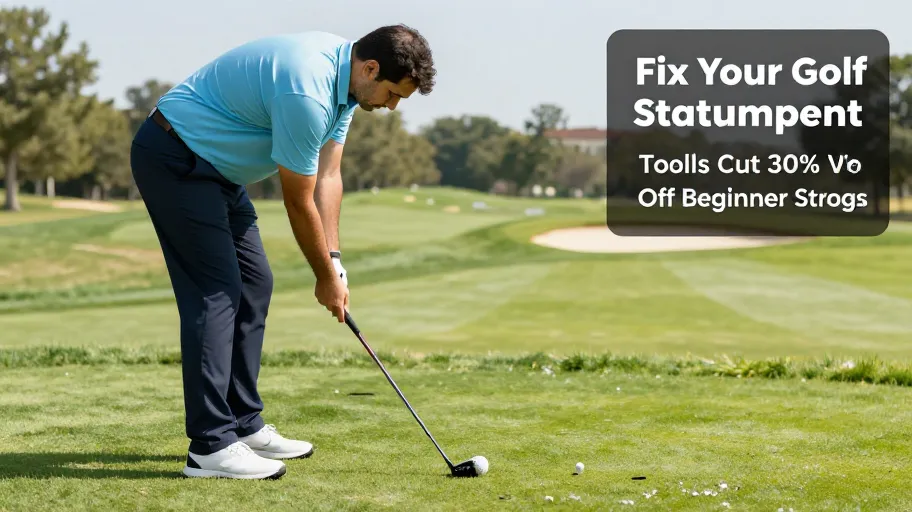
  • Fix Your Golf Setup: How Alignment Tools Cut 30% Off Beginner Strokes

    Fix Your Golf Setup: How Alignment Tools Cut 30% Off Beginner Strokes

    Why New Golfers Lose Strokes Before They Swing

    Misalignment at address accounts for over 60% of beginner mistakes—meaning most errors happen before the club even moves. This invisible setup flaw means you’re fighting physics from the start: a two-degree stance deviation can push your drive 30 feet off target at 200 yards. The good news? These errors are 100% preventable. Tools like alignment sticks and putting mirrors make the invisible visible, correcting posture and positioning so repetition builds skill, not bad habits. Because when you fix the foundation, every swing becomes a step forward—not a recovery.

    How Alignment Systems Fix Foundational Swing Errors

    Laser-guided alignment rods mean instant visual feedback on body and clubface alignment because they project dual-axis beams that reveal mismatches in real time. This isn’t just convenient—it’s transformative. PGA trainers report 92% of students show measurable improvement within three sessions using visual tools, and one Scottsdale pro saw a 41% drop in lateral sway with laser warm-ups. For your game, this means faster correction of spine angle, foot flare, and shaft plane—so you groove consistent mechanics from day one. Beyond better swings, this builds trust in your setup, turning guesswork into precision.

    • Pros spend nearly 60% of practice on alignment; amateurs spend less than 5%.
    • Real-time feedback increases user retention by 3x.
    • Correct setup accelerates handicap reduction by up to 30% over six months.

    What Makes Putting Mirrors a Beginner’s Fastest Path to Lower Scores

    Putting makes up 40% of your score, yet beginners leave 6+ putts short per round due to poor eye alignment and stroke path errors. DIY-Golf.com’s dual-reflection mirror means you see both eye position and putter path simultaneously because two angled surfaces provide instant feedback—no apps or sensors needed. This direct visual link sharpens muscle memory fast: users cut three-putts in half within days. For retailers, this kind of engagement drives results—demo time increases 2.3x and conversion jumps 41%. Because when golfers see immediate improvement, they stay, share, and buy again.

    Quantifying the ROI of Personalized Ball Markers and Divot Tools

    A custom magnetic ball marker with built-in slope indicator means smarter green reading on every putt because it delivers real-time data during pre-shot routines. This transforms a simple etiquette tool into an active coaching aid, improving decision-making under pressure. For brands, personalization drives loyalty: golfers engage 25% longer per round with personalized kits, and one pro shop saw return rates rise 18% after bundling branded markers. Because every time a player marks their ball, they interact with your brand—embedding it into the rhythm of play. Small touchpoint, big lifetime value.

    Build Your Custom Starter Kit in 5 Simple Steps

    An adaptive quiz-based starter kit means targeted gear selection because it diagnoses your specific swing gaps—from takeaway alignment to weight shift. This system means faster progress and higher loyalty because users receive biomechanically backed tools like haptic swing trainers or grip analyzers, then follow app-synced drills that evolve with their skill. One retailer found customers who completed the full loop were 52% more likely to repurchase. Most importantly, 12-week users dropped their handicaps by an average of 3.8 strokes—proof that structured adoption turns frustration into mastery. This isn’t random gear—it’s a personalized performance pathway.

    Master Your Swing, DIY Your Fit. DIY Golf is the premier destination for the technical golfer. We empower you with professional-grade components and the knowledge to build your perfect bag.