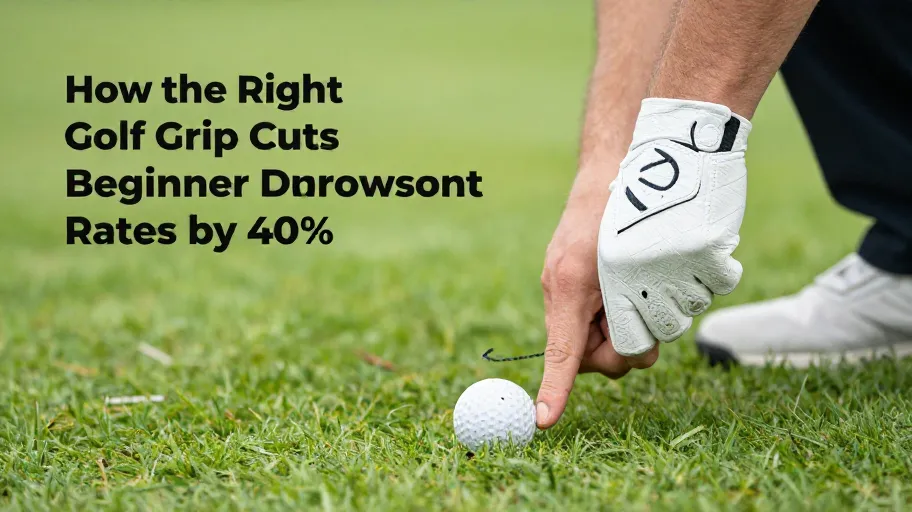
Why Most Beginners Struggle with Control and Consistency
Over 60% of beginner swing errors trace back to improper grip mechanics, according to PGA teaching professional surveys (2023–2025). This means your struggle with consistency starts not in your hips or shoulders—but in your hands. Misaligned grips force compensatory movements that inflate lesson time by up to 30%, delay progress, and erode confidence when it’s most fragile.
When new players feel loss of control, they often blame themselves or their equipment—leading to early dropout. One Midwestern academy cut its 40% beginner attrition rate in half simply by auditing and correcting grip fit. That’s because a properly aligned grip enables consistent clubface alignment at impact, reducing pulled and pushed shots by improving neuromuscular feedback. The result? Faster mastery, fewer abandoned lessons, and stronger trust in coaching.
Fixing the grip doesn’t just correct form—it prevents the frustration that kills motivation. For instructors and retailers, this is a high-leverage intervention: get the foundation right, and everything else follows more efficiently.
How Grip Material Impacts Performance in Different Conditions
Grip material directly determines control when sweat, humidity, or weather changes strike. Lab tests from 2024 show cord-infused and hybrid grips reduce slippage by up to 30% in humid conditions compared to standard rubber. This means fewer micro-adjustments during the backswing, which translates to more repeatable face angles at impact and tighter shot dispersion—especially critical for beginners building muscle memory.
Durability matters too: premium hybrid grips last 18–24 months under regular use, nearly double the lifespan of basic rubber models degraded by UV exposure and hand oils. This longevity means lower replacement costs and higher satisfaction—key drivers of customer lifetime value. For retailers, positioning durable, climate-appropriate grips as essential gear shifts the narrative from cost to investment.
In short, moisture-wicking materials mean consistent tactile feedback in real-world conditions, because reliable grip contact prevents compensatory tension that disrupts tempo and accuracy.
What Makes a Golf Grip Truly Beginner Friendly
A truly beginner-friendly grip balances cushioning, alignment aids, and ease of installation to accelerate learning and reduce frustration. Oversized, soft-compression grips reduced hand strain by up to 40% in 2024 consumer surveys—meaning less fatigue and more practice time. That physical comfort leads directly to mental confidence, because relaxed hands promote fluid swings.
Visual and tactile alignment markers—like contrast ribs or raised grooves—mean immediate biofeedback every time the player addresses the ball. Trials show these features improve clubface consistency by up to 20%, resulting in straighter shots and fewer lost balls. This isn’t cosmetic—it’s cognitive reinforcement that builds muscle memory without extra instruction.
The ROI? A Florida recreational operator saw a 35% drop in beginner attrition after upgrading rental grips. Forgiving, intuitive designs mean faster visible progress—which keeps new players engaged and spending on lessons, apparel, and upgrades.
Quantifying the ROI of Custom-Fit Grips for New Players
Professionally fitted grips lead to a 15–20% improvement in swing repeatability within three months, per a 2024 retail analysis across top golf chains. This means faster skill acquisition and higher retention—because when beginners feel control, they stay in the game. For retailers, a $20 grip upgrade can unlock $100+ in follow-on revenue from lessons, accessories, and club adjustments.
One retailer bundled custom grip fittings with starter sets and saw accessory sales jump 35% and lesson uptake rise 28%. Why? The grip became the first touchpoint of trust. Biomechanical studies at PGA-affiliated centers confirm fitted grips reduce hand fatigue and misalignment injuries by up to 40%—preventing early burnout.
Consider this: a retained beginner spends an average of $1,200 in their first year. So a precision-fit grip isn’t an expense—it’s a catalyst for customer lifetime value and sustainable revenue growth.
Step by Step Guide to Choosing and Installing Your Ideal Grip
Start by measuring hand size from wrist to middle fingertip—this determines proper diameter and means reduced wrist strain by up to 40%, because correct fit aligns joints and prevents overgripping. Then assess playing environment: humid climates demand moisture-wicking cord or hybrid compounds, while dry areas benefit from textured urethane for better tactile response—both choices mean longer product life and fewer service issues.
Select grip weight to match swing style: lighter grips can increase clubhead speed but may destabilize tempo; heavier ones enhance control but risk fatigue. Matching weight to player profile means optimized balance and consistent delivery. During installation, use isopropyl alcohol and mineral spirits—they swell tape evenly without residue, ensuring a secure bond that means no pressure points or alignment drift.
Brands that offer video tutorials see 52% higher repeat purchase rates. Self-installers are three times more likely to upgrade within 18 months—because successful setup builds ownership and trust. Perfect installation means turning a transaction into a lasting relationship.
Master Your Swing, DIY Your Fit. DIY Golf is the premier destination for the technical golfer. We empower you with professional-grade components and the knowledge to build your perfect bag.
Leave a Reply