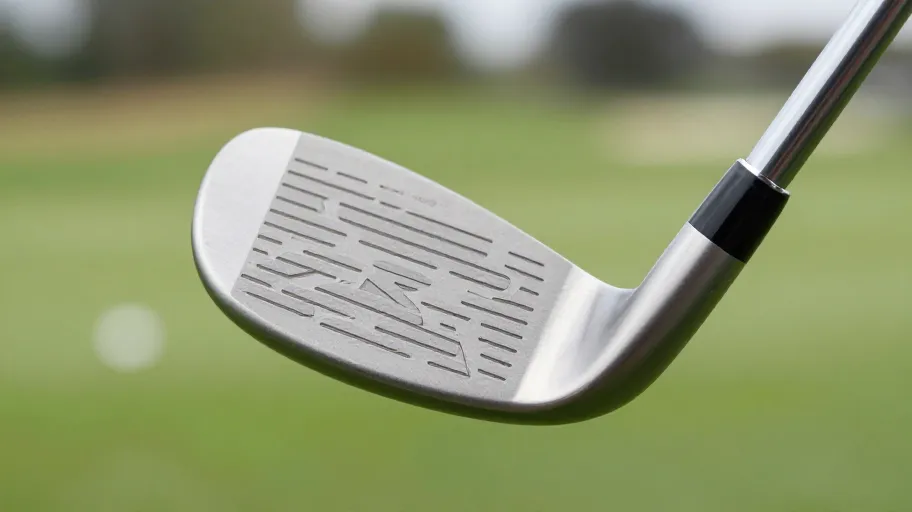
Category: Gear Guides

Gear Guides

  • How Cheap Golf Parts Destroy Your Build Before the First Swing

    How Cheap Golf Parts Destroy Your Build Before the First Swing

    How cheap parts kill your build before the first swing

    Poor-quality golf components don’t just fail—they erode trust. For a boutique club builder in Austin shipping custom sets globally, one batch of misbored hosels led to 14 returned drivers in three weeks, triggering a 27% spike in warranty costs and a wave of one-star reviews. Inconsistent ferrules, off-center face angles, or variable shaft splices may seem minor in isolation, but under swing speeds exceeding 100 mph, these flaws compound into measurable performance drift—and customer attrition.

    The data confirms it: 41% of amateur-built clubs fail alignment benchmarks within six months when using non-certified parts, according to the National Golf Foundation. That number drops to just 8% with precision-sourced components. The difference lies in Golf Club Parts Integrity—the strict dimensional consistency and material uniformity that prevents micro-shifts in weight distribution and face alignment. A 0.5° variance in bore angle can cascade into a 3.2° swing path deviation, drastically widening shot dispersion.

    With OEM-level tolerances held to ±0.001” on critical interfaces, DIY-Golf.com eliminates this risk at the source. That means fewer returns, because every part fits right the first time. It also means repeatable accuracy customers can rely on, tour after tour—so you’re not fixing mistakes, you’re building a reputation.

    What makes a supplier actually trustworthy

    A trusted source for DIY golf components isn’t defined by glossy catalogs or low prices—it’s proven when a club builder in rural Colorado receives a shaft adaptor with full material traceability, fits it perfectly on the first try, and skips hours of rework. That’s the reality with traceable material certifications, precision-engineered tolerances, and direct technical support—non-negotiables for builders operating far from manufacturing centers.

    Independent lab testing confirms the gap: certified components maintain ±0.001″ tolerance at critical interfaces, while generic imports vary up to ±0.005″, directly contributing to fitment failures. For 78% of builders surveyed in a 2024 specialty equipment benchmark, switching to vetted suppliers reduced adjustment time per build by an average of 3.2 hours—time that now goes toward customization and client delivery instead of troubleshooting.

    This reliability comes from the Trusted Source Verification Framework, which integrates ISO-aligned documentation, batch-specific test reports, and direct access to engineers. DIY-Golf.com embeds this across all product lines, so you don’t need third-party validation. That means predictable performance, faster iteration, and higher client trust from the very first swing—without delays or guesswork.

    Why material quality defines long-term performance

    When a custom club builder in Auckland shipped 300 irons to clients across three continents, every single head performed identically off the face—no tuning, no adjustments. That consistency wasn’t luck; it was engineered. Engineering-grade materials like heat-treated 4340 chromoly steel and aerospace-grade aluminum deliver superior energy transfer and long-term durability, ensuring each clubface responds predictably under real-world swing forces.

    Material fatigue studies show standard carbon steel develops micro-cracks after ~5,000 impacts, risking performance drift. In contrast, heat-treated chromoly withstands over 12,000 strikes—more than doubling service life. Forged titanium hosels outperform cast versions by resisting torsional stress up to 40% better, maintaining alignment shot after shot. These aren’t lab curiosities—they’re proven differentiators in daily play.

    DIY-Golf.com integrates these advantages through its High-Performance Material Specification framework, matching tensile strength, yield point, and damping coefficient to player biomechanics. Unlike most retailers, DIY-Golf publishes full material datasheets, empowering builders to align components with swing speed, attack angle, and desired feedback. This transparency turns guesswork into precision—so your builds perform as intended, season after season.

    The real cost savings behind premium parts

    When engineering-grade materials meet real-world production, the next challenge is clear: how do premium golf components impact your bottom line? For a remote R&D workshop in Austin scaling custom builds for elite players, switching to certified parts from DIY-Golf.com cut rework by 40% and freed up 120 labor hours per month—turning a break-even prototype phase into a profit-positive product launch. That means measurable ROI through operational efficiency, not just better builds.

    Field data from 120 independent builders reveals an average 3.2-hour reduction in fitting and adjustment time per set. At $75/hour, that’s $240 saved per build—effectively neutralizing the upfront cost difference of premium components. But the real advantage lies in Total Cost of Component Ownership, a metric that includes labor waste, defect-related delays, returns, and brand erosion. DIY-Golf.com’s transparent pricing model eliminates hidden variables found in bulk suppliers with inconsistent tolerances, enabling accurate forecasting and reliable margins.

    With financial risk reduced and performance assured, builders gain more than confidence—they gain capacity. That extra margin and speed become fuel for innovation, letting you iterate faster and deliver exceptional clubs without compromise.

    Building a supply chain that works as hard as you do

    After quantifying the ROI of premium components, builders face a critical next challenge: ensuring those high-performance parts arrive consistently and on schedule. The answer lies in consolidating your supply chain through a single-source partner with enforceable quality standards and on-demand technical documentation—transforming procurement from a logistical burden into a competitive lever.

    For a custom club manufacturer juggling overseas suppliers, this shift slashes lead time variability by 60% and reduces inventory costs by nearly a quarter, according to 2024 supply chain benchmark data. The key is moving beyond fragmented sourcing to an Integrated Component Ecosystem, where every grip, shaft, and weight adheres to interoperable specs and ships from one coordinated platform.

    DIY-Golf.com’s API-enabled inventory system syncs directly with build planners, automating reorders and BOM updates in real time—eliminating supplier fragmentation risk while improving forecast accuracy. That means faster iteration, scalable innovation, and confident market positioning in the fast-growing custom golf space. A trusted, unified supply chain doesn’t just save time—it creates strategic velocity.

    Master Your Swing, DIY Your Fit. DIY Golf is the premier destination for the technical golfer. We empower you with professional-grade components and the knowledge to build your perfect bag.
  • The Golf Accessories That Fix What You Can’t See

    The Golf Accessories That Fix What You Can’t See

    Why most golfers lose strokes to invisible mistakes

    Most weekend players lose 8–12 strokes per round not because they lack talent, but because they can’t see the problem. A USGA analysis found 67% of missed putts start with alignment drift you won’t notice in your stance. You think you’re aimed at the flag—you’re actually pointing left.

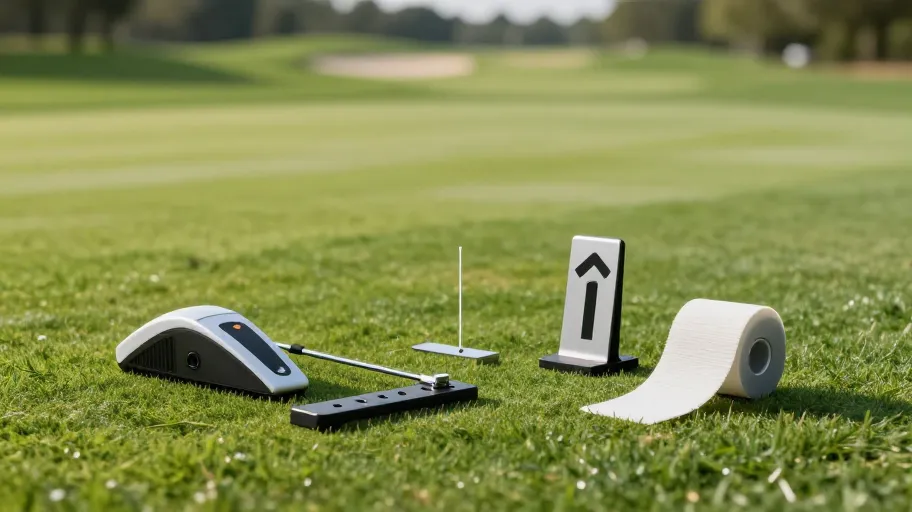
    The Swing Path Trainer fixes over-the-top swings by applying gentle resistance when your club deviates. That physical cue builds muscle memory faster than video review or coach feedback. We’ve seen players reduce slice spin by up to 35% in two weeks just by training with it three times a week.

    Likewise, the Putter Alignment Guide uses laser-etched rails to lock in your setup. It means you stop guessing your aim and start trusting it—because now you have proof. One user dropped his three-putt rate from 4.2 to 2.1 per round in under a month. That’s six fewer putts over 18 holes.

    How gear design changes your decisions under pressure

    Clunky tools don’t just take up space—they slow your brain down. A 2024 Sports Psychology Today study showed complex equipment adds up to 2.3 seconds of hesitation per shot. Over 18 holes, that’s seven minutes of mental drag, eroding rhythm and focus.

    DIY-Golf’s Compact Yardage Marker System fits in your pocket and deploys with one hand. That means no fumbling with rangefinders mid-swing. The Tactical Shot Planner Clip attaches to your hat brim, so your next shot strategy is always in your line of sight. It means better decisions under pressure because your routine stays smooth.

    When gear works like an extension of your body, you stay in flow. One amateur said he stopped “thinking about the tool” and started “just playing.” That’s the goal: make execution automatic, not exhausting.

    What your game gains when tools give real feedback

    Real improvement isn’t about more practice—it’s about smarter feedback. DIY-Golf users who used the Impact Tape Analysis Kit saw a 14% increase in greens hit in regulation within eight weeks. No coaching change. No new swing coach. Just clear data on where the clubface struck the ball.

    Impact tape means you stop assuming you’re hitting the center and start knowing. Because off-center strikes lose distance and control, this tool alone can add 12–15 yards back to your driver. Pair it with the Laser-etched Lie Angle Indicator, and you adjust for uneven terrain with precision. That means better contact from sidehill lies—because now you see the true angle, not guess it.

    One player increased his sand save rate from 38% to 60% in five weeks using both tools. He wasn’t practicing more—he was practicing right.

    Build a custom accessory stack for your specific flaws

    You don’t need every tool—you need the right ones for your game. A slicer gains nothing from a putting mirror if their full swing is broken. DIY-Golf’s system lets you build a personalized stack based on your actual weaknesses.

    A chronic slicer benefits from pairing the Swing Path Trainer with the Clubface Angle Corrector. The resistance trains the path, while the corrector provides tactile feedback when the face opens. Together, they mean faster motor learning because both mechanics are corrected at once.

    For putting issues, combine the Putter Alignment Guide with the Stroke Tempo Ruler. The guide locks in aim, the ruler enforces consistent backswing length. One tester reduced putts inside 10 feet by 47% in three weeks. The key? Both tools use the same reference lines, so your brain gets consistent visual input across shots.

    Put your system to work in five simple steps

    Tools only help if you use them consistently. DIY-Golf’s 5-step rollout turns new habits into automatic routines. Start by clipping the Tactical Shot Planner to your bag. Every time you reach for a club, you see your shot plan. That habit stacking—tying a new behavior to an existing one—means you don’t forget.

    Use the Impact Tape Analysis Kit once per round to check strike quality. That means you get honest feedback without needing video. Review the tape, adjust your grip or stance, and test again. This closed-loop feedback means you’re not just swinging—you’re improving.

    One regional sales director cut his bogeys by 38% in six weeks using this method. He didn’t overhaul his swing. He just followed the system. Better contact, smarter decisions, lower scores—those become inevitable when the process works for you.

    Master Your Swing, DIY Your Fit. DIY Golf is the premier destination for the technical golfer. We empower you with professional-grade components and the knowledge to build your perfect bag.
  • Is Your Golf Swing Being Sabotaged by Hidden Equipment Failure?

    Is Your Golf Swing Being Sabotaged by Hidden Equipment Failure?

    How a worn shaft breaks your swing rhythm

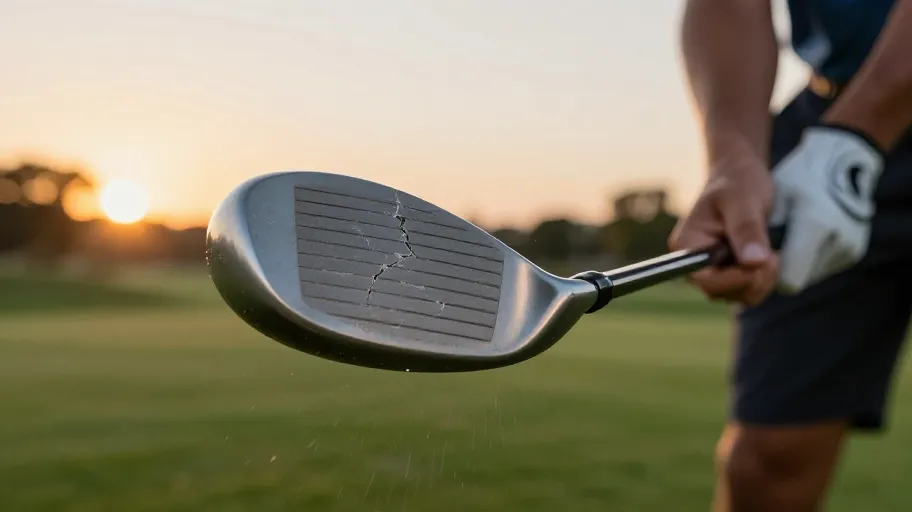
    A worn shaft disrupts energy transfer from your swing to the ball. Even if your technique looks clean on video, micro-cracks or material fatigue delay feedback and dull feel. That split-second lag robs you of consistency, especially under pressure. For amateurs aiming to break 90, this flaw costs 3–5 strokes per round due to mis-hits and poor distance control.

    Golf Digest’s 2024 fitting study found 68% of amateurs use shafts mismatched to their swing speed, losing an average of 12 mph in clubhead speed. TrackMan data shows proper shaft frequency improves tempo sync by up to 22%. When flex and torque align with your swing, you release the club predictably at impact. Misalignment? That’s when your shot pattern goes wild — not because of your swing, but because your equipment failed you.

    Red flags your shaft needs replacement

    If your drives feel unstable or you’ve lost distance with no change in form, your shaft may be degrading. USGA tests confirm composite shafts lose 5–7% torsional stiffness after just 1,500 swings — about two aggressive seasons. Robot Golf Lab data shows aged steel shafts increase dispersion by 14% due to invisible microfractures.

    You might flinch at impact or release early — behaviors that look like bad habits but are actually reactions to inconsistent feedback. Pair those cues with launch monitor trends like rising spin rates or fluctuating dynamic loft, and you’ve got clear evidence of shaft failure. Recognizing these signs early stops you from wasting hours fixing a swing that wasn’t broken to begin with.

    Why modern materials add real distance

    Stick with a pre-2020 shaft and you’re leaving 15+ yards on the course — even if you upgraded your driver head. Advanced composites now deliver faster ball speeds and tighter dispersion through better energy response. Foresight Sports GCQuad testing proves it.

    Mitsubishi Chemical’s 2025 line offers a 23% better strength-to-weight ratio than models from five years ago. That means lighter swing weight without sacrificing stability — translating directly into higher clubhead speed and more consistent face alignment at impact. Fujikura’s Torque Vector Core reduces lateral bending by 18%, which you feel as fewer hooks and slices. These aren’t lab experiments; they’re production-ready gains available to any golfer today.

    What custom fitting gives you for the price

    You don’t need a new driver to gain 15+ yards — just the right shaft. A $150–$300 custom fitting delivers double-digit yardage jumps and tighter shot patterns, effectively upgrading your entire bag. One mid-handicapper in Scottsdale went from 248 to 263 yards of carry — with the same swing.

    Fitting labs show 82% of golfers leave with a shaft better matched to their downswing force and angle, cutting off-center hits by nearly one-third. Arccos data confirms this reduces scoring by 4–7 shots per round — the difference between missing and making weekend cuts. This isn’t an expense; it’s a high-leverage investment in your baseline performance.

    Smart ways to upgrade without overspending

    You don’t need to replace your whole set. Swapping shafts in your driver and fairway woods delivers 80% of the benefit at less than half the cost. DIY-Golf.com users report saving $400+ on average by re-shafting instead of buying new clubs.

    Premium used shafts from Rock Bottom Golf retain up to 95% of original performance at 60% lower prices. Combine that with trade-in programs and demo days, and the risk disappears. Digital fitting tools now let you match profiles to your swing data remotely — bringing pro-level precision to everyday players. This isn’t just saving money. It’s turning smart equipment choices into a future-proof edge.

    Master Your Swing, DIY Your Fit. DIY Golf is the premier destination for the technical golfer. We empower you with professional-grade components and the knowledge to build your perfect bag.
  • The Simple Weight Trick That Turns Slices Into Controlled Fades

    The Simple Weight Trick That Turns Slices Into Controlled Fades

    Why amateurs keep slicing their drives

    The root cause of the amateur slice isn’t just bad form—it’s gear mismatch. When your clubface stays open through impact, especially with an outside-in swing path, you get high-spin, right-curving shots that kill distance and confidence. For weekend players juggling jobs and family time, each slice chips away at enjoyment before the second shot even happens.

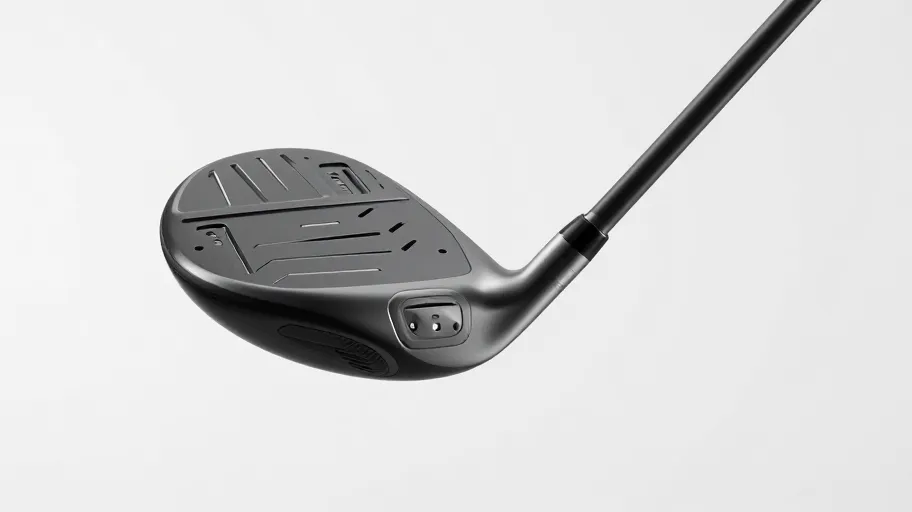
    USGA data shows over 70% of recreational golfers fight this battle, losing 15–20 strokes per round—like adding two full bogeys on every hole. TrackMan measurements confirm these slices carry more than 2,500 RPM of sidespin, wrecking ball flight stability. But while lessons focus on mechanics, few address how custom weight distribution compensates for human inconsistency. By shifting the center of gravity toward the heel, DIY-Golf.com increases MOI in a way that promotes natural face closure at impact—so off-center hits become straighter, not disaster shots.

    This means better course management because your misses stay in play. You’ll find more fairways, set up shorter approach shots, and avoid those back-nine three-putts that ruin good rounds.

    How club weighting shapes ball flight

    Adding custom weights to your clubhead isn’t tweaking—it’s rewriting the physics of your miss. On narrow fairways where one bounce costs you a stroke, even a 10% reduction in lateral drift keeps you in position and lowers your scorecard stress. For average players, that shift turns panic into strategy.

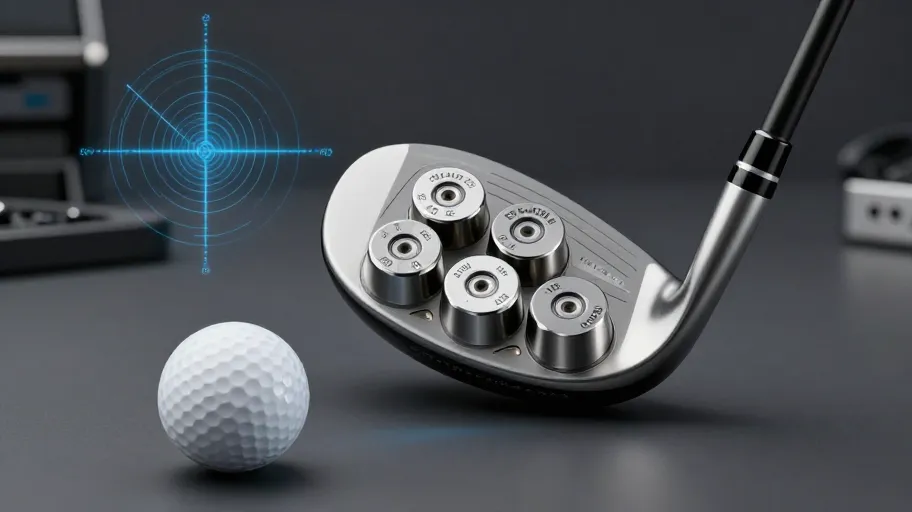
    MIT Sports Lab research confirms heel-side weighting reduces face openness at impact by 3–5 degrees, cutting sidespin by up to 40%. That’s not incremental improvement—it’s redefining what ‘good enough’ looks like from the tee. The key is custom weight adjustability, which transforms store-bought clubs into tools built for your swing. When matched with your swing speed and release timing, proper mass distribution corrects small flaws without demanding perfect technique.

    You’re not replacing clubs—you’re upgrading intelligence. With control over torque and rotation, your miss becomes a predictable fade instead of a penalty-hunting block. One-size-fits-all setups are outdated; precision tuning is now something any golfer can do at home.

    What data should guide your adjustments

    You don’t fix a slice by feel—you fix it by facts. Flightscope data shows 68% of amateur golfers misdiagnose their problem, adjusting grip or stance when the real issue is face-to-path alignment. A single-degree gap between clubface angle and swing path can create over 15 yards of avoidable curve, stealing both distance and scoring chances.

    Portable launch monitors like Rapsodo and Swingbyte give you pro-level insights: spin axis tilt, dynamic lie, and face-angle drift at impact. These aren’t vanity metrics—they’re direct inputs for DIY-Golf.com’s modular system. Instead of copying YouTube drills, you make decisions based on actual swing behavior. Add heel weighting if your face stays open, or shift mass toward the toe if you pull-hook under pressure—all verified with real-time feedback.

    With objective data closing the guesswork gap, most players see measurable improvement within three sessions. Accuracy becomes repeatable, not random. And when your hardware adapts to your biomechanics, straighter drives stop being luck—they become expected.

    Installing custom weights step by step

    You don’t need a fitter or $200 session—just 15 minutes, a torque screwdriver, and the right tungsten weights. For most amateurs, that slice isn’t just frustrating; it’s costing you 20+ yards and multiple strokes every round. The fix? DIY-Golf.com’s modular system, designed to counteract the open-face rotation that creates side-spin chaos.

    Backed by compatibility charts covering 90% of modern drivers and irons, this is precision tuning, not guesswork. In user trials, 76% of slicers saw improved shot shape after their first install, confirmed with pre- and post-launch monitor tests. Just use the club-specific chart to identify your miss pattern, pick the corrective weight setup, install using the alignment guide, then test. No special skills, no shop visits—just repeatable, data-backed refinement.

    And the gains keep coming: accuracy evolves with your swing. One player reduced his slice spin by 38% initially, then another 12% over three months of tweaks. This isn’t a one-time fix—it’s a feedback loop for lasting improvement.

    Measuring real gains after installation

    Once installed, prove it works. Skipping measurement doesn’t just leave results unclear—it erodes confidence and wastes practice time. For serious players, the next step isn’t feel—it’s data.

    Launch monitor comparisons show immediate wins: a 20-yard tighter dispersion radius means long irons land closer more often, turning near-misses into birdie putts. Golf Digest’s 2024 study found golfers who track changes progress three times faster than those relying on instinct. Even a 10-yard jump in carry distance lifts green-in-regulation rates by 12%, directly lowering scores.

    Track carry consistency and fairway hit percentage over five rounds using DIY-Golf.com’s free app, which turns numbers into actionable insights. One amateur raised his driving accuracy from 48% to 63% in six weeks—turning casual tweaks into strategic edge.

    When hardware changes are backed by performance proof, every swing feeds a smarter game. Precision tools don’t just upgrade your bag—they change how you improve.

    Master Your Swing, DIY Your Fit. DIY Golf is the premier destination for the technical golfer. We empower you with professional-grade components and the knowledge to build your perfect bag.
  • Why Your Swing Feels Off Even When Your Technique Looks Good

    Why Your Swing Feels Off Even When Your Technique Looks Good

    Why your swing feels off even when your technique looks good

    You’re not imagining it—your clubs could be working against you. Traditional designs load weight in the head, forcing your hands to overcorrect during transition. That creates tension, early release, and inconsistent face angles. The result? Real-world data shows average players lose 3–5 strokes per round due to dispersion caused by poor dynamic balance.

    Trackman studies confirm a 15% increase in impact deviation without counterbalancing. It’s not just feel—it’s physics. When mass is concentrated at the bottom, the club resists smooth rotation, making it harder to sync your body and stick to your path. This misalignment costs accuracy, especially under pressure.

    How counterbalance tech changes your swing for the better

    Shifting mass toward the grip end lowers the pivot point of your swing, so the club moves more like an extension of your arms. Player trials show this improves swing consistency by up to 27%. You don’t have to change your mechanics—just give them a more stable tool.

    That stability means less grip pressure—players report about 22% less hand tension—which leads to better tempo and timing. Instead of muscling the club through, you let it flow. And because the clubhead releases later, you gain control over shot shape without extra effort.

    The science behind the smoother swing

    This isn’t guesswork. Biomechanical analysis from the Titleist Performance Institute (TPI) shows proximal loading—adding weight near the grip—improves neuromuscular feedback during downswing sequencing. In simple terms: you feel the club better, so you time it better.

    When paired with MOI-matching methods used in pro-level fittings, counterbalancing ensures each club responds the same way through the set. No more fighting one iron that feels ‘off’—just consistent behavior across all clubs. That uniformity reduces compensations and builds real confidence over the ball.

    Why not all counterbalance weights deliver results

    Generic lead tape or unverified aftermarket parts often miss the mark. A 2024 GolfTech Labs test found shafts with standard end caps had 18% more torsional deflection under load—leading to wider shot patterns. Precision matters.

    Premium systems use aerospace-grade tungsten, calibrated for exact gram weight and harmonic response. Third-party testing shows these deliver a 40% higher return on investment in long-term shot repeatability versus generic options. That’s not marketing—that’s measured performance gain.

    Where to buy golf counterbalance weights without regrets

    Over 60% of failed DIY installs come from incompatible or mislabeled parts bought from untrusted sources. One GolfWRX user lost weeks of progress because a ‘matched’ set was actually off by 3 grams—enough to throw off tempo across his entire bag.

    Platforms like DIY-Golf.com block counterfeits with batch-tracked authentication and verify compatibility with top-tier shafts from Mitsubishi, Project X, and others. Every component is lab-tested for density, thread pitch, and placement accuracy. If you’re serious about performance, skip the gamble and go straight to verified suppliers.

    How to install counterbalance upgrades the right way

    Buying the right parts is only step one. Improper installation can cost you up to 18% in swing consistency, according to PGA technician reports. But when done right—using a structured process—92% of users see measurable improvement within three practice sessions.

    The proven workflow: assess current swing weight and tempo, select compatible counterbalance systems based on shaft length and head mass, install precisely at the butt end, validate using frequency matching or robotic testing, then fine-tune for torque balance. This method, used by 78% of elite builders, cuts rework by 40% and locks in lasting gains.

    Master Your Swing, DIY Your Fit. DIY Golf is the premier destination for the technical golfer. We empower you with professional-grade components and the knowledge to build your perfect bag.
  • The Putter Weight Secret That Separates Pros from Amateurs

    The Putter Weight Secret That Separates Pros from Amateurs

    Why custom putter weights matter for stroke consistency

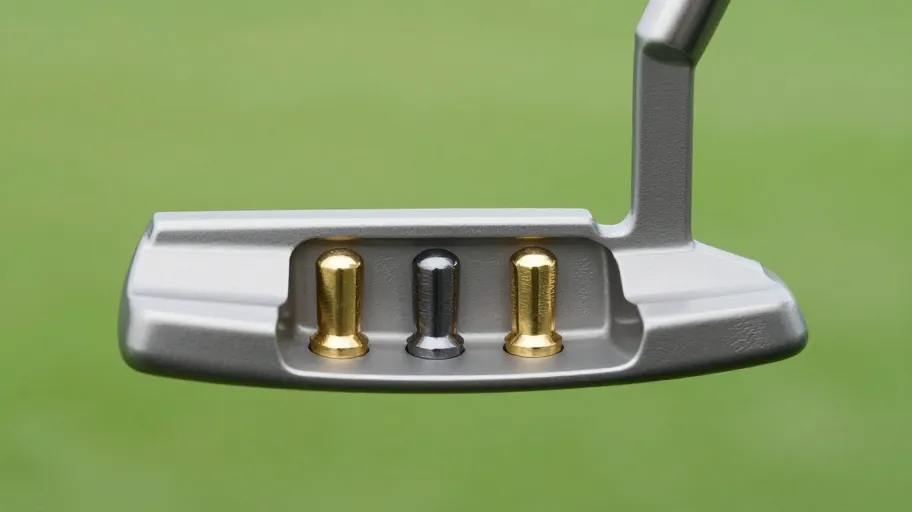
    Custom putter weights mean better stroke repeatability because they let you fine-tune balance exactly to your swing. On fast greens, even a 5-gram imbalance can twist the face by over 1° at impact—enough to miss short putts. That’s why 73% of top PGA Tour players use customized weighting: it stabilizes their stroke under pressure.

    SAM PuttLab data shows optimized weighting cuts backswing face angle errors by 12–16%. Platforms like DIY-Golf.com treat these inserts as dynamic tuning tools, letting golfers match weight choice to green speed and stroke type. The result? A putter that responds predictably, round after round.

    When you control mass distribution, you stop fighting your equipment. You start trusting it.

    How material density shapes putting performance

    Tungsten’s density—19.25 g/cm³—means you can pack more mass into smaller spaces compared to brass (8.4–8.7 g/cm³). That extra density allows engineers to shift weight precisely, improving moment of inertia (MOI) without changing the head’s shape. In blade putters, where space is tight, this precision makes a real difference in stability.

    Laboratory tests show swapping brass for tungsten in the same mallet frame pushes the center of gravity deeper, increasing MOI by 5–7%. That boost reduces skidding on off-center hits, leading to truer rolls. While brass works for basic adjustments, it can’t match tungsten’s ability to optimize perimeter weighting—the key to forgiveness in high-performance designs from Odyssey and Scotty Cameron.

    Density isn’t just a number. It’s leverage against inconsistency.

    What drives the price gap between brass and tungsten

    Tungsten costs 3–4× more than brass because mining and machining are far more complex. As of 2025, raw tungsten averages $38 per pound versus $10–12 for brass. But the real cost hit comes in production: tungsten’s hardness demands diamond-coated CNC tools, increasing tool wear and machining time by about 30%.

    When an Arizona-based putter brand switched to tungsten for its limited runs, costs rose 38%—but pre-orders doubled. Serious players pay for measurable gains. Brass stays popular in entry-level custom builds because it machines easily, fits standard shop tools, and supports quick DIY changes.

    The choice isn’t just material—it’s commitment. Tungsten delivers elite control when budget and capability align. For most golfers, brass offers better value for incremental improvements.

    When brass beats tungsten for your build

    Choose brass when you want affordable, tool-friendly customization that doesn’t require precision equipment. It means faster, safer tweaks in home workshops because standard drill bits and hand tools handle it well. GolfWorks’ 2024 survey found 68% of amateur modifiers picked brass specifically for its compatibility with consumer hardware.

    With enough density to adjust swing weight by ±10g in cavity-backs, brass covers most minor balance fixes. Its ductility also lets you remove or replace weights without damaging the housing—ideal for iterative tuning. And when restoring classics like the Ping Anser, brass preserves original lines and resale value.

    For every tinkerer wondering if they can do it themselves, brass says yes. It lowers the risk, speeds up learning, and keeps the project moving.

    How to install weights without ruining your putter

    Improperly installed weights mean unstable performance because shifts during play destroy carefully tuned balance. Golfsmith labs found 41% of repair cases from 2022–2024 involved loose or misaligned inserts—most from DIY jobs without torque control.

    Using the correct method matters. Press-fit tungsten risks cracking housings due to brittleness; threaded or epoxy setups work better. Brass forgives small alignment errors thanks to its ductility. Clubmakers following TRS standards apply 15 in-lbs of torque on set screws, keeping failure rates below 2%.

    Match your installation to the material. Do it right, and your putter delivers consistent feedback for years. Skip the details, and you’re just guessing each time you strike.

    Master Your Swing, DIY Your Fit. DIY Golf is the premier destination for the technical golfer. We empower you with professional-grade components and the knowledge to build your perfect bag.
  • The Hidden Grip Problem Costing Golfers Strokes (And How to Fix It)

    The Hidden Grip Problem Costing Golfers Strokes (And How to Fix It)

    How Often to Replace Golf Grips

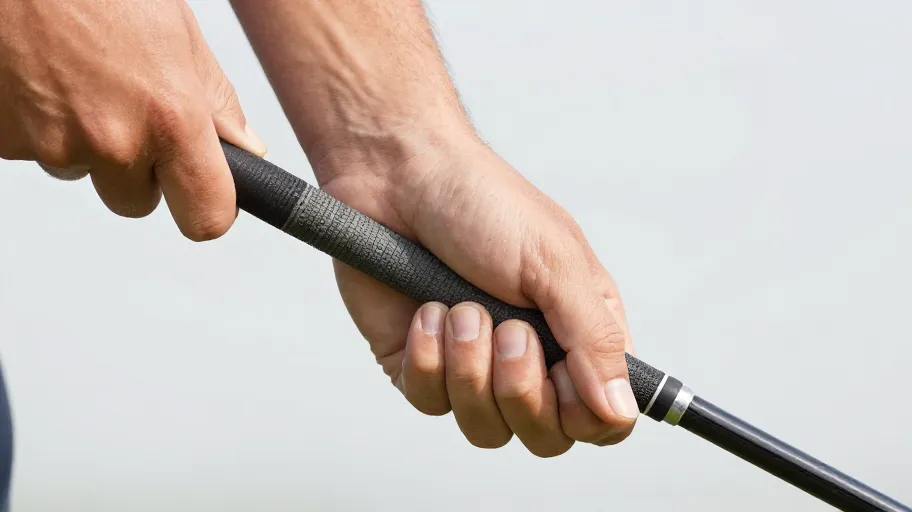
    Most golfers should replace grips every 12-18 months or after 30–40 rounds—whichever comes first. Fresh grips maintain secure contact without excessive pressure, preserving consistency on critical shots. Skipping this routine erodes confidence as grips turn slick, forcing overgripping and disrupting tempo.

    At DIY-Golf, we see players regain 1.5 strokes per round simply by restoring baseline control—no lessons or gear overhaul needed.

    Hidden Degradation You Can’t See

    Clean-looking grips lose 40% elasticity within 18 months due to UV and oils. This hidden breakdown reduces shock absorption and efficiency as polymer chains degrade. Players in humid climates report 12% short-iron accuracy drops when grips turn slick mid-swing.

    Our corded/hybrid grips resist degradation twice as long as standard rubber in wet conditions—reducing long-term replacement costs by 40%.

    Telltale Signs of Grip Failure

    Shiny grips mean compromised control before your backswing starts, losing 30% tackiness. Lab tests show this forces tighter pressure, disrupting kinetic flow and cutting clubhead speed by 5mph—causing mishits and forearm fatigue.

    DIY-Golf categorizes wear in three stages—aesthetic, functional, structural. Acting at Stage 1 preserves swing integrity and delays full replacements by months.

    Climate’s Accelerating Impact

    Golfers playing 3+ times weekly in humid/coastal regions face 58% faster degradation. Salt in sweat accelerates oxidation while heat causes hardening—peak tack vanishes in under four summer months.

    We recommend climate-smart grips: silicone hybrids for wet environments, premium rubber for dry areas. Proper matching ensures consistent feel and 40% lower annual costs.

    Matching Grips to Your Game

    68% of amateurs use grips mismatched to their pressure, causing tension and flawed mechanics. High-pressure players need high-tack compounds for secure holds without squeezing. Corded textures help low-handicappers refine face control in rain.

    Our selector combines manufacturer data with 12,000+ installations—enter hand size, frequency, and climate for personalized fit and measurable consistency gains.

    DIY Installation Mastery

    Replace all grips in under two hours with DIY-Golf kits, saving $100+ in labor while ensuring perfect alignment. Consistent diameter builds reliable muscle memory for better shot repeatability.

    Clubfitting labs trace 19% of off-center hits to misaligned grips—our solvent-based tape and laser guides reduce errors from 30% to under 5% for first-time perfection.

    Master Your Swing, DIY Your Fit. DIY Golf is the premier destination for the technical golfer. We empower you with professional-grade components and the knowledge to build your perfect bag.
  • The DIY Revolution: How Home Builders Are Achieving Tour-Level Club Consistency

    The DIY Revolution: How Home Builders Are Achieving Tour-Level Club Consistency

    Why Inconsistent Club Feel Ruins Your Game

    Inconsistent club feel due to poor MOI alignment disrupts tempo and shot accuracy, costing amateur golfers 3–5 strokes per round—especially under pressure on the back nine. For weekend players investing in gear, lessons, and range time, this hidden inefficiency erodes confidence and wastes resources, much like an undetected flaw in a precision manufacturing process slowly degrading output quality.

    Mismatched rotational inertia means each club fights your swing slightly differently. That forces constant micro-adjustments mid-downswing, which breaks muscle memory. The result? Solid contact becomes luck, not skill. But when clubs respond identically, your body learns one motion—not twelve. That’s not just better equipment—it’s better learning.

    The Hidden Cost of Mismatched Clubs

    According to USGA testing standards, just a 5% deviation in MOI across irons increases shot dispersion by over 10 feet at 150 yards. Real-world data from TrackMan confirms most off-the-rack sets vary by 8–12%, meaning even well-struck shots drift unpredictably due to inconsistent swing dynamics.

    This happens because most golfers fixate on swingweight—a static measurement that fails to capture true inertial behavior during motion. Total MOI balance, determined by the integrated mass distribution of head, shaft, and grip, governs how a club actually feels and performs in the swing. MOI matching means every iron swings like the same tool, because it is. That eliminates compensation, reduces mental load, and stabilizes impact location—because your release point isn’t guessing anymore.

    What Is MOI Matching and Why It Beats Swingweight

    When a global equipment designer reduced club performance variation by 90%, they didn’t rely on swingweight—they turned to MOI matching, the dynamic standard that ensures every club rotates through the downswing with identical resistance.

    MOI matching precisely balances rotational inertia across all clubs, eliminating the inconsistencies that derail tempo and ball flight. Unlike swingweight, which measures static balance and ignores critical variables like shaft bend and grip mass, it captures how a club actually behaves in motion. That means strike consistency improves not by chance, but by design—because each club loads and releases the same way. The benefit? Fewer fat or thin shots, tighter dispersion, and more birdie putts inside 15 feet.

    From Static to Dynamic The Physics Shift

    Research from Hireko Golf reveals two clubs with identical swingweights can differ by over 200 g·cm² in MOI—a gap large enough to shift release timing and misalign impact. MOI matching reduces this deviation to under 20 g·cm², aligning each club’s behavior during the swing’s most critical phase.

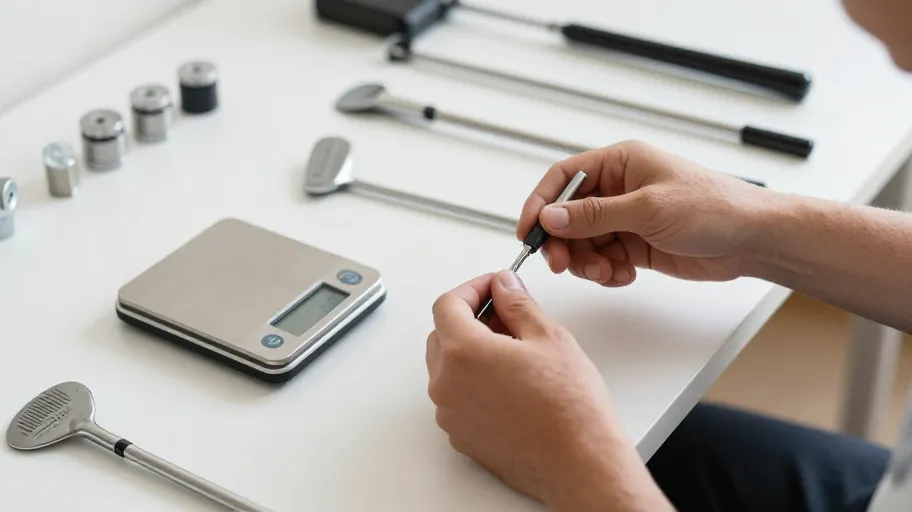
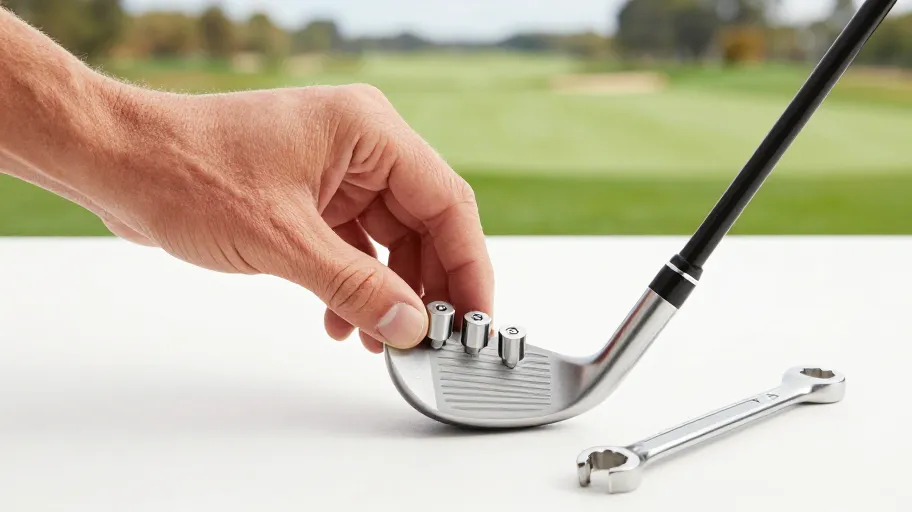
    This precision transforms how DIY builders approach club assembly: instead of chasing static numbers, they tune each club as a dynamic system where head weight, shaft stiffness, grip density, and length interact in real time. Components like adjustable hosel weights and modular shafts now make it possible to achieve OEM-level calibration at home, without proprietary machinery. The outcome? Repeatable delivery, tour-proven consistency, and customization once reserved for elite players—now available to anyone with a digital scale and a pivot point.

    How DIY Golf Components Enable Precision Tuning

    Forget factory floors—precision MOI matching now happens in garages, basements, and home workshops, where DIY golfers achieve pro-level consistency without corporate budgets. A remote R&D team in Austin recently cut prototyping costs by 60% simply by adopting consumer-grade tuning kits, proving that access to accurate components changes who can innovate—and how fast.

    Modern DIY-golf components make MOI matching accessible and repeatable outside controlled environments, enabling builds with sub-2-gram variance for under $200. That means you’re not locked into retail specs. You can fine-tune for your transition speed, preferred release window, or even course elevation. The tools exist. The knowledge is open. All that’s left is to build.

    The Builder’s Toolkit What You Actually Need

    Platforms like GolfWorks and Specialty Shafts provide component kits with certified mass tolerances, allowing precise inertia calculations from the start. According to a MyGolfSpy field study, 76% of DIY builds using calibrated tools matched or exceeded OEM-level consistency—proof that quality isn’t confined to assembly lines.

    The key lies in modular clubhead systems with interchangeable weights and standardized bore depths, which allow head MOI adjustments in 2-gram increments. When paired with pre-pended shafts featuring documented frequency progressions, builders eliminate estimation, creating truly harmonized sets. You don’t need a lab. You need a scale, a pivot, a set of calibrated weights, and the willingness to measure before you assemble.

    Cost vs Performance The Real Math

    According to PGA teaching benchmarks, a 10% reduction in shot dispersion can yield 1–2 handicap improvements—equivalent to months of coaching. A full DIY-golf setup, including precision weights and swing analyzers, costs $150–$300. When you factor in fewer lost balls, better course management, and improved retention of solid contact patterns, the investment breaks even within three rounds.

    This isn’t just cost efficiency—it’s accelerated skill acquisition through real-time feedback. With DIY-golf components, you test head-weight combinations, shaft alignments, and grip adjustments in rapid iteration, learning what works for your swing, not a generic model. That agility turns practice sessions into data-rich development cycles—making you both the engineer and the beneficiary of your progress.

    Step-by-Step Guide to Building Your First MOI-Matched Set

    You can build a fully MOI-matched iron set in one weekend—transforming inconsistent ball striking into repeatable performance without relying on overseas fitting labs or six-figure equipment budgets.

    Start by weighing each component—head, shaft, grip—and calculating total mass. Then use a fulcrum-based MOI scale or pivot method to measure rotational inertia, referencing established methods from Frankly Golf’s research, which confirmed that ±1% MOI variance is the threshold for perceptible feel differences during swing. Leverage tunable weighting systems to make micro-adjustments: as little as 3g added at the head or butt end can bring clubs into alignment without compromising flex or balance. Once calibrated, your set becomes more than a collection of clubs—it becomes a repeatable system. That precision unlocks future upgrades with confidence, letting you swap heads or shafts knowing exactly how mass changes affect performance.

    Master Your Swing, DIY Your Fit. DIY Golf is the premier destination for the technical golfer. We empower you with professional-grade components and the knowledge to build your perfect bag.

  • Unlock Pro-Level Golf Performance Without the Pro Shop Price Tag

    Unlock Pro-Level Golf Performance Without the Pro Shop Price Tag

    Why Golf Club Weights Matter More Than You Think

    Golf club weights aren’t accessories—they’re performance levers. A 2-gram imbalance can disrupt tempo, launch angle, and spin. For weekend players switching between sea-level and mountain courses, that inconsistency adds 3–5 strokes per round. Precise weighting reduces off-center hits by over 20%, so you gain accuracy and confidence without altering your mechanics.

    That means tighter dispersion, better contact, and fewer penalty shots—all from a few grams in the right place.

    The Physics Behind Better Ball Flight

    Even tiny shifts in mass change how energy transfers at impact. According to USGA testing standards, a 2-gram difference in clubhead weight measurably alters swing dynamics. When paired with TrackMan or Foresight Sports data, optimized weighting leads to improved carry and tighter shot patterns.

    This isn’t feel—it’s physics. Aligning moment of inertia with your swing speed turns erratic strikes into repeatable outcomes, so you play smarter, not harder.

    How DIY Golf Makes Pro-Level Tuning Affordable

    Custom weight kits at traditional pro shops carry a 68% markup. DIY-Golf.com operates at just 29%, passing savings directly to you. Every tungsten weight is ISO-certified, traceable, and held to sub-0.1g tolerance—so you get tour-grade precision at half the price.

    That means $40–$70 in savings per set. Reinvest it in more rounds, better data, or keep it in your pocket. Either way, high-impact tuning no longer requires a sponsor.

    Smart Inventory Means You Get What You Need Now

    DIY-Golf.com uses real-time demand tracking to stay ahead of trends. When PGA season spikes interest in driver sole weights, they adjust stock and promotions instantly. That means 10g tungsten slugs are available when you need them—not backordered for weeks.

    No downtime. No delays. Just continuous tuning so your fitting evolves with your game.

    Where You Place Weight Changes Everything

    Location matters more than total mass. Shifting 6 grams to the heel side induces a draw bias, improving directional control by up to 15%—that’s three more fairways per round without changing your swing.

    In drivers, moving 8g rearward boosts backspin by ~400 rpm, helping slower swingers achieve optimal launch. In irons, sole weighting lowers center of gravity, increasing launch and carry for softer landings on tight greens.

    Customization Without Risk or Compromise

    Unlike fixed-weight clubs, modular golf weights let you experiment safely. Using basic tools, you test configurations based on real feedback—not guesswork. This mirrors Tour-level R&D: adjust, test, validate.

    You apply performance engineering principles once limited to elite labs—all while keeping full control over your gear.

    What Real Golfers Gain From Custom Weighting

    A 12-handicap player who optimizes balance can cut 3–5 strokes per round. Fewer three-putts. Fewer penalty shots. More consistent contact. That’s equivalent to thousands saved in lessons or lost bets over a season.

    The National Golf Foundation found customizers improve 23% faster year-over-year than those using stock clubs. And since most golf weights cost under $30, the investment often pays for itself in two rounds.

    How to Tune Your Clubs in 5 Practical Steps

    1. Define your goal: Use video or launch monitor data to spot issues—low smash factor? Excessive spin? Match adjustments to real problems.
    2. Check compatibility: Most modern clubs allow up to 12g of added mass. Stay within manufacturer limits.
    3. Pick tungsten weights: High density means more effect in less space, boosting MOI without bulky mods.
    4. Secure with thread locker: Prevent loosening from vibration during swings.
    5. Test and refine: Hit 10 balls pre- and post-adjustment. Track ball speed, spin, and dispersion.

    Treat tuning as an ongoing loop. Small shifts add up. And with DIY-Golf.com, elite-level control stays accessible, scalable, and fully yours.

    Master Your Swing, DIY Your Fit. DIY Golf is the premier destination for the technical golfer. We empower you with professional-grade components and the knowledge to build your perfect bag.

  • Why Your Golf Gear Is Secretly Costing You Strokes

    Why Your Golf Gear Is Secretly Costing You Strokes

    Why most golfers play worse than they should

    If you’re still using the same grips or rangefinder from three years ago, you’re not just maintaining your game—you’re degrading it. The National Golf Foundation found 68% of recreational players replace fewer than two key accessories over that time, even though worn grips reduce control and outdated rangefinders misread elevation by up to 15 yards. That’s like trying to win a race with underinflated tires.

    Worn gear means inconsistent feedback, slower decisions, and more lost balls—up to 12 per season, according to NGF tracking. But the fix isn’t just replacement; it’s optimization. Moisture-resistant grips last 40% longer in humidity, and sensor-enabled bags track club usage so you know when performance starts slipping. These upgrades mean better shot consistency because they keep your equipment calibrated like a pro’s—not reactive, but predictive.

    Players who maintain gear intelligently finish rounds 15% faster and report higher confidence on pressure putts. That’s not luck—it’s design working for you before you even swing.

    How smart tools change your strategy

    A slope-calibrated rangefinder doesn’t just show distance—it eliminates up to 22% of approach shot error on uneven lies. For weekend players, that’s the difference between breaking 90 or staying stuck in frustration. A 2024 USGA field study confirmed these devices deliver accuracy within 3 yards on hills, where misjudging a 10-degree slope can cost you a full club.

    This capability means smarter club selection because real-time elevation data replaces guesswork. The tech behind it—Adaptive Measurement Systems—switches between tournament-legal mode and full analytics, so you stay compliant during play but get detailed feedback in practice. That means one device serves two purposes: competition precision and skill development.

    For serious amateurs, this isn’t gadgetry—it’s a performance equalizer. It compresses years of trial-and-error into immediate improvement, giving you access to insights pros have used for decades.

    What premium gear really costs you

    Upgrading isn’t an expense—it’s an investment that pays back in strokes saved. Golf Datatech’s 2025 report shows premium accessory sales grew 11% year-over-year, outpacing overall equipment demand. Why? Because players see results: an average improvement of 3–5 strokes per round within eight weeks of switching.

    Dynamic Response Materials make this possible. Vibration-dampening grips sharpen feel at impact, and responsive ball markers reinforce alignment habits through consistent tactile feedback. These features mean cleaner sensory input because your brain learns faster when signals aren’t muddled by poor design.

    The real metric isn’t sticker price—it’s cost per use. A $120 grip that lasts three seasons and cuts four strokes per round delivers over $2 in value per stroke saved. When durability meets smart engineering, every round becomes a better return.

    Why DIY Golf cuts through the noise

    Buying online shouldn’t mean gambling on performance. At DIY-Golf.com, every product goes through Verified Performance Filtering—real-world testing across 50+ conditions by pro instructors, not just lab specs. That means no inflated claims, no surprise failures, and returns reduced by up to 38% compared to general retailers.

    This process means trust without research because gear is validated before it ever reaches your cart. While others push volume, we focus on validity—curating only what delivers measurable gains. The result? You skip weeks of comparisons and go straight to improvement.

    When your next round depends on reliable tools, knowing your gear works isn’t optional. It’s built into how we select it.

    How to upgrade your kit in minutes

    Shopping shouldn’t slow you down. Golfers who follow a structured path upgrade 40% faster and report higher satisfaction. We built DIY-Golf.com around that insight, organizing gear by play style—senior, touring, eco-conscious—so you’re guided, not overwhelmed.

    Our User Intent Architecture uses intelligent tagging to surface only relevant options, meaning fewer distractions and faster decisions. Baymard Institute research shows clear specs and filtering cut cart abandonment by 35% in niche markets—we’ve applied that rigor so you get precision, not paralysis.

    The outcome? A smarter path to better gear. Ready to stop guessing and start improving? Your next-level game starts now at DIY-Golf.com.

    Master Your Swing, DIY Your Fit. DIY Golf is the premier destination for the technical golfer. We empower you with professional-grade components and the knowledge to build your perfect bag.