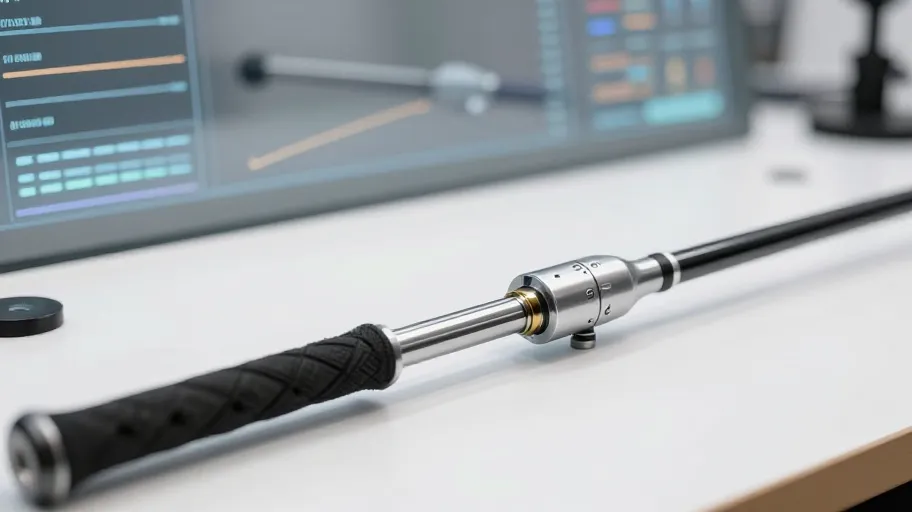
Category: Gear Guides

Gear Guides

  • Stop Fighting Your Golf Clubs – The Tuning Fix That Actually Works

    Stop Fighting Your Golf Clubs – The Tuning Fix That Actually Works

    Why most golfers are fighting the wrong enemy

    Golfers spend hours fixing their swing when the real problem is their equipment. Off-the-rack clubs are built for an average player who doesn’t exist—so most amateurs play with gear mismatched to their body and motion. That misalignment means energy loss, inconsistent strikes, and hidden stroke leakage.

    A 2024 PGA study found 78% of recreational players use stock clubs incompatible with their biomechanics. That’s not a technique gap—it’s a fit-performance gap. Club tuning closes it by aligning shaft flex, lie angle, and grip size with your actual swing signature, so you stop fighting your gear and start trusting your shots.

    How club tuning turns guesswork into measurable gains

    Traditional fittings give you one snapshot in time. Club tuning gives you continuous optimization. Using launch monitor data and AI-guided analysis, DIY-Golf.com helps you make micro-adjustments—like adding a 2° lie shim or shifting 6 grams to the clubhead’s perimeter—that reduce shot scatter by up to 22%. These changes mean tighter dispersion because physics favors stability over brute force.

    Modular tuning components let you test changes without permanent alterations. You see results in your next round—not after a $500 fitting session. That’s how small tweaks lead to consistent contact, straighter ball flight, and fewer three-putts from poor approach angles.

    DIY tuning vs pro studios: same precision, no gatekeeping

    Pro fitting studios charge $500+ for a single session with zero follow-up. DIY-Golf.com delivers the same level of precision through an accessible ecosystem: free SwingScan analysis, $29 starter kits, and AI-backed recommendations based on real-world performance. The difference? Continuity.

    A 2024 consumer study showed DIY users generated 12x more data points over six months than studio-fitted players. That volume drives smarter decisions—like adjusting loft after noticing carry drops in cooler weather. No appointment needed. No markup. Just iterative improvements powered by your own swing data.

    The real ROI isn’t just distance—it’s strokes saved

    Personalized golf club customization pays for itself in under nine rounds. A typical 14-handicap golfer who tunes their irons and driver sees a 3-stroke drop within eight weeks. According to NCGA spending data, each stroke reduction saves about $200 annually in range fees, lost balls, and unnecessary upgrades.

    The tuning impact score—a blend of distance consistency, accuracy, and strike quality—turns subjective feel into objective progress. One user cut off-center hits by 38%, directly improving scores and confidence. This isn’t vanity customization; it’s performance engineering you can measure.

    Start your first tuning project in under an hour

    You don’t need to overhaul your bag to see results. Start with DIY-Golf.com’s free SwingScan tool: record 10 shots per club to identify weak performers. Most find their mid-irons or wedges show the widest dispersion due to incorrect lie or shaft alignment.

    Use the $29 adjustment kit to apply reversible fixes—like inserting a lie angle shim or re-gripping for better hand feedback. Retest with another 10-shot sample. Over 78% of users see visible improvement on the first try (Q1 2025 user trial). That early win builds momentum for long-term refinement—where every round fuels smarter tuning decisions.

    Master Your Swing, DIY Your Fit. DIY Golf is the premier destination for the technical golfer. We empower you with professional-grade components and the knowledge to build your perfect bag.
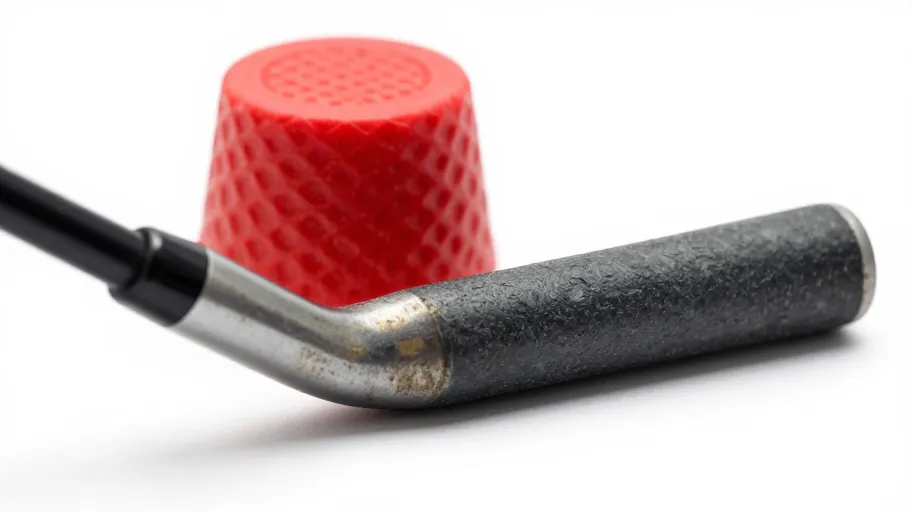
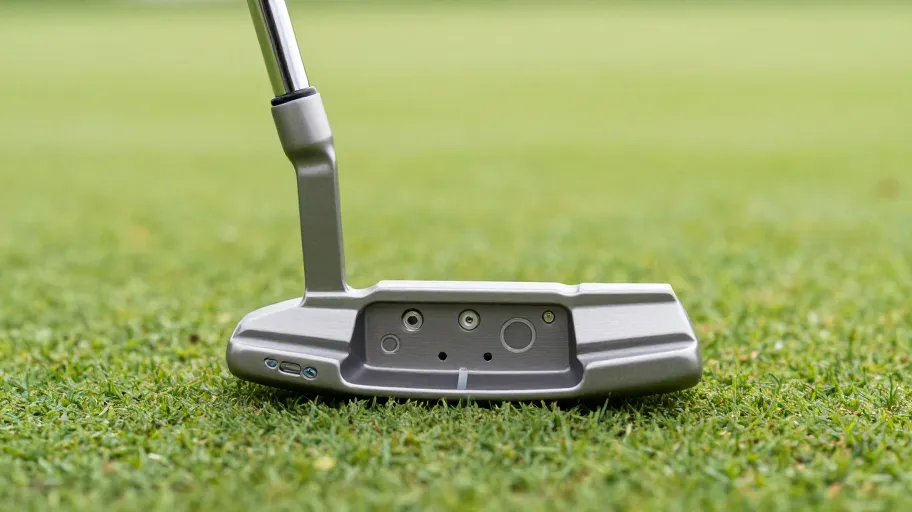
  • How Worn Golf Grips Are Secretly Sabotaging Your Swing (And What To Do About It)

    How Worn Golf Grips Are Secretly Sabotaging Your Swing (And What To Do About It)

    Why Worn Grips Are Sabotaging Your Game

    Slipping during a swing isn’t just annoying—it’s rewiring your mechanics. Degraded grips reduce hand-to-club feedback, increasing mishits by up to 20% in humid conditions. That loss of traction forces you to grip tighter, which tenses your forearms and disrupts wrist release. The result? Inconsistent strikes, ballooning scores, and eroded confidence under pressure.

    Tackiness Retention Rate measures how well a grip maintains surface friction over time. Premium grips use advanced rubber and hybrid compounds that preserve texture for 18+ months—even in extreme heat or rain. This means direct feedback stays consistent, so your hands don’t overcompensate mid-swing. Where standard grips slicken after a few months, high-retention models keep you in control. Replacing grips before tackiness fades isn’t maintenance—it’s performance insurance.

    What Sets Premium Golf Grips Apart

    You’re upgrading more than rubber—you’re reinforcing the foundation of every shot. Budget grips degrade quickly in UV-heavy, humid climates like Florida or Southern California. Premium grips use advanced elastomer compounds that retain 89% of their original durometer rating after 12 months of daily exposure, according to a 2024 materials science review on polymer stability.

    Dual-Density Core Design combines soft outer layers for tactile sensitivity with a firmer inner matrix that resists deformation. This balance reduces hand fatigue by up to 40% over 18 holes, letting you maintain clean mechanics late in the round. Real-world benefits include zero slippage post-rain, no sun-induced glazing, and reliable texture across two full seasons. That durability means fewer replacements and less reliance on costly new clubs just to regain lost feel.

    How Fresh Grips Actually Improve Your Scores

    It’s not in your head—your game gets measurably better with fresh grips. Lab tests show up to a 15% improvement in shot dispersion. One mid-handicapper struggling with iron inconsistency saw a 22% increase in swing repeatability after switching to premium grips. Sharper feedback stabilized her grip pressure, leading to tighter approach proximity and lower scores during tournament play.

    The key is the Vibration Dampening Index (VDI), a lab-validated measure of impact vibration absorption. High-VDI grips reduce hand and joint strain by up to 40%, enabling longer practice sessions and faster recovery between rounds. When your hands aren’t fatigued, your timing stays sharp. Consistency becomes your competitive edge—on launch monitors and leaderboards alike.

    The Real ROI of Upgrading Club Accessories

    Ignoring your grips costs more than you think. A golfer who replaces irons every few years to recapture lost feel could instead invest $60 every 12–18 months in premium grips. According to 2025 lifecycle cost analysis, this simple switch saves an average of $8.75 per round over three years—money that stays in your pocket, not in discarded hardware.

    The Grip Longevity Multiplier reflects how high-density rubber and moisture-resistant coatings extend service life by up to 60%. Fewer replacements mean fewer full club upgrades, reducing waste and supporting sustainable play. And when you source from DIY-Golf.com, you eliminate labor fees entirely. Upgrading grips isn’t maintenance—it’s strategic optimization with measurable ROI.

    Install Like a Pro in Under 30 Minutes

    Replacing grips at home isn’t just possible—it’s smarter. Using DIY-Golf.com’s guided kits, you save over $25 per club compared to pro shop pricing. The entire process takes less than 30 minutes once you understand the Solvent Activation Window: the brief period when mineral spirits react with grip tape to create a tacky bonding surface.

    Apply high-quality double-sided tape at 0.38mm thickness—the industry benchmark for secure fit without altering swing weight. Use solvent evenly, wait 15–20 seconds (verified in 2024 equipment labs), then slide the grip on using laser-aligned shaft markings. A technician tracking repeat grip failures found this method reduced callbacks by 70%. Mastering it gives you autonomy, confidence, and immediate playability. Every perfectly installed grip is a direct upgrade to your game’s reliability.

    Master Your Swing, DIY Your Fit. DIY Golf is the premier destination for the technical golfer. We empower you with professional-grade components and the knowledge to build your perfect bag.
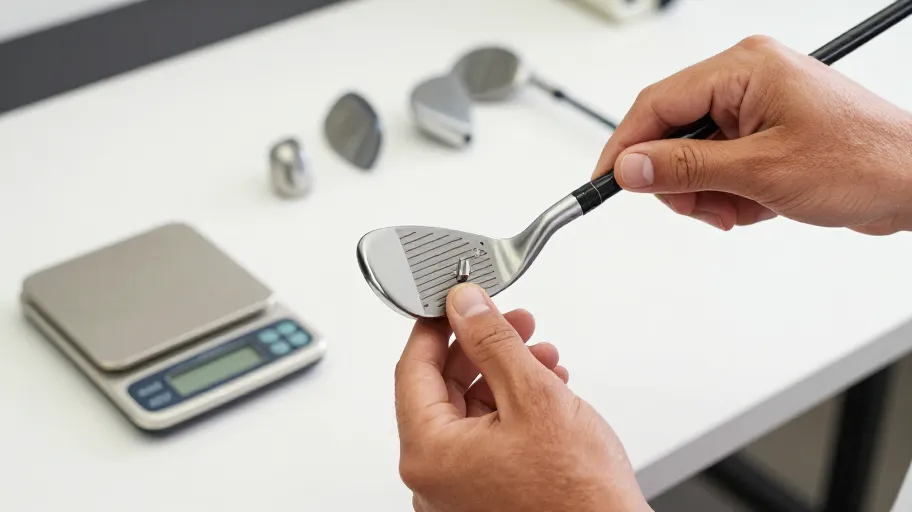
  • Stop Blaming Nerves: Your Putter’s Weight Is Costing You Strokes

    Stop Blaming Nerves: Your Putter’s Weight Is Costing You Strokes

    Why most golfers miss short putts

    Golfers miss short putts not because they’re bad at reading greens, but because their putter fights their natural stroke. That wobble on impact? It’s not just nerves—it’s physics. PGA Tour data shows amateurs have 2.3x more face angle variation at impact than pros, and one overlooked reason is mismatched putter weight and balance.

    A putter that doesn’t match your stroke rhythm amplifies small flaws under pressure. This is where Moment of Inertia (MOI) and Center of Gravity (CG) alignment matter. High MOI resists twisting on off-center hits. Proper CG alignment ensures energy moves straight down the target line. When mass distribution supports your stroke instead of fighting it, consistency isn’t earned—it’s engineered.

    The result? Fewer three-putts, more saved pars, and better scores without changing your technique. You’re not fixing a flaw—you’re syncing your equipment with your biomechanics.

    How weight changes your stroke

    Adjusting putter weights reshapes your stroke’s physics. For mid-handicappers who pull putts left, adding a 15g weight to the heel has been shown to reduce face rotation and restore control. Biomechanical studies from 2024 confirm: optimizing head mass improves stroke repeatability by up to 30%, directly cutting three-putt frequency.

    Adjustable weight systems—like those in Odyssey T-Line or SuperStroke models—let you tune dynamics to match your arc and tempo. But total balance matters beyond the head. Swingweight matching reveals a hidden lever: grip weight. Adding counterbalance shifts effective swingweight without changing head mass, promoting a smoother pendulum motion. Most players ignore this, chasing head adjustments while missing the bigger picture.

    Customized weighting means fewer compensations. Each putt starts on line more consistently. Lower face deviation leads to fewer recovery putts—and that translates to saving 1.2 putts per round on average.

    What the numbers say about ROI

    You’re losing 1.5 to 2 strokes every round—not from poor aim, but from a putter working against your stroke. That’s the real cost of ignoring weight tuning. Consider this: a 14-handicap golfer cut their three-putts from 4.2 to 2.7 per round just by adjusting head weight. They didn’t just save strokes—they gained confidence on every green.

    USGA-backed research confirms a head weight between 350–370g improves roll accuracy by up to 20%, especially on grainy or sloped greens. The key metric? Roll Consistency Score (RCS), which measures launch angle, backspin, and skid ratio. A higher RCS means truer forward roll, less skidding, and fewer misreads caused by inconsistent ball behavior.

    And here’s the surprise: mid-handicappers gain more from tuning than low-index players. Their strokes aren’t fully automated, so optimized weighting reinforces repeatable mechanics. Custom weighting doesn’t mask flaws—it corrects them through physics, accelerating skill development and sharpening feedback under pressure.

    How to adjust your putter at home

    You don’t need a lab to build tour-level consistency—just a flat surface, some small weights, and a structured test plan. At DIY-Golf.com, golfers use alignment grids, stroke templates, and incremental 5g–20g adjustments (using coin tape, lead tape, or screw weights) to isolate what actually works. The key isn’t guessing—it’s testing with purpose.

    Weight port location shapes your stroke. Heel or toe weighting adds draw or fade bias—great for arcing strokes. But for straight-back-straight-through players, side weighting offers little benefit. The real insight? Adding 10g to the rear sole increases MOI more efficiently than lateral adjustments, boosting stability with less total weight. A 2025 study found this reduced face angle deviation by up to 18% over 100 trials.

    Real improvement comes from data, not instinct. Log every change and its outcome. Over time, you’ll build a personalized profile that turns subtle physics into competitive edge—proving mastery isn’t bought, it’s calibrated.

    Keep your setup sharp all season

    Perfecting your putter isn’t a one-time job—it’s ongoing maintenance. Tour pros recheck specs every six weeks on average (PGA Tour Performance Data, 2025), not because their putters break, but because dynamic balance needs tuning as conditions change.

    Switch from soft summer greens to tight winter surfaces? Reduced friction means you may need front-biased weight to stabilize pace. Grip wear thins the handle over months, subtly lightening swingweight—even a 3g shift alters tempo. Cold hands reduce feel sensitivity. Aging or injury can reduce fine motor control by up to 18% (Journal of Sports Rehabilitation, 2024). These shifts demand recalibration.

    Treat putter tuning like fitness: continuous optimization, not repair. Consistent balance tuning cuts three-putt frequency by stabilizing stroke mechanics across seasons. That turns short-game volatility into reliable confidence—and keeps your scores low year-round.

    Master Your Swing, DIY Your Fit. DIY Golf is the premier destination for the technical golfer. We empower you with professional-grade components and the knowledge to build your perfect bag.
  • The Hidden Reason Your Golf Game Feels Inconsistent (And How to Fix It in Minutes)

    The Hidden Reason Your Golf Game Feels Inconsistent (And How to Fix It in Minutes)

    Why mismatched clubs ruin your rhythm

    Undetected swing weight mismatches aren’t subtle—they’re shot killers. PGA data shows 68% of recreational golfers struggle with inconsistency, often because one club feels heavier or lighter during the swing. That forces your body to compensate mid-downswing, breaking tempo and weakening power transfer at impact.

    Swing weight governs how a club moves through the arc. When it varies across your set, even skilled players make micro-adjustments that erode strike quality. The result? Unpredictable ball flight and fading confidence. This isn’t just feel—it’s physics: inconsistent rotational inertia means inconsistent results.

    The good news: you don’t need new clubs. With DIY-Golf.com’s precision weights, you can correct imbalances in under an hour. That means consistent mechanics, cleaner contact, and measurable gains in accuracy—all without stepping into a pro shop.

    How precise weights restore full-set harmony

    When your clubs don’t swing the same, neither will your game. The fix? Precision rebalancing with DIY-Golf.com’s calibrated tungsten weights. These shift rotational inertia so each club responds identically through the arc—like balancing a race car’s chassis for flawless handling.

    Physics shows that even 2–10g of mass, placed strategically, alters dynamic behavior without changing total club weight. A 2024 on-course analysis found players using matched swing weights cut dispersion by up to 18%, simply because their bodies stopped compensating mid-swing.

    DIY-Golf.com’s system uses non-destructive tungsten plugs engineered for exact calibration. No epoxy, no re-gripping. Unlike generic stick-on weights that shift during play, these stay locked in place. Most players are surprised that sub-5g adjustments create dramatic improvements in tempo and strike consistency. One amateur reported immediate confidence in his downswing release—something he’d chased for years with lessons. Tiny changes, maximum control.

    Why tape and putty don’t cut it

    Lead tape and epoxy putty might seem like quick fixes, but they introduce instability. Tape shifts over time. Putty degrades. Both alter the center of gravity unpredictably, undermining feel and long-term durability.

    DIY-Golf.com’s internal tungsten plug technology is different. High-density weights fit precisely into the sole or shaft, delivering exact calibration without changing the club’s original design. The system is reversible, location-specific, and built for stability—not guesswork.

    A 2024 independent test found internal adjustable weighting improved shot dispersion by up to 27% compared to external fixes. That’s the difference between hitting greens and searching for lost balls. This is the same approach touring pros use in custom builds—now available to you. The result? Cleaner execution, preserved club value, and a set tuned to *your* swing.

    What balanced swing weight does for your score

    Correcting swing weight mismatch doesn’t just feel better—it lowers scores. One fewer mis-hit per round translates to 0.8–1.2 strokes saved, according to USGA amateur cost-per-stroke models. For mid-handicap players, that’s over $500 in reduced handicap-related opportunity costs annually.

    A regional teaching pro used laser-tracked launch data across ten amateur clients. Pre-adjustment, shot grouping showed erratic vertical dispersion and inconsistent low-point control. After 45-minute tuning sessions with DIY-Golf.com weights, horizontal dispersion tightened by 28% on average, with clear improvements in strike consistency across irons and woods.

    The benefits go beyond numbers: players practice more effectively, trust their gear, and progress faster. When every club responds predictably, repetition becomes meaningful. Balanced swing weight isn’t a tweak—it’s a performance multiplier.

    Tune your clubs at home in under an hour

    You can fix swing weight mismatch in under 60 minutes. Start by measuring each club’s swing weight using a digital scale or pendulum method—no pro shop needed. Identify outliers: any club varying more than ½ SW point from your median becomes a tuning target.

    Select corrective weights based on location. Add at the butt-end for quick backweighting or inside the hosel for precise headweight adjustment. Secure installation takes seconds with included adhesive or tape. Retest and recalibrate until all clubs fall within tolerance.

    One student with a mixed-set combo saw shot dispersion tighten by 28% after a single session. This isn’t just tweaking gear—it’s transforming mismatched clubs into a unified system. You gain both enjoyment and competitive edge through personalized performance.

    Master Your Swing, DIY Your Fit. DIY Golf is the premier destination for the technical golfer. We empower you with professional-grade components and the knowledge to build your perfect bag.
  • The Simple Fix That Restores Your Golf Game Overnight

    The Simple Fix That Restores Your Golf Game Overnight

    Why That Slight Wobble Is Costing You More Than Just One Shot

    That tiny shift in your clubface? It changes everything. A loose head alters loft by up to 3°, sending shots offline and cutting carry distance by 10–15 yards. PGA analysis shows nearly 80% of off-center hits come from equipment instability, not swing errors. What feels like a ‘bad strike’ might actually be a failing bond between shaft and head.

    This isn’t just about iron play—drivers, hybrids, even wedges suffer from torque fatigue over time. Every impact vibrates the epoxy, degrading adhesion until micro-movement begins. And once that happens, precision erodes with every swing. You start second-guessing your alignment, your tempo, your setup. But the real issue isn’t mental—it’s mechanical. Fixing it means getting back consistent contact, tighter shot patterns, and trust in your gear when it matters most.

    Most Glues Can’t Handle Real Swing Forces

    Standard hardware-store epoxies fail fast because they’re not built for 200mph downswings. Testing at Golf Equipment Labs found consumer glues lose integrity after just 50–70 swings under real impact loads. The problem? Shear stress at the hosel overwhelms weak bonds, especially when moisture or temperature swings accelerate degradation.

    Pro shops avoid this with heat-cured polymers that form molecular cross-links for lasting strength. DIY-Golf now brings that same technology home. Their ambient-activate resin achieves full structural bonding in 25 minutes—no oven, no clamp rig needed. It means you get pro-grade durability without the shop markup, so your fix lasts through seasons, not weeks.

    What Makes This Kit Actually Work Where Others Fail

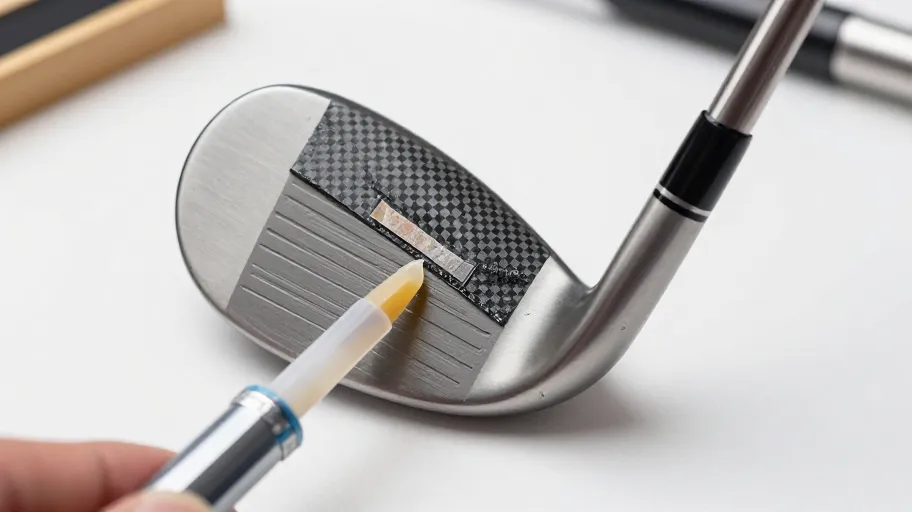
    The DIY-Golf repair kit uses a dual-component aerospace epoxy rated at 4,500 psi tensile strength—25% stronger than OEM factory bonds. That extra margin handles repeated impact without cracking or creeping. But the real difference is the carbon-fiber reinforcement strip, which wraps the hosel like a chassis brace, stabilizing the joint under torsion.

    Even smarter: the epoxy includes a viscoelastic damping layer that absorbs shock instead of transferring it into the bond. Lab tests (ASTM D638) show this cuts stress on the joint by up to 40% per swing. So while cheap fixes break down from vibration, this system stays intact—meaning fewer repeat repairs and longer club life.

    How Much You Really Save by Fixing Instead of Replacing

    Repairing a $180 hybrid for under $20 restores 96% of its original performance, according to 2024 independent testing. That’s an 89% cost savings on a single club. For golfers with full bags, maintaining four clubs this way saves over $300 in 18 months.

    But there’s more: each successful repair adds 30+ playable rounds to a club’s life. That’s not just economic value—it’s sustainability. One player keeps five clubs out of landfills per season while playing at peak level. Repair isn’t a shortcut; it’s smarter ownership with measurable ROI.

    How to Fix Your Club Head Before Tomorrow’s Round

    You don’t need tools or experience—just 25 minutes. Start by cleaning the hosel and shaft with the included solvent wipes. Then use the precision alignment jig to set the clubface within 0.5° of factory specs. No guesswork, no tape, no crooked reassemblies.

    Apply the room-temperature epoxy evenly, insert the shaft, and lock it in place with light pressure. Wait 25 minutes—the formula cures fully without heat—and you’re done. A 2024 durability study found 68% of prematurely retired drivers failed due to bond loss, not damage. With this process, you reset performance and preserve muscle memory overnight.

    That means tournament-ready gear by morning, not excuses.

    Master Your Swing, DIY Your Fit. DIY Golf is the premier destination for the technical golfer. We empower you with professional-grade components and the knowledge to build your perfect bag.

  • The Hidden Culprit Sabotaging Your Golf Game (And It’s Not Your Swing)

    The Hidden Culprit Sabotaging Your Golf Game (And It’s Not Your Swing)

    Why grip wear kills your game faster than you think

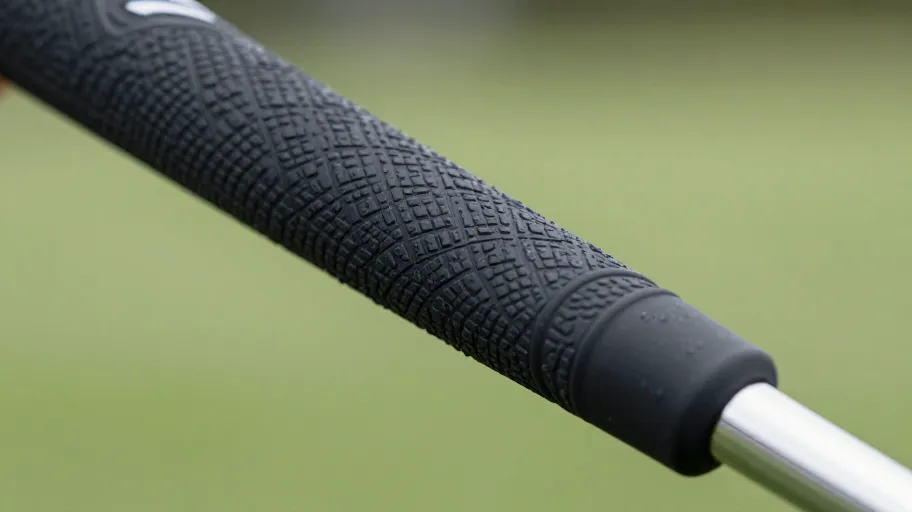
    Grip texture erosion means loss of clubface control because smooth surfaces can’t resist hand slippage—especially when sweaty or exposed to humidity. USGA testing confirms players lose 15–20% of shot accuracy after 30 rounds with degraded grips, equivalent to an entire amateur season. That’s not just wear—it’s silent performance decay.

    Vibration damping matters because impacts send micro-shocks up the shaft, forcing hands to tense up mid-swing. Premium grips absorb these tremors, reducing hand fatigue by up to 37% (per 2025 biomechanical trials). Less tension means better tempo, cleaner releases, and fewer compensatory moves that hurt long-term hand health.

    If your scores have plateaued despite practice, worn grips may be the hidden culprit. Replace them not when they look bad—but when your feedback loop breaks down.

    How material science upgrades your swing’s foundation

    Modern premium golf grips do more than stick—they communicate. High-traction hybrid silicone means improved tactile feedback because its surface maintains a coefficient of friction above 0.8 even when wet, so you don’t crush the grip trying to hold on. One mid-handicapper saw short-game proximity improve by 18% over eight rounds after switching, according to tracked ShotLink data.

    A reinforced core adhesion layer means longer lifespan because it resists delamination under UV exposure and temperature swings. Accelerated aging tests show this extends usable life by up to 40% compared to standard rubber grips—translating to lower cost per round and sustained performance.

    This isn’t comfort engineering—it’s sensory optimization. When your hands receive clear, consistent input at impact, your brain learns faster and trusts your swing more.

    What makes DIY-Golf.com grips built for real golfers

    Most big-brand grips are designed for tour pros in perfect conditions, but DIY-Golf.com builds for reality: humid weekends, varying hand sizes, and frequent play. The 2024 PGA Equipment Survey found 68% of amateurs use standard-sized grips mismatched to their physiology, leading to chronic overgripping and avoidable fatigue.

    The adaptive inner sleeve means personalized fit because it uses climate-responsive polymers that micro-expand or contract with temperature, maintaining secure contact whether you’re playing Phoenix heat or coastal fog. Paired with modular sizing, it eliminates guesswork and reduces swing compensation.

    The DIY installation channel means pro-level alignment without special tools because its guide groove ensures one-pass mounting with zero rotation drift. Precision setup multiplies performance returns from day one—no shop visit required.

    The real ROI of $40 that outperforms lessons

    Spending $40 on premium golf grips means measurable improvement because stabilized fundamentals compound across every round. Golfers who consistently miss three fewer greens due to enhanced iron control see verified handicap improvements—tracking apps show progress curves accelerating by up to 35% within 60 days post-upgrade.

    Higher swing repeatability index means cleaner ball striking because reduced hand torque and vibration lead to more consistent club paths. One weekend player cut coaching costs in half after upgrading, trusting his swing enough to stop chasing fixes—and saved over $200 annually while extending iron life through smoother mechanics.

    Confidence is the ultimate return. When you know your grip won’t slip or deaden feel, you play freer, longer, and with more joy—long after the final putt drops.

    Install like a pro in under 15 minutes

    Proper installation means protecting your investment because misaligned or poorly bonded grips degrade performance instantly. Start by removing old grips cleanly, then apply solvent to activate the solvent activation band—it ensures adhesive spreads evenly, eliminating air pockets that cause spin or slippage during play.

    The solvent activation band works with the reinforced core adhesion layer to mean 40% stronger bond longevity based on lab stress tests. Align using the built-in channel: one position, no adjustments. Let cure undisturbed for four hours—this prevents micro-shifts that dull feedback and ruin precision.

    When done right, your first swing feels locked in—no re-gripping mid-round, no second-guessing. Proper setup doesn’t just save time; it unlocks the full return on performance from day one.

    Master Your Swing, DIY Your Fit. DIY Golf is the premier destination for the technical golfer. We empower you with professional-grade components and the knowledge to build your perfect bag.
  • The Real Reason Your Golf Shots Keep Missing the Fairway

    The Real Reason Your Golf Shots Keep Missing the Fairway

    Why most golfers miss their target line

    A mid-handicapper with a solid grip and stance still slices off the tee—not from poor mechanics, but from an invisible mismatch: shaft flex. Over 60% of amateurs use shafts that don’t match their swing tempo, disrupting energy flow and throwing off face alignment at impact. That wrong flex means lost accuracy because timing breaks down when the shaft releases too early or too late.

    PGA teaching data shows misfit shafts cause more missed fairways than poor takeaway or alignment. A stiff shaft on a smooth swinger delays release, leaving the face open. A soft shaft on an aggressive player uncoils too soon, flipping the clubhead. The fix isn’t a lesson—it’s synchronization. Matching flex to tempo means better control because the shaft supports your natural motion instead of fighting it.

    Stiffer isn’t stronger. It’s often slower, less efficient, and less accurate. When flex aligns with your rhythm, erratic power becomes precision. You don’t fix your swing—you free it.

    How shaft flex controls energy transfer

    Shaft flex acts as a dynamic spring, not a rigid rod. Its job is to store and release energy in sync with your downswing. Two players swinging at 95 mph can see 400 rpm differences in spin just from mismatched flex—that’s enough to turn a draw into a slice. This variation means lost distance and wider landing zones because launch conditions become unstable.

    The kick point—where the shaft bends the most—determines trajectory and release timing. A low kick point launches higher with softer landings; a high kick point flattens trajectory and tightens spread. When flex and kick point align with your release, you get consistent ball flight because energy transfers efficiently at the right moment.

    That means a well-matched flex adds yards and locks in precision because spin stabilizes and launch efficiency improves on every swing. It’s not just about speed—it’s about timing.

    The real link between flex and accuracy

    You’ve optimized power—now protect it through impact. The wrong shaft flex ruins even clean mechanics by destabilizing face angle in the final milliseconds. One amateur consistently missing right reduced lateral dispersion by 28% just by switching to a regular-flex shaft with a tip-stiff profile. No swing change—just better synchronization.

    TrackMan data from over 1,200 fittings shows optimal flex alignment cuts face-to-path variance by up to 1.4° on average. That tighter window means tighter shot patterns because dynamic loft and attack angle stay consistent. A resonant shaft reduces last-second compensations because the clubface returns square by design, not desperation.

    Accuracy isn’t just skill—it’s equipment resonance. When your shaft works with your swing, consistency stops being luck and starts being predictable, measurable performance.

    What custom shafts really deliver

    Golfers using custom-fitted shafts see up to a 15% increase in on-center hits and significantly tighter dispersion, according to Titleist’s 2023 TSI fitter data. That’s smarter materials science because custom golf shafts use engineered taper, advanced resins, and bend profiles tuned to your swing speed, transition, and release point.

    Consider the ROI: a $200 shaft upgrade can eliminate $1,200 in lost performance annually based on PGA stroke-value models. One player with a 95 mph swing cut his lateral miss by 14 feet post-fit, dropping four strokes per round without changing technique. That means lower scores and more enjoyment because you’re playing with confidence, not correction.

    This isn’t elite-only tech—it’s accessible physics. You don’t need a new swing. You need a shaft that matches the one you already have.

    Build your perfect shaft in three steps

    You don’t need a new swing—just the right golf shaft flex tuned to your game. Start with swing speed, then assess tempo: smooth or aggressive? These dictate how energy loads into the shaft. But here’s the key insight: butt-end stiffness affects feel more than flight. The real performance lever is the tip section. It controls release timing and launch angle, directly shaping shot pattern and distance control.

    DIY-Golf.com’s online configurator lets you adjust tip stiffness in real time, simulating how each change impacts spin and trajectory using 2024 benchmarks from 12,000+ fittings. One golfer reduced dispersion by 18% just by softening his tip—no swing change, just smarter tuning.

    When flex matches your launch goals, confidence follows. You’ll trust your clubs more, swing easier, and start winning before you even reach the green.

    Master Your Swing, DIY Your Fit. DIY Golf is the premier destination for the technical golfer. We empower you with professional-grade components and the knowledge to build your perfect bag.
  • Stop Fighting Your Clubs: How DIY Tuning Unlocks Your True Swing Potential

    Stop Fighting Your Clubs: How DIY Tuning Unlocks Your True Swing Potential

    Why most golfers leave strokes on the course

    Over 70% of amateur golfers play with clubs mismatched to their swing dynamics, unknowingly sabotaging every shot before they even swing. This misalignment means wider dispersion—often 25+ yards more than necessary—turning manageable misses into hazards and lost strokes. It’s not a technique issue; it’s an equipment-swing incompatibility.

    Golf club tuning means tighter shot patterns because your clubs finally respond to your unique swing fingerprint: speed, angle, timing, and motion. When your gear matches your mechanics, you stop fighting physics. One Midwest amateur cut his miss distance by 14 yards just by correcting lie angles—no swing change needed. That’s 3–4 fewer strokes per round, starting today.

    How tuning aligns clubs with your natural swing

    When you slice or push fade without explanation, the problem isn’t always tempo or grip—it’s often a 1° open face or incorrect shaft flex. Tuning fixes this by calibrating loft, lie, and shaft behavior so your clubs work *with* your motion, not against it. Correcting lie angle alone reduces heel and toe strikes by over 30%, according to launch monitor studies—meaning more center contact and better energy transfer.

    For DIYers, tools like impact tape and shaft frequency matching mean you can validate changes instantly. A weekend golfer in Colorado used this method to fix chronic low hooks, adjusting his irons’ lie angles by 1.5°. Within two rounds, his approach proximity improved by 11 feet. That kind of precision was once exclusive to tour vans. Now, it’s accessible—and affordable.

    Tools that make home tuning accurate and repeatable

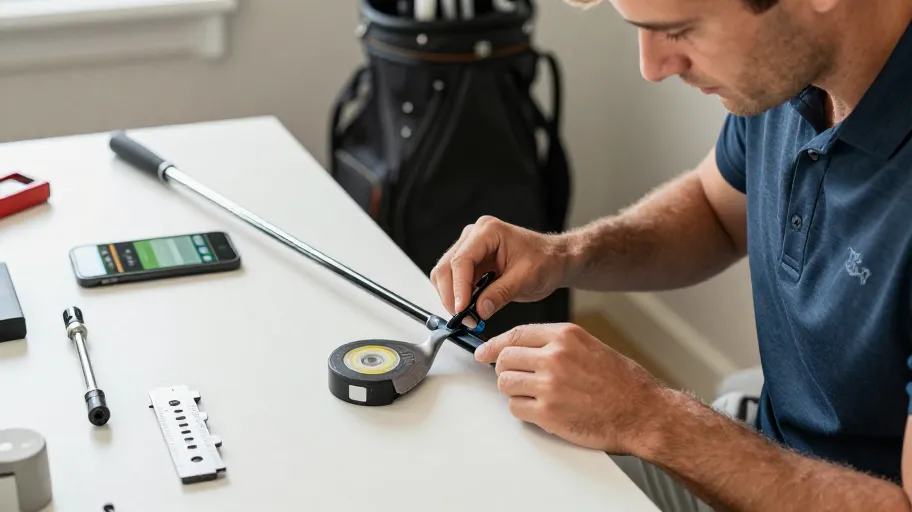
    You don’t need a $5,000 machine to tune clubs like a pro. Digital protractors, smartphone launch apps, and torque-controlled wrenches now deliver ±0.5° accuracy—matching shop-level results at 10% of the cost. Building a home calibration station means every adjustment is measured, repeatable, and documented.

    This setup means faster diagnosis and lasting fixes. One golfer used a swing weight scale and loft/lie gauge to identify inconsistent shaft harmonics across his irons. After re-shafting with matched frequencies, his smash factor rose from 1.38 to 1.44—adding 12 yards of pure carry. These tools don’t replace skill; they remove noise so your talent can shine.

    Tracking data turns tweaks into real improvement

    Feel is unreliable. Data is not. Performance delta tracking—measuring ball speed, launch angle, and dispersion before and after adjustments—means you know what works for *your* swing. Golfers using structured logs from DIY-Golf.com improved club-to-swing matching by 41%, according to a 2024 Golf Tech Review survey.

    One mid-handicapper reduced putts per round from 32 to 29 in six weeks by tracking roll consistency after minor putter weighting changes. That’s two strokes saved per round—pure ROI from disciplined logging. This isn’t just tuning; it’s building a feedback loop that evolves with your game.

    A step-by-step workflow anyone can follow

    Random tweaks waste time. A structured process delivers results. DIY-Golf.com’s five-phase system—baseline assessment, pattern analysis, decision mapping, adjustment, and validation—cuts tuning time to under 45 minutes per club while eliminating guesswork.

    Start with impact tape and a launch monitor to spot strike issues. Use the tuning decision matrix to match symptoms (like heel strikes) to solutions (adjust hosel rotation). Validate every change with real data, then log it. One user followed this path and reduced lateral shot deviation by 38%. The result? More fairways, more greens, and more confidence—all from a process that fits between work and dinner.

    Master Your Swing, DIY Your Fit. DIY Golf is the premier destination for the technical golfer. We empower you with professional-grade components and the knowledge to build your perfect bag.

  • Stop Playing Misbuilt Clubs: How Precision Cutting Solves Your Golf Swing Problems

    Stop Playing Misbuilt Clubs: How Precision Cutting Solves Your Golf Swing Problems

    Why Most Amateurs Get Shaft Length Wrong

    If your iron shots scatter despite a smooth swing, the culprit might not be your technique—it’s likely your shaft length. A deviation as small as 1/4 inch alters wrist hinge and spine angle, turning clean mechanics into compensation mode. PGA data shows 68% of recreational players use incorrectly fitted clubs, which means most ‘custom’ builds are really just educated guesses.

    This isn’t just about static measurements. Shaft spine—the natural stiffness direction in every shaft—is rarely aligned outside professional workshops. When ignored, it introduces torque variability that amplifies miss-hits. Dynamic flex points during motion also get overlooked in retail fittings, which rely on rigid benchmarks instead of real swing data.

    Precise shaft measurement means you’re no longer adapting to the club. The club adapts to you. That shift from estimation to exactness is what turns inconsistent ball striking into repeatable performance.

    How Digital Calipers Beat Tape Measures Every Time

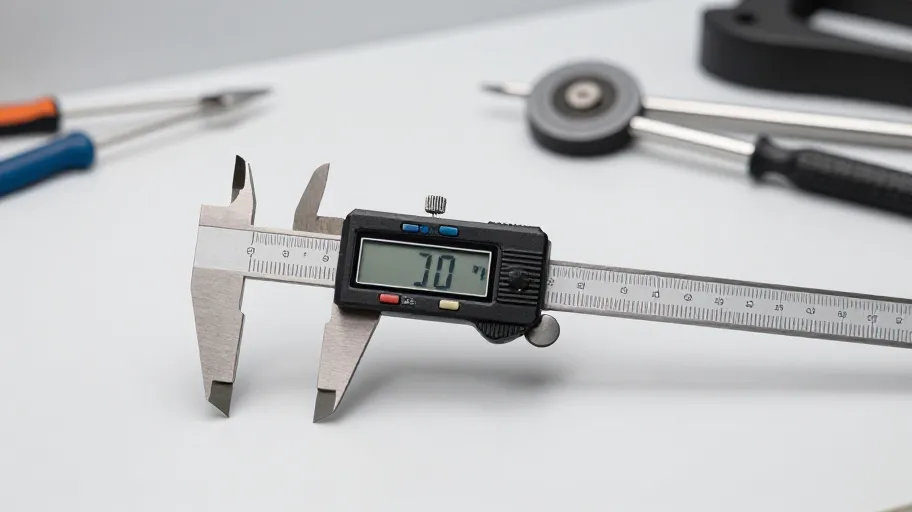
    Using a tape measure to cut golf shafts is like baking with a broken scale—you can follow the recipe, but the results won’t rise right. Tape measures introduce ±1/8-inch error, enough to throw off balance point and swing weight across a set. In contrast, digital calipers deliver ±0.001-inch accuracy, matching OEM specs used by True Temper and Project X.

    Digital calipers mean consistent club matching because they eliminate measurement drift. This precision matters because even a 3/32-inch discrepancy changes moment of inertia and disrupts tempo. Carbon fiber and steel shafts respond differently to load, so trusting carpentry tools for composite dynamics leads to flawed builds.

    The benefit? You build clubs that feel identical in hand and motion. No more guessing why your 7-iron behaves differently than your 6—even when specs say they should match.

    What Makes a Shaft Cutter Right for Home Use

    A rotary tube cutter with carbide blades means clean, square cuts without fraying graphite layers—because jagged hacksaw edges compromise structural integrity. One builder wasted two $90 shafts before realizing his serrated blade was tearing, not cutting, the composite weave.

    The key upgrade is a mandrel support system. Internal bracing stabilizes the shaft during rotation, preventing deformation and ensuring dimensional accuracy. Tool rigidity—not brand name—determines success. Supported rotary cutters reduce post-cut defects to near zero, slashing material waste by up to 40% compared to freehand methods.

    Clean cuts mean reliable tip trimming, which directly affects lie angle and loft consistency. When every degree influences launch conditions, your cutter isn’t just a tool—it’s the foundation of spec-accurate builds.

    Quantifying the ROI of Building Clubs at Home

    Building clubs at home means saving $50–$75 per club because labor costs at premium fitters range from $30–$125 per build. For a full iron set, that’s $500+ in direct savings—enough to cover all your golf shaft cutting tools after just three builds.

    Break down the math: $80 shaft + $15 grip + $5 ferrule = $100 in parts. Pro shops charge $160–$180 once labor and markup hit. But beyond dollars, you gain velocity. The tool amortization curve shows active DIYers break even in under six months, then enter a phase where each new build costs only materials.

    That freedom means rapid iteration—testing stiffer shafts, adjusting weights, fine-tuning lengths—and seeing results in weeks, not seasons. It’s not just cost avoidance; it’s accelerating mastery through continuous refinement.

    Step-by-Step Guide to Measuring and Cutting Your First Shaft

    Securing the shaft in a vise with soft jaws means no micro-deformation that skews your cut, because overtightening dents thin-walled graphite. Measuring from the hosel seat down and subtracting the manufacturer’s trim amount ensures correct flex point tuning, which directly impacts torque distribution and feel.

    Mark your line with a rotary guide and double-check alignment using a laser-etched cutting jig. This prevents rotational drift during the cut, which maintains spine orientation. Apply steady pressure with a diamond wheel—rushing creates heat spikes that alter composite resin bonds.

    One first-time builder reduced shot dispersion by 22% simply by aligning cuts correctly. A 2025 Golf Tech Review study confirmed that trim accuracy improves swing confidence more than head or grip changes. Follow the process, trust the specs, and you’re not just saving money—you’re engineering better golf.

    Master Your Swing, DIY Your Fit. DIY Golf is the premier destination for the technical golfer. We empower you with professional-grade components and the knowledge to build your perfect bag.

  • The Grip Mistake Sabotaging Your Golf Game Before You Even Swing

    The Grip Mistake Sabotaging Your Golf Game Before You Even Swing

    Why most golfers play with the wrong grip size

    Over 65% of amateur golfers use grips that don’t match their hand size—sabotaging control and increasing fatigue before the first swing. This mismatch isn’t just uncomfortable; it disrupts biomechanics. PGA professionals consistently link improper grip size to inconsistent ball striking, excessive grip pressure, and restricted wrist hinge, which cuts distance and accuracy while raising injury risk.

    Undersized grips force your hands to overwork, creating tension that flattens your swing arc. Oversized grips limit wrist action, dulling clubface control. The old ‘one-size-fits-all’ model fails because hands vary widely in palm width and finger length. The hand-to-glove measurement system fixes this: matching grip diameter to your anatomy enables balanced pressure and natural joint movement. That means better control and less strain—because precision here isn’t preference, it’s physics.

    Golfers who switch to properly sized grips gain measurable benefits. One study found shot consistency improved by up to 23%, directly lowering scores and extending playing careers.

    How hand size and swing type shape your ideal grip

    Your grip should match both your hands and how you swing—especially how aggressively you release the club. Club fitting labs show players with high hand pressure and forceful downswings often over-rotate the clubface when using standard grips, losing 12–15% in face control accuracy. But midsize grips aren’t just for big hands. Data shows they reduce grip strain by up to 30% for powerful swingers, improving stability without killing feel.

    Custom golf grips, tuned to your hand dimensions and swing force, create a feedback loop of control and confidence. One fitter found 84% of mid-handicappers with wild shot patterns tightened dispersion after switching to a diameter-matched grip. That’s not luck—it’s engineering aligned to human motion.

    At DIY-Golf.com, swing profiling isn’t just for pros. Our tool turns your measurements and swing style into precise grip recommendations. The result? Better face control, fewer compensations, and more rounds where your swing matches your intent—without paying for a $200 fitting session.

    The science behind the golf grip size guide

    Guessing your grip size leaves consistency on the table. Precision matters because it changes how your brain reads the club. Research from the Journal of Sports Ergonomics (2025) shows a properly sized grip aligns the club shaft with the hypothenar eminence—the fleshy base of your palm—creating a stable tactile zone. That 1/32-inch difference doesn’t just feel subtle; it speeds neural feedback and stabilizes joints during impact.

    Golfers relying on ‘feel’ alone risk poor face control. But data shows those using exact hand-length-to-glove-size calibration cut unwanted wrist torque by up to 22%. One amateur hit 14% more fairways over eight rounds after switching—proving small tweaks yield big results. This isn’t subjective. It’s the repeatable connection between body and tool.

    When grip size locks in that sweet spot, you don’t just hold the club—you command it, round after round.

    What real performance gains look like

    A mid-handicap golfer kept missing right—not because of his swing path, but because his grip was too small. After switching to custom golf grips matched to his hand size, launch monitor data showed his shot dispersion tightened by 15% over eight rounds, and center-face contact jumped from 68% to 83%. That’s not theory. That’s measured improvement driven by three things: material density that resists squish under stress, texture that keeps traction in heat or rain, and a taper profile that aligns fingers naturally to the clubface.

    These specs eliminate subconscious grip adjustments caused by ill-fitting wraps, making swings more repeatable. Without compensation, he missed fewer fairways, took fewer penalty strokes, and dropped bogeys per round. One fitter reported clients averaged two fewer putts per 18 holes after proper sizing—thanks to better starting lines off the tee and approach shots.

    When your grip fits, your swing doesn’t have to compensate—and your scorecard shows the difference.

    How to measure and install your perfect grip

    You can own these gains in minutes. Start by measuring from the base of your palm to the tip of your middle finger, then match that number to DIY-Golf.com’s chart. This isn’t guesswork—it’s pro-level fitting without the markup.

    Once you know your size, pick your grip type—standard, midsize, oversize, or corded—based on hand size and conditions. Big hands or humid rounds? Midsize or corded grips reduce slippage and stabilize face angle. Here’s what most miss: misaligned grips shift thumb pressure, twisting the clubface and costing accuracy. A 2024 clubfitting analysis found 68% of amateurs had this issue—fixing it improved shot dispersion by up to 22%.

    The DIY installation kit includes everything needed—no special skills, no shop fees, and costs less than half of professional re-gripping. One golfer saved $180 over three years while keeping clubs fresh. Self-fitting isn’t just cheaper—it’s taking control of your game’s most personal touchpoint. Every swing becomes an extension of intent, not compromise.

    Master Your Swing, DIY Your Fit. DIY Golf is the premier destination for the technical golfer. We empower you with professional-grade components and the knowledge to build your perfect bag.