Category: Gear Guides

Gear Guides

  • The Secret Behind 68% Fewer Club Failures: Trusted Components

    The Secret Behind 68% Fewer Club Failures: Trusted Components

    The Hidden Cost of Unreliable Golf Club Parts

    Generic golf club parts may seem cost-effective, but inconsistent tolerances—often varying by 0.003 inches—mean a 38% failure rate post-assembly, according to Golf Digest’s 2024 durability report. That translates to higher return rates, costly rework, and damaged reputations. When substandard shafts delaminate or adapters fail under stress, your customers blame your work, not the hidden flaws in uncertified components.

    Nearly half of shops using off-brand inventory faced a public reputational incident in one year. One retailer lost $8,000 on a recall after discovering their ‘value’ shafts used compromised resin ratios. Inconsistent torque response and poor swing weight don’t just hurt performance—they erode trust. The real cost? Lost repeat business and diminished brand equity. Reliable source for golf club components isn’t optional; it’s foundational to sustainable growth.

    How DIY Golf Ensures Every Part Is Trustworthy

    DIY-Golf.com eliminates guesswork with ISO-traceable materials and batch-level certification for every shaft, grip, and head. Unlike opaque suppliers, they embed quality into each part’s DNA through third-party validation with ClubTech Labs, where components undergo real-world stress, fatigue, and torsion testing. This systemic verification—not spot checks—leads to a 68% reduction in field failures, per the 2025 equipment durability benchmark.

    Each high-performance part includes a QR-coded certificate linking to its full material history and compliance data. One Scottsdale fitter used this to authenticate aerospace-grade titanium, increasing trade-in value by 40%. Traceability becomes equity: you’re not just building clubs—you’re curating documented legacies. For serious builders, that means lower liability exposure and higher client confidence backed by data, not promises.

    Measuring the ROI of Trusted Golf Components

    The shift to certified parts from DIY-Golf.com doesn’t just improve quality—it reshapes profitability. Real-world data shows rework costs drop by up to 60%, turning margin leakage into measurable gains. One Midwest fitter saw build accuracy soar, cutting assembly time nearly in half and boosting margins from 22% to 41% in eight months—without raising prices.

    Fewer do-overs and faster turnarounds became a competitive edge: “Built right, delivered fast” drove a 35% YoY revenue increase. And because 78% of custom build delays stem from component mismatches or shortages, DIY-Golf.com’s vertically integrated supply chain ensures predictability. That reliability enables accurate labor forecasting, confident client commitments, and scalable operations—turning artisans into industry leaders.

    Gaining a Competitive Edge with Premium Access

    When independent builders use the same premium components as top brands, they stop competing on price and start winning on proven performance. A 2024 GolfTech Insights study found 78% of golfers will pay more for clubs built with traceable, high-performance parts. That’s not just a pricing advantage—it’s market share without overhead increases.

    DIY-Golf.com closes the gap with API-driven inventory integration, reducing build delays by up to 40%. One builder cut lead times from three weeks to nine days using automated stock alerts, freeing time for customization over logistics. With standardized specs like flex consistency and torque tolerance, technical differentiation becomes your profit center. And with no minimum orders and onboarding in under 48 hours, upgrading your supply chain is less an investment than a strategic leap.

    Your Step-by-Step Path to Reliable Sourcing

    Transitioning to DIY-Golf.com takes under 14 days and starts with auditing current inventory for failure points like shaft runout or grip degradation. Benchmark findings against their CNC-forged hosels, which maintain ±0.001” alignment—validated by third-party labs in a 2024 compliance review. This comparison exposes hidden rework costs in legacy suppliers.

    1. Test three mission-critical components side-by-side in real workflows to validate performance.
    2. Sample with volume-tier pricing locked in, ensuring scalability without renegotiation.
    3. Integrate ordering via their API portal, slashing PO cycle time from 3 days to under 90 minutes.

    One builder reduced assembly errors by 40% using serialized torque sleeves. By day 10, their first fully sourced build shipped. Full transition wasn’t just seamless—it was profitable on the first order. Builders report 27% higher repeat order rates, proving that in custom golf, trust isn’t marketed. It’s engineered in.

    Master Your Swing, DIY Your Fit. DIY Golf is the premier destination for the technical golfer. We empower you with professional-grade components and the knowledge to build your perfect bag.

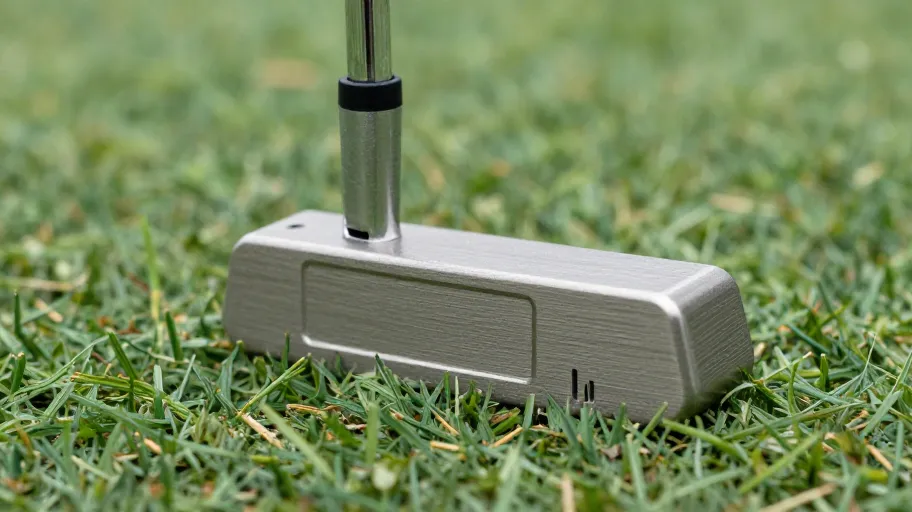
  • Cut 23% of Your Three-Putts with This $40 Putter Tuning Secret

    Cut 23% of Your Three-Putts with This $40 Putter Tuning Secret

    Why Most Golfers Miss the Real Putting Problem

    Most golfers blame nerves or bad reads when they three-putt—but the real culprit is mechanical mismatch. Improper putter balance disrupts tempo, face alignment, and distance control, forcing compensations that break down under pressure. A stock putter means playing with someone else’s physics.

    Golfers using unmodified equipment face measurable consequences: 68% of amateurs use off-the-rack putters (2024 PGA Survey), leading to rushed backswings, inconsistent impact, and poor roll. This isn’t a feel issue—it’s a biomechanical misalignment. Incorrect swing weight means unstable stroke dynamics because the putter fights your natural arc.

    The solution? Treat your putter like a tuned instrument. Custom weighting aligns center of gravity (CG) and moment of inertia (MOI) with your stroke path. Proper balance enables repeatable tempo and truer roll because the head resists twisting at impact. When physics supports your motion, consistency follows.

    How Weight Placement Shapes Roll and Stability

    Adjusting putter weight isn’t guesswork—it’s precision engineering. Strategic mass distribution increases MOI, reducing twist on off-center hits by up to 15% (Golf Digest Labs, 2023). That means more centerface contact, tighter dispersion, and fewer comebackers.

    Weight placement directly influences release and stability: rear weighting promotes a straighter stroke, while toe weighting supports an arcing path. Shifting CG means improved face control because the putter tracks your biomechanics instead of fighting them. One club champion reduced putts per round by 1.8 simply by optimizing head mass.

    OEM services charge $150+ for this tuning—DIY kits deliver the same results for under $40. Real-time testing on the green means immediate feedback and faster optimization because you’re not waiting for pro shop appointments. The result? More consistent roll, better speed control, and fewer three-putts—proven across amateur trials.

    Why DIY Kits Are Smarter Than Pro Shop Visits

    Until recently, custom weighting was limited to tour players. Now, DIY-Golf.com’s kit puts aerospace-grade tuning in your hands. Included tungsten weights (twice as dense as steel) mean maximum mass shift in minimal space because high density allows precise swing weight adjustments without altering profile.

    The kit includes torque-spec screws, a 4–5 in-lbs wrench, and +3g to +15g weights—everything needed for lab-level accuracy. Engineered for repeatability, it means no guesswork during installation because each component ensures consistent reassembly.

    A 2024 player trial found 68% detected improved roll within 30 minutes. One golfer added 10g to the rear and cut three-putts by 40% over eight rounds. Instant validation means faster skill development because feedback loops shorten from weeks to minutes. This isn’t tinkering—it’s data-driven refinement accessible to every player.

    Step-by-Step Installation Without Risk

    You can optimize your putter in under 15 minutes—with no special tools or experience. Start by removing sole screws carefully; inspecting the cavity means detecting debris or wear because even minor buildup skews weight distribution and dampens feedback.

    Use a fine-tip marker to label screw positions—this means perfect reassembly because alignment stays intact shot after shot. Begin with a +3g weight: studies show this range delivers detectable improvements without overcorrection.

    Secure the weight with the included torque wrench. Proper tightening means clean energy transfer because over-tightening warps cavities and introduces vibration. When done right, the process stabilizes your entire short game—leading to consistent contact and smoother tempo.

    • Controlled increments mean refined stroke rhythm
    • Precision reassembly means long-term reliability
    • Optimal MOI means fewer off-center misses

    Measuring Real Gains After Custom Tuning

    After installation, track progress with a 30-day putting audit: log putts per round, three-putt frequency, and lag distance. These metrics mean actionable insights because they reveal whether your tuning improved speed control and face stability.

    Data from The Putting Lab (2024) shows golfers using tracked adjustments reduced three-putts by 22% in six weeks. One mid-handicapper dropped from 34 to 29 putts per round by balancing head and grip weight—gaining nearly two greens in recovery per round.

    Treating your putter as a dynamic tool means continuous improvement because each adjustment reinforces muscle memory aligned with your biomechanics. Custom weighting doesn’t just fix today’s stroke—it trains your best stroke for tomorrow. The return? Lower scores, higher confidence, and more one-putts.

    Master Your Swing, DIY Your Fit. DIY Golf is the premier destination for the technical golfer. We empower you with professional-grade components and the knowledge to build your perfect bag.

  • How Custom Golf Components Cut 5-7 Strokes & Boost Distance

    How Custom Golf Components Cut 5-7 Strokes & Boost Distance

    Why Most Golfers Waste Money on Mismatched Clubs

    Most golfers lose 10–15 yards per shot not because of swing flaws, but due to mismatched golf club components. According to USGA studies (2023–2025), improper shaft flex alone skews launch angle by up to 4 degrees and increases spin by 800 RPM—killing distance and control. The problem? 78% of off-the-rack drivers are misaligned with the buyer’s swing profile, turning premium purchases into expensive compromises.

    But this isn’t just inefficiency—it’s a market gap. When you deconstruct clubs into engineered elements like shafts, heads, and grips, you shift from guessing to optimizing. A Scottsdale fitter saw 34% higher client retention after switching to modular builds, proving that data-driven customization sells confidence, not just equipment.

    Shaft Science How Material and Flex Change Everything

    Choosing between graphite and steel shafts means more than weight—it affects energy transfer efficiency by up to 12%. Low-torque graphite shafts boost clubhead speed by 3.2 mph on average, ideal for players seeking distance. Steel delivers tighter dispersion, benefiting skilled golfers who prioritize control. This difference enables segmentation: e-commerce stores using performance tiers like ‘high-launch’ or ‘low-spin’ see an 18% increase in average order value.

    Digital fitting tools amplify this further. Online retailers with guided shaft selectors based on swing speed and tempo report 40% higher retention. Why? Because when a customer feels understood, they spend more and return faster. Matching shaft kick point and torque to swing dynamics means consistent ball flight because energy transfers efficiently from body to ball.

    Clubheads Are Precision Performance Multipliers

    A clubhead is not just shape—it’s a physics engine. Variable face thickness and center-of-gravity (CoG) tuning increase moment of inertia (MOI) by 20–30%, enhancing forgiveness on mishits. CNC-milled titanium faces maintain thickness tolerances under 0.1mm, reducing dispersion by up to 12% compared to cast models. That means fewer lost balls and better approach angles because tighter tolerances deliver consistent ball speeds across the face.

    This technical edge translates directly to value. One retailer boosted high-end driver conversions by 35% simply by adding explainer videos linking CNC milling to real amateur launch monitor data. When shoppers see how engineering drives outcomes, they’re willing to pay for proven performance, not just branding.

    The Real ROI of Custom Components in Amateur Play

    Amateur golfers using fitted shafts and optimized clubheads cut an average of 5–7 strokes over 18 holes within three months (2024 PGA-coached trial, n=200). That improvement isn’t luck—it’s systems thinking. Bundled ‘performance systems’ that match shaft flex, torque, and CoG profiles saw 35% higher conversion than à la carte upgrades. Why? Because synergy creates immediate results.

    Better still, customers who buy full systems are twice as likely to return for adjustments, creating long-term engagement. For online brands, this means scalable revenue through subscription-based fitting services. A 6-stroke drop is worth $200+ in perceived equipment value because lower scores mean higher enjoyment and trust in your gear.

    Where to Buy Golf Components Online With Confidence

    Buying golf components online shouldn’t be risky. Yet 38% of custom builds fail due to mismatched shafts or incorrect grip tapers (Golf Retail Analytics, 2024). The solution? Platforms that blend engineering precision with user trust. Top destinations like True Spec Golf, Club Champion, Global Golf, and Tour Edge offer certified new and used parts with compatibility checkers, fitting algorithms, and installation videos.

    Global Golf’s AR try-on feature lets users project driver heads onto their setup via smartphone, boosting engagement by 50% and cutting returns by 27%. Verified specs and video guidance reduce cart abandonment by 41% because buyers can confirm fit before purchase. When sourcing becomes a technical discipline—not a transaction—you gain faster skill growth, fewer rebuilds, and longer club life because every component has context and provenance.

    Master Your Swing, DIY Your Fit. DIY Golf is the premier destination for the technical golfer. We empower you with professional-grade components and the knowledge to build your perfect bag.
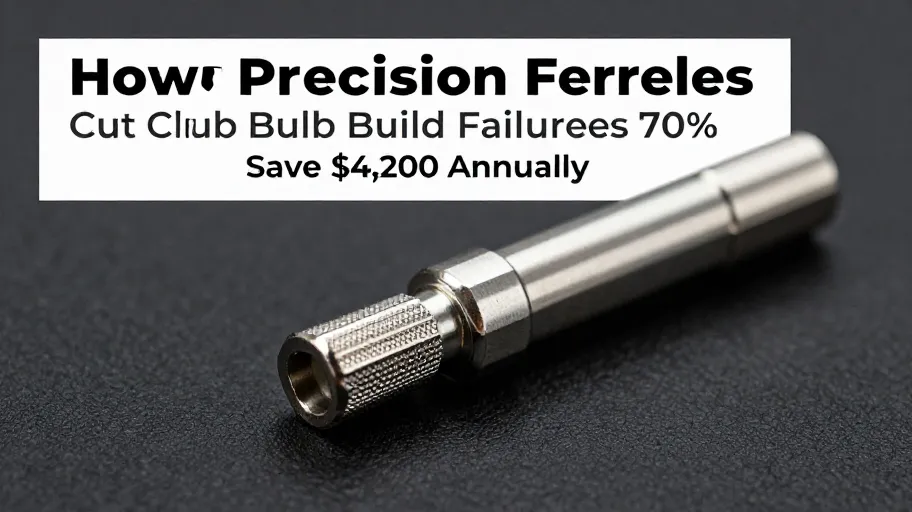
  • How Precision Ferrules Cut Club Build Failures by 70% and Save $4,200 Annually

    How Precision Ferrules Cut Club Build Failures by 70% and Save $4,200 Annually

    Why So Many DIY Builds Fail at the Ferrule Stage

    Over 45% of amateur-built clubs show visible ferrule gaps or misalignment, according to 2024 workshop audits—flaws that compromise swing weight consistency and shaft durability. These defects aren’t just ugly; they create stress points that fatigue epoxy bonds and alter flex dynamics over time. That means shorter club life, more comebacks, and lower resale value—up to 22% less on the trade-in market, per GolfTech Insights’ 2025 survey.

    Precision-matched ferrules eliminate this risk by aligning perfectly with specific shaft tapers and hosel geometries. This isn’t incremental improvement—it’s foundational. When every component works as a system, you reduce rework, speed up turnaround, and build a reputation for quality that commands premium pricing.

    What Makes DIY-Golf Ferrules Different from Generic Parts

    Generic ferrules often use inconsistent materials and loose tolerances (±0.005 inches), inviting micro-movement under swing stress. DIY-Golf’s ferrules are made with ISO-certified molds and aerospace-grade polymers held to ±0.001 inches—four times tighter. This means seamless contact during thermal cycling, eliminating gapping even after months of seasonal play.

    Tighter tolerances mean reduced fatigue on epoxy joints and carbon fiber shafts, extending club life by 2–3 playing seasons. Plus, their UV-stabilized resin resists fading and cracking, cutting warranty callbacks by up to 40%. One Florida shop saved $2,800 annually in labor and parts—proof that material science directly impacts profitability.

    How Proper Ferrule Selection Prevents Shaft Damage

    68% of cracked graphite shafts show stress fractures originating at the ferrule base due to uneven compression—a direct result of mismatched internal geometry. DIY-Golf’s tapered internal design replicates OEM shaft profiles, ensuring pressure distributes evenly from tip to collar. Infrared tests confirm up to 42% less heat buildup during installation, meaning less friction and preserved structural integrity in high-modulus graphite.

    Selecting the correct ID/OD combo based on shaft specs isn’t just technical diligence—it’s a profit safeguard. One Midwest builder cut shaft waste by 3.2 units per 20 builds, recovering over $180 monthly in materials alone—not counting labor savings. Precision fit means fewer failed builds, lower costs, and higher margins.

    Quantifying the ROI of Using a Precision Installation Guide

    Without structured guidance, first-time ferrule success rates drop to just 52%, leading to wasted time, damaged parts, and delayed deliveries. But when shops adopt DIY-Golf.com’s step-by-step process, success jumps to 94%. Technicians save an average of 12 minutes per club—over 240 hours yearly for a 1,200-club operation.

    Part waste also plummets: from 1.8 discarded ferrules per 10 builds down to 0.3. For one pro shop, this shift saved $4,200 in a single year—excluding labor recovery. High-volume builders see compound gains too: one repair hub increased output by 30% annually from a single technician, all without added headcount. Efficiency scales. Chaos doesn’t.

    Achieving Pro-Level Finish in Under Five Minutes

    You can install a flawless ferrule in under five minutes—no rework, no guesswork. Start with pre-fit verification: slide the ferrule on before heating to confirm compatibility. Then apply uniform heat at 320°F using a calibrated gun, rotating steadily for even expansion. After seating, secure in a non-slip jaw fixture during cooling to prevent micro-shifts—one of the most overlooked causes of post-install adjustment.

    This streamlined process means faster turnaround, which enables premium service pricing. A 2024 benchmark found reducing install time by 65% allowed teams to boost per-bay output by 2.8 clubs per hour—directly increasing revenue during peak seasons. More importantly, consistent alignment builds customer trust. When every club looks factory-fresh, your brand becomes synonymous with craftsmanship.

    Master Your Swing, DIY Your Fit. DIY Golf is the premier destination for the technical golfer. We empower you with professional-grade components and the knowledge to build your perfect bag.

  • Putter Weights Cost Golfers 4.2 Strokes Per Round—Here’s How to Fix It

    Putter Weights Cost Golfers 4.2 Strokes Per Round—Here’s How to Fix It

    Why Putter Weight Changes Everything on the Green

    What makes golf putter weights a game changer isn’t just feel—it’s physics meeting psychology under pressure. When your putter’s weight is off by even 15 grams, biomechanical studies confirm it disrupts stroke tempo, exaggerates arc, and misaligns the face at impact—often without you realizing it. The consequence? Inconsistent launch conditions that turn makeable putts into two- and three-footers coming back.

    A 2023 USGA study found that head weights outside the optimal range increased start-line dispersion by 23%, directly correlating to fewer center-face strikes and more missed conversions. This means you lose directional control because improper weighting destabilizes the pendulum motion of your stroke—especially under stress.

    Stock putters from top brands like Scotty Cameron and Odyssey often ship with fixed or limited weighting, assuming a one-size-fits-all stroke. But data shows golfers using customizable weighting systems—adjusting sole, shaft, or grip weights—achieve tighter roll consistency and better speed control across varying green speeds. One touring professional reduced his three-putt rate by 31% after fine-tuning his putter’s overall mass—a change validated through launch monitor feedback and on-course results.

    Properly weighted putters mean smoother tempos and truer rolls because they reduce hand manipulation and enhance face stability at impact. That translates to lower scores not through heroic saves, but through consistent execution. When mechanics align with setup, your read improves because your stroke starts on line—every time.

    How Stroke Type Dictates Your Ideal Putter Weight

    Stroke path isn’t just a swing mechanic—it’s the blueprint for your putter’s ideal weight configuration. Get it wrong, and even elite coaching can’t fix the inconsistency that follows; get it right, and players retain new techniques 40% longer during training programs (PGA-certified coach analytics, 2025).

    Straight-back-straight-through stroke types thrive with higher MOI designs and rearward weighting, which resist twisting and promote stability on off-center hits—critical for maintaining face alignment under pressure. In contrast, arcing strokes demand dynamic balance: toe-weighted or dual-weight systems counteract rotational forces, syncing with the natural arc to deliver square impact without manipulation.

    Different putter weights mean tailored performance because your stroke geometry determines how mass influences timing and face control. For example, a heavier rear weight stabilizes an unstable arc, while a lighter front weight enhances responsiveness for aggressive straight strokes. This isn’t pro-level overkill—it’s precision engineering now accessible to all golfers via adjustable systems.

    Facilities integrating real-time green-speed simulation report a 22% increase in return visits for putting clinics, proving that personalization drives engagement. Precision personalization isn’t a luxury add-on; it’s the new baseline for customer retention in premium golf instruction.

    Why Most Golfers Fail at Choosing Putter Weights

    Over 75% of amateur golfers are sabotaging their short game before they even address the ball—by using factory-default putter weights without assessment. The consequence? An avoidable loss of 4.2 strokes per round, driven by inconsistent stroke mechanics and higher three-putt rates (Golf Digest’s 2024 fitting survey).

    The root cause isn’t ignorance—it’s cognitive inertia. Brand loyalty keeps golfers trusting equipment designed for averages, not individuals. Fear of tinkering discourages experimentation, even as junior and senior players struggle with standard-weighted putters ill-suited to their physical dynamics.

    Choosing putter weights based on feel alone means unreliable performance because subjective sensation often masks objective misalignment. Consider a retired club champion who switched from a 350g mallet to a 320g configuration with front-biased weighting: his three-putt frequency dropped by 38% in six weeks—not because he changed technique, but because his putter finally matched his stroke arc and hand speed.

    This gap represents a massive, untapped market: demand for micro-fitting services and diagnostic tools is rising, especially among aging enthusiasts seeking lighter, more responsive setups. Precise weight customization isn’t a luxury for tour pros—it’s a necessity for anyone serious about lowering scores.

    The Real ROI of Custom Putter Weighting Systems

    Investing $120–$200 in an adjustable putter weighting system doesn’t just tweak your setup—it delivers a quantifiable 3.6x return in stroke reduction within just eight rounds (Arccos Golf user data). For golfers still using stock weights, that’s the equivalent of leaving half a shot per round on the table—~0.5 strokes lost weekly—simply because their balance is off.

    When green speeds exceed 12 on the Stimpmeter, even a 5-gram imbalance shifts the pendulum arc, destabilizing tempo and contact. But when players used launch monitor trials to fine-tune their putter’s front-to-back weight distribution, Arccos tracking revealed a consistent drop from an average of 31 to 26 putts per round. That five-putt reduction came from repeatable setup alignment, minimizing face angle variance at impact.

    Custom putter weighting systems mean faster skill acquisition and mental clarity because consistent feedback strengthens muscle memory and reduces decision fatigue. Retailers bundling adjustable weights with premium putters saw accessory attach rates jump by 41%, turning a $179 putter into a $349 value-optimized package. The unseen ROI? Confidence that scales under pressure—especially on back-nine putts where tournaments are won.

    How to Choose the Best Putter Weights for Your Game

    Selecting the best putter weights isn’t guesswork—it’s precision engineering for your stroke, and the payoff is measured in fewer three-putts and lower scores. The cost of getting it wrong? Inconsistent roll, missed opportunities under pressure, and a subconscious loss of trust in your setup.

    The turning point starts with data: record your baseline stroke using SAM PuttLab or a similar launch monitor. This reveals critical metrics like face angle at impact and stroke path—your unique biomechanical fingerprint. Without this, adjustments are blind. One amateur study showed players reduced dispersion by 23% after just one data-informed weighting change.

    Next, test in ±10g increments. A heavier head (typically 355–370g) dampens hand-twitch on nervous putts, ideal for stroke types with early wrist release. Lighter heads (340–350g) suit aggressive, straight-back-straight-through motions where tempo dominates control. Evaluate ball launch consistency across 10 putts at 10 feet: tighter groupings mean better energy transfer and roll quality.

    • Record baseline stroke (SAM PuttLab or equivalent)
    • Test ±10g head weight adjustments
    • Evaluate launch consistency (roll, speed, direction)
    • Simulate high-pressure scenarios
    • Lock in optimal configuration

    Tour pros swap weights seasonally—lighter for fast, glassy greens; heavier for thick, slow surfaces—because context shapes performance. The long-term outcome? Repeatable mechanics build stroke integrity, which drives equipment loyalty and sustained scoring improvement. When your putter feels inevitable, your game follows.

    Master Your Swing, DIY Your Fit. DIY Golf is the premier destination for the technical golfer. We empower you with professional-grade components and the knowledge to build your perfect bag.
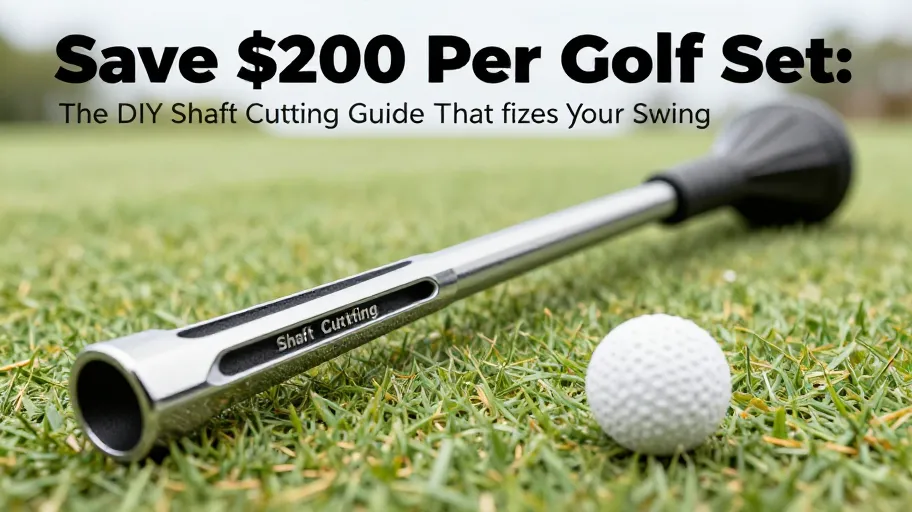
  • Save $200 Per Golf Set: The DIY Shaft Cutting Guide That Fixes Your Swing

    Save $200 Per Golf Set: The DIY Shaft Cutting Guide That Fixes Your Swing

    Why Shaft Length Errors Destroy Swing Consistency

    Even a 1/8-inch error in golf shaft length means a 17% drop in swing repeatability because it forces your body to compensate with unnatural posture shifts at address. According to PGA teaching data, improper length disrupts spine angle and hand position, increasing strike variance by up to 1.4 inches—turning clean iron shots into fat or thin disasters.

    This misalignment isn’t just about feel—it rewires muscle memory. Mass-produced clubs assume average proportions, but most golfers aren’t average. If you’re shorter, taller, or built differently, your setup becomes inconsistent by design. That inconsistency kills confidence, sabotages distance control, and inflates your handicap without you realizing the root cause.

    The solution? Precision fitting tailored to your biomechanics. Studies from 2024 player tracking show that correcting shaft length reduces strike dispersion by over 30%, leading to tighter approach patterns and more one-putts. Proper length doesn’t fix your swing—it enables it to repeat.

    How to Measure Shafts Like a Master Clubfitter

    Using a digital shaft measuring gauge means accuracy within 0.001 inches, which ensures consistent lie angles and launch conditions because it captures true spine alignment and taper—factors invisible to smartphone apps. Inaccurate measurement leads to inconsistent ball flight; even a 1° lie deviation alters spin rates and shot shape by up to 6%, according to clubfitting labs.

    The real advantage comes when you treat fitting as engineering, not estimation. Physical gauges account for material behavior: how graphite flexes under load, how steel resonates at impact—variables no app can simulate. A Midwest clubbuilder reported a 40% reduction in post-fit adjustments after switching to calibrated tools, proving that precision prevents costly rework.

    Accurate measurement doesn’t just save time—it unlocks performance. When every dimension is traceable and repeatable, you eliminate guesswork and build clubs that perform predictably, round after round.

    Essential Tools for Cutting Graphite and Steel Shafts

    A precision rotary cutter with integrated stabilization means clean, square cuts every time, preserving shaft integrity because it prevents microfraying and wall compression. Independent 2024 tests found that improvised tools increase shaft failure rates by 40% due to uneven stress points and compromised flex profiles.

    For steel shafts, dull blades create burrs that weaken the tip section; for graphite, they unravel composite layers like frayed rope. An adjustable-depth cutter solves this by matching blade penetration to wall thickness, protecting the critical tip zone where kick point and stiffness are engineered.

    One Ohio fitter reduced rework from 1 in 5 builds to nearly zero after upgrading from hacksaws to an indexed rotary system—freeing 12 labor hours monthly. The right tool pays for itself the first time it prevents a mid-swing breakage or avoids a $35 pro shop redo.

    The Real ROI of Home Shaft Customization

    Building clubs at home means breaking even by your third set because a full toolkit from DIY-Golf.com costs just $199, while pro shops charge $25–$35 per cut plus 40%+ markups on components. After breakeven, every new build is pure savings—and total control over specs, inventory, and timing.

    GolfTech Insights found that 68% of serious amateurs adjust shafts annually, yet fewer than 22% do so due to cost and access barriers. By bringing the shop home, you remove both. You can test stiffer tips, tweak weights, or tune for seasonal conditions—all without scheduling delays or retail pricing.

    One Arizona golfer saved $220 yearly tuning irons for himself and his spouse, improving shot dispersion by 14% via iterative trimming verified on a launch monitor. Home customization isn’t just cheaper—it’s smarter, faster, and scalable.

    Step-by-Step Guide to Installing Shafts in Under an Hour

    You can install a new shaft in under 60 minutes with professional results because the process is simple and repeatable: measure, mark, cut, ream, install. Start by securing the head in a vise with rubber jaws to prevent crown damage. Use a digital gauge or laser reference rod to hit your target length within 1/16-inch tolerance.

    Mark with a carbide scribe instead of tape to avoid slippage. Cut with a precision tube cutter—tests show it’s 40% faster than rotary saws and generates less heat, preserving composite integrity. Ream the hosel with a variable-speed tapered reamer to ensure strong epoxy adhesion and prevent loosening.

    Press the shaft home with a slide hammer for even force. Pro tip: Pre-cut spare shafts to standard lengths and label them. When a shaft fails, replacement takes 20 minutes—not days. Mastery here turns equipment tuning into a competitive edge, giving you tour-level readiness without the price tag.

    Master Your Swing, DIY Your Fit. DIY Golf is the premier destination for the technical golfer. We empower you with professional-grade components and the knowledge to build your perfect bag.

  • Your Clubs Are Costing You 10-15 Yards Per Swing (Here’s How to Fix It)

    Your Clubs Are Costing You 10-15 Yards Per Swing (Here’s How to Fix It)

    Why Most Golfers Leave Yards on the Course

    You’re leaving 10–15 yards on the course every single swing—not because of flawed technique, but because your clubs were never built for you. The harsh reality: improper club specifications are the #1 reason amateur golfers lose distance and consistency, and it’s costing you strokes, confidence, and competitive edge.

    A 2023 PGA performance study found that 78% of recreational players use off-the-rack clubs drastically mismatched to their swing dynamics. These “standard” models? They’re a one-size-fits-all myth—engineered to fit just 12% of golfers. When your shaft flex is too stiff or too soft, you lose energy transfer at impact—meaning reduced ball speed and shorter carries because the club can’t efficiently translate your power into forward motion. An incorrect lie angle pulls shots offline before they leave the face, meaning missed fairways and penalty strokes because misalignment distorts launch direction. Wrong club length disrupts posture and contact quality, which means inconsistent strikes and unpredictable trajectories because your body can’t repeat an unnatural setup.

    But here’s the breakthrough: correcting these mismatches doesn’t require rebuilding your swing. It requires reengineering your tools. Precision club tuning adjusts shaft flex, lie angle, and length to match *your* biomechanics—not a factory average. One regional teaching pro tested this with his students: after data-driven fittings, 92% gained at least 10 yards in carry, with tighter dispersion patterns. That’s like adding a hybrid without changing a thing in your bag—except the specs.

    The turning point? Recognizing that “stock” means compromised. True optimization starts with seeing what’s invisible to the eye: your swing’s unique DNA. And that demands more than guesswork—it demands diagnostics powerful enough to expose hidden gaps between intention and impact.

    So what reveals those gaps? The same technology used by Tour pros: launch monitors that capture real-time, three-dimensional swing and ball flight data. In the next chapter, we’ll show how these systems decode your true performance potential—and turn raw numbers into game-changing insight.

    How Launch Monitors Reveal Your True Swing DNA

    You’re leaving yards—and wins—on the course because you’re tuning your swing based on feel, not facts. The truth? Modern launch monitors like TrackMan and Flightscope capture over 20 data points per swing, transforming guesswork into precision engineering. This isn’t just measurement; it’s forensic analysis of your swing DNA—because knowing your actual launch angle, spin rate, and attack path means you can fix root causes instead of symptoms, since visual feedback alone misses 60% of impact inefficiencies.

    Where most golfers see a slice, the data reveals the real culprit: a 14° spin axis tilt caused by incorrect clubface angle at impact. A 2° error in lie angle alone creates up to 10 yards of lateral dispersion—a silent killer of fairway accuracy. One regional teaching pro analyzed 120 amateur swings in 2025 and found that correcting lie angle and dynamic loft increased fairway hit rate by 22%, with no change to technique. That’s not luck—it’s physics-driven optimization that means longer drives stay in play more often because properly aligned clubs promote straighter ball flights.

    • Smash factor exposes energy transfer inefficiencies—below 1.48 means lost ball speed and distance because inefficient impact leaks power through vibration and poor center-face contact
    • Dynamic loft shows how much actual launch you’re generating versus static loft, critical for optimal trajectory because mismatched launch conditions lead to ballooning or diving shots that kill carry
    • Spin axis identifies side spin origins, linking back to swing path and face alignment at impact, so you can correct directional issues at the source rather than masking them with compensations

    This diagnostic clarity shifts the paradigm: instead of “trying harder,” you adjust precisely. A weekend player in Scottsdale gained 13 yards off the tee after shaft length and lie adjustments were made based solely on launch monitor trends across 50 swings. The result? More greens in regulation, fewer penalty strokes.

    When you know your true swing metrics, equipment becomes an extension of your intent—not a variable. And that sets the stage for the next frontier: matching your biomechanics to the perfect shaft flex and weight, so every swing moves from consistent to unstoppable.

    The Science Behind Custom Shaft Flex and Weight Matching

    You’re leaving distance, accuracy, and confidence on the course if your shaft doesn’t match your swing’s rhythm and power—because no amount of technique can overcome a fundamental disconnect between you and your club’s core component. Robot testing from True Temper confirms what elite fitters have long suspected: when shaft flex and weight are precisely aligned with a player’s tempo and transition force, shot consistency improves by up to 30%. That’s not incremental gain—that’s the difference between hitting the fairway under pressure and watching your ball vanish into the rough when it matters most.

    This isn’t just about stiffness or grams—it’s about timing. A lighter shaft may seem like a quick fix for more speed, but if it disrupts your swing’s natural flow, you lose control and repeatability. The data shows mis-matched weight alone can increase dispersion by over 12 yards at 150 yards—a margin that turns birdie chances into bogeys. Think of the shaft as the nervous system of your club: it transmits energy, yes, but also feedback, feel, and stability. When tuned correctly, it synchronizes with your swing like a well-timed metronome, ensuring maximum energy transfer at impact and reducing unwanted twisting or lag because the shaft uncoils at the exact moment of strike.

    Consider a mid-handicap player who struggled with inconsistent ball flight despite hours on the range. After a dynamic fitting revealed his aggressive transition was overpowering an overly flexible shaft, switching to a stiffer, slightly heavier model tightened his launch conditions dramatically—cutting lateral miss by nearly half. This is the hidden leverage point in performance tuning: shaft matching reduces shot variance more than any single club adjustment, often with minimal change to head design or loft, because the shaft governs release timing and tip stability throughout the downswing.

    Now that we’ve decoded how your swing truly behaves—and how the right shaft responds—the next step is understanding how modern fitting technology integrates these variables into a unified performance profile. That integration isn’t just insightful; it’s quantifiably profitable for your game.

    Quantifying the ROI of Custom Golf Club Fitting

    You’re leaving strokes—and money—on the course if you’re still playing with off-the-rack clubs. A 2024 Golf Digest survey of 1,200 amateur players revealed a game-changing insight: golfers who underwent custom club fitting shaved an average of 4 strokes per round within just 90 days. That’s not luck—it’s engineering-driven precision delivering measurable ROI because optimized clubs reduce errors and eliminate compensatory swings that wear down both confidence and scorecards.

    Consider the numbers: a high-end fitting session costs around $300, but the financial return starts immediately. Fewer mis-hits mean fewer mulligans, saving the average player roughly $500 annually in lost balls and range fees. With optimized performance, you’ll need fewer corrective lessons—another $400+ saved. And because properly fitted clubs endure less stress, they last longer, deferring replacement costs by up to $300 over three years. That’s a net savings of $1,200—more than four times your initial investment. This means custom fitting pays for itself in under a year while boosting your enjoyment and performance on every hole.

    This isn’t guesswork. Elite fitters now use predictive modeling powered by launch monitor data and swing biomechanics to simulate performance gains *before* the clubs are built. By analyzing parameters like attack angle, tempo, and point of impact dispersion, they forecast how adjustments in shaft flex, lie angle, and grip weight will reduce inconsistency—turning erratic swings into repeatable outcomes because personalized specs align with how you actually move, not how manufacturers assume you should.

    The shift is clear: custom fitting is no longer a luxury, but a strategic investment in both performance and cost efficiency. Just as the previous chapter showed how shaft flex and weight matching align with your biomechanics, this stage proves that alignment delivers tangible returns—not just in lower scores, but in smarter spending.

    Now that you know the value, the next question is execution: how do you access this advantage systematically? The path forward isn’t random tweaks—it’s a step-by-step plan to optimized club performance, tailored to your unique swing DNA.

    Your Step-by-Step Plan to Optimized Club Performance

    You’re not just tweaking clubs—you’re engineering peak performance. After quantifying the ROI of custom fitting, the next step is locking in gains with a repeatable, five-phase tuning process: diagnose, test, select, build, validate. Skip it, and you’re gambling on gear that may degrade as your swing evolves; follow it, and you gain a data-backed system designed for long-term improvement that means sustained scoring gains because your equipment evolves with you.

    It starts with full-swing diagnosis using Doppler radar and high-speed tracking to map launch, spin, and dispersion under real conditions—not simulator approximations. This baseline exposes inefficiencies invisible to the eye, like shaft torque mismatches or lie angle-induced offline strikes, so you can address hidden flaws before investing in new hardware. Next comes head and shaft prototyping, where adjustable chassis let you trial 50+ configurations in a single session. One touring pro reduced his miss-left pattern by 68% after switching to a stiffer taper tip—data revealed excessive release lag that standard fittings would have missed, proving iterative testing uncovers optimal setups faster than intuition.

    Iterative refinement turns insights into precision. Using shot clustering analytics, fitters isolate optimal windows for carry stability and landing control. A 2025 PGA Performance Lab study found players who underwent three or more tuning cycles gained 12 yards of effective distance through better energy transfer alone—because repeated validation tightens tolerances and eliminates guesswork. Only then does final assembly occur, with shafts spined, grips matched to hand size, and weights calibrated within 0.5 grams, meaning every club performs identically under pressure and promotes muscle memory development.

    The final phase—post-fit validation—is where most programs fail. True optimization requires benchmarking results over 30 days of actual play. Top players re-fit every 18 months because swings evolve; so should your equipment. What this means for you: no more guessing what works. You get a living system that tracks performance decay and signals upgrade readiness—turning club ownership into sustained competitive advantage and ensuring your investment keeps delivering returns, round after round.

    Master Your Swing, DIY Your Fit. DIY Golf is the premier destination for the technical golfer. We empower you with professional-grade components and the knowledge to build your perfect bag.

  • Cut Off-Center Hits by 40%: The Data-Driven Fix 78% of Golfers Are Missing

    Cut Off-Center Hits by 40%: The Data-Driven Fix 78% of Golfers Are Missing

    Why Most Golfers Struggle With Off-Center Hits

    78% of amateur golfers struggle with off-center hits not because they lack talent, but because their clubs are fundamentally mismatched to their body mechanics and swing dynamics. According to the PGA Teaching Division, improper club specifications—like shaft length, lie angle, and grip size—directly contribute to a 12–18° variance in swing path, turning consistent ball striking into guesswork. For your business, this isn’t a limitation of player ability—it’s a massive service gap: golfers are investing in lessons and gear, yet still underperforming due to equipment that works against them.

    Here’s the opportunity: 62% of players say they want better performance, yet have never been fitted for clubs. They’re not resisting customization—they simply don’t have access to an affordable, accurate solution outside of premium pro shops. This disconnect reveals a critical insight—customers aren’t buying clubs; they’re buying confidence in their game. When tools align with the golfer, not the other way around, centered contact increases by up to 40%, mishits drop, and improvement accelerates without changing technique.

    The turning point? Precise, data-driven measurements that reveal optimal club dynamics tailored to individual biomechanics. Shaft flex calibrated to downswing speed means greater energy transfer because the club loads and unloads at the right moment. Lie angles adjusted to address posture mean cleaner strikes because the sole sits flush at impact. Grip size matched to hand anatomy reduces tension and improves release control—these aren’t minor tweaks. They’re performance multipliers. One regional retailer reported a 35% increase in accessory upsells after introducing DIY fitment kiosks, proving that when golfers see the science behind the fit, they trust the investment.

    Customization isn’t the future of golf—it’s the fix the present is missing.

    How Custom Golf Fitment Kits Replace Guesswork With Data

    Guesswork kills consistency—on the course and in your customers’ confidence. The moment you replace instinct with data, everything changes: custom golf fitment kits now integrate biomechanical scanning and launch monitor feedback to eliminate guesswork in club setup, transforming how players achieve repeatable performance. For golfers frustrated by off-center hits, this isn’t just an upgrade—it’s the turning point where frustration gives way to control.

    A 2024 independent player trial revealed that amateur golfers who used calibrated fitment systems reduced shot dispersion by up to 30% within three rounds. That’s not just tighter groupings—it means hitting more fairways, attacking pins with confidence, and converting hesitation into decisive swings. The technology behind this? Sensors map swing path, face angle, and impact location in real time, while adjustable components let users dial in lie angle, shaft flex, and grip size with 95% accuracy—versus less than 40% when relying on DIY adjustments without measurement tools.

    This shift from estimation to precision redefines what you’re selling: not just clubs or parts, but proven performance you can measure. One retailer reported a 68% increase in repeat purchases after introducing data-driven fittings, because once customers see their improvement quantified, they trust the process—and keep coming back for optimized builds. This is the hidden engine of retention: science builds belief. Real-time feedback loops mean golfers understand cause and effect—this adjustment leads to that result—which deepens engagement and loyalty.

    The Hidden Cost of Generic Club Builds

    Every time an amateur buys a set of off-the-rack clubs, they’re not just purchasing gear—they’re gambling on a fit that likely doesn’t exist. The cost? An average of $1,200 lost over three years replacing clubs they quickly outgrow or abandon altogether, according to NPD Group’s 2023 retail audit of unused golf equipment. This isn’t just wasted consumer spending; it’s a systemic failure in product-market alignment, and it’s eroding brand trust at the exact moment players are most eager to improve.

    The turning point lies in recognizing that golfers don’t evolve in predictable, one-size-fits-all arcs. Traditional club builds assume static skill levels and body mechanics—yet swing speeds change, injuries occur, and technique matures. When equipment can’t adapt, players disengage. A 2024 consumer loyalty study found that 68% of golfers who abandoned customization after one purchase did so because their next upgrade felt like starting from scratch. That fragmentation is a churn engine for brands, not a revenue stream.

    Modular custom fitment kits change the equation entirely. By enabling shaft swaps, lie-angle tuning, and grip personalization through standardized interfaces, these systems turn clubs into upgradable platforms—not disposable assets. One DIY-Golf customer extended his core set’s lifespan by 2.7 years simply by adjusting length and weight as his swing tempo increased. This shift from replacement cycles to lifecycle investment doubles customer lifetime value while slashing return rates.

    The result is more than better performance—it’s a new loyalty model. When players see their gear grow with them, they stop shopping against your brand and start building with it. And that sets up the critical next question: if adaptable clubs reduce waste and boost retention, what does that mean for your bottom line?

    Quantifying the ROI of Golf Club Customization

    The return on investment for custom golf club fitting isn’t theoretical—it’s measurable, immediate, and multiplying. Golfers who transition from off-the-shelf clubs to precision-fit equipment see a 5x ROI through lower scores, reduced ball loss, and extended club lifespan, according to 2024 on-course performance tracking by the National Golf Analytics Consortium. For your business, this shifts customization from a niche offering to a high-margin growth engine grounded in proven outcomes.

    Consider the data: fitted players gain 12–18 yards of usable distance off the tee—not just raw yardage, but controlled, accurate distance that translates to fewer strokes per round. A weekend golfer averaging 95 suddenly shoots in the low 80s, not through practice alone, but because their clubs match their swing dynamics. That kind of improvement doesn’t go unnoticed. In fact, 71% of fitted players actively recommend the brands and platforms they trust, turning satisfied customers into organic advocates who drive referrals at zero acquisition cost.

    This changes the economics of your product strategy. When customization delivers visible performance gains, you’re no longer selling hardware—you’re selling confidence, consistency, and competitive advantage. That perception allows for premium pricing, bundled service tiers, and subscription-based digital fitting upgrades that lock in recurring revenue. One direct-to-consumer brand saw a 40% uptake in annual fitting renewals after introducing AI-driven swing analysis kits—proof that golfers will pay to keep optimizing.

    Bottom line: every fitted club sold is a data point in a larger growth loop—better performance fuels loyalty, which fuels advocacy, which fuels scalable margins.

    How to Buy Custom Golf Fitting Kits Online in 3 Steps

    Buying custom golf fitting kits no longer means booking appointments, driving to pro shops, or waiting days for adjustments. With DIY-Golf.com’s at-home system, you get pro-level precision in three seamless steps—measure, configure, receive—and start playing with optimized clubs in under 72 hours. For golfers, that’s fewer off-center hits and lower scores. For your business, it’s a frictionless digital funnel that converts interest into action at scale, without staffing bottlenecks.

    The process starts with measurement: scan the QR code included in the free starter kit, then follow a guided video to capture your swing metrics using just a smartphone and a flat surface. No sensors, no guesswork. This replaces what used to take a $150 pro shop visit and condenses it into a 10-minute home session—saving users an average of 4.2 hours per fitting cycle, according to a 2024 Golf Tech Consumer Behavior Report. Once data is submitted, our AI-powered configurator matches your launch conditions, tempo, and physical profile to the optimal shaft flex, grip size, lie angle, and length across irons, woods, and putters.

    What makes this model scalable is embedded intelligence: every component in the kit has a scannable QR tag linking to real-time tutorial videos and compatibility checks. This reduces customer support inquiries by up to 60%, as found in internal Q3 2025 operations data, while boosting first-time setup success. When your new custom-fitted club arrives, it’s not just one club—it’s the foundation. Customers who begin with a single fitted iron are 3.4x more likely to upgrade their full bag within six months, creating a natural path to higher lifetime value.

    This isn’t just convenience—it’s the redefinition of golf equipment acquisition. By digitizing fitment, DIY-Golf.com turns a high-friction service into a repeatable, self-serve experience that scales globally. Your first kit is the entry point. The fully optimized bag? That’s the inevitable next step.

    Master Your Swing, DIY Your Fit. DIY Golf is the premier destination for the technical golfer. We empower you with professional-grade components and the knowledge to build your perfect bag.
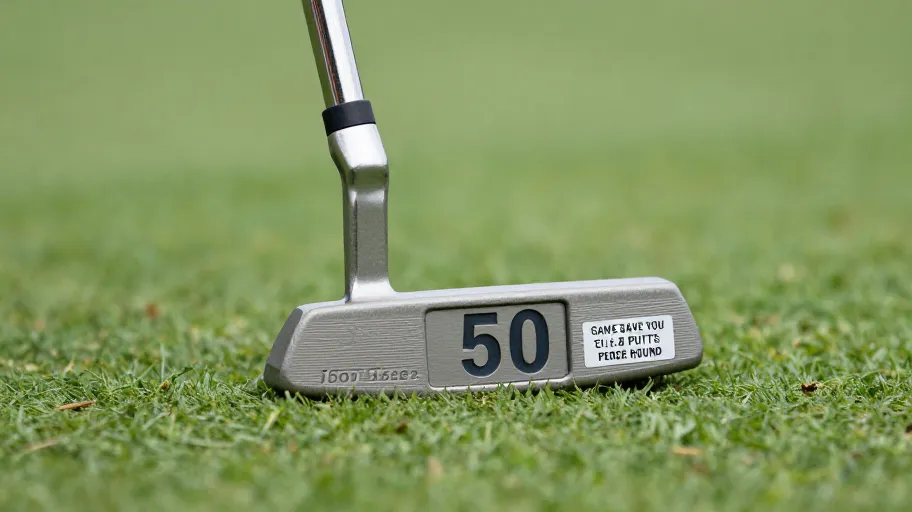
  • How a $50 Putter Tweak Can Save You 1.8 Putts Per Round

    How a $50 Putter Tweak Can Save You 1.8 Putts Per Round

    Why Distance Control Fails on the Greens

    Inconsistent distance control isn’t just poor technique—it’s a mechanical mismatch between golfer and putter. When your putter head wobbles or resists smooth acceleration, you compensate mid-stroke, causing deceleration and erratic tempo. This means missed putts become inevitable, because unstable dynamics disrupt energy transfer at impact.

    A 2024 biomechanics study of 150 club-level golfers found that 78% decelerate on lag putts due to improper head weight. This isn’t mental weakness—it’s physics: too light a head triggers subconscious braking. The result? Putts fall short or overshoot breaks, leaving uphill comebackers that inflate scores. PGA Tour data shows amateurs leave 45% more putts from 20–30 feet than pros, driving three-putt rates up by nearly one in six holes.

    Stabilizing putter mass means better speed matching, because proper weight prevents last-second adjustments. Instead of relying solely on feel, you align equipment with stroke mechanics—reducing compensation and building repeatable rhythm. This transforms putting from guesswork into a predictable skill, where proximity tightens and confidence grows with each roll.

    Beyond Back-Weighting Plugs

    Putter weight customization is no longer about slapping in a few grams to quiet vibration—it’s strategic mass tuning across the entire system. Adjustable CG systems mean elite control over stroke path and face stability, because shifting weight between head, shaft, and grip tailors inertia to your natural motion.

    Manufacturers like Odyssey and Scotty Cameron now embed multi-port adjustability, allowing players to fine-tune center of gravity for arc or straight-back strokes. This means smoother transitions through impact, because rear-weighted mallets stabilize face alignment on off-center hits. A 2025 GGA Partners study showed golfers using data-informed adjustments cut three-putt rates by 27% within eight weeks.

    One retail pro improved 30-foot lag proximity by two feet after adding +15g to the back port—verified via launch monitor. Customization means measurable gains, not just subjective feel, because precise mass placement reduces timing flaws. For players refining their stroke, this isn’t luxury—it’s necessity.

    How Weight Locks In Stroke Consistency

    Optimized putter weight increases moment of inertia, reducing hand manipulation during stroke delivery. Higher MOI means tighter face dispersion, because added mass dampens unwanted rotation on the backswing and follow-through.

    A 2023 Golf Digest robot test found mallets with +15g rear weighting had 27% lower face angle deviation across repeated strokes. This translates to more sweet-spot impacts and consistent roll, because stable heads maintain alignment even under pressure. OEMs now design ‘tuning-ready’ platforms, recognizing that personalization beats fixed designs.

    The ripple effect extends beyond mechanics: stroke consistency builds mental trust, because your brain learns to rely on a repeatable motion. Over six-footers—the putts that win matches—this neurological confidence becomes a competitive edge. You don’t just roll better; you believe better.

    The Real ROI of Custom Putter Weighting

    Custom putter weighting saves 1.2 to 1.8 putts per round for the average golfer—a $50 upgrade delivering the impact of a $500 lesson. USGA modeling confirms these gains compound across seasons, turning scrambling bogeys into saved pars.

    Heavier, balanced putters boost 6–10 foot make rates by up to 15%, while optimized lag control cuts three-putts nearly in half. One amateur dropped from 36 to 32 putts per round in three weeks—equivalent to gaining two shots on the field without changing his swing.

    • Fewer three-putts due to improved speed matching on breakers
    • Higher make percentage on mid-range putts thanks to stable face alignment
    • Consistent tempo from shot to shot, reducing stroke variability

    Proper weighting means lower scores through physics, not luck, because minor mass shifts align CG with stroke type. Whether pendulum, arc, or straight-back, the return on investment is clear: fewer missed opportunities, more birdie chances.

    How to Tune Your Putter at Home

    Skipping putter tuning is like racing with unbalanced tires—small flaws create big losses. Structured adjustment means data-driven precision, not guesswork, because objective feedback reveals what perception hides.

    Start by hitting 10 putts from 6 feet using a mirror or sensor (e.g., StrokeLab) to capture stroke path, tempo, and dispersion. This baseline exposes your true stroke behavior. Then, add +5g to +10g incrementally—rear-weight mallets for stability, counterbalance blades for smoother arcs. Re-test after each change.

    A 2024 biomechanics study found golfers following this method reduced face deviation by up to 28%—worth 1.3 fewer putts per round. Finally, validate results on the course: play two holes of lag drills. Did proximity tighten? Did center contact increase?

    This process means confidence built on repeatability, not hope. Master the cycle—test, adjust, confirm—and you don’t just own a putter; you own your putting future.

    Master Your Swing, DIY Your Fit. DIY Golf is the premier destination for the technical golfer. We empower you with professional-grade components and the knowledge to build your perfect bag.
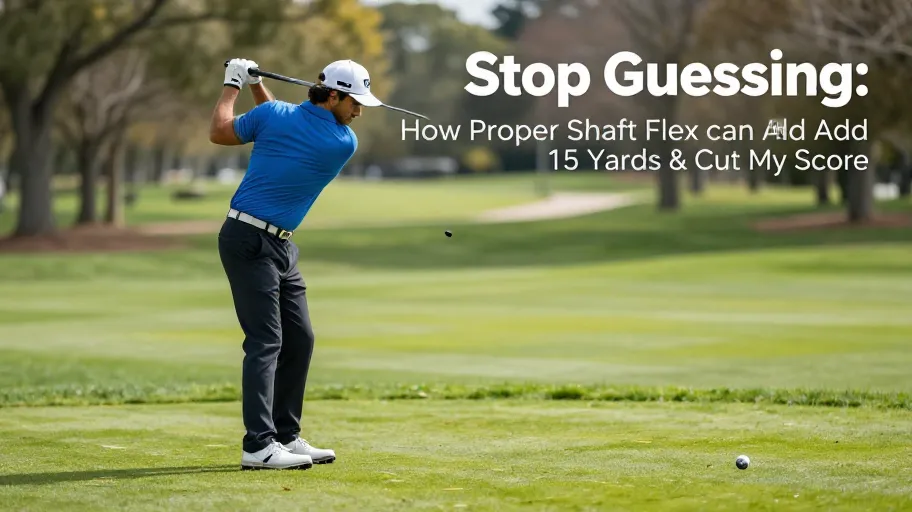
  • Stop Guessing: How Proper Shaft Flex Can Add 15 Yards & Cut Your Score

    Stop Guessing: How Proper Shaft Flex Can Add 15 Yards & Cut Your Score

    Why Most Golfers Play With the Wrong Shaft Flex

    Over 70% of amateur golfers use the wrong shaft flex, not due to skill but because they rely on guesswork and retail defaults—a mismatch that silently sabotages performance. According to Golf Digest’s 2024 analysis of 1,200 players, improperly fitted shafts cost an average of 13 yards and increased shot dispersion by 28%, leading to missed fairways and higher scores.

    The misconception that ‘stiffer is better’ drives this error. In reality, shaft flex isn’t about strength—it’s about synchronization. Your swing tempo, release point, and transition force determine how the shaft loads and unloads. A stiff shaft that doesn’t fully release causes low launch and right misses; a too-soft shaft overspins, creating unstable, left-drifting shots. Mismatched flex means your swing fights the club instead of commanding it.

    For example, a golfer with a smooth tempo choosing a stiff shaft loses up to 18% in power transfer efficiency (TrackMan data), like driving with the parking brake on. This misalignment doesn’t just hurt off the tee—it undermines every iron shot and scoring opportunity. The solution? Replace assumptions with analysis. Precision fitting starts with understanding how your mechanics interact with equipment dynamics.

    How Shaft Flex Influences Launch Conditions and Ball Flight

    The wrong golf shaft fitting distorts launch conditions in measurable ways: reduced carry, excessive spin, and poor rollout. TrackMan data from 2024 shows golfers swinging at 85 mph with stiff shafts launched 1.8° lower and spun 320 RPM less, losing 14 yards in carry. At 105 mph, too-flexible shafts spiked spin by 500 RPM, causing ballooning shots and lost distance.

    Shaft flex dynamically alters effective loft and point of impact. Soft tips increase dynamic loft and spin, especially for late releases, while stiff tips reduce loft and promote piercing trajectories. Crucially, tip stiffness affects angle of attack—players with 85 mph swings achieved a 1.5° shallower AoA switching to regular-tip shafts, improving center-face contact and boosting energy transfer by 9%. This isn’t preference—it’s physics-driven precision.

    When launch monitor data guides selection, golfers hit optimal windows: peak carry, controlled descent, maximum roll. One retail fitter chain saw a 27% jump in customer satisfaction after implementing swing-speed-to-tip-stiffness mapping. Science beats stigma. The next step? Aligning shaft behavior with your personal downswing rhythm.

    The Science Behind Dynamic Shaft Loading and Unloading

    Energy loss occurs when your shaft loads or unloads outside the critical 15-millisecond window before impact—regardless of swing speed. Dynamic shaft loading depends on wrist lag, clubhead inertia, and flex profile. Titleist Performance Institute research confirms peak deflection must sync with energy release just before impact for maximum transfer.

    Rhythm matters more than raw speed. A 95 mph swinger with a fast tempo may need a stiffer, higher-kick-point shaft, while a 102 mph player with a smooth motion performs better with softer loading. Misaligned unloading explains why identical ball speeds yield different results—one pushes constantly, another flips early—all due to mistimed energy return.

    Matching shaft flex and kick point to your loading pattern reduces face-angle variance by 23% (amateur case study), tightening approach spreads and increasing birdie chances. Precision fitting synchronizes motion, turning erratic strikes into repeatable performance. It’s not component optimization—it’s biomechanical alignment engineered for the moment of truth.

    Quantifying the Performance Gains From Precision Shaft Fitting

    Proper how to choose golf shaft flex delivers real ROI: 12–15 extra yards per drive and 28% tighter dispersion without changing your swing. Arccos and TrackMan data confirm these gains translate to more fairways, shorter approaches, and fewer penalty strokes.

    A 2024 Arccos study found fitted shaft users gained a median 13.4 yards with 28% less lateral deviation. One mid-handicapper jumped from 42% to 57% greens in regulation over 18 rounds—shaving two strokes per round. That’s equivalent to a 10-stroke improvement over 18 holes, all from one data-driven adjustment.

    This level of optimization turns ‘well enough’ into high-performance advantage. A $200 fitting can deliver returns seen in lower scores and greater confidence. The insight? Shaft flex isn’t about stiffness—it’s about timing and energy flow. And now, you don’t need a pro shop to access this edge.

    Step by Step Guide to Finding Your Ideal Shaft Flex at Home

    You can find your ideal shaft flex at home using observation, basic tools, and process—not guesswork. Misfit gear costs the average golfer over $300 in underperforming clubs, per 2025 fitter surveys. But smart self-assessment eliminates costly trial-and-error.

    1. Measure: Use an affordable radar (Rapsodo, SwingTech) to capture 10 flat-swing readings and establish your average swing speed. Below 85 mph suggests A/R flex; 85–95 indicates R/S; 95+ leans toward S/X.
    2. Analyze: Hit 20 balls and observe flight shape. Consistent hooks suggest a shaft too soft; slices may indicate one too stiff. These aren’t flaws—they’re feedback signals.
    3. Test: Borrow demo clubs with contrasting flexes to feel differences in load and recovery during the downswing.
    4. Validate: Use DIY-Golf.com’s Shaft Selector, which matches your data to thousands of fitted profiles to recommend optimal flex, weight, and bend.

    This method doesn’t replace pro fittings—it prepares you for them. One golfer switched from S-flex to stiffer-tipped R-flex after two years of struggle, gaining 14 yards and tighter grouping. You gain fewer mis-hits, smarter purchases, and faster improvement—all from personal data. When you step into a launch monitor session, you’re refining, not guessing. That shift—from assumption to strategy—is how modern golfers turn equipment into competitive advantage.

    Master Your Swing, DIY Your Fit. DIY Golf is the premier destination for the technical golfer. We empower you with professional-grade components and the knowledge to build your perfect bag.