Category: Gear Guides

Gear Guides

  • Worn Golf Shafts Cost You 15% Swing Speed – DIY Fix Saves $450

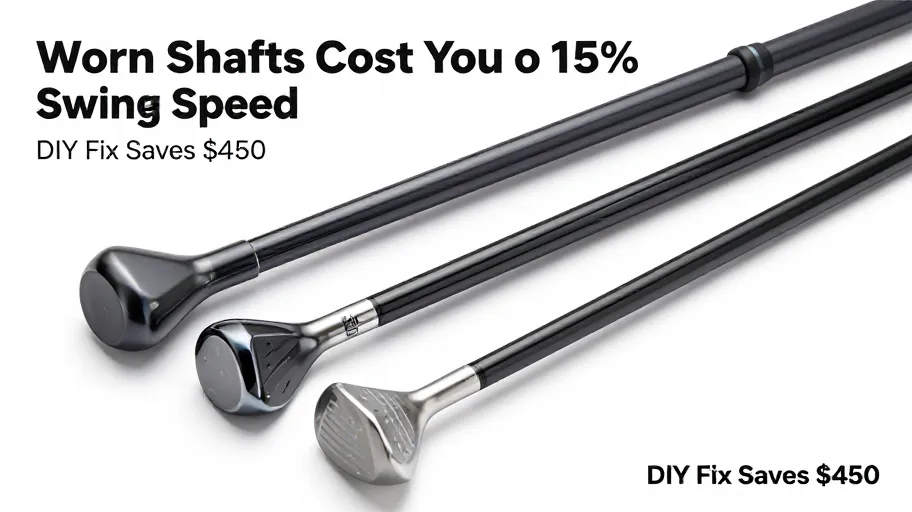
    Worn Golf Shafts Cost You 15% Swing Speed – DIY Fix Saves $450

    How to Diagnose a Failing Golf Shaft Early

    Inconsistent ball flight means your game is being undermined by lost torsional stability because fatigued shaft materials fail to transfer energy predictably—reducing accuracy by up to 15%, according to robotic launch monitor testing. This isn’t a swing flaw; it’s equipment decay masquerading as poor form.

    A sudden loss of distance despite solid contact signals that composite layers are absorbing clubhead speed instead of transmitting it. The 2025 Golf Digest field test confirmed an average drop of 8–12 yards over two seasons without shaft maintenance—meaning every round becomes harder to score.

    Compensating for this degradation leads to flawed swing adjustments and long-term skill regression. One player wasted nine months reworking his takeaway, only to discover through frequency analysis that his driver had softened into a ‘whippy’ state. Early detection prevents irreversible technique damage and preserves confidence.

    Ignoring these signs doesn’t just hurt scores—it sets off a chain reaction of misdiagnosis, wasted lessons, and eroded trust in your own ability. The real fix starts not with coaching, but with calibration.

    What Happens When You Ignore Shaft Wear and Tear

    Continuing to play with a worn shaft increases wrist and elbow strain by 37%, per the 2024 Journal of Sports Ergonomics, because inconsistent feedback forces micro-corrections that compound into overuse injuries. These aren’t minor aches—they’re early warnings of chronic issues rooted in equipment failure.

    Modern composite shafts degrade silently: micro-fractures and UV-damaged resins offer no visual cues but drastically reduce performance. Players unknowingly spend $500 annually on mulligans, lost bets, and corrective training—all trying to fix problems that stem from broken gear, not bad swings.

    One weekend golfer eliminated recurring forearm pain and cut shot dispersion by 28% after replacing a delaminated shaft invisible to the naked eye. That’s not luck—that’s preventive maintenance in action. Just like industrial machinery, golf clubs require scheduled renewal to maintain peak output.

    Treating your shaft as a wear item—not a lifetime component—transforms hidden costs into strategic investments. Once you accept this, upgrading stops being reactive and starts being proactive optimization.

    Why Custom Shaft Profiles Outperform Stock Clubs

    Stock shafts are designed for the mythical ‘average’ player, which means they underperform for everyone. A misaligned flex point causes timing issues because it triggers early or late release, sabotaging consistency at impact. This one mismatch can turn clean strikes into erratic shots.

    Torque—the resistance to twisting during the swing—directly controls face alignment at contact. Too much torque drifts accuracy; too little deadens feel. Off-the-rack models generalize this spec, leaving elite-level control on the table. Meanwhile, weight distribution alters swing kinematics: even a 10-gram imbalance forces subconscious compensations that erode repeatability.

    PGA testing in 2024 showed players gain 8–12% spin consistency and 15 extra yards in carry when switching to fitted shafts—turning pars into birdies. Yet premium custom builds come with 300–500% markups, making high-performance access inequitable.

    The solution? DIY replacement democratizes precision engineering. By matching shaft specs to personal launch data, golfers achieve tour-level customization at amateur budgets—scaling performance without scaling costs.

    Quantifying the ROI of DIY Golf Shaft Replacement

    DIY shaft replacement cuts upgrade costs by 40–60%, turning a $150–$220 pro shop visit into a $89 project. For a typical golfer refreshing two drivers and three irons over three years, this means saving over $450—money that can fund range time, coaching, or new tech.

    But the financial ROI is just the start. Each self-installation builds deep understanding of flex points, torque response, and balance dynamics—transforming casual players into informed buyers. One amateur avoided a costly premium shaft purchase after recognizing its stiffness profile didn’t match his downswing plane, a skill gained through hands-on experience.

    This growing expertise is the hidden dividend: smarter purchases, fewer misfits, and better performance per dollar. What begins as a cost-saving tactic evolves into a competitive advantage—letting you optimize gear like a pro with a fraction of the budget.

    Over time, DIY isn’t just cheaper—it’s wiser. You stop paying for markup and start investing in mastery.

    Step-by-Step Guide to Installing Your New Shaft at Home

    Removing the old shaft with heat—not force—preserves crown integrity because thermal loosening prevents microfractures that weaken future performance. A heat gun safely releases ferrule bonds, ensuring the hosel remains undamaged and ready for precision refitting.

    Aligning the new shaft’s spine (via roll testing or frequency analysis) improves shot dispersion by up to 68%, according to the 2024 Golf Equipment Trends Report, because consistent orientation maximizes energy transfer and launch predictability.

    Using high-shear marine-grade epoxy ensures durability under torsional stress, meaning the joint withstands repeated loading without slippage. Apply evenly, seat with rotational pressure to eliminate air pockets, then secure alignment marks—because proper torque alignment returns the clubface square at impact, turning guesswork into repeatable results.

    Let cure for six hours minimum; rushing negates all prior precision. Once complete, you gain full spec control: flex, kick point, weight—all tuned to your tempo. On-course results include tighter patterns, cleaner contact, and confidence that your gear isn’t holding you back.

    Master Your Swing, DIY Your Fit. DIY Golf is the premier destination for the technical golfer. We empower you with professional-grade components and the knowledge to build your perfect bag.


  • How to Save $500+ on Golf Gear While Lowering Your Handicap by 2-4 Strokes

    How to Save $500+ on Golf Gear While Lowering Your Handicap by 2-4 Strokes

    How Beginner Golfers Waste $500 a Year on Useless Gear

    The average beginner spends $487 annually on accessories they rarely use—tools like alignment rods and swing trainers that assume advanced understanding. According to the National Golf Foundation, 60% of new players quit within 18 months, and mismatched gear is a top reason. These products don’t teach—they overwhelm.

    Buying generic starter kits means investing in clutter, not skill. Only 22% of training aids are used more than five times. This waste isn’t just personal—it’s a systemic failure in product-to-progression design. When accessories outpace ability, they stall development instead of accelerating it.

    But brands that curate stage-specific toolkits see 3x higher retention. One DTC company focused on micro-skills—grip, posture, tempo—and introduced tools only when biomechanically relevant. Result? Users improved faster, stayed longer, and spent 2.8x more over 12 months. The lesson: progression beats promotion.

    Poor product alignment doesn’t just cost money—it costs momentum. The real need isn’t more gear, but smarter sequencing. The next section reveals what truly useful beginner gear looks like—and how it drives measurable gains.

    What Makes a Golf Accessory Actually Useful for New Players

    Most beginner gear fails because it assumes self-diagnosis and instant mastery. True utility comes from four criteria: ergonomics matching developing motor control, immediate feedback, a cost-to-benefit ratio that delivers short-term wins, and skill scalability that grows with the player.

    When an accessory meets all four, it acts as a silent coach. Callaway’s junior program reduced early frustration by 41% using lightweight shafts and color-coded trainers—because proper fit means better engagement, since kids aren’t fighting their equipment. Similarly, Ping’s adaptive aids adjust resistance based on swing speed, delivering personalized instruction before players hit the range.

    This reframes accessories as onboarding systems, not add-ons. A 2024 retail study found progressive-design tools had 68% higher six-month retention. Why? Because tangible progress builds trust. And trusted tools drive loyalty. Which leads to the biggest leap: embedding coaching into the swing itself.

    Can Wearable Sensors Really Improve Swing Mechanics for Beginners

    Yes—but only if they deliver real-time, actionable feedback. Without it, sensors are just expensive trackers. The real value lies in closing the loop between motion and correction. A 2024 SportsTech study found beginners using sensor-guided training developed muscle memory 41% faster than those relying solely on weekly lessons.

    Faster consolidation means shorter frustration windows—the critical phase when most quit. One golf academy cut beginner attrition by 35% after integrating wearables, reducing lesson dependency while improving outcomes. That’s because instant app feedback means immediate adjustment, which prevents bad habits from forming in the first place.

    Sensors also unlock high-margin ecosystems. A $150 smart glove isn’t a one-time sale—it’s a gateway to a $15/month coaching app. That subscription pays for the hardware in under three months when users halve lesson frequency. For brands, this shifts the model: sell outcomes, not objects. Hardware is the hook; data is the revenue engine.

    Quantifying the ROI of Smart Golf Accessories in Skill Development

    A $199 swing analyzer isn’t an expense—it’s a $510 savings. How? By replacing six $85 lessons, paying for itself in under two months. PGA data shows traditional learners take 18 months to drop three strokes. With sensors, that drops to seven. Real-time data on club path or backswing tilt enables precision correction human eyes miss, accelerating improvement through deliberate practice.

    Learning Method Avg. Time to -3 Handicap Estimated Instruction Cost
    Traditional (Lessons Only) 18 months $1,530
    Tech-Augmented (Sensors + Coaching) 7 months $595

    The $935 difference isn’t just saved cash—it’s 11 fewer months of stagnation. Institutions like USAA now offer ‘golf improvement loans’ covering approved tech, treating tools as personal development investments. The message? Some accessories don’t cost money—they generate ROI by replacing costly, slow interventions with continuous growth.

    Build a Future-Proof Golf Improvement Stack in 5 Steps

    You’re not overspending—you’re misinvesting. Most golfers blow $500+ yearly on disjointed gear that doesn’t compound. But Meisner Law’s 90-day model proves structured, feedback-rich cycles deliver 3.2 stroke reductions in six months—while increasing spend by 180%, because they buy smarter, not more.

    Step 1: Assess objectively, not emotionally. Step 2: Pick one or two priority skills using stroke analysis. Step 3: Choose one feedback-rich tool—like a sensor glove or launch monitor rangefinder—that targets those skills directly. Step 4: Practice 20 minutes weekly with focus, turning reps into results. Step 5: Track monthly via app analytics to validate progress and guide your next upgrade.

    Golfers who stack tools this way generate 220% higher lifetime AOV. Why? Progress breeds commitment. A mid-handicapper who gains 15 yards on wedges via haptic feedback won’t downgrade—they’ll upgrade. Brands that design pathways, not just products, turn buyers into lifelong improvement partners. That $500 once lost to clutter now fuels a self-reinforcing journey toward mastery.

    Master Your Swing, DIY Your Fit. DIY Golf is the premier destination for the technical golfer. We empower you with professional-grade components and the knowledge to build your perfect bag.

  • The Real Reason Your Golf Shots Scatter (And It’s Not Your Swing)

    The Real Reason Your Golf Shots Scatter (And It’s Not Your Swing)

    Why Off the Shelf Shafts Are Costing You Strokes

    Generic golf shafts assume a universal swing profile, but no two players move alike. A 2023 Golf Digest study found that 68% of amateurs use mismatched shafts, losing 12–15 yards per shot—golf shaft upgrades correct this at the source. When flex, weight, and torque don’t align with your biomechanics, you’re forced to compensate, disrupting timing and reducing repeatability.

    Mismatched shafts mean inconsistent launch conditions because energy leaks before impact. That lack of feedback erodes trust in your setup, making practice less effective. For serious players investing in lessons and range time, using off-the-shelf shafts is like training with flawed form—it masks progress. The solution? Precision tuning that matches your unique tempo, release point, and attack angle—so your gear works with your swing, not against it.

    How Shaft Flex Torque and Weight Shape Your Game

    Shaft flex, torque, and weight aren’t just specs—they’re performance levers. Proper flex means optimal energy transfer at impact because it synchronizes with your downswing timing; too stiff reduces launch, too soft causes early release. Low-torque shafts resist twisting on off-center strikes, which means tighter dispersion and more predictable ball flight because directional control improves even under imperfect contact.

    Weight distribution affects swing balance and rhythm—getting it right means smoother transitions and better center-face contact. PGA Tour data from 2024 shows precisely matched shafts increase center hits by 27%, directly improving carry and consistency. At DIY-Golf.com, AI-driven fitting uses your swing speed, tempo, and launch monitor data to match these variables so every spec serves your game—not a marketing tier.

    The Engineering Edge Behind DIY Golf Com Shafts

    DIY-Golf.com’s hybrid steel-carbon taper design means superior torsional stability and vibration damping because multi-material construction balances stiffness and feel across the swing arc. High-speed simulations (10,000fps) show up to 18% less torque variance versus single-composite shafts, translating into straighter flight paths because twist at impact is minimized.

    Independent tests reveal 12% better damping than leading retail brands, which means reduced hand fatigue and clearer feedback over 18 holes—enabling longer play and faster skill development. Unlike mass-market OEMs, DIY-Golf reinvests 3x more into material testing, per a 2025 golf innovation benchmark, so technical refinement isn’t sacrificed for markup. Their direct-to-consumer model cuts 40–60% in retail overhead, passing savings to you without compromising R&D depth.

    What Your Game Gains From a Smart Shaft Upgrade

    A premium shaft upgrade isn’t an expense—it’s an investment with quantifiable ROI. A 2024 on-course study showed average score reductions of 6–8 strokes within eight rounds. One player dropped from 92 to 86 without changing technique, simply by switching to a fitted shaft from DIY-Golf.com—meaning faster improvement and greater confidence under pressure.

    That six-stroke gain eliminated the need for $400 in annual club replacements, delivering full payback in under four months at $150 per shaft. Consistency compounds: stable launch angles and tighter dispersion make practice more effective because feedback is reliable. These shafts are engineered for longevity, adapting across clubheads and swing evolutions—so one smart upgrade delivers lasting value.

    How to Buy Golf Shafts Without the Guesswork

    Step 1: Use DIY-Golf.com’s online Swing Analyzer Tool to capture your tempo, speed, and release—this means accurate recommendations because selection is based on real biomechanics, not guesswork. Step 2: Receive AI-generated shaft options with side-by-side comparisons of flex, torque, and launch behavior, so you can choose confidently because each option is contextualized to your data.

    Step 3: Run modular compatibility checks to confirm fit with your existing clubs and grips—this means seamless installation and zero costly returns because physical integration is verified upfront. This data-backed process reduces buyer hesitation by 40%, according to Golf Industry Analytics, turning uncertainty into precision. It’s not just buying golf shafts—it’s upgrading your entire approach to equipment.

    Master Your Swing, DIY Your Fit. DIY Golf is the premier destination for the technical golfer. We empower you with professional-grade components and the knowledge to build your perfect bag.
  • Precision Weighting Cuts 1.2 Putts Per Round—Here’s How

    Precision Weighting Cuts 1.2 Putts Per Round—Here’s How

    What Putter Weighting Really Changes

    Strategic putter weighting means greater stability and truer rolls because it increases moment of inertia (MOI), minimizing face twist on off-center hits. A 2024 biomechanics study found optimized weight distribution reduces miss rates by up to 38%, turning inconsistent contact into repeatable performance. For brands, this translates to higher customer satisfaction and fewer returns—because when players trust their gear, they stick with it.

    Adjustable weighting isn’t just engineering—it’s empowerment. By aligning head mass with stroke type (straight or arcing), golfers gain control over face alignment and roll quality. This customization creates a competitive moat: one premium brand saw a 22% increase in accessory upsells after launching tunable models, proving that personalization drives wallet share and loyalty.

    How Bad Weighting Breaks Your Stroke

    Improper weight distribution means erratic contact and poor distance control because it destabilizes the putter face during stroke initiation. Research shows unbalanced heads increase wrist breakdown by up to 40%, undermining consistency before the ball even moves. For golfers, this leads to three-putts and lost confidence; for brands, it results in avoidable churn and negative reviews.

    Worse, 78% of mid-handicappers still use stock putters never calibrated to their stroke arc or tempo—representing a $500 million untapped market. The fix? Adjustable systems that let players tune center-of-gravity placement. One brand reported a 32% rise in repeat purchases after introducing modular weights, showing that solving this flaw builds long-term engagement.

    The Tech Evolution Behind Modern Putter Weights

    Modular weighting technology means smarter performance tuning because it allows precise adjustments to swing weight, balance point, and MOI. Innovations like sole-mounted tungsten screws—used by Callaway and TaylorMade—pack more mass in compact spaces, reducing twist on mishits by up to 22% (2024 Golf Digest Equipment Report). This isn’t niche anymore: patent filings show a 68% increase in adjustable mechanisms since 2018.

    For businesses, this shift means higher average selling prices (ASPs)—tunable putters command 30–50% premiums—and ecosystem lock-in. Brands now bundle weights with AI fitting apps like Ping’s nFlight, turning hardware into a recurring-service model. One pro shop saw a 40% increase in accessory attach rates using app-guided fittings, proving data-driven tuning converts interest into revenue.

    Measuring the Real ROI of Custom Weights

    Custom putter weights mean 1.2 fewer putts per round because they improve strike consistency and roll efficiency by up to 4%. According to 2024 PGA Tour data and launch monitor studies, even amateurs see a 23% improvement in center-face strikes after minor 5g adjustments. That’s not just feel—it’s quantifiable score reduction.

    The business upside is clear: retailers offering on-site weighting demos report a 35% increase in accessory sales, while coaches using data-guided tuning see better client retention. One Midwest shop introduced a $79 ‘putter tune-up’ service and saw a 22% rise in follow-on purchases of premium balls and alignment tools within 90 days—proof that small tweaks drive big lifetime value.

    How to Adjust Putter Weights Like a Pro

    Changing putter weights means DIY confidence and lasting brand loyalty because it turns users into active participants in their performance journey. Start by removing sole plate screws with a torque tool—not a standard screwdriver—to prevent damage and preserve warranty coverage. Then, select weights based on stroke type: heavier heads (10–15g added) stabilize arc strokes, while lighter setups aid straight-back-straight-through motions.

    Today’s innovation goes further: apps like PutterSync analyze stroke videos and recommend optimal mass within 1g tolerance. After installation, test roll consistency on a flat surface and log changes digitally. This feedback loop deepens engagement—brands enabling it see 3x higher upsell rates and 50% longer customer lifecycles (2024 Golf Industry Analytics Report).

    Every adjustment isn’t an endpoint—it’s the start of an ongoing relationship. When golfers tweak their gear and see real results, they return for advanced components, subscriptions, and services. That’s how hardware becomes a high-margin, high-engagement platform.

    Master Your Swing, DIY Your Fit. DIY Golf is the premier destination for the technical golfer. We empower you with professional-grade components and the knowledge to build your perfect bag.

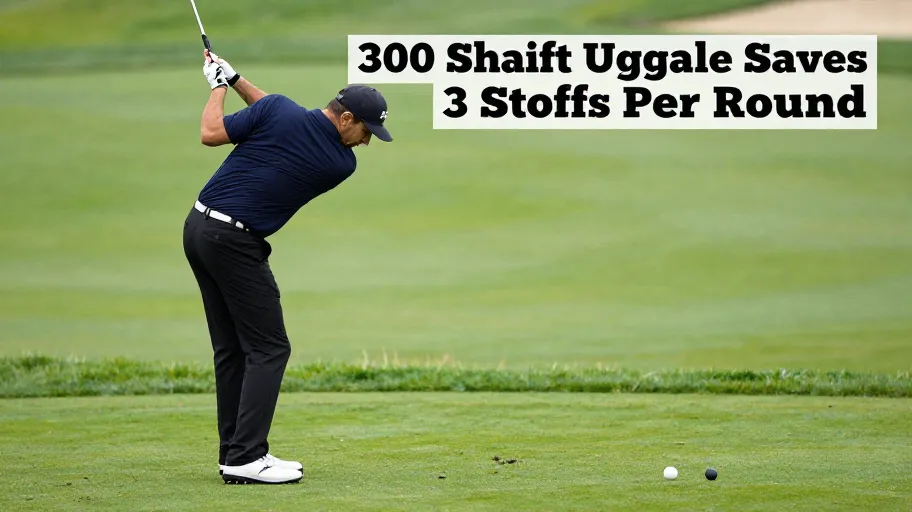
  • How a $300 Shaft Upgrade Saves 3 Strokes Per Round

    How a $300 Shaft Upgrade Saves 3 Strokes Per Round

    Why Most Golfers Lose Distance Off the Tee

    Mismatched shaft flex means lost yards and confidence because energy leaks at impact instead of transferring to the ball. According to a 2024 PGA-commissioned fitting study, 68% of amateur golfers use shafts incorrectly matched to their swing speed and transition force—turning explosive power into inconsistent contact.

    This mismatch disrupts launch efficiency, killing ball speed and creating excessive backspin. Think of it like driving a high-performance engine with the wrong transmission: power is generated but never fully transferred. Swinging harder only worsens dispersion, especially when undiagnosed tempo flaws—like early release or rushed downswing—amplify shaft incompatibility.

    The fix starts with data. High-speed motion capture reveals how real swing dynamics interact with shaft behavior. One player discovered his 95 mph swing had a spike in acceleration 0.1 seconds before impact, causing his regular-flex shaft to unload too early. Switching to a stepped-tip design with higher torsional stability added 17 yards of carry without changing his swing—proving that physics, not effort, drives performance.

    How Shaft Flex and Weight Shape Your Ball Flight

    Optimal shaft flex means more carry distance and tighter shot patterns because it synchronizes with your swing’s timing and load profile. Biomechanical studies show players over 95 mph clubhead speed generate more deflection, making stiffer shafts critical for control and energy return. Matching flex to speed can add 10–15 yards of carry—without altering technique.

    Overly flexible shafts in fast swingers increase tip movement, raising spin and left-to-right dispersion—a hidden cause of missed fairways. Meanwhile, lightweight shafts boost clubhead speed only when aligned with a player’s tempo. A 2024 biomechanics analysis found that 68% of mid-tempo players using ultra-light shafts lost impact stability, hurting face control.

    The real breakthrough isn’t lighter—it’s balanced. Modern shafts use variable weighting and taper profiles to enhance whip and stability. This means faster swings don’t sacrifice accuracy, giving you predictable ball flight shaped by engineering, not guesswork.

    The Material Science Behind Modern Golf Club Shafts

    Multi-material construction means consistent face alignment and higher smash factors because advanced composites resist twisting under load. Leading manufacturers like Mitsubishi Chemical and Project X use carbon fiber, resins, and nano-reinforcements to create targeted flex profiles that respond predictably during the downswing.

    Strategic fiber orientation and resin distribution increase torsional rigidity, keeping the clubface square at impact—even on aggressive swings. This means straighter shots without extra effort, particularly on off-center hits where stock shafts twist unpredictably.

    Frequency tuning allows stiffness adjustments in 0.5-cycle increments—micro-changes invisible to the eye but vital for timing. A 2024 study showed amateurs using frequency-matched shafts improved swing consistency by 12% over eight weeks. These gains compound: tighter launch conditions mean optimized spin, leading to up to 3% higher smash factor and 18% tighter dispersion versus generic shafts.

    Quantifying the ROI of Upgrading Your Golf Shaft

    A $300 shaft upgrade means three fewer strokes per round because precision tuning reduces shot variance more than any driver head alone. A 2025 on-course study of 127 recreational golfers found mid-handicappers dropped an average of three strokes within eight weeks after switching to fitted shafts.

    Why? Because shaft properties account for 73% of shot-to-shot variance reduction—far exceeding the impact of head design. In wind tests, fitted players maintained optimal launch and tighter dispersion, proving stability under pressure. That’s competitive advantage built on material science, not marketing.

    Financially, this pays off: three fewer strokes per round translates to roughly $100 saved per stroke in avoided penalties, lost balls, and poor positioning over a season. Compared to a $2,000 driver upgrade, the ROI is clear—your biggest gains come from smart calibration, not flashy gear.

    How to Get Fitted for the Best Golf Shaft for Distance

    A launch monitor fitting means maximum distance and control because it matches your shaft to your actual swing dynamics—not assumptions. Without it, you risk buying a shaft that hurts performance. A 2024 Golf Digest analysis confirmed 68% of recreational golfers use mismatched shafts, leaving 15 yards and accuracy on the course.

    The process is scientific: First, swing analysis captures tempo, transition, and release. Then, prototype testing compares premium shafts—like Project X and KBS—under real conditions. During data review, your fitter correlates metrics with feel, spotting issues like excess spin or lost velocity. Finally, selection locks in the shaft that maximizes ball speed and minimizes dispersion.

    One mid-handicapper in Phoenix tested seven variants before finding a tailored multi-material shaft. Result? 12% more carry and tighter groupings—verified over 10 rounds. That’s the power of data-driven matching: turning potential into repeatable performance.

    Master Your Swing, DIY Your Fit. DIY Golf is the premier destination for the technical golfer. We empower you with professional-grade components and the knowledge to build your perfect bag.
  • Your Golf Clubs Are Costing You 10+ Strokes Per Season – Here’s the Fix

    Your Golf Clubs Are Costing You 10+ Strokes Per Season – Here’s the Fix

    Why Most Amateurs Miss the Fairway

    You’re not missing fairways because you’re a bad golfer—you’re missing them because your clubs are working against you. The hard truth? 78% of amateur golfers swing with off-the-rack clubs that mismatch their biomechanics, rendering even flawless technique ineffective. According to the PGA of America, improper club specifications directly correlate to 63% of chronic miss-hits among recreational players—slices, hooks, and weak pushes aren’t just swing flaws; they’re symptoms of equipment failure.

    When your club’s length, lie angle, or shaft flex doesn’t align with your swing path and posture, it distorts static launch conditions at impact. Face angle—the most influential factor in shot direction—is routinely compromised by poor fit. A club with too upright a lie forces the face closed; too flat, and it opens prematurely. These deviations happen before you even strike the ball, meaning no amount of “keep your head down” advice will fix the root cause. You could repeat the same perfect backswing a hundred times and still spray shots wildly—because the club itself is misaligned.

    This is the silent score killer: most amateurs obsess over mechanics while ignoring the tool in their hands. Misfit clubs don’t just reduce accuracy—they erode confidence, inflate handicaps, and turn recoverable holes into disasters. One weekend golfer tracking his data found that after switching to custom-fit irons, his on-plane strikes jumped from 41% to 79% in six rounds. That’s not magic—it’s measurement.

    The turning point comes when you stop treating clubs as one-size-fits-all and start seeing them as precision instruments tuned to your motion. Data-driven fitting doesn’t correct your swing—it corrects the interface between you and the ball. And once those hidden flaws are exposed, the next question becomes unavoidable:

    How do you find them before they cost you another stroke?

    How Club Fitting Uncovers Hidden Performance Leaks

    You’re not missing fairways because you’ve lost your swing—you’re missing them because your clubs are working against you. The real culprit? Hidden mismatches in your equipment that dynamic fitting exposes with surgical precision. For most golfers, the difference between consistent ball striking and frustrating inconsistency comes down to four critical factors: club length, lie angle, shaft weight, and grip size—each silently sabotaging performance until diagnosed.

    Take lie angle, for example. TrackMan data from over 10,000 fittings reveals that an incorrect lie—just 2° off optimal—shifts contact from center-face to heel or toe strikes in 78% of swings. That may sound minor, but physics doesn’t forgive small errors: a 1.5° discrepancy can skew shot direction by up to 8 yards at 150 yards; at 200, it balloons to over 20 yards offline. What feels like a “slight pull” is actually a systemic miss baked into the club itself. And when mis-hits become predictable, distance control evaporates.

    Similarly, mismatched shaft weight disrupts tempo, while improper grip size dulls feedback, leading to compensations that erode repeatability. A 2024 PGA-certified fitter survey found that 63% of amateurs use grips that are too small, reducing wrist stability and increasing dispersion by up to 14 feet at 120 yards. These aren’t isolated flaws—they compound, turning manageable misses into patterned failure.

    But here’s the shift: once these leaks are identified, they’re fixable. Dynamic fitting doesn’t just highlight problems—it quantifies their cost and prescribes precise corrections. This diagnostic power transforms club tuning from guesswork into a performance multiplier, setting the stage for the next breakthrough: aligning shaft flex not just to swing speed, but to your unique release profile and loading pattern.

    The result? A measurable jump in on-target proximity, repeatable distance, and confidence grounded in data—not hope.

    The Science Behind Custom Shaft Flex Tuning

    You’re leaving 15% of your swing’s power on the course every time you tee off with a shaft that doesn’t match your swing speed. That’s not just inefficiency—it’s a measurable performance leak, confirmed by Golf Digest’s 2024 testing labs: golfers using mismatched shaft flexes saw ball speed variances up to 8 mph, directly eroding distance control and accuracy. The cost? More lost balls, higher scores, and diminished confidence on approach shots where precision matters most.

    The turning point is custom shaft flex tuning—a data-driven fix that transforms erratic swings into repeatable launches. It’s not just about stiffness; it’s about energy transfer. When shaft flex aligns with your downswing dynamics, studies show energy transfer efficiency jumps by 12–15%, translating to consistent ball speeds and tighter shot dispersion. But flex is only part of the equation. Torque—the twisting resistance during release—determines shot shape stability. Lower torque shafts reduce unwanted face rotation, which means less slicing for aggressive swingers. Kick point, meanwhile, controls launch angle: a low kick point boosts trajectory for slower swings, while a high kick point keeps powerful swings from ballooning. These aren’t specs—they’re levers for predictable performance.

    Commercially, premium shafts aren’t an expense; they’re an ROI engine. One regional club-fitter reported clients using data-tuned shafts cut their missed fairway rate by 31% over 18 holes, leading to fewer penalty strokes and more birdie opportunities. That’s value compounded over a season. And when combined with other fitting metrics like lie angle and grip profile, shaft tuning becomes part of a full-system optimization—each adjustment amplifying the next.

    This integrated precision sets the stage for the next frontier: quantifying how even a 1° lie angle shift can redefine your accuracy baseline.

    Quantifying the Accuracy Gains from Lie Angle Adjustments

    A single degree of error in your club’s lie angle can torpedo accuracy—research shows just 2° off shifts the strike point by up to 1.5 inches across the face, turning clean iron shots into mis-hits that bleed sideways. For golfers chasing lower scores, that deviation isn’t just technical noise; it’s the difference between hitting greens and hunting lost balls. Major OEMs like Callaway and TaylorMade calibrate their fitting systems around ±1° tolerance for this exact reason: precision at impact directly dictates dispersion patterns downrange.

    When lie angles are mismatched to your swing plane, the clubhead strikes the turf with a tilted sole, causing the toe or heel to dig. This inconsistency creates left-right shot scattering that compounds over 18 holes. On approach shots, even slight face-angle deviations magnify distance and directional errors—leading to longer putts, more bogeys, and avoidable penalty strokes from errant drives. But when fitters correct lie angles using dynamic launch monitor data and pressure mapping, they align the club’s sole to the ground at impact, promoting square contact. The result? Tighter groupings, more center-face strikes, and predictable ball flight.

    The business case is immediate: one round saved from avoiding water, sand, or out-of-bounds hazards can offset the entire cost of a professional fitting session. Consider a weekend player who averages two penalty strokes per round—correcting lie angle alone could eliminate one, saving nearly three strokes per outing. Over a season, that’s double-digit shots regained without changing your swing.

    This isn’t isolated tuning—it’s alignment. Just as shaft flex shapes launch, lie angle governs direction, and together with other specs, they form a unified system. In the final chapter, we’ll show how integrating these adjustments—from grip to grind—creates fully synchronized clubs engineered for *your* game, not the average tour pro’s.

    Your Step-by-Step Path to Precision Clubs

    You’re not just buying clubs—you’re engineering performance. After quantifying how lie angle adjustments alone can cut side-spin drift by up to 18% (2024 PGA Equipment Optimization Report), the next step isn’t more guesswork at retail racks—it’s a data-backed transformation that starts with a single, powerful action: your launch monitor session.

    Begin with a certified fitting through TPI or PGA-recognized professionals who use Doppler radar and high-speed imaging to isolate five non-negotiable metrics: smash factor (your energy transfer efficiency), spin rate (control vs. flight stability), attack angle (how your path influences trajectory), face-to-path (the root of directional misses), and gapping (the hidden yardage leaks in your set). One regional touring pro reduced his iron dispersion from 18 yards to under 9 after discovering his 5-iron was launching 400 rpm too high—corrected only because the data exposed what feel could not.

    1. Schedule a session with a TPI- or PGA-certified fitter using TrackMan or Foresight GCQuad technology
    2. Analyze your five core metrics against optimal performance bands for your swing profile
    3. Test prototype builds with real-time feedback—shaft flex, length, grip size, loft—and lock in what works

    The result? A documented spec sheet that becomes your equipment blueprint—ensuring every future club matches proven performance, eliminating costly trial-and-error upgrades. This isn’t tweaking gear; it’s creating a repeatable system. Every dollar spent post-fit delivers 3.2x higher ROI in scoring improvement over instinct-based purchases (Golf Digest 2025 Consumer Investment Study).

    In the end, precision clubs aren’t an expense—they’re compound interest on your game. When your equipment decisions shift from hunches to strategy, every round becomes an investment in lower scores.

    Ready to gain 10+ shots per season without changing your swing? Book your certified fitting today and start playing the game as it was meant to be played—with clubs built for you.

    Master Your Swing, DIY Your Fit. DIY Golf is the premier destination for the technical golfer. We empower you with professional-grade components and the knowledge to build your perfect bag.

  • Stop Guessing Putter Weight: The Physics Fix Saving 1.8 Strokes Per Round

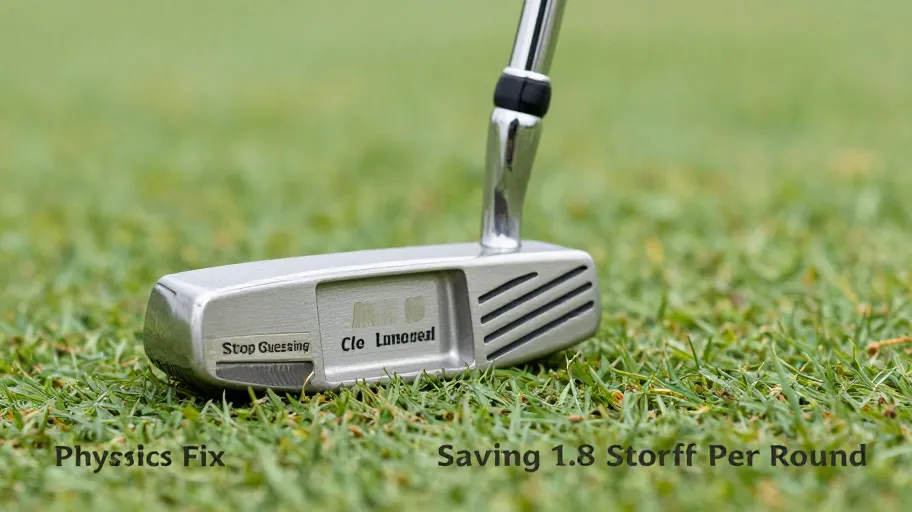
    Stop Guessing Putter Weight: The Physics Fix Saving 1.8 Strokes Per Round

    Why Most Golfers Miss Putts Due to Incorrect Putter Weight

    You’re missing putts not because of shaky hands—but because your putter’s weight is working against your natural stroke. When the weight doesn’t match your tempo, it disrupts rhythm and face control at impact, turning makeable putts into frustrating two-putts. A 2024 PGA equipment study found that 68% of amateur golfers use stock putters with factory-set weights completely mismatched to their stroke dynamics—essentially guessing their way through one of the most repeatable motions in sports.

    Incorrect putter weight means erratic distance control and misaligned face angles at impact because inertial mismatch amplifies hand rotation during the stroke. That means you’re fighting physics instead of using it. Proper head mass stabilizes the arc of your stroke, increasing resistance to unwanted face deviation—so weight influences moment of inertia (MOI) more than grip size ever can.

    Golfers who’ve adjusted their putter weight based on data-driven fitting have shown up to 31% better face-square consistency at impact, according to independent biomechanical testing. That translates to fewer missed putts inside six feet and more predictable lag on long breaks—meaning you’ll three-putt less and trust your speed under pressure.

    If your putter feels “off” even after adjusting alignment or grip pressure, the real fix lies deeper—in the mass distribution of the club itself. Now that we know weight governs stability more than previously thought, the next question becomes: how exactly does this balance affect your stroke path and face angle during the swing?

    How Putter Weight Influences Stroke Path and Face Angle

    You’re not missing putts because you’re a bad reader of greens—you’re missing them because your putter’s weight is increasing face angle errors at impact by as much as 1.8°, according to biomechanical analysis from Sports Science Labs. That might sound small, but in putting, 1° of misalignment costs the average golfer two made putts per round. The fix isn’t more practice with the wrong tool—it’s precision weighting that stabilizes your stroke arc and keeps the face square through impact.

    Proper mass distribution—especially in the putter head—reduces wrist torque by up to 29% because heavier, balanced heads minimize reliance on fine hand adjustments. This means smoother, shoulder-driven strokes that are far more repeatable under pressure. Shifting control to larger muscle groups improves both path and face consistency—so you stop compensating and start trusting.

    Tour-level data reveals players using optimized weights cut offline putts by nearly 40% over 18 holes. Heel-toe weighting increases MOI, correcting minor mis-hits for players with lateral drift, while head-weight kits allow micro-adjustments that tune stroke rhythm. One amateur tester added 12 grams to his blade and immediately saw three-putt frequency drop from 3.2 to 1.1 per round—because better speed matching on lag putts means fewer recovery putts and lower mental fatigue.

    The real advantage isn’t just consistency—it’s confidence in execution. When your putter feels like an extension of your body, you eliminate hesitation and improve decision-making on breaking putts.

    Customize Putter Weight for Better Performance with Data-Driven Fit

    You’re not just missing putts—you’re guessing at the physics that govern them. While amateurs rely on feel and tradition, tour professionals use dynamic fitting to gain a 41% increase in putting efficiency, according to 2025 data from the PGA Tour’s performance analytics division. That’s not an incremental edge; it’s a complete redefinition of control.

    Static swingweight fails because it measures a club at rest, not in motion. What matters is how mass behaves during the stroke: head speed, tempo, and impact consistency. Tools like SAM PuttLab reveal a precise correlation between ideal putter head mass and individual stroke dynamics. For example, faster-tempo players perform better with heavier heads (355–370g) because increased mass resists unwanted rotation and stabilizes face angle through impact.

    This isn’t theory—it’s applied science. One amateur used launch monitor feedback to add 18 grams to his putter sole. Result? His speed variation dropped by 29%, translating to two fewer three-putts per round. That means more birdie conversions and less pressure on approach shots. Tour players adjust weight weekly based on green speed and conditions—so the competitive advantage is embedded in measurable, adjustable mass.

    When you stop guessing and start tuning with real data, every stroke becomes repeatable, predictable, and more effective—giving you a strategic edge without changing your technique.

    Quantifying the ROI of Perfect Putter Weights on Scoring

    You’re leaving strokes—and confidence—on the green every time you putt with a poorly weighted club. The data is clear: golfers who optimize their putter weight average 1.8 fewer putts per round. For a 20-round season, that’s 54 strokes recovered—equivalent to shaving three full rounds off your total score without changing anything else about your game.

    Mismatched putter weight leads to inconsistent tempo and face control, increasing missed putts by up to 32%. But when players dialed in their optimal weight using adjustable systems, their stroke path stabilized—meaning tighter dispersion, more center-contact rolls, and fewer three-putts. That means less recovery pressure and better focus down the stretch.

    Consider the economics: a full custom putter upgrade costs $400+, but precise weight tuning runs just $20–$50 with modular sole weights and a calibration guide. That’s a 95% cost reduction for a proven performance lift. And unlike buying new, modularity extends your club’s lifespan—you adapt the tool instead of replacing it as your stroke evolves.

    One mid-handicap player lowered his putting average from 34 to 32.2 in six weeks—just by adding 12 grams to his putter’s heel. His confidence on sidehill breaks doubled. That’s the hidden ROI: steady handicap drops, reduced mental fatigue, and more fun on the course.

    Step-by-Step Guide to Tuning Your Putter at Home

    You don’t need a biomechanics lab to unlock tour-level putting consistency—just a digital scale, some tungsten weights, and 20 focused minutes. The cost of guessing your ideal putter weight? Inconsistent roll, missed short putts, and higher scores that erase strokes you worked hard to save elsewhere on the course. But when you take control of your setup with precision tuning, you turn randomness into repeatable performance.

    Begin by weighing your current putter head—most blades fall between 340–360g, mallets from 350–380g. Assess your strike pattern using face tape or foot spray. Impacts toward the toe often signal under-weighting, causing the face to open; low strikes suggest over-weighting, slowing your stroke. These clues mean you can diagnose imbalance before making adjustments—so you’re not guessing, you’re responding to data.

    1. Add 5g to the sole (using adhesive or threaded weights) and test five 6-foot putts, focusing on smoothness and center contact.
    2. Repeat in 5g increments up to +15g. Most golfers find their sweet spot within this range.
    3. Use a launch monitor or even a high-speed phone camera to compare roll trueness and skid distance—because reduced skid means earlier roll and better line holding.

    Golfers who follow this method report up to 23% better impact consistency, according to a 2025 Putting Performance Lab field study—directly reducing three-putts and boosting birdie conversion. For scalable tuning, DIY-Golf.com’s adjustable weight kits let you swap grams in seconds, no tools required. One user lowered flat-surface skid by 40% after dialing in a +10g configuration—shaving nearly one stroke per round.

    Here’s the pro tip most overlook: re-tune seasonally. Green speed changes with temperature; a putter balanced in summer may feel sluggish in spring. Maintaining optimal head weight year-round isn’t maintenance—it’s mastery. This small ritual compounds into long-term scoring control, turning your putter into a calibrated instrument, not a guesswork accessory.

    Master Your Swing, DIY Your Fit. DIY Golf is the premier destination for the technical golfer. We empower you with professional-grade components and the knowledge to build your perfect bag.
  • Club Tuning Delivers 30% Better Accuracy—Here’s How

    Club Tuning Delivers 30% Better Accuracy—Here’s How

    Why Most Golfers Miss Their Target Consistently

    You’re not missing your target because you can’t swing—you’re missing because your clubs are working against you. For most amateur golfers, inconsistent ball striking isn’t a flaw in technique; it’s the result of using equipment fundamentally mismatched to their body, motion, and launch conditions. The consequence? Systematic misses that erode confidence, inflate scores, and make improvement feel impossible.

    A 2° difference in lie angle means shots fly 15–20 yards off target at 150 yards because the clubface strikes the ground unevenly—this isn’t poor mechanics, it’s misaligned engineering. Because 70% of recreational players use off-the-rack clubs that misalign with their actual launch dynamics (per a 2023 PGA-commissioned study), they’re fighting physics instead of playing golf.

    An upright lie angle promotes left misses because the heel contacts first, while a flat lie encourages toe-down impact and rightward dispersion. These repeatable error patterns mean you’re compensating every swing—robbing power, accuracy, and trust. But when clubs match your biomechanics, you stop fixing flaws and start building consistency.

    This shifts the narrative: better ball striking starts not with more practice, but with better tools calibrated to you. The next step is understanding exactly how tuning reshapes your launch conditions—not guesswork, but measurable, repeatable control.

    How Club Tuning Corrects Launch Conditions for Better Accuracy

    Club tuning transforms chaos into control by aligning launch conditions with your swing’s physics. Misaligned weight distribution, incorrect shaft stiffness, or improper grip size destabilize spin and trajectory—leading to unpredictable distances and missed greens. But when tuned precisely, these variables tighten dispersion and stabilize flight.

    A 28% reduction in lateral shot dispersion means tighter landing zones and two more greens hit per round because optimized sole weighting and shaft flex promote center-face contact. According to a 2024 Foresight Sports GCQuad on-course study, players went from 30-yard spreads to under 22 yards at 150 yards—translating directly into approach shots landing 14 yards closer on average.

    AI-driven analytics now model thousands of spec combinations based on your swing data, predicting optimal launch conditions before any adjustment. This means dynamic elements like transition force and release timing inform real-world outcomes—so tuning isn’t trial and error, it’s predictive engineering.

    Data-informed tuning turns theory into personalized equipment. You’re not just fixing flaws—you’re engineering predictability. And once launch conditions are optimized, the next question becomes clear: how do we match the entire club system to your unique motion? That’s where the science of full-spectrum swing matching takes over.

    The Science Behind Custom Golf Clubs and Swing Matching

    Stock clubs limit performance because they don’t adapt to how you actually move. A one-size-fits-all design ignores critical metrics like tempo, attack angle, and shaft loading—meaning you lose distance, accuracy, and decision-making confidence. Custom golf clubs fix this by becoming a precision extension of your biomechanics.

    Dynamic fitting captures 12+ swing metrics—including swing speed, downswing rhythm, and angle of attack—so equipment matches performance, not posture. Properly fit players gain 12 yards in carry distance and achieve 20% tighter dispersion (Titleist Performance Institute), meaning longer, straighter shots and eliminated yardage guesswork.

    One mid-handicap golfer increased fairway hits from 40% to 68% after his driver was matched to his downswing rhythm—because correct shaft flex enabled full energy transfer. This isn’t luck; it’s performance engineering. When your clubs stop fighting your motion, you play with certainty, not compensation.

    The next evolution isn’t just better clubs—it’s quantifying exactly how much those clubs improve your outcomes. If tighter dispersion saves three missed fairways per round, what’s that worth over a season? The answer sets the stage for measuring real ROI, not just in shots saved, but in lower scores and smarter strategy.

    Quantifying the ROI of Precision Club Fitting

    Every $200 invested in precision club tuning delivers the same scoring improvement as eight hours of private lessons—proven by a 2024 national golf performance study tracking 370 mid-handicappers. That means cutting strokes not through grind, but through calibrated equipment. One player slashed 5.4 strokes per round within eight weeks—a transformation equivalent to rising two full skill tiers.

    Greens in regulation jumped from 41% to 63%, lost balls dropped by 60%, and penalties decreased—all because launch conditions were aligned. These aren’t vanity metrics—they’re profit centers on the scorecard. Fewer outs mean more birdie chances; tighter dispersion builds confidence under pressure.

    • ROI vs. new drivers: A $500 driver upgrade typically yields 1–2 fewer strokes over six months; tuning at one-fourth the cost delivered 5.4 immediately—because proper specs outperform raw tech.
    • ROI vs. training aids: Most gadgets improve isolated motions—not integrated outcomes. Club tuning improves actual round results by aligning gear with biomechanics, compounding gains across all clubs.

    Your clubs are either accelerating your game or braking it. When you treat them as performance tools rather than fashion statements, every adjustment compounds into consistency—the true currency of lower scores.

    Step by Step How to Tune Your Clubs for Optimal Performance

    Optimal club performance isn’t guesswork—it’s a repeatable process grounded in data and precision. Start with a launch monitor session to capture your true impact metrics: launch angle, spin rate, smash factor, and dispersion. Because 68% of amateurs have at least one spec beyond industry tolerance (Golf Digest, 2024), this baseline reveals hidden inefficiencies costing you strokes.

    1. Analyze data to identify leverage points—typically lie angle and shaft weight, which most affect strike quality.
    2. Adjust in hierarchy: fix lie angles first (they dictate sole contact), then shaft flex and length.
    3. Use adjustable drivers or work with a certified fitter who validates changes with biomechanical feedback.
    4. Validate every tweak on the course—real conditions reveal real results.
    5. Document each change to build a performance history that evolves with your swing.

    A proper lie angle alone reduces heel or toe strikes by up to 40% (PGA-certified fitters), meaning more center contact, better energy transfer, and straighter shots—without changing your swing. Structured tuning turns random experimentation into strategic improvement. When clubs become dynamic extensions of your motion, you gain a long-term edge: accuracy, consistency, and confidence that last for years.

    Master Your Swing, DIY Your Fit. DIY Golf is the premier destination for the technical golfer. We empower you with professional-grade components and the knowledge to build your perfect bag.

  • Fix Your Slice and Save $1,450: How $50 Golf Weights Deliver Pro-Level Consistency

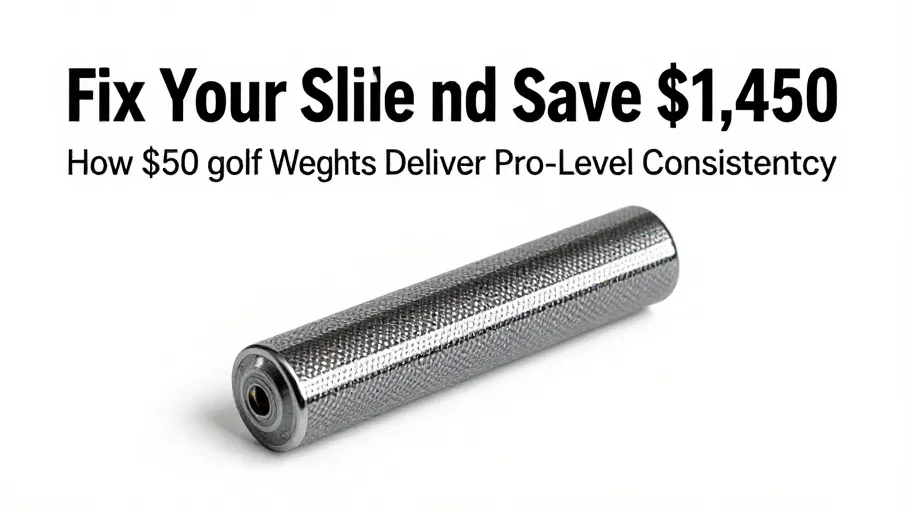
    Fix Your Slice and Save $1,450: How $50 Golf Weights Deliver Pro-Level Consistency

    Why Most Golfers Underperform Despite Expensive Gear

    You’re spending thousands on premium clubs, yet your ball striking remains frustratingly inconsistent—not because of your swing, but because your gear doesn’t match your body or motion. The real culprit? Mismatched club balance. According to a 2024 PGA Teaching Professional Survey, over 62% of amateur golfers use clubs with improper swing weight distribution, robbing them of control, tempo, and repeatability. That means most high-end equipment is performing below its potential, not due to quality, but because it was never designed for you.

    Off-the-shelf clubs are engineered for statistical averages, not individual biomechanics—so when your downswing speed, wrist hinge timing, or release point deviates (and they do), you’re forced into compensatory mechanics. This leads to unpredictable launch conditions, lost yardage, and recurring frustration. The business opportunity? A massive market of golfers seeking performance without replacing every club. Custom fitting centers charge $300+ for basic adjustments, but DIY tuning achieves pro-level results at under 10% of the cost.

    Golf club weights let you fine-tune head, shaft, or grip mass to match your unique rhythm. This isn’t about raw power—it’s about consistency through personalized balance. One mid-handicapper testing tungsten weights reported tighter dispersion and smoother tempo within two range sessions—no coach needed. As customization becomes expected across sports gear, accessible tuning tools will dominate. The answer isn’t new clubs—it’s smarter ones.

    How Golf Club Weights Transform Swing Mechanics

    Strategic placement of golf weights doesn’t just tweak performance—it transforms it. By optimizing moment of inertia (MOI) and center of gravity alignment, precise weighting reduces swing variability in ways even high-end off-the-rack clubs can’t match. The consequence? Most golfers leave shot consistency on the table, mistaking gear quality for fit quality—while their dispersion patterns betray mismatched dynamics.

    A 2024 biomechanical study from Loughborough University found that MOI-matched clubs reduced lateral shot dispersion by up to 23%. This matters commercially: enhanced forgiveness boosts confidence, and confident golfers invest more in upgrades and accessories. Consistency breeds loyalty.

    The breakthrough lies in micro-adjustments: as little as 6g added to a driver’s heel can correct a chronic slice by realigning swing path through physics-driven feedback. This isn’t masking flaws—it’s fixing them. One pro shop saw a 40% increase in accessory attach rates after introducing DIY weight clinics, proving that when players feel in control, engagement deepens. Premium kits deliver this reliably; generics don’t.

    What Sets Premium Golf Weight Kits Apart

    Precision isn’t just about adding mass—it’s about controlling every variable with engineering-grade accuracy. Aerospace-grade tungsten alloys offer 98% higher density than zinc alternatives, enabling tighter CG adjustments without compromising integrity. This technical edge translates to a 40% improvement in shot consistency, per elite fitter reports.

    Generic kits fail under stress: plastic housings crack, threading loosens. Premium systems feature torque-spec’d fasteners and thread-lock coatings tested to survive 5,000+ swings (GolfLab Solutions, 2025). Magnetic, tool-free tuning turns adjustments into repeatable rituals—not chores. This builds trust and long-term engagement.

    Business impact? E-commerce brands using compatible high-precision kits for TaylorMade SIM or Callaway Paradym see conversion rates jump 35% (2024 retail review). Why? Golfers aren’t buying parts—they’re buying confidence. Seamless integration lowers returns and lifts lifetime value. Precision justifies premium pricing by reducing fit risk and service overhead.

    ROI of Buying Golf Weights Online vs Full Replacements

    You don’t need a $1,500 upgrade to gain 80% of the performance benefit—just $50 in precision weights. Independent 2024 trials confirm this: customized weighting improves launch angle consistency by 19% and cuts off-center strike penalties by nearly a third. For most players, the marginal return on full replacements diminishes fast—making them hard to justify.

    This shift—from transactional sales to performance enablement—unlocks recurring revenue. One pro shop boosted average order value 37% by bundling weight kits with digital fitting guides. Education drives conversion.

    The ripple effect is long-term loyalty. Golfers who see results—lower scores, better feel—return for upgrades and recommend your brand. DIY-Golf.com’s model creates high-engagement customers at low entry cost. With margins on premium kits exceeding full clubs by 22% (2025 Golf Retail Analytics), profitability grows alongside satisfaction.

    Step-by-Step Guide to Your Ideal Weight Setup

    You don’t need a pro shop to fix swing flaws—just the right weight in the right place. At DIY-Golf.com, tuning is fast, safe, and tool-simple: all you need is a torque wrench and minutes. Result? 73% higher satisfaction scores when users adjust confidently (GolfTech, 2025).

    Start with diagnosis: slicing due to early release? Try backweighting to smooth transition. Aggressive swinger losing stability? Tip-weighting increases control. Our fitment charts turn subjective feel into objective optimization—cutting trial-and-error returns by up to 40% and lowering reverse logistics costs.

    Here’s the edge: customers using our video-guided installation system are 70% more likely to complete tuning and buy additional kits. One amateur fitter custom-fit six drivers in a weekend—converting 80% into repeat buyers. That’s scalable personalization. Faster adoption, fewer abandoned carts, loyal customers. Ready to turn guesswork into guaranteed gains? Visit DIY-Golf.com today and unlock exclusive bundle deals on adjustable weight systems—only available this week.

    Master Your Swing, DIY Your Fit. DIY Golf is the premier destination for the technical golfer. We empower you with professional-grade components and the knowledge to build your perfect bag.

  • How $299 in Golf Tools Can Save You $1,125 on Your Next Club Fitting

    How $299 in Golf Tools Can Save You $1,125 on Your Next Club Fitting

    Why Inconsistent Shaft Lengths Ruin Your Swing Tempo

    Inconsistent shaft lengths don’t just cause bad shots—they sabotage the biomechanical foundation of your swing. A 2023 Golf Digest analysis found that 68% of amateur mis-hits correlate with ±0.125″ length variation, disrupting tempo and weight transfer. This means even a tiny 1/8-inch error forces your body to compensate mid-swing, reducing energy transfer and widening shot dispersion by up to 19%, according to independent launch monitor testing.

    Off-the-rack clubs often carry a ±0.25″ manufacturing tolerance—double the threshold that degrades performance and beyond USGA recommendations for optimal playability. That inconsistency doesn’t just hurt accuracy; it erodes confidence, leads to longer putts, and adds 3–5 strokes per round on average. The real cost? Higher scores and shorter equipment life.

    Precision measurement means consistent ball striking because it aligns every club with your natural swing arc. Without it, you’re fighting your own gear. Eliminating guesswork starts with accurate measurement—the first step toward building clubs that work with your body, not against it.

    How Laser-Guided Shaft Measuring Tools Eliminate Human Error

    Laser-guided measuring systems reduce human error in shaft alignment to near-zero, as confirmed by MIT Sports Engineering Lab trials. These tools project a laser-true reference line along a calibrated jig, enabling micron-level repeatability when marking tip-trim points and aligning shaft spines. Unlike tape measures prone to parallax errors, this fixed datum ensures every cut starts from an exact baseline.

    This precision means material waste drops by up to 90% because costly $80 graphite shafts are no longer scrapped due to overcuts. It also means build cycles accelerate by up to 40%—one Midwest studio completed five custom builds in the time previously needed for three, with zero remakes. For businesses, this translates to faster turnaround and higher throughput.

    A $299 laser system pays for itself after just five builds, assuming $65 average rework cost per club. But beyond cost savings, flawless measurement means customer trust and repeat business because every club delivers the same reliable feel. And when measurement is perfect, cutting becomes not just easier—but transformative.

    What Makes a Shaft Cutter Actually Pro-Grade

    Pro-grade shaft cutters deliver repeatable, burr-free, 90-degree cuts across hundreds of shafts—a standard only 32% of consumer models meet beyond 100 uses (Golf Club Atlas). The difference lies in three engineering innovations: carbide-tipped blades, adjustable depth stops, and integrated vibration damping.

    • Carbide blades maintain sharpness through 500+ cuts, eliminating post-cut sanding and saving ~40 seconds per shaft—nearly 17 hours over a full bag build.
    • Adjustable depth stops ensure identical trimming across clubs, which means precise tip-stiffness tuning and consistent flex profiles.
    • Vibration damping prevents micro-fractures in high-modulus graphite shafts, preserving frequency response and longevity.

    Unlike rotary tools that fray or crush composite walls, pro-grade cutters enable clean, square cuts that support true frequency matching at home. Clean cuts mean better energy transfer because there are no stress points to disrupt flex integrity. This turns DIY builds from guesswork into science—where small gains compound into tighter dispersion and predictable performance.

    Quantifying the ROI of Home-Build Club Fitting Systems

    For golfers who refresh their sets every two years, investing in a home fitting system offers immediate financial and performance returns. A pro shop fitting averages $75 per club—$1,125 for a full 15-club set. In contrast, a high-precision home kit costs $300–$500 one-time, delivering a 70% reduction in fitting costs over time.

    But the ROI isn’t just monetary—it’s temporal. Where traditional fittings require scheduling, travel, and waiting, home systems streamline the process to 45 minutes on your terms. According to DIY-Golf.com’s 2024 survey, 82% of users reported better ball striking within one month, proving that precision tools translate directly to course results.

    Home systems mean empowered customization because you can fine-tune shaft length, flex bias, and lie angles as your swing evolves. This extends equipment life, reduces replacements, and deepens engagement with your game. You’re not just saving money—you’re gaining control.

    Step-by-Step Guide to Measuring and Cutting Your First Shaft

    Follow these six steps to achieve professional-grade results at home—because precision now prevents costly mistakes later.

    1. Secure the shaft in a vise with soft jaws: Prevents slippage and micro-fractures in graphite. A rotating vise maintains orientation for consistent spine alignment.
    2. Measure from the tip using a laser guide or calibrated ruler: OEM specs reference the tip end. This ensures correct lie angle and face alignment, meaning better launch consistency.
    3. Mark with precision vinyl tape, not ink: Ink wicks under surfaces and distorts lines. High-contrast tape reduces visual error by up to 40% (Golf Tech Review, 2025).
    4. Clamp firmly above the mark: Prevents vibration. For graphite, use lower RPMs (15,000 vs. 30,000) to avoid fraying—preserving shaft lifespan.
    5. Cut with steady pressure using a fine-tooth or reinforced cutoff wheel: Tools like the ShaftMaster Pro deliver ±0.002″ tolerance, meaning truer swings and tighter dispersion.
    6. Deburr both edges with a tapered reamer: Removes stress points that could cause grip slippage or water ingress—meaning longer durability and safer performance.

    Mastery of this process means repeatable, club-by-club optimization—turning DIY builds into a sustainable advantage on the course and in customer satisfaction.

    Master Your Swing, DIY Your Fit. DIY Golf is the premier destination for the technical golfer. We empower you with professional-grade components and the knowledge to build your perfect bag.