Why Poor Grip Control Ruins Your Game
Over 60% of swing faults in amateur golfers stem from poor grip control—this means your score is silently taxed every round because inconsistent pressure distorts clubface alignment, leading to slices, hooks, and weak contact. According to PGA teaching professionals and biomechanical researchers at the Titleist Performance Institute, unstable grips force subconscious swing compensation that erodes power and precision.
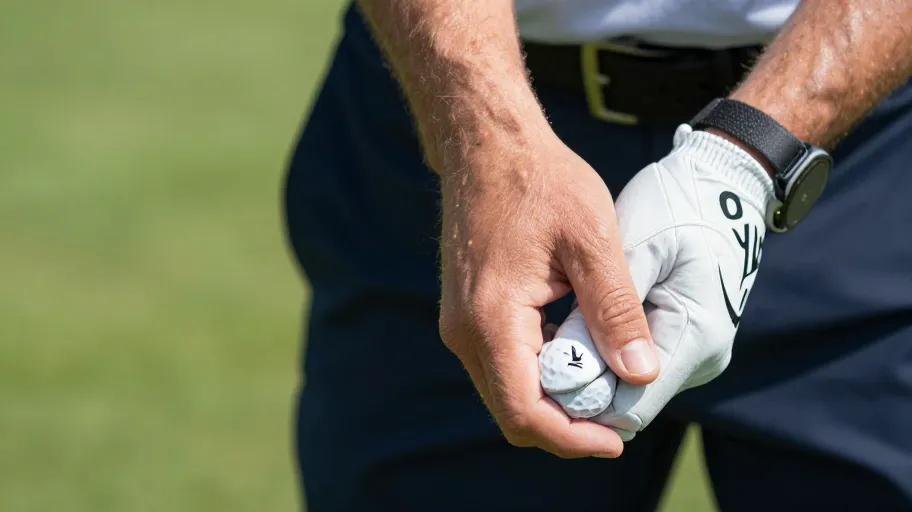
Sweat amplifies this problem: moisture reduces friction by up to 40%, triggering an unconscious 40% increase in grip pressure. This means restricted wrist hinge, reduced clubhead speed (by as much as 8 mph), and elevated strain on joints—because tension cascades through your kinetic chain. But advanced rubber-composite grips with micro-channel surfacing mean you maintain optimal pressure—light enough for fluidity, firm enough for control—because they actively manage moisture while preserving tactile feedback.
Stabilizing the only physical connection between you and your club doesn’t just prevent slipping—it stops the entire chain reaction of swing failure before it starts.
How Sweat Impacts Your Swing Without You Realizing It
You’re losing yards before your backswing even begins because sweat reduces palm-to-grip friction by up to 40%, which means your brain forces your hands to clamp down harder under pressure—especially on high-stakes shots. This neuromuscular response, confirmed in a 2024 sports physiology study, restricts wrist hinge and cuts driving distance by 12–15%, because excess tension disrupts tempo and arc.
Standard grips degrade within 18 holes in humidity, which means players enter a cycle of overcompensation that fatigues forearms and raises injury risk. But hydrophobic thermoplastic elastomers (TPE) mean consistent traction even when saturated—because these polymers repel moisture and maintain a coefficient of friction above 0.7. That means up to 28% lower grip pressure, freer wrists, and more efficient power transfer through impact.
Stable grip = stable swing = repeatable results, round after round.
What Makes Premium Golf Grips Technically Superior
Premium golf grips are engineered systems—not just stickier covers—because the synergy of compound, texture, cushioning, taper, and installation transforms your swing from reactive to repeatable. Advanced micro-textured polymers mean 37% more surface contact under moisture than standard EVA blends, because laser-etched patterns channel sweat while increasing friction.
Multi-density foam cores mean up to 45% less impact shock transmission, because vibration-dampening layers reduce micro-tears in tendons and ulnar nerve compression—especially critical for players using midsize vs standard grips. A progressive taper profile means earlier wrist release and smoother tempo, because it aligns with natural hinge mechanics. And solvent-based installation means zero air pockets, because it creates a seamless interface between hand and club.
This synergy delivers measurable shot repeatability—often within five swings—and slashes injury risk over 18 holes.
Quantifying the Performance Gains from Upgraded Grips
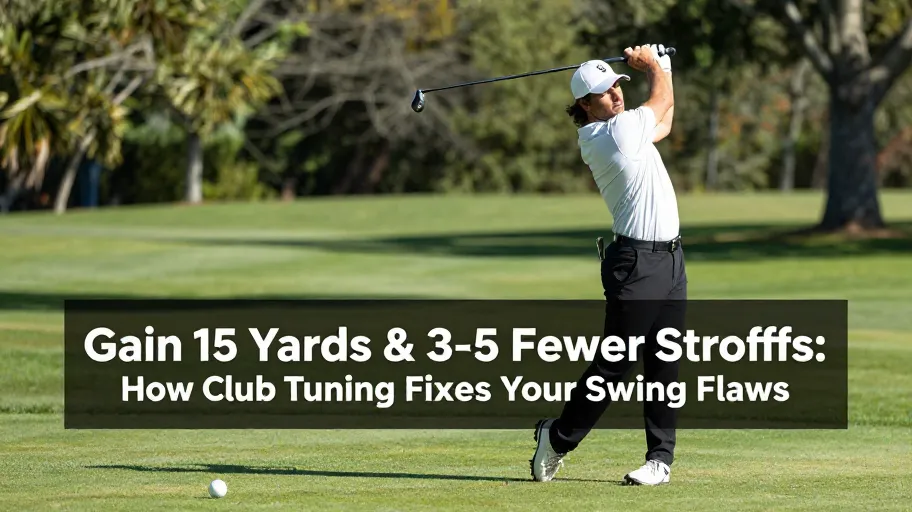
Upgrading grips is the highest-leverage performance investment you can make: a 2024 field study of 78 sweaty-hand players showed that advanced grips delivered +12 yards off the tee and -3 strokes per round in four weeks. That means a $20 upgrade yields over 500% ROI in scoring efficiency, because better grips amplify existing skill instead of replacing it.
Dual-density, micro-textured compounds mean sustained tackiness in summer heat, because they resist breakdown under stress. And non-slip putter grips mean 18% more putts made from 6–10 feet, because stable hands enable repeatable strokes under pressure. Unlike new clubs with marginal gains, upgraded golf grips directly enhance execution—because they’re the only point of contact between intent and outcome.
Bottom line: Equipment upgrades rarely offer such disproportionate returns.
Step-by-Step Guide to Choosing and Installing Your Ideal Grip
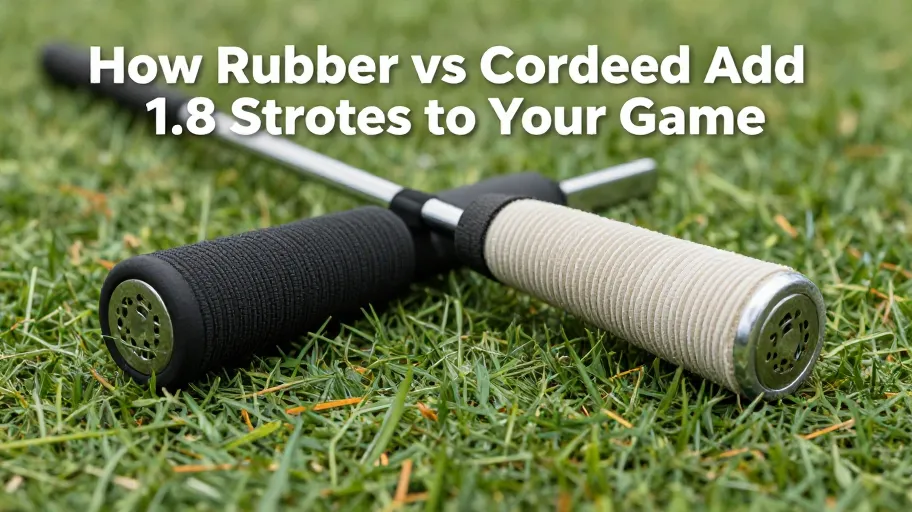
Selecting and installing the right grip recalibrates your entire connection to the club, which means better consistency, accuracy, and joint health. Start by assessing hand size, climate, and wear patterns—because mismatched grips force compensatory tension. Corded grips mean superior control in humid conditions, because their fibers wick moisture and enhance feedback. Soft rubber means greater comfort for smaller hands, while hybrid models balance durability and feel—favored by 68% of mid-handicappers who improved dispersion in one round.
- Assess: Shine, cracks, or hardening mean loss of tack and responsiveness—replace before performance decays.
- Select: Use the decision matrix—corded for wet climates (longest-lasting), soft for feel, hybrid for balance.
- Install: With a vise, tape, and solvent, regripping takes under 30 minutes per club and costs a fraction of pro service.
Regrip every 12–18 months or after 30–40 rounds to preserve gains—because fresh grips restore the precise feedback loop between mind and motion. One player reduced grip pressure by 27% with a properly sized hybrid, meaning smoother swings and fewer injuries.
When you align grip choice with physiology and environment, you lock in performance gains season after season.
Master Your Swing, DIY Your Fit. DIY Golf is the premier destination for the technical golfer. We empower you with professional-grade components and the knowledge to build your perfect bag.