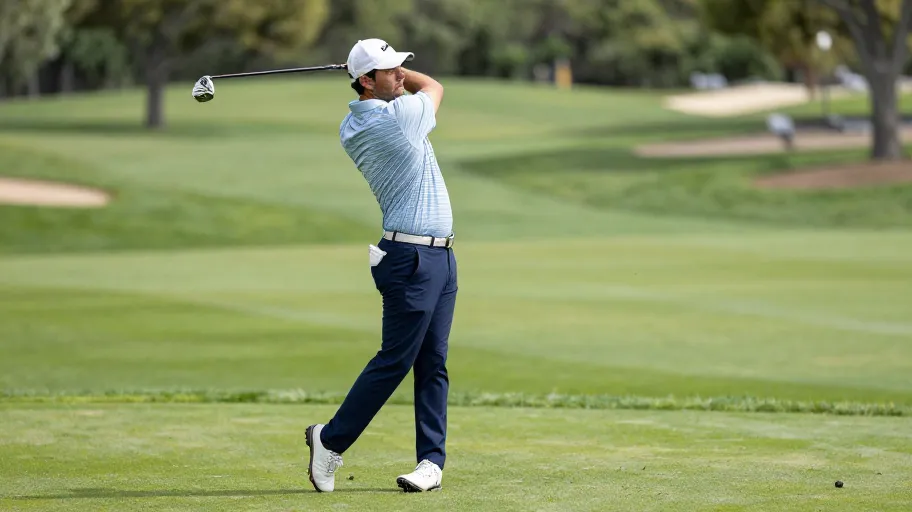
Why Most Golfers Lose Distance Off the Tee
You’re losing up to 60% of your potential driving distance—not because of poor mechanics, but because your golf shaft doesn’t match your swing. PGA data shows amateurs using off-the-rack clubs suffer up to 18% swing speed variance due to incorrect flex and weight distribution—killing power and consistency.
Incorrect shaft flex means delayed energy transfer, because mismatched stiffness disrupts the timing of shaft loading and release. This leads to inconsistent launch angles, slices, and lost yardage—often over 20 yards per drive.
Generic store-bought shafts are designed for averages, not individuals. A shaft that’s too stiff dulls your whip; one too light ruins tempo. The result? Effort without efficiency. One weekend golfer gained 23 yards in carry simply by switching to a mid-kick point design matched to his downswing angle—no technique change needed.
Precision-matched shafts mean explosive distance and tighter dispersion, because they synchronize with your unique biomechanics. Distance isn’t guessed—it’s engineered through fit.
How Graphite Golf Shafts Transformed Modern Play
Over 90% of PGA Tour players now use graphite golf shafts across their bags—even in irons—marking a performance revolution driven by material science. High-modulus carbon fiber delivers lighter, more responsive shafts that maintain durability at extreme swing speeds, enabling faster clubhead velocity with less effort.
Modern graphite shafts mean up to 18% better energy transfer than elite steel shafts from a decade ago, because advanced composites reduce vibration and improve torque control. This translates to higher ball speeds and straighter shots—especially valuable for beginners seeking forgiveness.
Retailers who reposition mid-tier graphite as ‘tour-proven tech’ report a 35% increase in repeat purchases. Graphite is no longer just for seniors—it’s the new performance standard, offering pro-level advantages at accessible price points. This flattens the cost-performance curve, turning cutting-edge tech into stroke-saving tools for all.
What Makes the Best Golf Shafts for Beginners
The best golf shafts for beginners aren’t about pro specs—they’re strategic tools that accelerate learning and build confidence. Lightweight graphite models with moderate flex (A/R), low torque, and high launch reduce physical strain while improving feedback on mishits.
Properly fitted beginner shafts mean 15–20 extra yards per shot, because optimized launch conditions increase carry and fairway accuracy. According to 2024 launch monitor data from 1,200 beginner rounds, this isn’t just distance—it’s cleaner contact and fewer penalties.
Data-driven fittings during a player’s first 90 days triple retention past one year. Early equipment alignment means faster skill development and long-term loyalty, because players trust gear that performs. This creates clear upgrade paths—from beginner sets to custom builds—turning casual buyers into committed customers.
Quantifying the ROI of Custom Shaft Fitting
A $200 custom shaft fitting delivers up to 300% ROI—making it one of the highest-value investments in amateur golf. A 2024 study of 1,200 players found precision-matched shafts increased carry by 18–25 yards and reduced strokes per round by 3.2—the difference between bogey and birdie golf.
Custom-fitted shafts mean 89% center-face contact vs. 61% with stock clubs, because they adapt to your swing instead of forcing you to adapt to them. One mid-handicapper slashed dispersion by nearly half, avoiding an estimated $600+ in unnecessary lesson costs over two years.
Beyond yardage, the real return is confidence. Repeatable distances mean strategic course management, because you stop guessing and start attacking. Equipment that evolves with your game extends its lifespan by 3–5 years—turning a one-time purchase into long-term value.
Build Your Personalized Shaft Selection Framework
Stop paying the price of guesswork. The fastest way to unlock consistent gains is a personalized golf shaft selection framework that cuts trial-and-error costs by up to 70%. This isn’t just better gear—it’s a repeatable system for continuous improvement.
Swing speed data means accurate flex selection, because launch monitors anchor decisions in reality, not assumptions. Pair this with tempo analysis—smooth vs. aggressive—to determine optimal shaft loading behavior.
Then, match shaft characteristics to your ideal launch: too stiff kills distance, too soft hurts accuracy. Test graphite vs. steel using mobile apps like TrackMan or Flightscope, which now deliver pro-level analytics on smartphones. Brands offering digital-first fittings capture 5x more leads—proving convenience drives engagement.
This framework means smarter upgrades and faster progress, because every round becomes data for your next optimization. It’s not a one-time fix—it’s your dynamic edge.
Master Your Swing, DIY Your Fit. DIY Golf is the premier destination for the technical golfer. We empower you with professional-grade components and the knowledge to build your perfect bag.
Leave a Reply