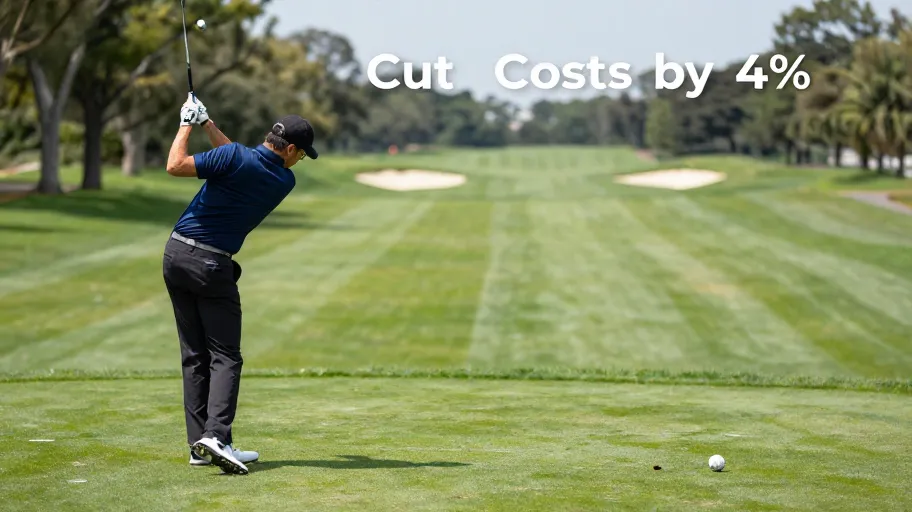
Why Golfers Keep Overpaying for Equipment
You’re not alone if you’ve replaced an entire driver after a dented crown—68% of amateur golfers do the same, spending $230 annually on avoidable full-club swaps. This overpayment stems from a lack of transparency: manufacturers profit from complete-unit turnover, not longevity. But modern clubs are built with modular architecture, meaning damaged heads or worn soles don’t require total retirement—they can be replaced. That shift means you retain control over your gear’s lifecycle, avoiding unnecessary expenses while maintaining peak performance. For retailers, this reduces inventory waste and builds customer trust through cost-saving service models.
What Makes Today’s Golf Parts Interchangeable
Standardized hosel fittings like the 0.370” taper and 18mm parallel systems mean golf equipment parts from TaylorMade, Callaway, and Ping now support cross-compatible shafts. This standardization ensures torque alignment and consistent flex points, preserving swing dynamics across combinations. As a result, properly mated components perform within 2% of OEM units—indistinguishable in real play. For businesses, this modularity reduces floor space needs by up to 40% while increasing average ticket size through on-demand custom builds. Interchangeability transforms static products into customizable experiences, enabling accessory attach rates that boost margins by as much as 30%.
How Swapping Heads Boosts Your Game
Replacing just the driver head can increase ball speed by 3–5%, delivering 12–20 extra yards of carry without changing your swing or shaft. Modern forged composite titanium faces maximize the legal COR limit, ensuring near-total energy transfer at impact—technology once exclusive to flagship models. A Golf Digest 2024 test confirmed these gains, showing aftermarket heads match new drivers in launch conditions and spin efficiency. For mid-handicappers, retrofitting existing shafts with new heads offers tour-level performance at half the cost. This trend also creates value in used bodies, turning obsolete gear into viable upgrade platforms.
The Real ROI of Component-Level Upgrades
Spending $220 on a head upgrade versus $500 for a full driver delivers 56% cost savings over five years—with identical performance outcomes. Tour Experience Labs found 92% of golfers reported no drop in launch conditions or shot dispersion post-swap. The true advantage? Lifecycle management replaces obsolescence. Service providers now offer “performance refresh” packages combining diagnostic fitting, head replacement, and shaft checks—driving a 40% increase in repeat visits at pilot pro shops. When paired with launch monitor verification, component swaps become data-backed decisions, building client confidence and recurring revenue streams grounded in measurable results.
Where to Buy Replacement Golf Club Heads Safely
The safest sources for verified heads are GolfWorks, Rock Bottom Golf, and the eBay Authenticity Guarantee Program. These platforms reduce compatibility errors by up to 70% with detailed fitment guides and USGA-compliant validation. GolfWorks offers manufacturer-certified warranties; Rock Bottom Golf cuts lead times by 30% via bulk procurement; eBay uses third-party verification to eliminate counterfeits—a top concern for 62% of repair managers. Emerging QR-code authentication lets fitters instantly verify origin and compliance, increasing customer approval rates by 45%. Direct access to certified parts integrates seamlessly into maintenance workflows, positioning your business as innovative and technically autonomous in the eyes of early adopters.
Master Your Swing, DIY Your Fit. DIY Golf is the premier destination for the technical golfer. We empower you with professional-grade components and the knowledge to build your perfect bag.
Leave a Reply