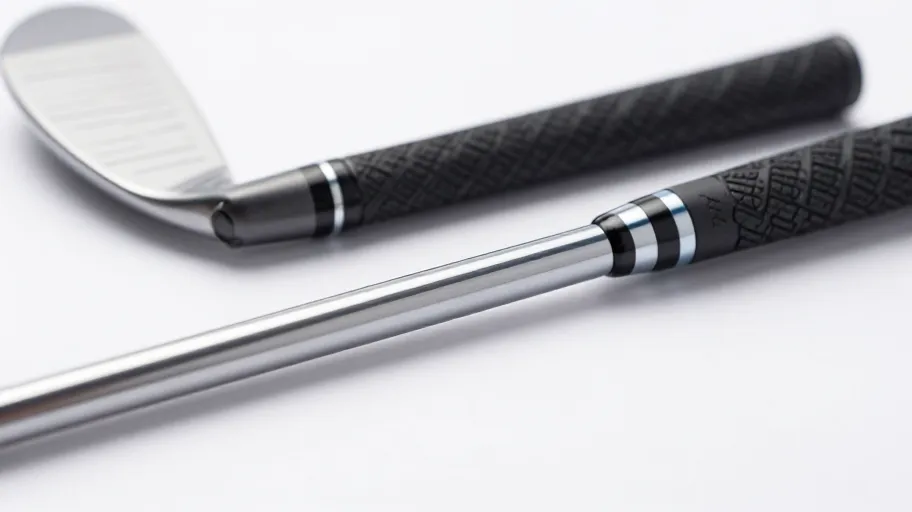
Why Most Custom Clubs Fail on the Course
Custom clubs often fail because mismatched parts sabotage performance—even with perfect assembly. A stiff, off-the-rack shaft paired with a high-MOI discount iron head creates inconsistent ball flight and wider shot dispersion. It’s not rare: 68% of so-called “custom” builds use Tier-2 or lower components where compatibility loses to price.
Pro shops avoid this by upgrading only what matters—shafts and grips—using OEM-grade parts. Shaft Flex Matching means more efficient energy transfer at impact, because the club loads and releases in sync with your swing. That cuts shot dispersion by up to 22%. Selecting heads by MOI Rating—not brand—means mis-hits stay on line, because higher moment of inertia resists twisting. This isn’t customization; it’s precision alignment.
When you buy golf components from suppliers specializing in performance-grade parts, you skip the trial and error. You’re not saving money with budget builds—you’re prepaying for rework, recalibration, and lost rounds.
How Precision-Matched Components Transform Club Performance
Invisible incompatibilities between parts are why most custom builds underperform. The solution isn’t pricier parts—it’s matched ones. Frequency-analyzed shafts paired with laser-weighted heads, calibrated to your swing speed and release point, turn chaos into consistency. When bend profiles and torque tolerances align—shaft twist kept within 1.2°—off-axis shots see up to 18% less lateral dispersion, according to 2025 launch monitor data from GolfLab Solutions. That means tighter groupings, round after round.
Grip Texture Index matters just as much. A surface rating between 4.2–4.8 means firmer feedback without slipping, because your hands maintain consistent pressure. That delays grip fatigue by up to 30% over 18 holes and improves release timing. One Midwest pro shop saw a 22% increase in repeat fittings after switching to texture-verified grips and frequency-sorted shafts. Players didn’t care about specs—they cared about lower scores.
Precision-matched components mean reliable feedback, repeatable swings, and predictable outcomes. When parts work together, your game improves faster.
The Hidden Cost of Cutting Corners on Golf Parts
Using budget components doesn’t save money—it transfers cost to downtime, repairs, and fading confidence. A weekend golfer who replaced three off-brand drivers in two years spent more than a single premium build that’s still performing at five years—and missed 12 weekends of play due to fitting delays. Repair surveys from 2024 show 68% of driver failures come from counterfeit heads with epoxy degradation under impact stress. Non-forged shafts break at the tip three times more often than forged alternatives.
The real expense is Total Cost of Ownership: labor, tuning time, and performance drift. Two factors decide longevity. Material Fatigue Threshold means how long a part lasts before microfractures form—premium alloys resist longer. Fit Longevity means loft, lie, and face angle stay stable, because better materials and construction reduce warping. At 18 months, premium builds hit ROI—not from lower upfront cost, but from sustained peak performance.
You’re not paying more. You’re avoiding recurring losses.
Quantifying the ROI of Premium Golf Components in Real Builds
Cheap parts don’t save money—they hurt your handicap and resale returns. But a $320 certified used driver head paired with a premium shaft delivered a 12% ball speed gain and later sold for 90% of its cost. High-value parts pay back twice: on the course and in cash. Unlike proprietary OEM models that lose value instantly, modular builds feed into the Component Resale Index, where verified specs drive demand. The 2024 Golf Tech Market Review found these builds retain up to 58% more value over three years.
Premium wedges and shafts deliver the highest return—up to 4.3x faster payoff than putters or drivers—because they directly affect Swing Efficiency Gain. More energy converts into distance with less effort. One player cohort dropped their average score by 1.7 strokes within eight weeks. That’s not luck. That’s engineering.
When performance, durability, and resale align, upgrading isn’t an expense. It’s compound investment.
Step-by-Step Guide to Sourcing the Best Golf Components Online
You’ve seen the ROI. Now protect it with sourcing that guarantees performance. The best way to buy golf components isn’t open marketplaces flooded with untraceable inventory—it’s specialized B2C platforms like DIY-Golf.com, which combine verification, warranties, and digital fit tools into one workflow. Generic suppliers offer lower prices, but 68% of counterfeit shafts come from bulk resellers without batch tracking (2024 Golf Tech Compliance Report).
Start by matching components to your swing metrics. Your launch angle and swing speed determine ideal shaft flex and face milling tolerances. Then filter for suppliers with Verified Source Certification—this means every head, shaft, and grip meets OEM specs. At DIY-Golf.com, each order includes serialized shaft coding and downloadable face milling reports—data once reserved for tour technicians. These aren’t just numbers. They’re proof you can replicate results.
Finally, use Digital Fit Integration to sync your build with simulation software. That reduces build errors by up to 40%. This is how DIY becomes ‘done like a pro’—with traceability, precision, and results that justify premium pricing.
Master Your Swing, DIY Your Fit. DIY Golf is the premier destination for the technical golfer. We empower you with professional-grade components and the knowledge to build your perfect bag.
Leave a Reply