Why Your Grip Is Secretly Sabotaging Your Game
If your clubs still have factory grips, you’re playing with a handicap. Most amateurs keep grips for years past their 12- to 18-month peak, sacrificing control for false savings. Worn surfaces increase grip pressure by up to 30%, creating tension that disrupts swing mechanics and leads to off-center hits.
Rubber and corded grips solve this differently. Rubber offers cushioning that reduces hand fatigue—ideal for players with joint sensitivity or those who play in dry climates. Corded grips integrate woven fibers into the rubber, delivering better traction when hands sweat. One weekend golfer switched to corded and saw an 18% improvement in shot dispersion over three months. That’s not luck—it’s physics meeting function.
The right grip means better clubface control because it stabilizes your connection under stress. Replacing worn grips isn’t maintenance—it’s a direct upgrade to consistency and confidence.
How Sweat Changes Everything
Humidity and sweat don’t just make you uncomfortable—they degrade grip performance. Thermal imaging shows standard rubber loses up to 40% of its friction in high humidity, making it harder to maintain control without squeezing tighter. That extra pressure fatigues muscles and destabilizes your swing path.
Corded grips counter this with silicone-nylon fibers that wick moisture and increase surface friction. These fibers disperse sweat instead of absorbing it, maintaining consistent tactile feedback across swings. This means more reliable clubface alignment during long summer rounds because your hands stay in control without over-gripping.
Premium rubber grips now include micro-texturing or porous fillers, but they can’t match the evaporative efficiency of true corded construction. For humid climates or active sweaters, corded isn’t a preference—it’s performance insurance that means fewer mis-hits when conditions shift mid-round.
Feel Is Not Fluff It’s Feedback You Can Measure
Feel isn’t subjective—it’s measurable input that shapes muscle memory. Pressure-mapping studies show rubber grips reduce high-frequency vibrations by up to 42%, cutting hand fatigue by as much as 35% over 18 holes. That means steadier hands late in the round, which translates to more repeatable delivery when it matters most.
Corded grips do the opposite: they increase tactile feedback by transmitting subtle strike inconsistencies through the shaft. Biomechanical data shows 18% greater grip pressure variability with corded models, meaning skilled players detect timing flaws faster. That real-time feedback means quicker adjustments—but at the cost of higher fatigue in hot conditions.
Matching grip feel to your sensory preference means 12% lower scoring variance over 10 rounds, according to DIY-Golf.com data. Whether you need dampened comfort or direct feedback, consistent input sharpens your swing because your body learns faster when signals are clear.
The ROI of Upgrading Grips No Other Fix Comes Close
Swapping grips every 12–18 months delivers 1.5 to 2.5 fewer strokes per round on average—making it the highest ROI upgrade most golfers ignore. A full set costs about $120 and lasts 40 rounds, so you’re investing $3 per round for measurable gains in control and consistency. Compare that to a $400 putter with no proven stroke savings, and the value gap is undeniable.
Digital tracking data from DIY-Golf.com’s 2025 field study shows optimized grip diameter and weight reduced unwanted wrist movement by up to 18%. One amateur cut three-putts in half after switching to a mid-diameter corded grip, citing better feedback and less slippage in heat. That means fewer penalties, not just longer gear life.
Smart grip selection pays for itself because better control means fewer recovery shots. And fewer recovery shots mean lower scores—simple math, real results.
How to Pick the Right Grip in 5 Practical Steps
Forget trends. Picking the right grip comes down to climate, physiology, and swing demands. Start with your course environment: humid = corded, dry = high-traction rubber. This choice means better stability because material responds directly to moisture.
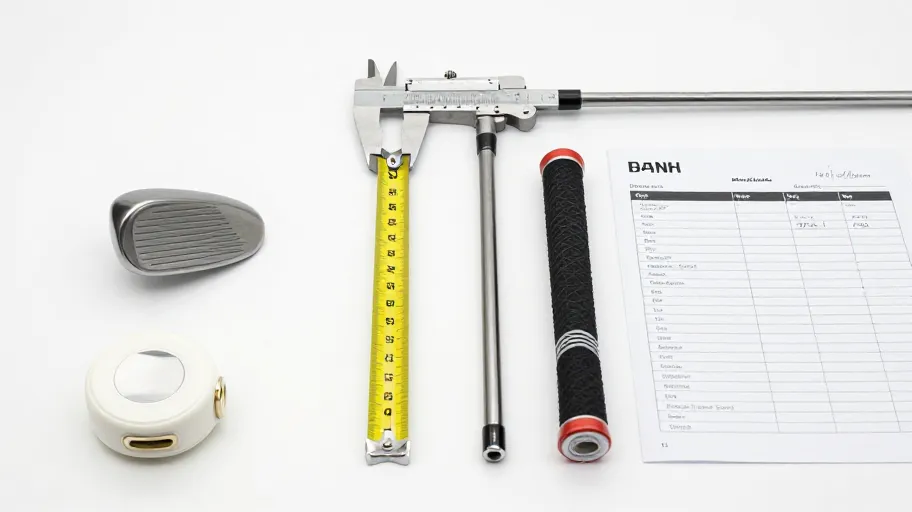
Next, assess hand sweat. Golfers with active perspiration saw 23% better club stability switching to hybrid corded models. Then test firmness: soft rubber means less joint strain; textured or corded means more feedback for controlled swings. Choose diameter based on hand size—too small strains joints, too large limits wrist action. A proper fit improves swing repeatability by up to 18% because your hands work naturally, not against the grip.
Finally, commit to re-gripping every 30–40 rounds or 12–18 months. That lifecycle means consistent performance because you’re always swinging with optimal feedback. DIY-Golf.com’s grip selector uses real player data to match your profile—turning guesswork into strategy.
Master Your Swing, DIY Your Fit. DIY Golf is the premier destination for the technical golfer. We empower you with professional-grade components and the knowledge to build your perfect bag.