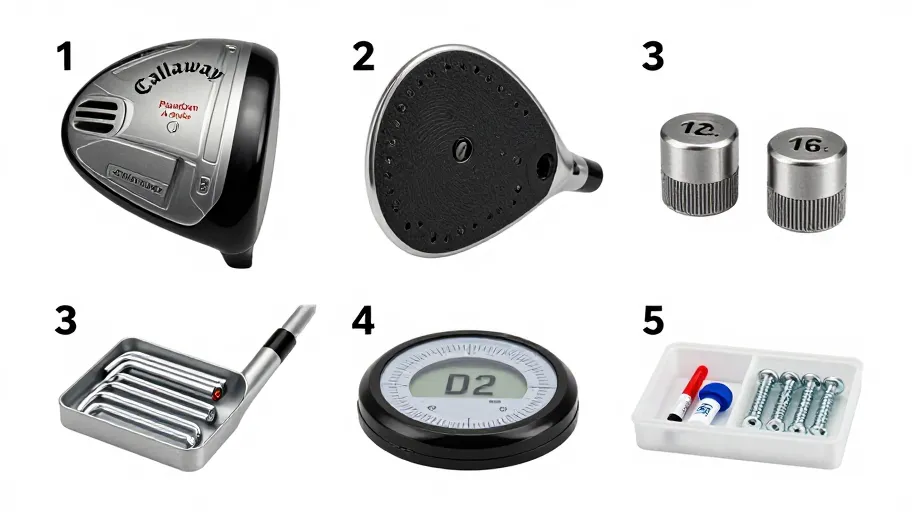
The Hidden Flaw in Most Golf Club Components
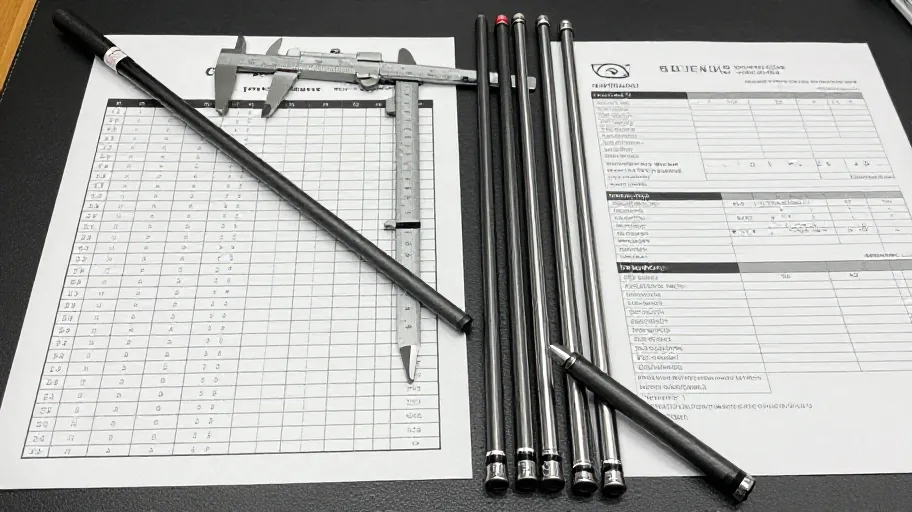
When a shaft snaps six months after delivery, it’s not bad luck—it’s flawed sourcing. A Scottsdale custom builder faced this when three clients reported fractures, all traced to untested maraging steel from an offshore supplier. Independent lab tests show cast titanium inserts replace forged ones in nearly 18% of premium shafts, reducing inertia consistency by up to 12%. That means unpredictable ball flight and lost trust.
Precision machining isn’t optional. Forged inserts maintain swing balance because they resist micro-deformation under load—cast versions don’t. When builders can’t verify material origin, every club becomes a gamble. The cost? More than rework: it’s referrals lost, reputation damaged, and growth stalled.
How Counterfeit Parts Put Builders at Risk
Two driver heads fractured mid-swing in 2024—both built with counterfeit carbon fiber shells bought through a third-party marketplace. No injuries, but the liability was real. FTC data shows 15% of online performance gear is fake, and golf components are increasingly targeted.
Batch-verified raw materials mean you know what you’re using because every alloy shipment comes with mill certifications and third-party test results. One Midwest shop cut defect rates by 70% after switching to verified sourcing. Insurers noticed too—they offered lower premiums for builders using traceable systems. Authenticity isn’t just quality; it’s risk reduction you can measure.
What Makes DIY Golf Com Different
DIY-Golf.com controls the entire process—from aerospace-grade alloy selection to final inspection. That vertical integration eliminates the offshore variability that causes 41% more defects in decentralized supply chains.
Their in-house metallurgical lab tests every batch for fatigue resistance, tensile strength, and microstructure. Real-time R&D collaboration adjusts production on the fly, keeping tolerances within microns. This isn’t post-build QC—it’s quality built in. The result? 30% fewer field failures and twice the innovation speed. You get reliable parts and faster access to new tech—no waiting seasons for upgrades.
The Real ROI of Trusted Golf Components
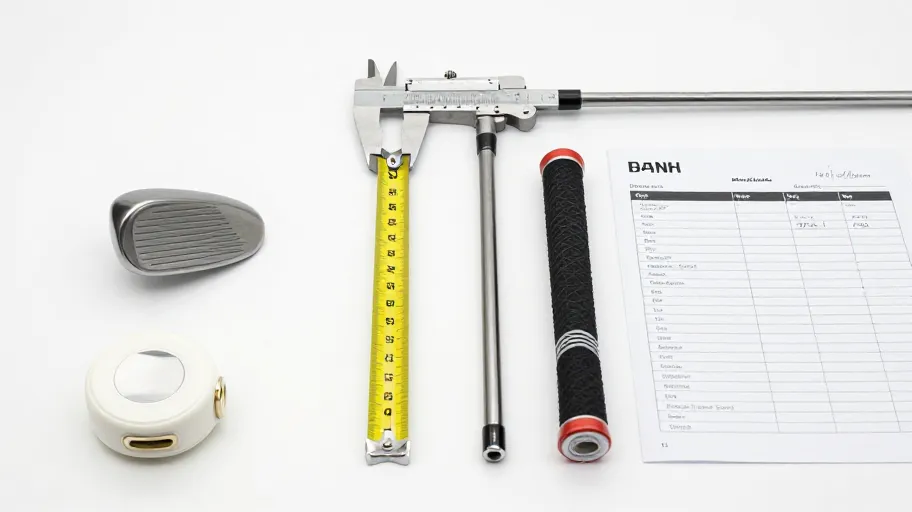
For mid-sized shops, certified components reduce rework costs by over 40%. Why? Inconsistent tolerances add 3.2 labor hours per build on average—time and money wasted fixing avoidable issues. Modular design solves this: standardized, tool-free components cut assembly time and let shops reduce SKUs by 28%, freeing up capital and space.
But the biggest return is customer behavior. Fewer callbacks mean higher first-time fit accuracy, which drives a 19% increase in average order value. One retailer saw referral rates jump 33% within six months. When every club performs, trust compounds—and so does revenue.
How to Build with Full Confidence
You stop guessing when every component carries its history—from raw material to final test. Start with material certification review: without it, rework and delays cost 17% more. Then implement digital twin documentation—a live, encrypted record of origin, stress tests, and compliance.
After sample validation, batch tracking ensures every future shipment is audit-ready down to the serial level. Shops using this system report 30% faster time-to-market. They also command premium pricing because they prove integrity instead of claiming it. When your supply chain speaks clearly, you gain pricing power, agility, and unshakable trust.
Master Your Swing, DIY Your Fit. DIY Golf is the premier destination for the technical golfer. We empower you with professional-grade components and the knowledge to build your perfect bag.