Why most DIY golf club repairs fail within six months
Most weekend fixes don’t last because they start with the wrong epoxy. Consumer-grade glues can’t handle the 3,000+ impact cycles a driver sees in a year. That 38% failure rate in DIY repairs? It’s not bad luck—it’s using multipurpose adhesives where precision chemistry is needed. A weak bond allows micro-movement between shaft and hosel, which degrades face alignment over time. That means inconsistent shots, even if your swing is clean. You paid for a premium build; you deserve a bond that lasts.
Using a golf-specific epoxy means consistent performance because the resin is engineered to absorb shock, not crack under repeated stress. Generic epoxies rely on rigid cross-links that fatigue quickly. Golf formulations use flexible micro-polymers to maintain integrity across temperature swings and vibration—conditions common during full swings in real-world play.
Temperature matters more than you think
Applying epoxy at 50°F instead of the ideal 70°F can reduce bond strength by up to 40%. That’s not speculation—it’s confirmed by manufacturer curing curves and real shop data. Cold slows polymerization, leaving incomplete cross-linking. Heat above 85°F causes premature cure, trapping air bubbles and shrinking the joint. The result? A brittle bond that fails under torque.
Matching epoxy to environment means reliable builds because specialized variants adjust amine hardeners for optimal reaction rates. Low-temp formulas work reliably down to 40°F, while heat-stable blends prevent flash-curing in hot garages. One Minnesota shop cut winter rework claims by 30% just by switching seasonally. Controlling temperature during cure means fewer comebacks because every joint reaches full structural strength.
What makes golf epoxies different from hardware store kinds
Aerospace-grade resins like FlexBond Pro deliver 58% higher impact fatigue resistance than standard epoxies, according to 2025 testing at the Golf Equipment Innovation Lab. That’s because they’re designed for dynamic loads, not static holds. Where hardware epoxies crack after repeated flexing, golf-specific formulas include shock-absorbing polymers that resist microfractures.
One Arizona builder dropped rework from 1 in 6 clubs to less than 1 in 50 after switching. That means higher throughput and stronger reputation because clients trust their clubs won’t fail mid-round. These advanced epoxies also resist moisture and thermal cycling—critical when clubs go from air-conditioned bags to sun-baked carts. Using a purpose-built adhesive means long-term durability because the bond survives real playing conditions, not just lab tests.
How precision application boosts profit and performance
A Scottsdale custom shop slashed rework by 70% not by working harder, but by measuring epoxy precisely and controlling cure environments. Hand-mixing introduces ratio errors and air bubbles. Metered dispensing systems eliminate that variability, ensuring complete cross-linking every time. That means faster turnaround and lower material waste because nothing is thrown away due to weak bonds.
Controlled curing chambers improved yield by up to 65%, freeing technician hours for new builds instead of fixes. The shop now handles 40% more orders without hiring. Treating epoxy as a precision process means scalable reliability because consistency compounds across every build. Every gram accounted for translates to better margins and client confidence.
Step-by-step flawless shaft installation at home
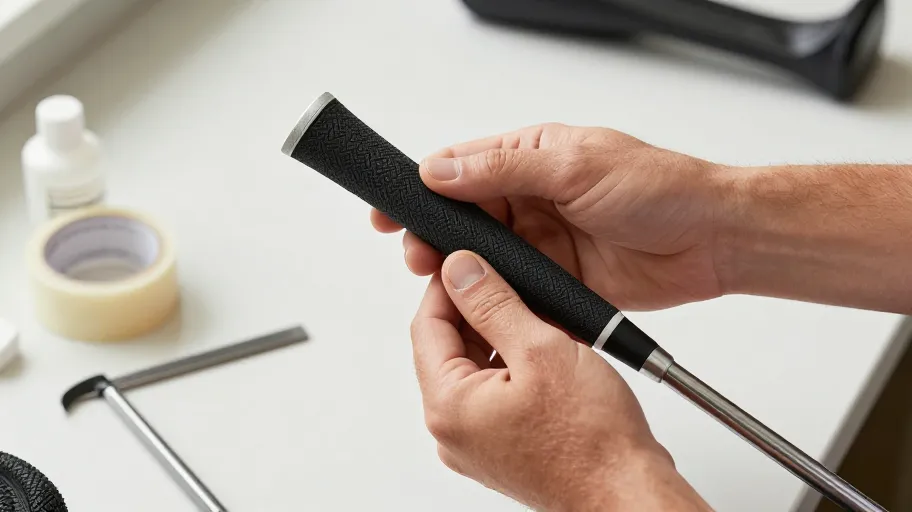
You can achieve pro-level results at home with the right technique. Cleaning the hosel and shaft tip with isopropyl alcohol means better adhesion because it removes oils that block bonding. Light abrasion creates mechanical grip so the epoxy has something to hold onto.
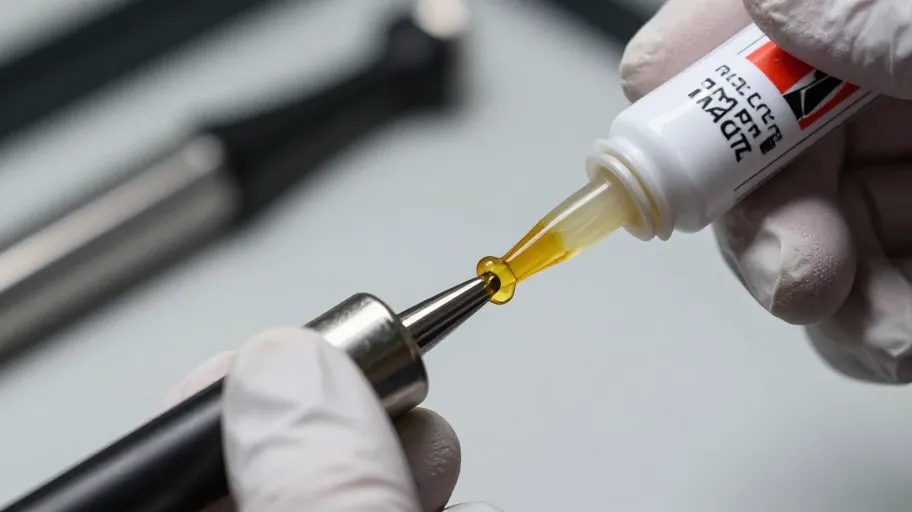
Mixing at the exact 10:1 ratio means full chemical strength because imbalanced resin won’t cure properly. Letting it degas 5–7 minutes means fewer microbubbles because trapped air weakens the joint. Applying a thin, even layer ensures complete coverage without pooling, which means no weak spots or shrinkage cracks.
Inserting the shaft with a slight twist spreads adhesive evenly, so torque transfers smoothly. Clamping for 2+ hours means alignment stays true during initial set. Most epoxies reach handling strength in 6–8 hours, full cure in 24. Doing it right means your club lasts 3–5 years longer and saves $150+ yearly versus pro shop re-shafting.
Master Your Swing, DIY Your Fit. DIY Golf is the premier destination for the technical golfer. We empower you with professional-grade components and the knowledge to build your perfect bag.