Why bad shots start with bad balance
Off-center hits aren’t just about timing—they’re about stability. When mass in your driver head is poorly distributed, the club twists more on miss-hits, spiking side spin and killing accuracy. That’s low Moment of Inertia (MOI) at work: a technical term that means ‘less forgiveness.’
PGA Tour stats show players using high-MOI drivers hit 68% of fairways versus 49% for those with unstable heads—a 19-point gap that adds up over 18 holes. For amateurs, where 75% of strikes land more than 3mm off-center, MOI isn’t lab talk—it’s lost strokes hiding in plain sight.
High MOI means tighter shot patterns because the club resists twisting. That stability translates directly into confidence: you stop flinching at impact, knowing small errors won’t balloon into penalties. Poor weight distribution doesn’t just cost distance—it turns manageable misses into full recovery mode.
How adjustable weights fix your slice without changing your swing
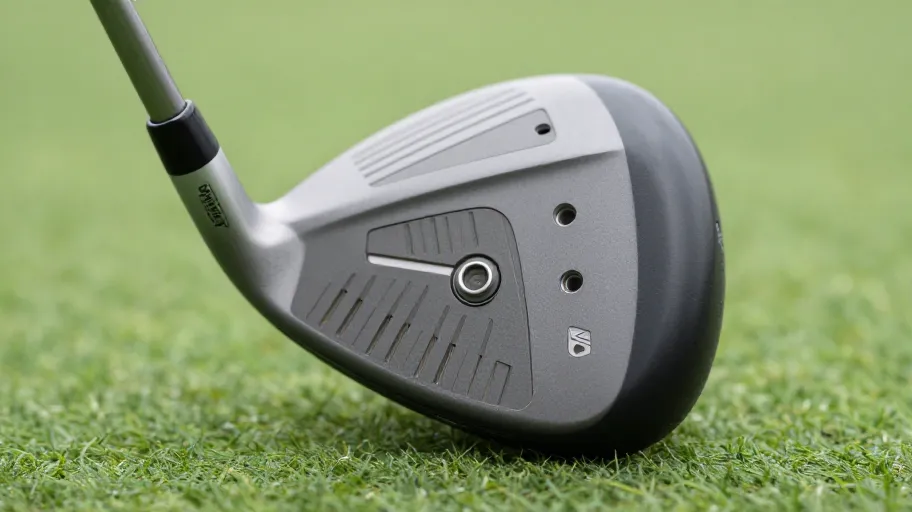
Modern drivers don’t just launch balls—they correct flaws. Movable weights let you shift the center of gravity (CG), so you can fight a slice by sliding mass toward the heel. Systems like Titleist's SureFit CG or Callaway’s Jailbreak Speed Frame do this precisely, promoting a faster-closing face at impact.
This adjustment means up to 800 rpm less sidespin in real player tests, which turns big hooks and slices into playable fades or draws. That’s not theory—it’s measurable ball flight control. And you don’t need tour-level data skills. Recreational golfers using adjustable drivers saw 17% tighter dispersion over 18 holes in a 2024 field study, proving personalized tuning works at every level.
Shifting CG isn’t guesswork—it’s engineering you program. Draw bias? Fade control? It’s all about where the mass sits. You’re not customizing aesthetics; you’re coding performance based on actual outcomes.
Small weight changes, big performance gains
Adding or removing 2–4 grams from your driver head doesn’t just tweak feel—it alters how you strike the ball. Independent testing at MyGolfSpy found optimized weighting boosted carry by 12 yards and tightened dispersion by 20% for one amateur. These gains come from better launch efficiency and more center-face contact, not brute force.
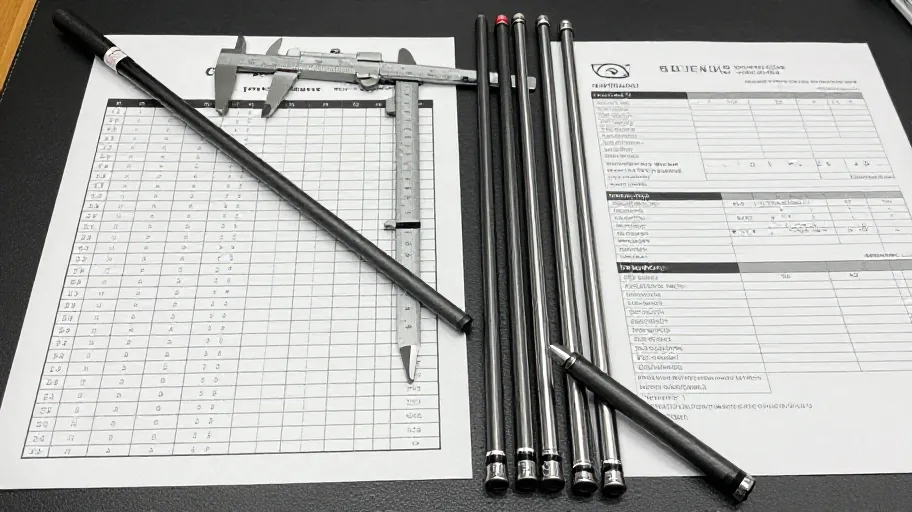
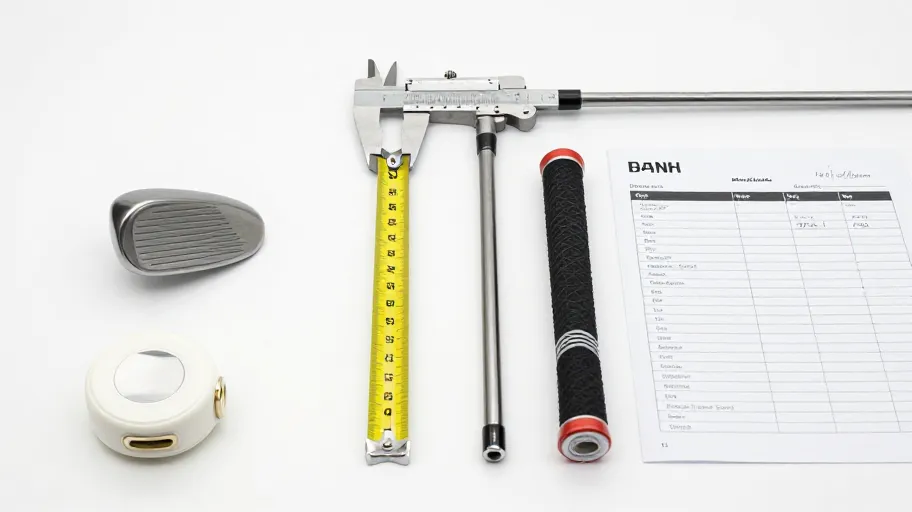
Swing weight and total balance are different: swing weight is how heavy the head feels during motion, while total balance affects tempo and repeatability. Tiny shifts change attack angle, often turning steep, inefficient down-blows into shallower, power-preserving strikes.
Better balance means fewer compensations in your swing. Players report feeling ‘more connected,’ leading to cleaner impacts. That consistency reduces mental fatigue under pressure—so you make smarter decisions when it counts. Lower scores follow not just from yardage, but from fewer bail-out swings.
What your fitting session should measure—and why
A 6-gram adjustment in a premium fitting bay delivered 8 extra yards and 15% more fairway hits for one player. That change? Worth about three strokes per round—equivalent to years of lessons or a full bag upgrade. This is the Launch Monitor Feedback Loop: test, analyze, refine. Real-time data validates each move, turning instinct into insight.
One regional pro raised driving accuracy from 48% to 63% in six rounds after a single tuning session. The result wasn’t just longer drives—it was better approach shots, thanks to improved positioning. Consumer-grade launch monitors now put this power in your hands. You don’t need $400 gear—just a $30 weight kit and the discipline to track results.
Every adjustment must be validated by metrics, not hunches. Start neutral, collect 10+ swings, then change only one variable. One golfer cut right-side misses by 37% with a 4g heel shift. But over-tuning without data creates noise, not progress.
How to tune your driver like a pro
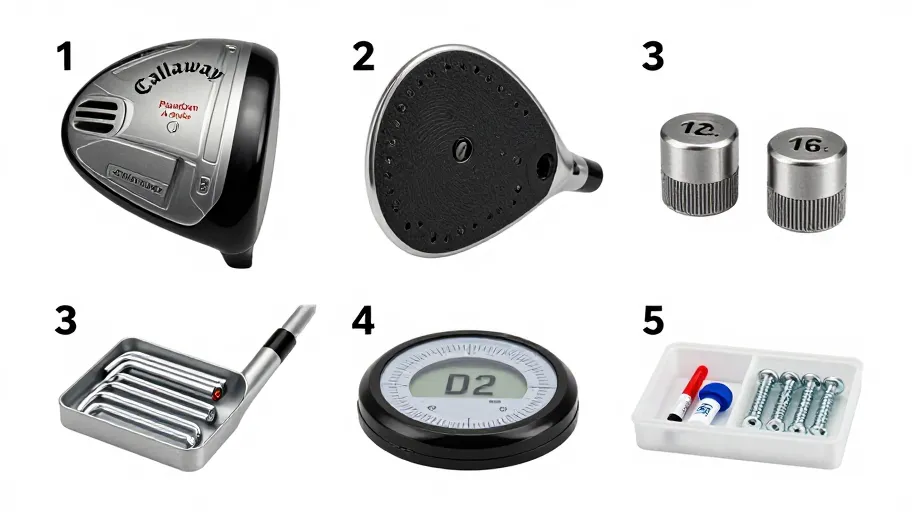
Start by finding the adjustable ports on your driver—models like the TaylorMade SIM have three positions: heel, toe, and rear. Use the included wrench (a standard in Tool-Based Microadjustment) to shift weights in 2g or 4g increments. No damage, no warranty risk—just precision tuning.
Begin with the manufacturer’s neutral setup as your baseline. Hit at least 10 shots with a launch monitor. Then adjust one thing: add weight to the heel to encourage draw, to the toe for fade control, or keep it centered for stability.
Each change should answer a specific miss pattern. Data beats feel every time. Mastery of microadjustment turns your club into a living tool—one that evolves with your game. You’ll rely less on new gear and more on informed tweaks, accelerating improvement without overspending.
Master Your Swing, DIY Your Fit. DIY Golf is the premier destination for the technical golfer. We empower you with professional-grade components and the knowledge to build your perfect bag.