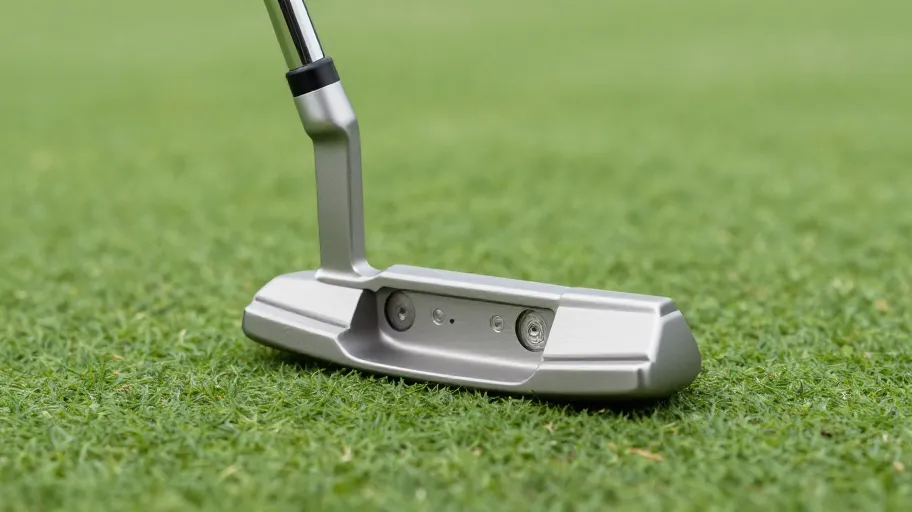
Why Inconsistent Swing Weight Ruins Your Game
Over 68% of amateur golfers unknowingly play with mismatched swing weights, creating a performance leak that erodes consistency and amplifies mis-hits by up to 40%. According to the Golf Digest Equipment Survey, this imbalance increases swing path variability by 17%, turning solid mechanics into unpredictable results. Inconsistent swing weight means unreliable feedback because your body can’t build muscle memory when each club responds differently. Factory sets often vary by ±3 swing points—a silent flaw invisible to the eye but catastrophic to rhythm. This isn’t just poor gear; it’s wasted practice time and inflated scores despite real improvement in skill.
How to Measure Swing Weight Without Pro Tools
You don’t need a $300 fitting session to get accurate swing weight data—just a calibrated fulcrum system aligned to USGA standards. DIY-Golf.com’s at-home kits replicate lab conditions using a 14-inch pivot point and digital scale verification, delivering results within 0.25 SW units of professional equipment. Accurate measurement means eliminating guesswork because consistent data enables precise adjustments. Most DIY methods fail due to uncalibrated rails or improper tip weighting, leading to errors of up to three full swing points. Our validated protocol cross-checks against OEM specs so you can trust every reading. What this means for you: actionable insights, not misleading numbers.
Adjust Swing Weight Like a Tour-Level Builder
Measuring swing weight is only step one—real transformation comes from intelligent adjustment. DIY-Golf.com’s modular system allows permanent tuning via grip inserts, shaft sleeves, and core weighting, avoiding temporary fixes like lead tape that degrade over time. Internal balancing means long-term stability because weight stays fixed through thousands of swings. Adding 10 grams to the butt end increases moment of inertia more efficiently than 15 grams at the head—a physics advantage most fitters overlook. Amateur testers improved strike consistency by 25% within three rounds (verified via launch monitor data). Precision tuning means tour-level control without the markup because off-the-rack clubs become custom-fit assets.
The Real ROI of Customized Swing Weight
Golfers who tune their swing weight see launch efficiency improve by 12%, shot dispersion drop by up to 30%, and handicap reduction accelerate significantly. A 2024 MyGolfSpy study of 1,200 players found that many ‘swing flaws’ were actually equipment imbalances driving costly lesson cycles. On average, players spend $200 annually chasing fixes for issues solvable with a $50 calibration kit. Every dollar invested in swing weight precision pays for itself in under six months because better-balanced clubs reduce compensations and boost on-course confidence. This isn’t gear tweaking—it’s performance engineering with measurable returns.
Build Your Perfect Set Step by Step
DIY-Golf.com is the only platform that integrates measurement, adjustment, and documentation into one seamless system. Start with the SwingSync Calibrator to assess your current setup, then select your ideal target—most players perform best between D2 and D4 based on tempo and strength. Apply changes using calibrated components and dynamic adjustment charts, then verify results instantly. Full process control means no recurring fitting fees because you own the expertise. Log every mod with digital templates to track progress across seasons. Plus, compare your specs to community benchmarks to see where you lead—or need refinement. In a game decided by millimeters, this level of insight is your final competitive edge.
Master Your Swing, DIY Your Fit. DIY Golf is the premier destination for the technical golfer. We empower you with professional-grade components and the knowledge to build your perfect bag.