Why most golfers get swing weight wrong
Most golfers pick drivers based on looks or brand, not biomechanics—costing them control and consistency. That mismatch reduces on-plane efficiency by 25–30%, according to PGA club-fitting data, because the club fights their natural motion instead of supporting it.
The idea that heavier clubs automatically mean more power is a myth. In reality, excessive swing weight forces premature deceleration before impact, disrupting rhythm and increasing off-center hits. A D4 driver might work for an aggressive swinger, but it can wreck the timing of a smooth-tempo player.
Swing weight isn’t about strength—it’s about synchronization. When your club’s balance aligns with your tempo, transitions stay smooth, lag stays intact, and strike quality improves across all swing speeds. That’s why skipping proper fit leaves performance on the table, no matter your skill level.
How swing weight controls your tempo and shot shape
Swing weight directly influences your release point and clubhead control, especially as fatigue builds over 18 holes. Biomechanical studies show players with mismatched clubs shift their release by up to 12 milliseconds under fatigue—enough to turn a straight drive into a pull or slice.
Aggressive swingers often benefit from D4 or higher, where added head weight promotes a later release and better energy transfer. Smooth swingers, however, typically perform best at C8–D0, avoiding early casting and loss of lag. Static matching helps, but dynamic tuning delivers real gains.
MOI (Moment of Inertia) matching goes beyond basic swing weight by balancing how the club resists rotation during the swing. This means consistent feedback and tighter dispersion—up to 18% improvement—and 94% carry retention late in rounds. It’s not just feel; it’s physics working for you.
The hidden physical cost of bad balance
An improperly balanced driver doesn’t just hurt your score—it harms your body. Data from rehabilitation centers in 2025 shows golfers with ill-fitted drivers are 22% more likely to report wrist and elbow injuries. Why? Off-balance clubs force compensatory mechanics, creating torque imbalances that demand muscular overcorrection with every swing.
This strain accumulates like driving on unbalanced tires: small misalignments lead to uneven wear and eventual breakdown. One amateur eliminated chronic wrist pain within six weeks simply by adjusting from D4 to D2—no technique changes, no rehab. The fix was balance.
Proper swing weight alignment reduces joint stress and synchronizes club dynamics with your natural motion. It’s not luxury customization—it’s injury prevention through precision engineering.
What club fitting returns really look like
For every $100 invested in professional club fitting, golfers gain 15–20 yards of usable distance and cut 3–5 strokes per round, according to 2024 retail performance data. That’s because fitted equipment turns practice into progress, not reinforcement of flawed mechanics.
Fitted players improve twice as fast within six months and show 40% higher retention at golf facilities. Why? Their clubs match their biomechanics, so repetition builds correct patterns. Optimized swing weight eliminates compensatory moves, reducing wasted effort and accelerating skill growth.
We call this Fitting ROI—a blend of score reduction, distance efficiency, and learning speed. When you know how to choose driver swing weight using data, not feel, every round becomes a step forward. Clubs stop being tools and start acting as extensions of your intent.
How to find your ideal swing weight
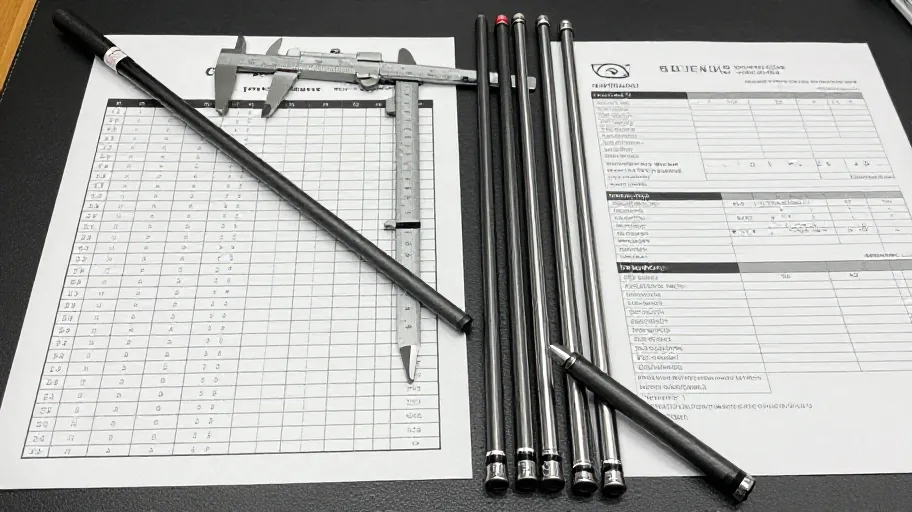
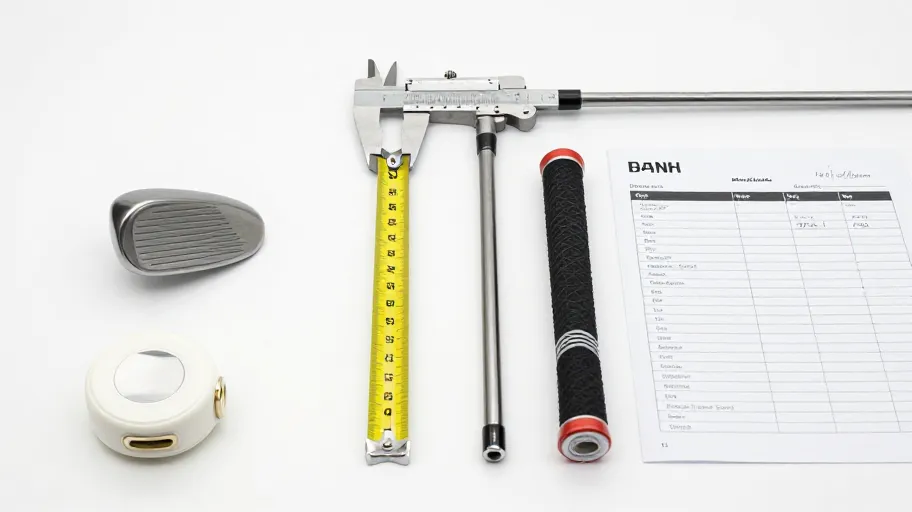
The right swing weight isn’t guessed—it’s dialed in through a four-phase process: assess tempo, test headweight, validate with launch data, and fine-tune dynamically. Skipping dynamic tuning leaves up to 18% of consistency unrealized, even with perfect loft and shaft.
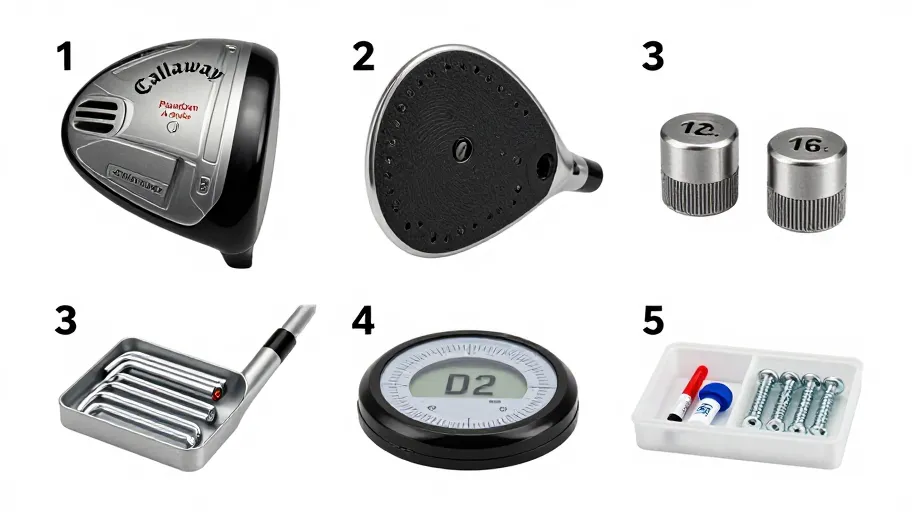
Start by measuring your natural swing tempo with a sensor or high-speed camera. Then use an adjustable-weight driver to isolate preferences. One golfer fixed low-face strikes by shifting 6 grams from grip to head—his ball speed rose 2.1 mph and dispersion tightened immediately.
Treat swing weight as a living setting, not a one-time choice. Reassess every 3–6 months, especially after training cycles. The payoff? Better contact builds confidence, lowers scores, and keeps you playing longer—all because your club finally moves like an extension of your swing.
Master Your Swing, DIY Your Fit. DIY Golf is the premier destination for the technical golfer. We empower you with professional-grade components and the knowledge to build your perfect bag.