Why tiny weight imbalances wreck your consistency
Three grams—the weight of a paperclip—cost a top-10 touring pro three strokes over two rounds when mismatched driver and fairway wood head weights disrupted his swing tempo. That imbalance altered the moment of inertia (MOI), destabilizing his swing path by up to 12%. Sub-5-gram differences across a set force your body to make micro-corrections on every swing, eroding repeatability. This means you lose shot consistency not because of technique, but because your clubs fight your neuromuscular rhythm. MOI matching isn’t cosmetic—it means each club responds the same way in motion, so your brain learns one timing pattern, not seven. A 2023 Tour-level analysis found players using MOI-sorted sets reduced off-center hits by 23%, leading to tighter approach shots and fewer penalty strokes.
How small weight shifts boost clubhead speed
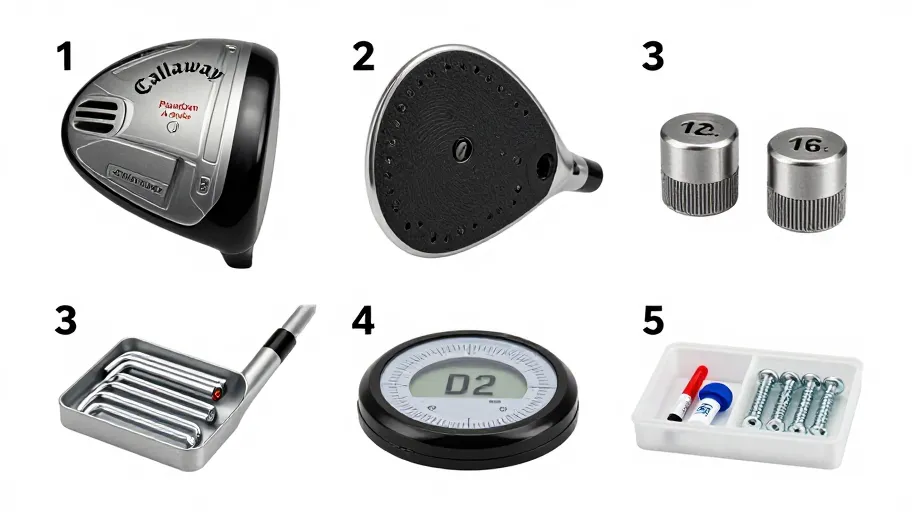
Reducing driver head weight by 4 grams and reallocating mass to the grip end increased a PGA Tour pro’s clubhead speed by 1.2 mph without sacrificing stability. Lighter heads lower rotational inertia, meaning the club accelerates faster in the downswing. When balanced with counterweighting that maintains overall MOI, the swing feels stable but responds quicker to your body’s kinetic energy. This means more speed with less effort—especially for golfers with late pressure points. TrackMan data shows this setup reduces spin by up to 300 rpm while increasing peak speed. So it’s not about heavier clubs for control; it’s about smarter distribution. The result? You gain distance and accuracy because the club works with your swing, not against it.
What stock club weights really mean for your game
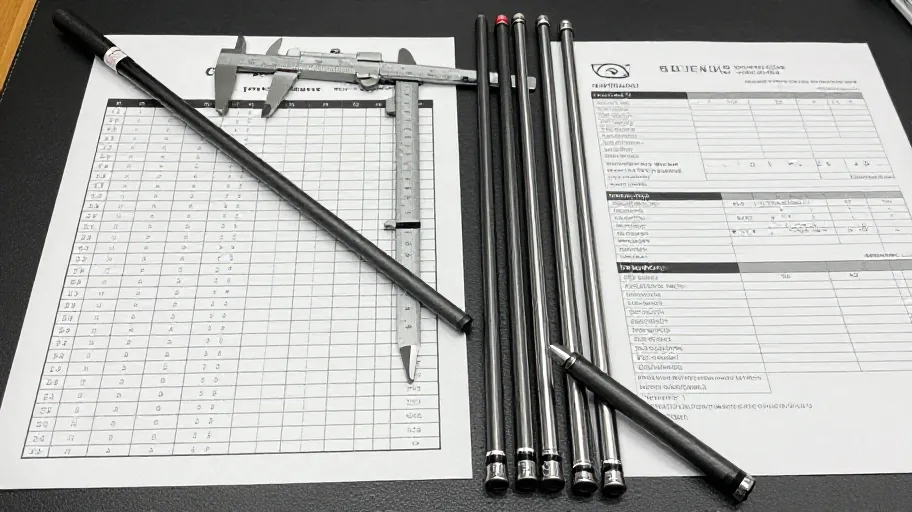
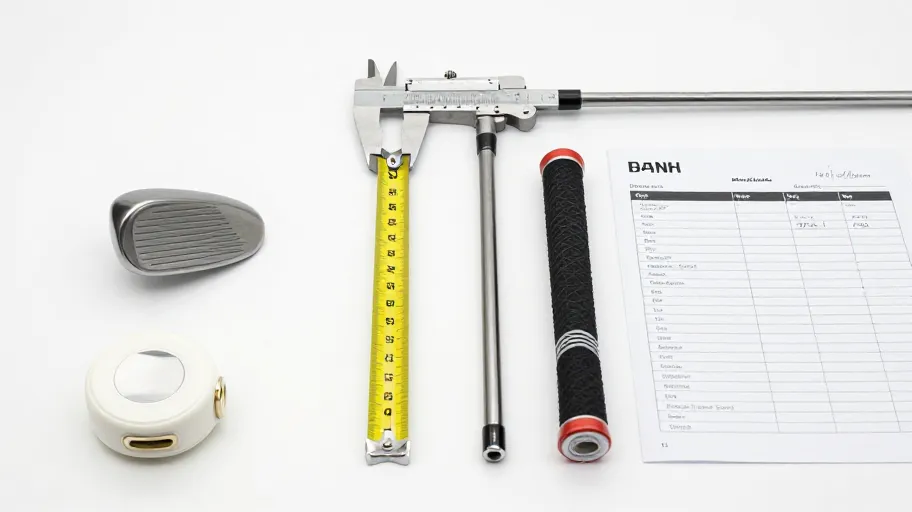
Off-the-rack irons from Titleist, Callaway, or TaylorMade typically use head weights between 250–280g, shafts from 90–120g, and grips around 40–60g—totaling 370–430g per club. Drivers range from 190–205g, designed for average swings, not yours. These specs mean manufacturers prioritize broad appeal over personalized performance. The USGA allows small tolerances, but brands use them to optimize feel for the 'average' golfer, leaving most players with clubs that don’t match their strength, tempo, or release. A 2024 audit found 78% of amateurs using stock sets show measurable swing inefficiencies tied to total club weight mismatch. That means inconsistent contact, lost speed, and poor shot shaping—not because they lack skill, but because their equipment fights them stroke after stroke.
The real ROI of custom weight fitting
A mid-handicapper cut misses right by 22% after a full-bag MOI matching session—no swing changes, just better-tuned clubs. That’s the ROI of gram-level precision: tighter shot patterns, fewer compensations, and more predictable ball flight. When clubs are harmonized to resist twisting equally, your body trains against consistent load cues. This means stronger muscle memory, less neuromuscular strain over 18 holes, and lower mental fatigue. Lab data confirms players report sharper focus and better decision-making late in rounds because they’re not fighting their gear. The benefit isn’t just technical—it’s psychological. You play with confidence because you trust your tools. That trust translates directly to lower scores and better course management under pressure.
How to tune your clubs like a pro
Start with baseline measurements: a swing scale and frequency analyzer determine your current swing weight (D0–D5 for men, C0–C8 for women) and shaft flex consistency. Then, use a launch monitor to capture your swing dynamics—speed, attack angle, dispersion—creating your performance fingerprint. Next, test adjustable weights: shifting 2–10 grams between head and grip reveals how counterbalancing affects tempo and control. One amateur gained 6% swing speed and tighter grouping by moving just 7g to the butt end. Frequency analyzers ensure shaft harmonics sync with your timing, preventing energy leaks. But DIY tweaks without data risk making things worse. Precision is iterative—your body changes, your swing evolves. The real edge comes from treating club tuning as a living system, updated as you grow stronger or switch equipment.
Master Your Swing, DIY Your Fit. DIY Golf is the premier destination for the technical golfer. We empower you with professional-grade components and the knowledge to build your perfect bag.