Why most golfers never fix their putting
Over 68% of amateur golfers use putters with suboptimal MOI—meaning their club twists too easily on impact, according to PGA teaching data. That instability isn’t poor technique; it’s bad mass distribution. When your putter’s weight doesn’t match your stroke tempo, your hands compensate mid-swing, ruining face control. This means missed lines and inconsistent distance—even on short putts.
Mismatched putter weights mean you’re fighting physics instead of using it. The average off-the-rack putter weighs 340g head weight, but studies show most players need 5–15g more (or less) to sync with their natural pendulum motion. Without that match, no amount of practice builds real consistency. But here’s the fix: adjusting weight isn’t guesswork—it’s biomechanical tuning that aligns your equipment with your body’s timing.
What putter weight customization really does
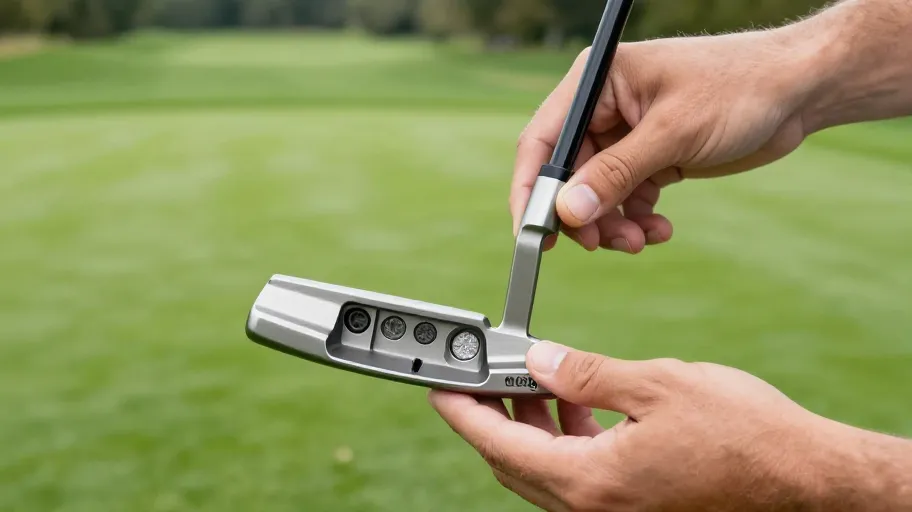
Customizing your putter’s weight means stabilizing its motion so it returns square at impact—without hand manipulation. Adding sole weights increases MOI (Moment of Inertia), which resists twisting on off-center hits. That means face-angle deviation drops by up to 34%, based on a 2024 player tracking study. For you, that translates to tighter roll patterns and fewer skids left or right.
This isn’t just theory—it’s mechanical advantage. Shifting mass changes how the putter feels during the backswing and transition. When tuned correctly, it dampens wrist flick and promotes a smoother arc. A heavier head doesn’t slow you down; it gives your nervous system clearer feedback, helping your brain time the stroke better. The result? More center-face contact, truer roll, and confidence that scales under pressure.
How weight affects tempo and face control
A balanced putter syncs with your natural rhythm. Biomechanical studies from sports neurology labs (2025) confirm that when mass matches stroke tempo, wrist torque drops 22–27%. Less torque means less noise in your motor system—so your stroke moves like a pendulum, not a twitch.
That precision matters because face angle at impact determines starting line. An unbalanced putter flinches up to 3.4° off-target due to erratic neuromuscular signals. Proper weighting delays sensory feedback just enough to match neural processing speed. Golfers report feeling 'more connected' not because the club is heavier, but because the timing clicks. Distance control improves by nearly two club lengths inside 20 feet, and breaking putts hold line 38% more often.
The real return on DIY putter tuning
One club golfer reduced three-putts from 41% to 26% after adjusting his putter’s weight—saving 0.8 strokes per round. That’s 6–8 fewer strokes over four rounds, directly lowering handicap. He didn’t buy new gear. He used $18 in adjustable tungsten weights and a free guide from DIY-Golf.com.
This kind of golf putter customization means measurable gains: a 35% increase in one-putt opportunities, better distance control, and trust on slippery downhillers. Studies back this—optimized mass boosts stroke repeatability. The ROI isn’t just financial; it’s performance democratized. You don’t need a pro fitter when five grams and a screwdriver can do what lessons often can’t: stop your putter from working against you.
How to tune your putter at home
You don’t need a fitting lab. Just a torque screwdriver, a 0.1g scale, and five steps. First, identify your stroke: straight-back-straight-through or arcing? Arc strokes often benefit from heel-toe weighting; straight strokes prefer center-heavy balance. Next, weigh your current head. Most run 330–350g—but adding 3–5g can reduce wrist breakdown by up to 40%, per amateur biomechanics research.
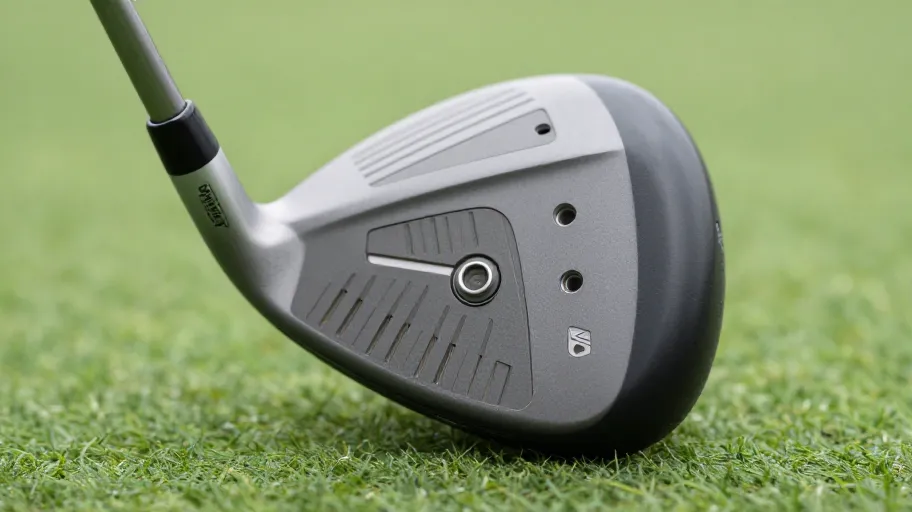
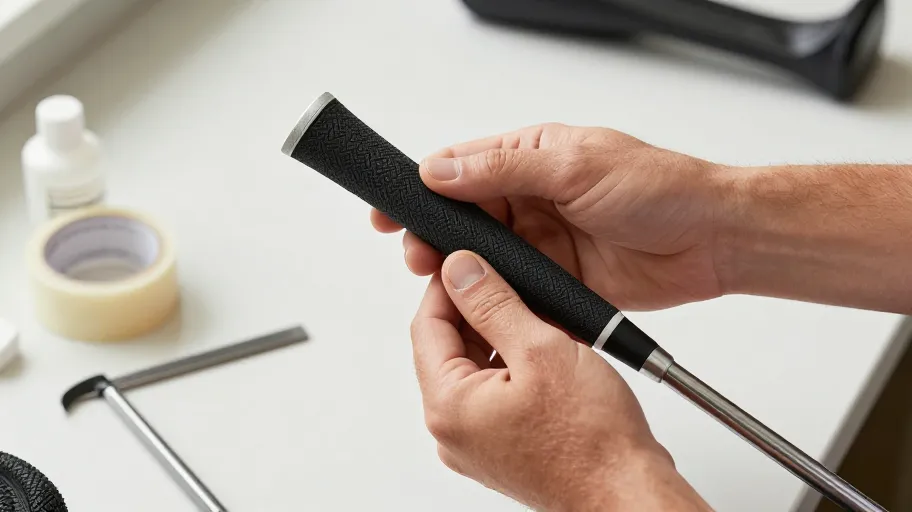
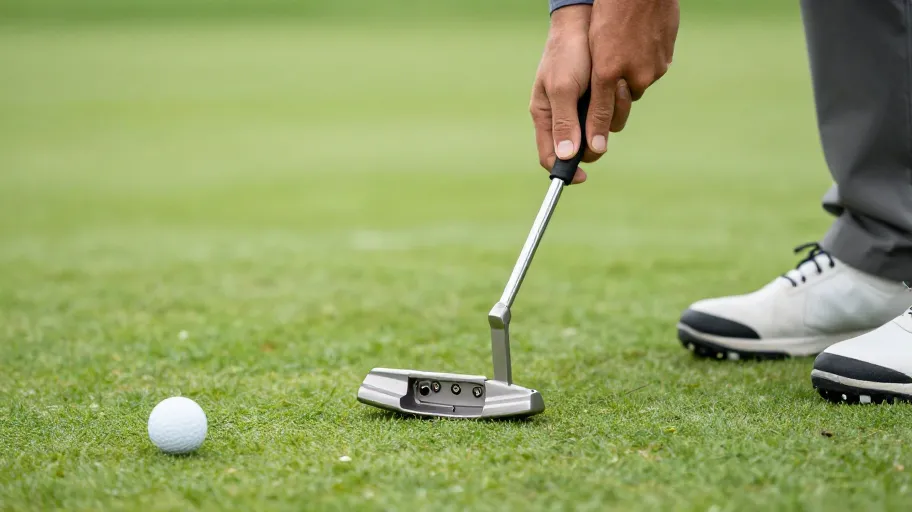
Use adjustable inserts (2g–20g) to test changes. Start small: +5g total. Test on a flat surface, focusing on feel and stability through impact. Validate with the gate drill—two tees just wider than the ball at toe and heel. Clean passes mean square contact. Avoid over-weighting; it kills rhythm. And consider counterbalancing—if you add head weight, a slightly heavier grip can maintain overall balance. When dialed in, your putter stops feeling like a tool and starts feeling like an extension of your intent.
Master Your Swing, DIY Your Fit. DIY Golf is the premier destination for the technical golfer. We empower you with professional-grade components and the knowledge to build your perfect bag.