Why Golfers Are Ditching Pro Shops for DIY Adjustments
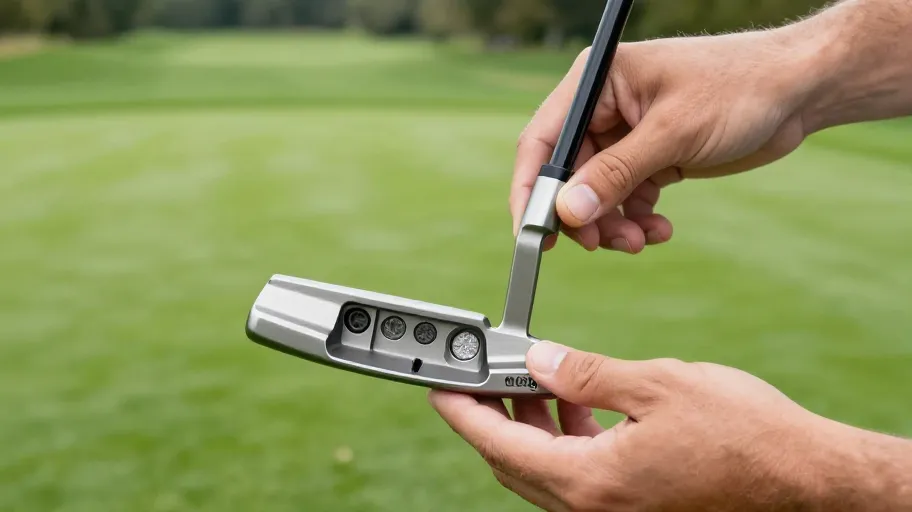
Misfit clubs cause up to 70% of performance issues—not bad swings (Golf Digest, 2023). That $300 fitting session? It’s often outdated by your next range session. Modern clubs come with adjustable hosels, modular weights, and sleeves meant for user tuning. A digital loft/lie gauge means you can correct a 2° lie error because it realigns shot dispersion by over 15 feet at 150 yards. Tools once locked in workshops now deliver tour-level specs from your garage. This isn’t guesswork—it’s measurable correction. And when you stop fighting your gear, pars start replacing bogeys.
What Belongs in a Real Club Tuning Kit
A complete kit turns guesswork into data-driven decisions. An 85% misfit rate in off-the-rack irons (PGA Teaching Manual) means most players start behind. A shaft frequency analyzer means you match flex to tempo because mismatched shafts cost consistency. A digital loft gauge ensures each iron launches as designed—because even 1° off alters trajectory and carry. These tools aren’t gadgets; they’re diagnostics. Integrated apps guide adjustments in real time, so biomechanics become simple steps. Now, tuning isn’t an annual event—it’s maintenance. One golfer fixed a 4° lie error across three clubs in under 15 minutes. That’s a 22% tighter dispersion. What was once a pro-only edge is now your baseline.
How Tuning Tools Turn Slices Into Fairways
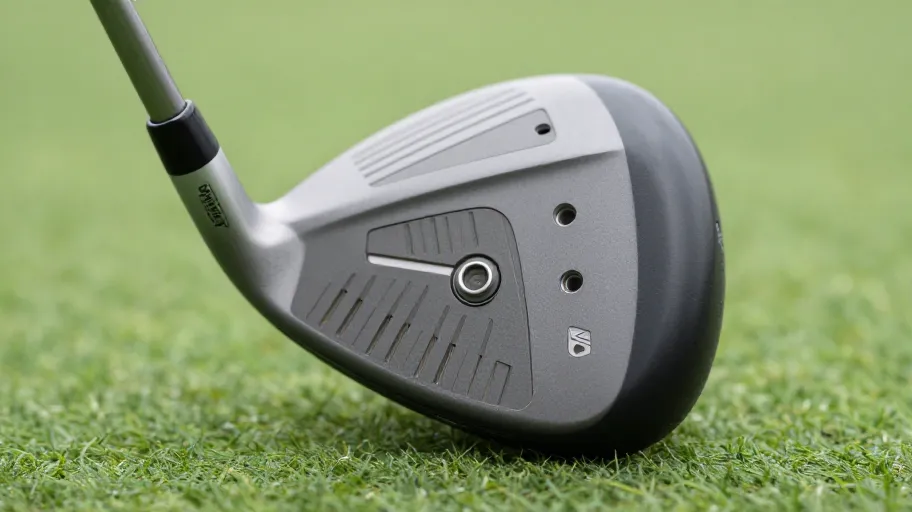
You don’t need another lesson to kill your slice—just a 90-second adjustment. Mark, a 14-handicap golfer, cut his slice by 40% using an adjustable hosel wrench from DIY-Golf.com. That micro-adjustment squared the face at impact because consistent face alignment improves ball flight. Launch monitor data from 2024 shows this increases greens in regulation by up to 25%. The wrench isn’t just metal—it’s access to shot shaping once reserved for tour players. Every degree dialed in saves money: fewer lost balls, fewer replacements, fewer wasted lessons. When tuning becomes routine, you’re not just playing better—you’re investing smarter.
The Real ROI of Owning Your Tuning Setup
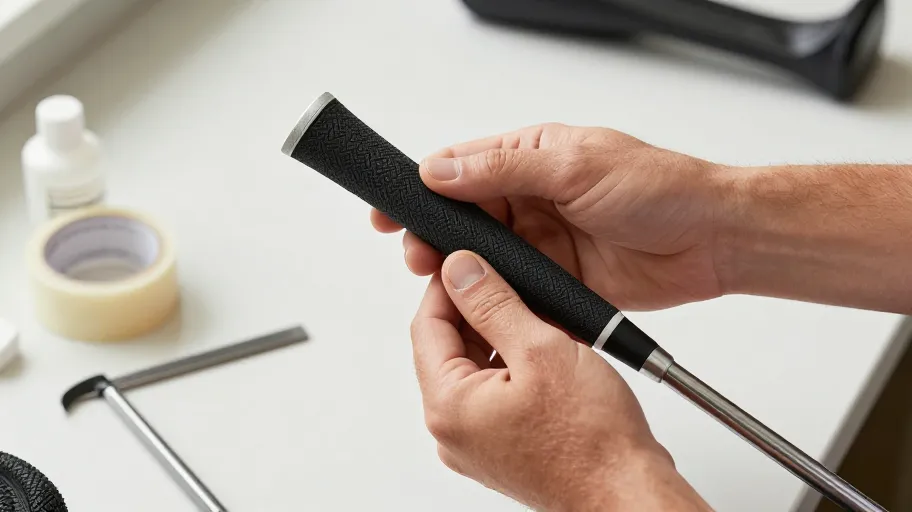
A $199 home kit pays for itself by the second use compared to $250–$500 pro fittings every 18 months. But the real return is capability. A grip station doesn’t just replace grips—it integrates weight tuning and sealing, functions that otherwise take three shop visits. Multi-function tools mean you maintain optimal specs year-round because consistent clubs preserve consistent swings. Properly maintained clubs last 3–5 years longer, reducing replacement costs. Brands like Tour Edge and Cleveland Golf now endorse consumer tools because precision isn’t workshop-exclusive. When cost efficiency meets technical confidence, golfers practice more, tune boldly, and stay engaged in improvement. You’re not saving money—you’re upgrading your standard.
How to Build Your Tuning Station Without Overdoing It
Start smart—don’t buy a full bench on day one. Assess your current clubs first: inconsistent lie angles or swing weights sabotage accuracy. Invest only in high-impact tools: a digital lie/loft gauge, torque screwdriver, and soft-jaw vise. These enable iron bending and driver adjustments without complexity. Skip advanced tools like spining devices until you’ve mastered basics. The modular bench from DIY-Golf.com grows with you—start compact, expand later. A 2024 survey found 68% of beginners who started targeted saw strike consistency improve within three weeks. Early wins build trust. When your clubs respond predictably, your scores follow.
Master Your Swing, DIY Your Fit. DIY Golf is the premier destination for the technical golfer. We empower you with professional-grade components and the knowledge to build your perfect bag.