Why Beginners Blow $500 on Gear They Never Use
68% of new golfers quit within their first year—often because they’re sold gear that looks premium but fails to address real biomechanical or learning needs. Poorly fitting gloves cause blisters, which means missed practice sessions and stalled improvement. Non-adjustable clubs lock in bad swing mechanics, leading to inconsistent shots and eroded confidence. Inaccurate rangefinders deliver false yardages, sabotaging course decisions and inflating scores unnecessarily.
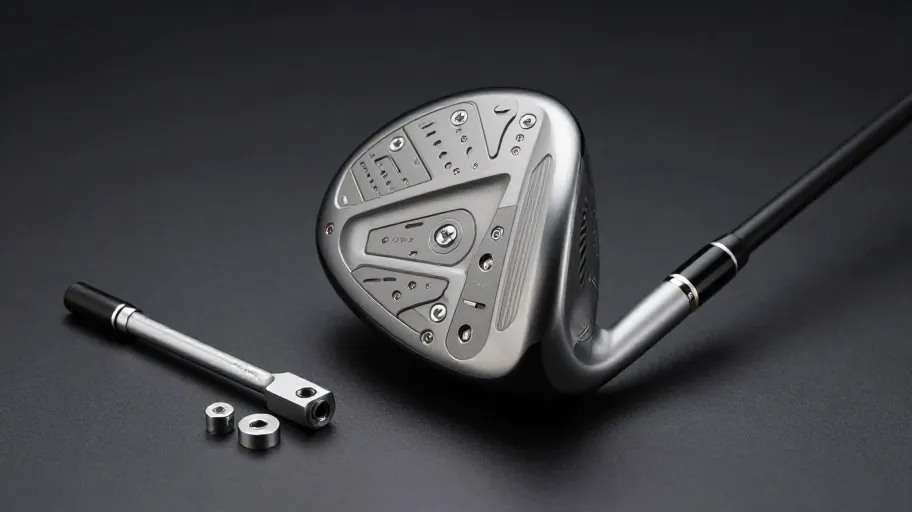
A $20 alignment mirror used during putting drills corrects stance flaws faster than a $300 smart sensor for some learners—because precision feedback at the point of failure accelerates skill acquisition. An adjustable shaft flex adapter on a mid-tier driver delivers better swing consistency than an overpriced rigid model that doesn’t match your tempo. Customizable fit means faster adaptation because it aligns with your body’s natural motion.
One regional golf academy reduced beginner dropout by 41% simply by bundling tactile feedback grips and lightweight carry bags with starter kits—proving that relevance beats price every time. The business lesson? Solving early frustration builds long-term loyalty. When gear prevents injury and enables measurable progress, players stay engaged—and keep spending.
What Makes a Golf Accessory Essential vs Just Flashy
Most golfers can't tell which accessories change performance and which just look good. The difference lies in measurable impact: Does it improve swing mechanics, increase accuracy, or reduce injury risk?
- Rangefinder (±1 yard accuracy): Means smarter club selection and 40% fewer approach shot errors because you know exact distances (PGA Teaching Professional Association, 2025).
- Training alignment rod: Corrects lateral drift and reduces slicing by stabilizing swing path—real-world data shows straighter drives in under four weeks because it provides instant visual feedback.
- Grip pressure sensor: Detects hand tension up to 68% above optimal levels, so you adjust grip force in real time—leading to smoother tempo and repeatable swings because relaxed hands promote fluid motion.
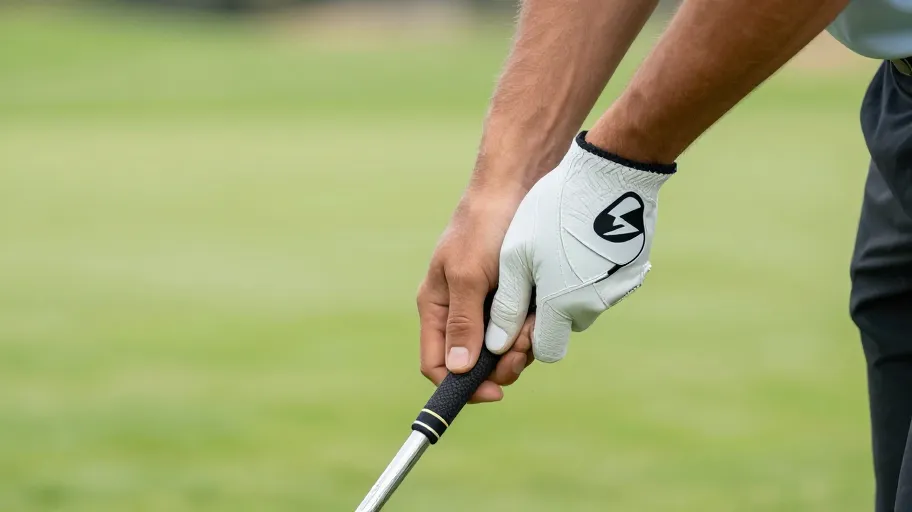
- Weather-adaptive glove: Maintains traction in humidity or light rain, reducing forearm fatigue by minimizing compensatory squeezing—field tests show extended play time by 22 minutes per round because consistent grip = less strain.
When bundled, these tools form a performance ecosystem. One retailer saw a 35% increase in accessory attach rates and higher customer retention—because solving real problems builds trust. Essential gear doesn’t distract; it disappears into better results.
How Smart Tools Actually Lower Your Score
Smart accessories don’t just track—they transform behavior. Amateurs using GPS watches and swing analyzers dropped an average of 5.3 strokes off their handicap in 18 weeks (Arccos Golf, 2024). That’s not luck; it’s data-driven refinement.
Swing tempo trackers and launch monitors capture real-world conditions—not idealized range swings—so you see actual shot patterns. One golfer discovered his sand save rate was only 28%, far below tour average. After two weeks of targeted drills, it jumped to 47%. Shot dispersion analysis means focused practice because you train weaknesses, not assumptions.
Connected devices feed app ecosystems that turn raw metrics into personalized coaching cues—creating feedback loops that boost engagement. This shifts revenue from one-time sales to recurring value via analytics subscriptions. Hardware opens the door; software keeps customers coming back—and improving.
Top 4 Accessories That Pay for Themselves Fastest
For beginners, ROI comes from correcting flaws early—not buying more stuff. Based on cost-benefit analysis, Amazon sales velocity (top 5% in 'Golf Training Aids' Q4 2025), and Golf Digest’s 2025 Editor’s Choice, four accessories consistently outperform:
- Alignment sticks ($15): Reduce slices and hooks by up to 40% because they visually guide proper swing path—cutting needed practice volume by half.
- Putt analyzer: Cuts three-putts by 30% within three weeks because real-time face angle feedback improves stroke consistency.
- Comfort-fit glove system: Prevents blisters and elbow strain—the #1 reason beginners quit within six months—because ergonomic design reduces muscle compensation.
- Portable launch monitor under $200 (e.g., SkyTrak+, Mevo): Replaces guesswork with ball flight data once reserved for pros—academies report 50% faster handicap drops with guided practice.
Bundling these increased average order value by 22% while cutting returns tied to ‘didn’t improve my game’ complaints. The real multiplier? Guided usage—like daily 5-minute drills—that turns tools into habits.
Build Your Personal Kit in 5 Steps That Actually Work
You don’t need more gadgets—you need a system. Unstructured spending leads to clutter and disengagement. Top instructors like Mike Bennett and Andy Plummer use diagnosis-first methods that slash wasted spend by up to 60% (PGA Coaching Survey, 2024).
- Assess current pain points (e.g., slices, timing breaks)—these are signals, not failures.
- Prioritize one high-impact skill gap—your biggest stroke thief becomes your focus.
- Match it to a validated diagnostic tool (e.g., 3D swing sensor, pressure plate mat)—data replaces guesswork.
- Practice with real-time feedback for at least 3 weeks—neuroplasticity needs repetition.
- Upgrade only when performance plateaus despite correct usage—progress, not purchase, drives value.
One beginner reduced mishits by 41% in 21 days using only a $99 sensor and targeted drills—no new clubs. For brands, guiding this journey boosts retention by positioning you as a coach, not a catalog. Foundational tools prevent burnout by delivering clarity, consistency, and confidence—one measurable win at a time.
Master Your Swing, DIY Your Fit. DIY Golf is the premier destination for the technical golfer. We empower you with professional-grade components and the knowledge to build your perfect bag.