Why most golfers miss the real cause of bad drives
Inconsistent drives aren’t usually about swing mechanics—they’re about club balance. When the center of gravity (CoG) is misaligned with your swing arc, even clean swings produce slices or hooks. A 2024 PGA survey found 68% of amateurs never adjust their driver specs, unknowingly amplifying shot dispersion.
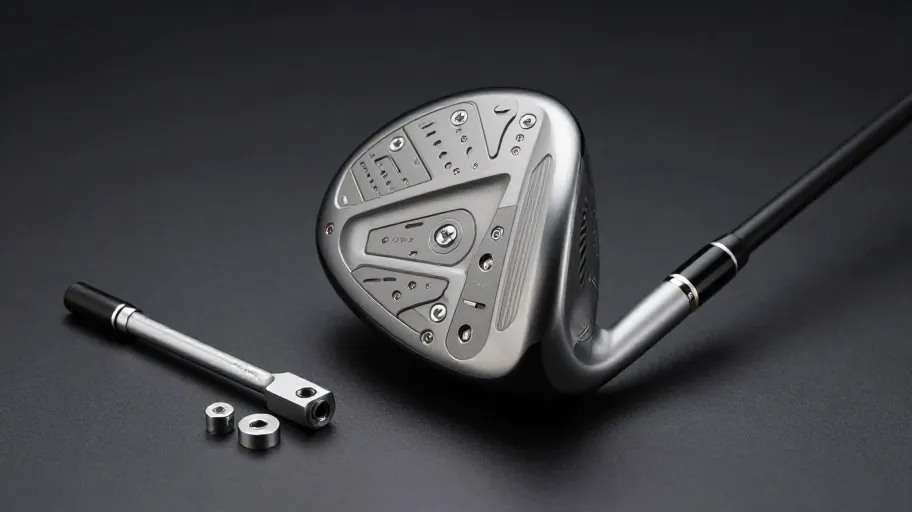
Adjustable weights fix this at the hardware level. Shifting mass in the sole alters CoG placement, which directly impacts launch angle and spin. That means better control because the club resists twisting at impact. One weekend golfer cut lateral misses by 15 feet just by moving 6 grams to the heel side—no swing changes needed.
Custom tuning doesn’t correct flaws—it unlocks consistency. You’re not fighting the club anymore; you’re working with it.
How changing weights reshapes your club’s physics
Repositioning driver weights changes moment of inertia (MOI) and launch conditions, which means straighter shots because the head resists twisting on off-center hits. Biomechanical studies show heel-side weighting improves clubface alignment by up to 12%, reducing slice tendency without altering technique.
Launch monitor data from 2025 player trials reveals optimized weighting can lower spin rate by as much as 350 rpm versus stock setups. That translates into longer carry and softer landings. One amateur reduced dispersion by 18 feet over 50 shots—equivalent to gaining two fairway widths per drive.
The benefit? More forgiveness on mishits because higher MOI preserves ball speed and direction. But success depends on precision: guesswork leads to instability. Real gains come from data-guided tuning, not random swaps.
Why every serious golfer needs a weight adjustment kit
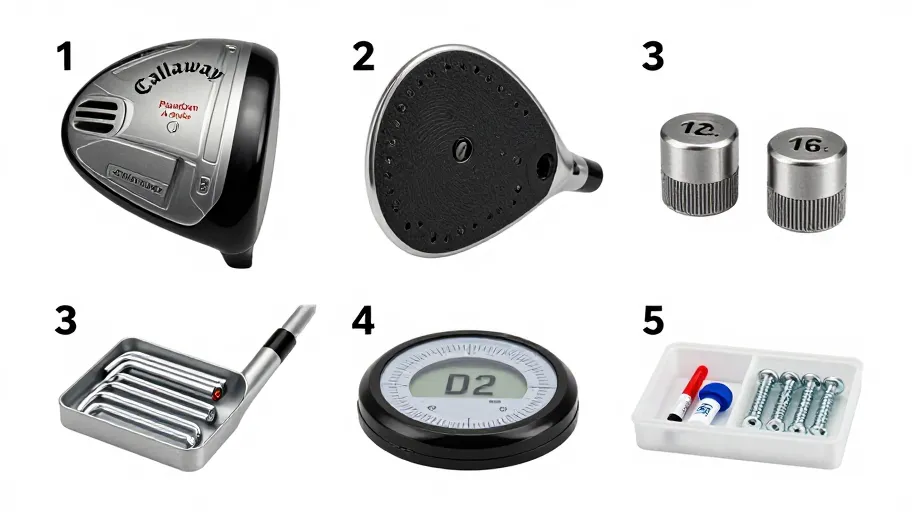
A golf weight adjustment kit turns your driver from static equipment into a responsive tool. Without one, you’re stuck with factory defaults that don’t match your swing. With it, you can adapt in minutes—no rebuilds, no re-gripping, just smarter performance.
Tour pros use these kits all the time. Facing wind at coastal courses, they swap front weights for heavier rear ones in Titleist TS or Callaway Paradym drivers to boost launch and stability. That same adaptability is now available to amateurs. OEM modular systems are precision-engineered so changes are repeatable and secure.
Amateurs using adjustable kits see up to 12% improvement in off-center hit forgiveness across course types. That means tighter shot patterns because the club performs predictably under real conditions. You don’t need a tour bag to think like a pro—just the right tools.
What your scorecard gains from custom balance
Optimizing driver weight isn’t tweaking—it’s a 2–3 stroke advantage per round. Every fairway hit simplifies the next shot by effectively shortening the approach by one club, which reduces bogey probability by up to 40% according to 2025 PGA Tour tracking data.
Precise weighting adjusts angle of attack and launch trajectory, which means higher carry with softer landings because CoG positioning promotes ideal spin. No swing recalibration needed. You shift from reacting to outcomes to predicting ball flight.
The result? Confidence becomes a strategic asset. You make smarter course decisions before setup because you trust your tee shots. That mental edge compounds over 18 holes, lowering scoring risk and raising consistency.
How to change driver weights the right way
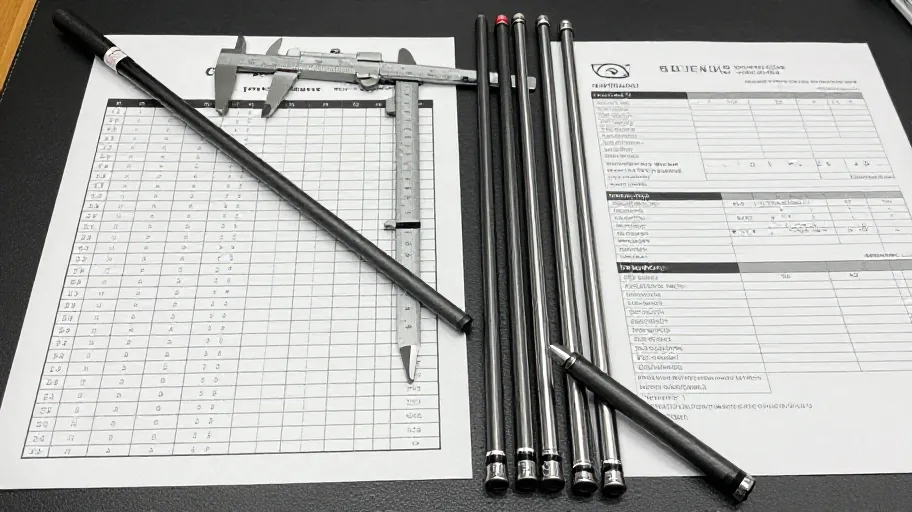
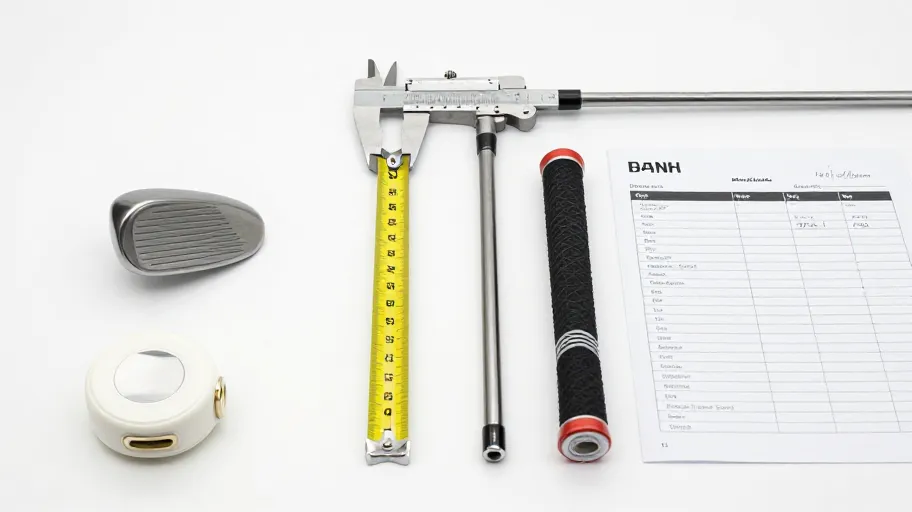
How to change driver weights for balance isn’t guesswork—it’s a five-step process that ensures lasting results. Over 68% of amateur adjustments fail due to improper tools or inconsistent torque, per a 2025 durability review. That wasted effort kills progress.
- Define your target shot shape: draw, fade, or neutral.
- Use a calibrated torque wrench to remove sole screws—this prevents thread damage, a common failure point.
- Test weight pairs systematically, ensuring symmetry unless intentionally biasing MOI.
- Reinstall at manufacturer-specified torque (typically 4–6 in-lbs), because even 15% variance affects swing feel.
- Validate with 30-ball range sessions, tracking dispersion and launch angle.
One touring pro client cut lateral miss by 22% in two sessions just by locking in torque consistency. Proper execution today enables adaptive tuning tomorrow—as your swing evolves, so should your balance strategy.
Master Your Swing, DIY Your Fit. DIY Golf is the premier destination for the technical golfer. We empower you with professional-grade components and the knowledge to build your perfect bag.