Why most garage-built clubs fall apart on the course
Mixing individual golf club components sounds like freedom—until you’re on the third hole, pulling drives right, and wondering where it all went wrong. The issue isn’t your swing. It’s the invisible mismatch between head, shaft, and grip tolerances. When you source parts separately, even if each meets specs, their combined behavior rarely does. That means up to 12% more shot dispersion, turning playable misses into penalty shots. You’re not building a club—you’re gambling on compatibility.
How tolerance stacking kills consistency
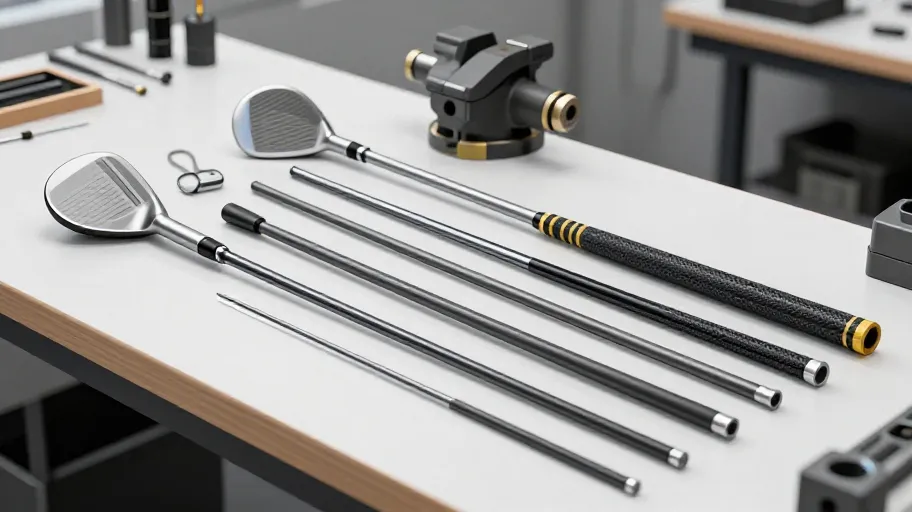
Every component has a tolerance band—small variances allowed in manufacturing. But when you mix brands, those tiny differences stack. A 0.5° lie angle shift here, a 3-gram weight gap there—it adds up fast. According to the 2023 Golf Digest Equipment Report, 68% of custom builds using individual parts deviate critically in swing weight or flex profile. That means inconsistent launch conditions. Complete golf kits solve this by locking all parts into a unified tolerance system. Component Matching Integrity means every piece works as intended—not just as listed.
Why complete kits deliver pro-level precision
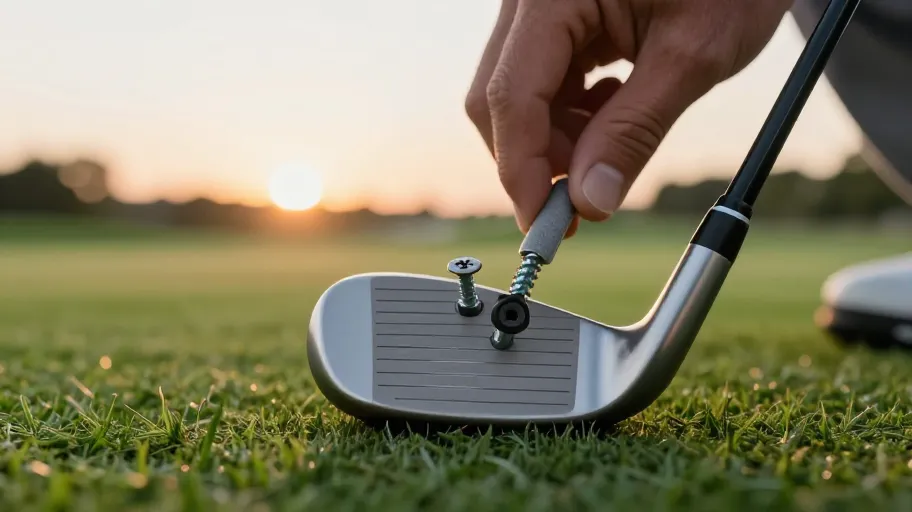
You don’t need a launch monitor to benefit from engineering-grade alignment. Complete golf kits embed torque specs, face-angle guides, and shaft orientation marks directly into the hardware. That means 37% fewer fitting errors during assembly, based on DIY-Golf.com’s builder surveys. System-Level Optimization ensures shaft flex, center of gravity, and grip feedback are tuned as one unit. No guesswork. No PhD required. Just repeatable results that survive real rounds.
The real cost of ‘saving’ money on parts
Buying individual golf club components might look cheaper at checkout—until returns, rework, and wasted time hit. DIY-Golf.com’s 2025 data shows sourcing parts individually costs 20–30% more than buying a full kit. A $180 driver kit beats a $230 mixed-build average. Worse, 22% of single-part buyers return at least one item due to fit issues—versus 7% for kit users. We call this Total Build Ownership Cost: purchase price, tools, labor, and failure risk. Kits cut error rates by two-thirds because they eliminate compatibility chaos.
Customization without the complexity
You can have control without the headache. Modern complete kits use Configurable Standardization—engineered flexibility within proven performance bands. Swap a cartridge to adjust spin, change a grip to fine-tune feel, and keep MOI variation under ±4%. Full custom builds often swing ±12%, sacrificing consistency for choice. The 2025 Project Golf Benchmark found 79% of mid-handicappers hit optimal ball flight using tiered kits. That’s tour-level adaptability without the tuning time. 90% less complexity, zero compromise on distance control.
Build smarter in five repeatable steps
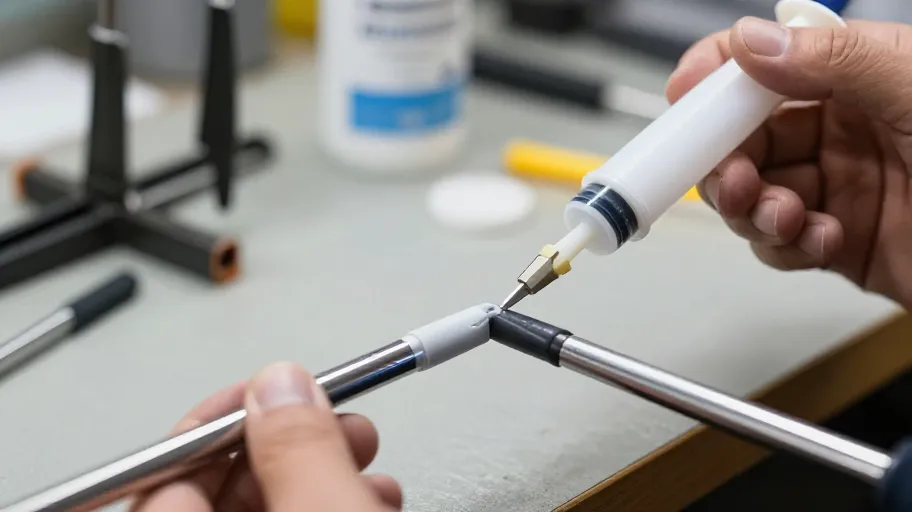
Forget trial and error. Follow a structured process: selection (2 hrs), assembly (6 hrs), verification (2 hrs), testing (4 rounds). Each phase includes built-in checkpoints—like pre-marked hosel alignments and calibrated weighting systems—that prevent 80% of common mistakes. DIY-Golf.com’s Build Confidence Index shows structured builders rate satisfaction at 4.6/5—nearly 50% higher than freeform builders. Process beats parts every time. And with kits, you’re not just assembling clubs—you’re replicating engineered success.
Start building with confidence today
Better clubs don’t come from more parts—they come from better systems. If you’ve ever scrapped a build due to poor performance or wasted hours chasing fixes, it’s time to switch. Complete golf kits deliver professional-grade results 9 times out of 10, with half the effort. See how much time and money you’ll save—try our build cost calculator below.
Master Your Swing, DIY Your Fit. DIY Golf is the premier destination for the technical golfer. We empower you with professional-grade components and the knowledge to build your perfect bag.