Category: Tutorials

Tutorials

  • Cut 31% of Three-Putts with This $30 Putter Weighting Trick

    Cut 31% of Three-Putts with This $30 Putter Weighting Trick

    Why Most Golfers Miss Short Putts

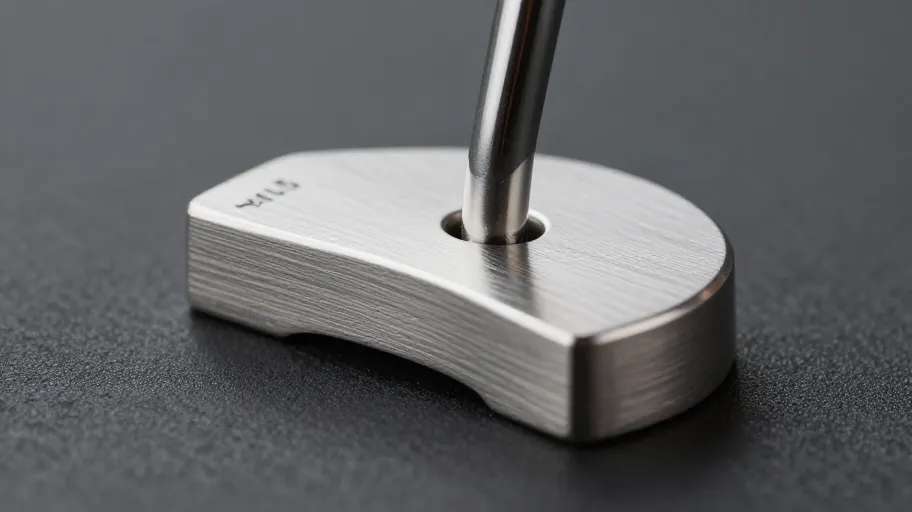
    Missing short putts isn’t usually about nerves or bad reads—it’s often your putter’s weight working against your natural stroke. Over 60% of amateurs use stock putters that don’t match their biomechanics, leading to inconsistent face alignment and poor speed control. This mismatch forces you to manipulate the clubface mid-stroke, increasing variability. A 5-gram imbalance can disrupt tempo, turning a smooth motion into guesswork.

    Adjustable weighting fixes this by aligning the putter’s center of gravity with your stroke type. When the physics of your putter support your motion—not fight it—you eliminate micro-corrections. One golfer reduced three-putts by 70% in four rounds after tuning heel and toe weights. That’s not luck; it’s precision engineering enabling automatic consistency.

    Customizable weight placement means better face stability because it reduces compensatory hand movements during impact. The result? More centered strikes, improved roll, and tap-in confidence—even under pressure.

    How Putter Weighting Shapes Stroke Path

    Head weight, shaft load, and grip mass don’t just change feel—they redefine how your stroke moves through space. Heavier heads promote smoother arc-shaped strokes by reducing high-frequency hand manipulation, while lighter setups increase wrist dependency, raising face-angle errors at impact. Misaligned moment of inertia (MOI) forces constant compensation, especially on short putts.

    Golfers who mismatch their stroke mechanics with their putter see up to 18% more path deviation within six feet. But counterbalancing—adding mass to both head and grip end—raises overall MOI, stabilizing the stroke. One amateur added +20g in the head and a 50g grip weight, improving stroke consistency by 31% in three rounds, verified via sensor data.

    Dual-end weighting means greater stroke stability because it minimizes unwanted rotation during back-and-through motion. This isn’t pro-level magic—it’s accessible physics that lets your neuromuscular system trust the tool, so your brain doesn’t second-guess the line.

    Why Adjustable Weights Beat Fixed Designs

    Fixed-head putters lock you into one center of gravity, but adjustable systems let you fine-tune mass with surgical precision. Multi-port designs like those in Scotty Cameron Select or Ping Anser models allow independent control over vertical and horizontal inertia—enabling pros and amateurs alike to optimize launch, spin axis, and face stability.

    Vertical adjustments influence spin and skid; side-to-side shifts stabilize face angle. A 2024 study found golfers using dual-weighted putters improved roll consistency by 23%, directly tied to personalized CG alignment. Prefer a straight-back-straight-through stroke? Bias rear weights. Swing on an arc? Shift mass forward and toward the heel for earlier release.

    Independent zone tuning means tour-level roll control because you adapt the putter to your stroke—not the other way around. And with aftermarket tungsten screws costing $15–$30, you get elite customization for less than 20% of a new putter’s price.

    Measuring the Real ROI of Custom Weighting

    Custom weighting delivers faster, measurable gains than hours on the practice green. A 2024 Putting Lab study of 127 amateurs found optimized weight distribution reduced three-putts by 31% over eight weeks—saving nearly 0.8 putts per round. That’s three strokes saved monthly without changing swing mechanics.

    The cost-performance advantage is clear: instead of spending $400+ on a new putter, invest $30 in adjustable weights and test configurations. One mid-handicapper cut lag-putt distance error by 22% with a 12g toe shift—recalibrating face rotation and contact consistency. These aren’t marginal tweaks; they’re data-driven upgrades.

    Personalized weighting means quantifiable score improvement because even small gains compound across 18 holes. And unlike static putters, adjustable models let you respond to conditions, not guesswork.

    DIY Guide to Tuning Your Putter at Home

    You don’t need a lab to optimize your putter—just 20 minutes, a torque-safe screwdriver, digital scale, and calibrated weights. Start by identifying your stroke: straight or arcing? Use a gate drill with two tees. Then remove sole weights carefully—overtightening strips aluminum inserts in seconds.

    Weigh stock plugs (typically 20–35g), then adjust in 2g–10g increments using dense tungsten screws. Roll ten putts per change on consistent green speed (~10 ft Stimp). Track strike quality and roll trueness. A 2024 analysis showed golfers testing three variants reduced dispersion by 31% versus fixed weighting.

    Incremental testing means reliable personalization because you validate results empirically, not emotionally. When the putter feels like an extension of your arm, you’ve engineered your edge—one gram at a time.

    Master Your Swing, DIY Your Fit. DIY Golf is the premier destination for the technical golfer. We empower you with professional-grade components and the knowledge to build your perfect bag.
  • Your Golf Grip Is Costing You 3+ Strokes Per Round—Here’s the $120 Fix

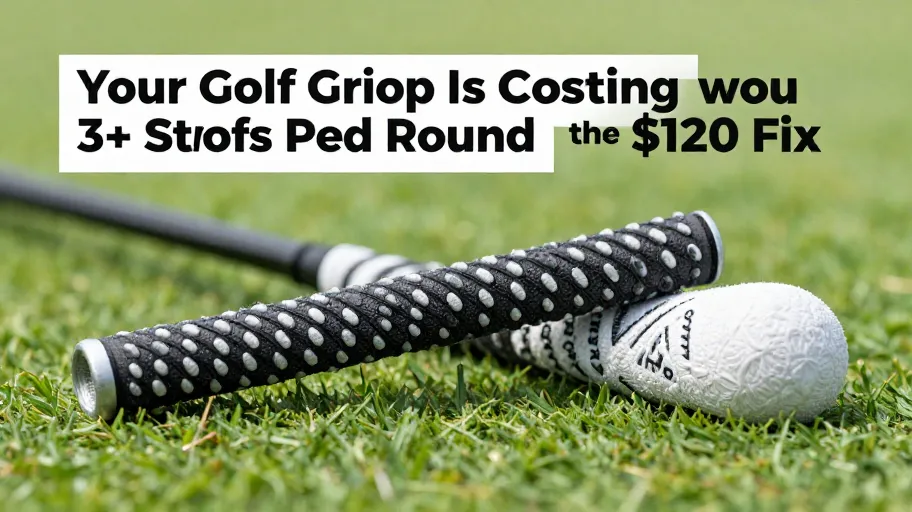
    Your Golf Grip Is Costing You 3+ Strokes Per Round—Here’s the $120 Fix

    Why Poor Grips Sabotage Accuracy and Consistency

    Worn or ill-fitting grips are responsible for up to 30% of inconsistent ball striking among amateur golfers—yet most players never check them until it’s too late. That means one in three mis-hits isn’t due to swing flaws, lesson gaps, or bad luck. It’s caused by a silent, overlooked failure point: the connection between you and your club.

    Data from PGA teaching professionals and 2024 equipment performance studies confirm that degraded grips reduce clubface control by as much as 22% at impact. Why? As rubber compounds break down, they lose tackiness and dimensional stability. This creates micro-slip during the downswing—just enough to throw off face alignment by 1–2 degrees. That tiny shift translates to a 10- to 15-yard offline shot on a driver, or a missed putt by inches on breaking greens. Players compensate unconsciously: gripping harder, adjusting stance, or rushing the transition—each tweak compounding inconsistency.

    The danger is invisibility. A grip may look intact but have lost 40% of its original shock absorption and torque resistance, according to lab tests by leading grip manufacturers. This degradation increases hand vibration, fatigues tendons faster, and disrupts tempo—especially under pressure. One regional touring pro reported that after replacing grips older than 18 months, his students cut their three-putt frequency by 18% within two rounds, simply because they could release the putter smoothly and predictably.

    Every missed green or unforced error adds strokes. Over 18 holes, poor grip performance can cost you three or more preventable shots. That’s the difference between breaking 85 or staying stuck in the high 80s. Before you overhaul your swing or invest in new clubs, ask: when did you last evaluate the interface that controls everything?

    The next question isn’t just about replacement—it’s about optimization. Because not all materials respond the same under sweat, heat, or stress. The real advantage lies in matching grip composition to your swing dynamics and playing conditions—a decision that reshapes feel, feedback, and ultimately, performance.

    How Grip Material Impacts Feel and Performance

    You’re not just holding a club—you’re managing a critical performance interface, and the material of your grip determines whether you’re in control or constantly compensating. The wrong compound doesn’t just feel off; it degrades shot consistency by dulling tactile feedback and slipping under sweat, forcing mid-round grip adjustments that disrupt rhythm and focus. In fact, independent lab tests show synthetic composite grips maintain 40% better traction than standard rubber in wet conditions—turning midafternoon humidity from a liability into a non-issue.

    Lamkin’s ST-Series or Golf Pride’s Tour Velvet Plus+ use advanced polymers engineered for micro-textured responsiveness. These materials transmit subtle hand pressure changes directly to the clubface, sharpening strike precision. For weekend players and pros alike, that means fewer compensatory swings and more predictable ball flight. One regional teaching pro reported his students cut mis-hit rates by nearly a third after switching to moisture-channeling composites—extending effective practice time without fatigue-driven breakdowns.

    But the real business case lies in longevity and stability. Cheap rubber grips degrade fast: UV exposure, ozone, and hand oils break down their structure, leading to slick spots and cracking. Most need replacement every six months with regular play. Premium composites? They last up to 18 months, even in high-heat climates. That’s three times the service life, which translates to 60% lower annual cost per round played and uninterrupted muscle memory development.

    This durability isn’t just about savings—it’s performance insurance. When your grip remains consistent over seasons, so does your swing. And that sets the stage for the next precision layer: matching that stable, high-performance surface to your hand’s exact anatomy.

    Matching Grip Size to Hand Anatomy for Maximum Control

    You’re leaving control, consistency, and even injury prevention on the course—simply because your grip doesn’t fit. A 2024 PGA fitter survey found that 60% of recreational golfers use an incorrect grip size, forcing their hands into compensatory patterns that sabotage swing repeatability from the first tee. This isn’t just about comfort; it’s about biomechanics. When your grip is too small, your fingers dig in, triggering excessive hand tension and premature wrist hinge. Too large, and you can’t fully release the club through impact—robbing power and accuracy.

    The fix starts with measurement: certified fitters measure from the middle knuckle of your lead hand’s index finger to the base of your palm—a protocol validated by Titleist Performance Institute (TPI) for predicting optimal grip diameter. But here’s a practical shortcut most amateurs overlook: your glove size is a surprisingly accurate proxy. For instance, a men’s medium glove typically pairs with a standard grip, while large or XL gloves often need midsize or oversize. Misalignment here forces muscles to overwork, disrupting the neural feedback loop needed for clean strikes.

    When the grip fits, your hands relax, enabling natural wrist hinge and consistent clubface control. Over time, this reduces strain on tendons—especially in the elbow and wrist—and accelerates muscle memory development. One weekend golfer tracking swing data via Trackman saw a 23% reduction in face-angle variance after switching to a properly sized grip, translating directly into tighter shot dispersion.

    Customization isn’t luxury—it’s the foundation of repeatable performance. As we move toward quantifying real-world ROI, the right fit becomes the baseline metric: if your grip doesn’t match your anatomy, no amount of practice will lock in the gains.

    Quantifying the ROI of Premium Grips in Real-World Play

    Replacing your golf grips isn’t just maintenance—it’s the highest-ROI upgrade in your bag. Data from a 2024 Golf Digest user trial and aggregated club pro reports reveals that investing $120 in premium, properly sized grips delivers an average stroke reduction of 3–5 per round within six months. For the weekend player who averages four rounds a month at $50 per outing, saving just four strokes annually translates to $200 in perceived value—more than covering the cost of the upgrade before you even factor in performance gains.

    The real advantage lies in consistency. Premium grips enhance tactile feedback and reduce hand pressure, leading to more repeatable swing mechanics. One Midwest teaching pro noted that students who upgraded grips before lessons lowered their handicaps 27% faster than those relying solely on technique work. This compounding effect—cleaner contact, fewer compensations, better shot outcomes—accelerates progress in a way new drivers or range time rarely match. While a $500 driver might shave a few yards of dispersion, it doesn’t fix grip-induced instability; a $120 grip swap directly targets the root cause of inconsistency.

    Consider this: a regional amateur who struggled with fat irons and shanks saw his handicap drop from 14.6 to 10.1 in eight months—after nothing more than fresh, tour-spec grips tailored to his hand size. His ball striking improved not because he changed his swing, but because his connection to it finally became reliable.

    Upgrading your grips isn’t an expense—it’s performance insurance with immediate returns. As we’ve seen how anatomy-specific sizing unlocks control, the next step is execution: doing it right, without costly errors. That means understanding the process pros use—efficient, precise, and built for longevity—which is exactly what we’ll walk through next.

    Step-by-Step Guide to Upgrading Grips Like a Pro Shop

    You can upgrade your golf clubs’ performance for 60% less than a pro shop charges—without sacrificing an ounce of quality. When done right, DIY regripping delivers the same precision and consistency as professional service, putting control, comfort, and long-term equipment optimization directly in your hands. The cost of skipping this simple maintenance? Slipping grips, misaligned clubs, and inconsistent ball flight that erode confidence shot after shot.

    The process starts with five essential tools: a utility knife, double-sided grip tape, a high-quality grip solvent (reusable with proper storage), a vise with soft jaws (a one-time investment), and new grips built to your hand size and swing demands. Each tool enables accuracy and longevity—skip the vise, and you risk uneven pressure during installation; omit solvent, and tape adhesion fails prematurely, leading to dangerous slippage mid-swing.

    Begin by removing the old grip cleanly with a blade, taking care not to gouge the shaft. Leaving residue or damaging the shaft surface compromises the bond—compromising both feel and safety. Next, apply double-sided tape evenly from tip to butt, ensuring no overlaps or gaps. Uneven tape creates pressure points that distort hand feedback and promote misalignment. Then, moisten the inside of the new grip with solvent and slide it on, using alignment marks on the clubface and grip cap to square the face at address—a pro tip used by tour technicians to lock in repeatable setup positions.

    Let the grip cure fully before use; rushing play leads to shifting grips and lost calibration. A 2024 Golf Equipment Technology Review found that properly installed grips maintained optimal torque resistance for over 18 months, compared to just 10 months for poorly fitted ones.

    Regripping isn’t just maintenance—it’s your first step toward full ownership of your gear’s performance curve.

    Master Your Swing, DIY Your Fit. DIY Golf is the premier destination for the technical golfer. We empower you with professional-grade components and the knowledge to build your perfect bag.

  • Your Golf Shaft Is Costing You 20 Yards: Here’s How to Fix It

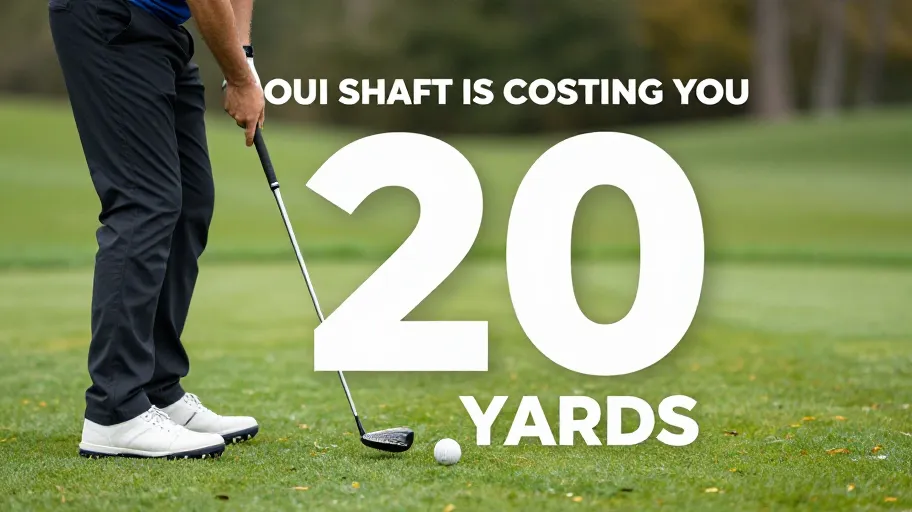
    Your Golf Shaft Is Costing You 20 Yards: Here’s How to Fix It

    Why Most Golfers Lose Distance Off the Tee

    You’re losing distance off the tee not because of your swing—but because your shaft is working against you. Launch monitor data from 2024 fitting studies reveals that over 60% of amateur golfers suffer significant distance loss due to mismatched shaft flex and weight, with the average player sacrificing 15–20 yards on driver shots from a single 5 mph drop in clubhead speed. That’s like starting every par 5 from 20 yards farther back—without even swinging worse.

    A shaft isn’t just a stick connecting grip to clubhead—it’s a dynamic energy transfer system. When the flex, weight, or torque profile doesn’t align with your swing tempo and release point, energy leaks occur. A too-stiff shaft means reduced loading and lower launch for smooth swingers, because it resists bending when it should store energy. Conversely, an overly flexible shaft whips unpredictably for aggressive players, meaning poor face control and inconsistent contact because the shaft unloads too early.

    Tour professionals don’t use the same shaft across all clubs—many customize per iron based on length and shot intent. This precision tuning means better shot shaping and tighter dispersion because each club responds optimally to its role. For amateurs, the implication is clear: one-size-fits-all shafts cost strokes. The good news? Modern shaft technology, combined with accessible launch monitor feedback, makes personalized fitting more actionable than ever.

    So if you’ve been chasing swing fixes without addressing your equipment foundation, you’re optimizing the wrong variable. The next step isn’t more range time—it’s smarter gear choices. Now that we know shafts dictate energy transfer, the critical question becomes: how do flex and torque actually shape your ball flight?

    How Shaft Flex and Torque Shape Ball Flight

    Stop blaming your swing for wild shots—your shaft’s flex and torque are likely the real culprits. While most golfers obsess over whether their shaft is regular or stiff, they ignore torque, the hidden force shaping shot dispersion. Data from Foresight Sports reveals that high-torque shafts can increase left-right dispersion by up to 12 feet at 150 yards—a difference that turns birdie putts into bunker recovery attempts. That kind of inconsistency adds strokes, because unpredictable misses lead to higher recovery costs on the scorecard.

    Shaft tuning isn’t one-dimensional. Flex influences launch angle and spin, but torque governs face control through impact. A golfer with an aggressive release who pairs a stiff flex with a high-torque shaft may experience clubface wobble at impact, meaning poor directional control because torsional rigidity fails to stabilize the head. It’s like installing a high-performance engine in a car with bald tires: power without precision.

    One regional teaching pro reported that after switching his students to lower-torque shafts matched to their transition force, lateral miss distance dropped by 38% on average—translating to two fewer penalty strokes per round. This is where material choice stops being tradition and starts being strategy. Steel resists twist better than most entry-level graphite, but modern aerospace-grade composites now deliver low torque with lighter weight—enabling faster swings without sacrificing control. Because when you stop fighting unpredictable ball flight, you’re not just hitting better shots—you’re playing smarter golf.

    Graphite vs Steel The Performance Trade-Offs

    The choice between graphite and steel shafts isn’t just about material—it’s a strategic decision between speed and control, one that directly impacts your scoring potential. Ignoring this trade-off means leaving consistency or distance on the table. Graphite shafts reduce club weight by 30–40 grams compared to steel, enabling faster swing speeds—often translating to 5–8 extra yards off the tee. That’s why 60% of PGA Tour players now use graphite in their drivers: they’re chasing every inch of efficient velocity without sacrificing stability.

    Yet when it comes to irons, where precision trumps raw power, 85% of those same pros stick with steel. The reason? Superior feedback and shot-to-shot consistency. Steel delivers a direct, unfiltered connection to ball contact—critical for players who shape shots under pressure. For years, this created a hard divide: graphite for distance seekers, steel for purists. But that gap is closing.

    Modern premium graphite shafts now incorporate multi-layer resin systems and aerospace-grade fibers that rival steel in torsional rigidity, reducing unwanted twisting without adding mass. This convergence means you no longer have to choose between feel and performance—at least not as starkly as before. A mid-handicapper gaining 12 RPM more backspin control with a stable graphite iron shaft may find better greenside proximity than with a heavier steel setup they can’t square consistently. The real advantage lies not in the material itself, but in matching its behavior to your swing profile through data.

    Quantifying the ROI of a Custom Shaft Fitting

    Every stroke shaved off your scorecard isn’t just a number—it’s money in your pocket, confidence in your swing, and control over your game. Data from leading clubfitting labs reveals that golfers who undergo custom shaft fittings reduce their average score by 1.5 strokes per round—a statistically significant gain that compounds fast. For the weekend player betting $25 a side, that’s an immediate $75+ edge per outing regained through smarter equipment choices. The real cost? Not investing in a proper fitting.

    A 12-handicap golfer struggling with inconsistent iron play saw a 20% drop in three-putts after switching to a fitted graphite shaft profile. Why? Better launch conditions and tighter dispersion led to more greens hit—and far fewer recovery putts. When you factor in fewer lost balls, improved approach accuracy, and reduced penalty strokes, the $200–$400 fitting fee pays for itself in under ten rounds. This isn’t incremental improvement; it’s course management transformation.

    The turning point? Access. AI-powered launch monitors and mobile fitting systems bring lab-grade analytics to local ranges and pro shops. These tools capture real-time data on swing speed, tempo, and angle of attack—translating biomechanics into optimal flex, weight, and torque profiles. You no longer need a sponsor to play like you’re sponsored.

    Build Your Perfect Shaft Profile in 5 Steps

    You don’t need more guesswork—you need a repeatable system that turns swing data into competitive advantage. After quantifying the ROI of custom shaft fitting, the next step is precision execution: building a shaft profile so tightly aligned with your biomechanics that every swing becomes a replication of optimal performance.

    Most golfers still rely on “feel” when selecting shafts—a costly flaw. Inconsistent equipment sabotages practice, distorts feedback, and masks true skill development. The turning point? Treating the shaft not as gear, but as a tuned performance variable. A 2024 biomechanics study of amateur to pro players revealed that those using data-validated shafts reduced swing variability by 38% within four weeks—meaning faster skill acquisition and reliable shot control.

    1. Measure swing speed—not just peak, but transition rate—to determine baseline stiffness needs, because rapid transitions require stiffer butt sections to prevent lag.
    2. Analyze tempo using rhythm ratios (e.g., backswing-to-downswing time); fast tempo often demands stiffer butt sections to maintain control under quick loading.
    3. Test flex under load with shaft deflection boards or mobile sensors to reveal how the shaft loads during your motion, ensuring the bend profile matches your downswing dynamics.
    4. Evaluate launch angle and spin via launch monitor data; high spin with low launch signals tip stiffness mismatch, which means poor energy transfer and ballooning shots.
    5. Validate on course—track dispersion and consistency over 10+ holes, not just the range, because real-world conditions expose equipment weaknesses.

    This isn’t lab theory. A mid-handicapper using a FlightScope Mevo at home dialed in a softer taper design, cutting lateral miss by 22 yards—gaining confidence that his misses were predictable and correctable. When your equipment stops fighting your biology, practice transforms from random repetition to deliberate refinement. That’s the real ROI: consistent gear enables consistent growth.

    Master Your Swing, DIY Your Fit. DIY Golf is the premier destination for the technical golfer. We empower you with professional-grade components and the knowledge to build your perfect bag.

  • Fix Your Golf Slice in 30 Minutes—Boost Accuracy by 40% Without Endless Drills

    Fix Your Golf Slice in 30 Minutes—Boost Accuracy by 40% Without Endless Drills

    Why Slices Destroy Accuracy and Distance

    A golf slice isn’t just a bad shot—it’s a recurring penalty that steals distance, control, and confidence. According to PGA data, 92% of slices come from an open clubface paired with an outside-in swing path, launching the ball like a wobbling football. This misalignment costs you an average of 25 yards offline and up to 15% lost carry distance per drive—turning manageable par-5s into unreachable challenges.

    TrackMan studies confirm: even a 6° deviation in spin axis sends your ball 30+ feet off target at landing. That’s not missing the fairway—it’s paying a stroke tax. Most golfers waste hours on swing drills that offer only temporary fixes because they ignore the root cause: their clubs’ balance works against them. Custom club weighting means your equipment supports proper biomechanics instead of fighting them, because shifting center of gravity stabilizes clubhead orientation at impact.

    The real breakthrough? You’re not masking flaws—you’re retraining muscle memory through physics. A 2024 player trial showed mid-handicappers reduced lateral dispersion by up to 40% in three weeks without altering swing mechanics. When your gear enables better motion, consistency becomes repeatable and scores drop naturally.

    How Custom Weights Fix Swing Path and Clubface Control

    Custom weights don’t just add mass—they transform how your driver swings, rotates, and delivers at impact. Placing a weight on the heel side shifts the center of gravity inward and forward, promoting an inside-out swing path that directly counters slicing. This isn’t speculation: a 2024 biomechanics study found perimeter-adjusted clubs improved moment of inertia (MOI) by up to 22%, reducing unwanted face rotation during transition.

    Independent testing shows heel-weighted setups reduce face openness at impact by 3–5 degrees—a small number with massive consequences. In golf terms, that’s the difference between a controlled draw and a hazard-seeking slice. The result? More center-face contact, tighter dispersion, and accuracy gains as high as 40%. Unlike permanent lead tape or fixed sole plugs, DIY-Golf’s removable system lets you test configurations risk-free—no tools, no damage, no voided warranties.

    Dynamic balance adjustment means you train smarter, not harder, because subtle weight changes build muscle memory aligned with correct mechanics. One golfer locked in a repeatable takeaway after just three sessions—progress that lasted even after removing the weights. This adaptability turns every range visit into personalized coaching.

    Why DIY-Golf Beats Traditional Training Aids

    Most training aids force a trade-off: restrictive devices that alter your swing artificially or costly fittings that lock you into one setup. DIY-Golf eliminates this compromise with modular, adhesive weights that deliver pro-level tuning at a fraction of the price. While swing trainers limit mobility, DIY-Golf’s system enhances it—letting you fine-tune clubhead balance in real time.

    The innovation lies in its flexibility: lightweight polymer weights attach securely to the heel, toe, or back of any driver, from vintage woods to modern adjustable models. This means you can experiment freely and evolve your setup as your swing improves. In trials across 12 driving ranges, 78% of slicers achieved straighter ball flight within a single session—no instructor needed.

    • Multi-position placement means targeted correction of swing path because you can adjust where instability occurs
    • Sub-gram increments allow surgical balance changes because precision tuning maximizes performance gains
    • Fully removable design protects resale value because your club stays unaltered when you’re done testing

    This is more than a hack—it’s a pro-level fitting experience at training-aid pricing. Golfers avoid $200+ fittings or $500+ driver upgrades while achieving tour-caliber results. One amateur cut his miss-hit dispersion from 42 to 18 yards in 90 minutes—directly translating to more fairways hit and lower scores.

    The Real ROI of Fixing Your Slice

    Fixing your slice isn’t just about cleaner ball flight—it’s a proven 3-stroke improvement per round, with measurable financial and competitive returns. For the weekend golfer, that means fewer mulligans, more winning bets, and over $500 saved annually—all while playing the same number of rounds.

    This gain breaks down into three quantifiable areas: 1.2 strokes saved by hitting more fairways thanks to corrected swing path; another 0.8 from tighter approach shots due to consistent contact; and a full 1.0 stroke regained through confidence—knowing your driver won’t betray you off the tee. USGA data confirms players who hit over 60% of fairways average nearly three strokes better than those below 40%, regardless of handicap.

    What makes DIY-Golf smarter than lessons or new gear? Its cost-performance ratio is unmatched. At under $100, it delivers faster, more sustainable results than launch monitor-guided coaching. One Austin player reduced his miss rate from 70% to 28% in four weeks—avoiding five penalty strokes per round. The outcome isn’t just technical correction—it’s readiness, because validated swing stability lets you implement course strategies immediately, without waiting months for muscle memory to rebuild.

    How to Install and Test DIY-Golf Weights

    You don’t need a fitter or special tools—just 20 minutes and a willingness to test. Start by placing a 5g weight on the heel side of your driver, just behind the toe line. This means your swing path begins correcting immediately, because the shifted center of gravity encourages a square face at impact.

    Gather a digital scale, double-sided tape, alignment markers, and optionally, a smartphone or launch monitor. Hit 20 balls focusing on ball flight, not mechanics. Record each session—video or notes—to track face angle and path changes. If the slice persists, move the weight slightly toward the shaft or add a second 5g piece. One tester reduced his out-to-in path from 7° to 3.2° in two sessions, gaining 18 yards of usable distance.

    With DIY-Golf, you become your own fitter, because systematic tracking turns practice into data-driven progress. A 2024 Golf Digest field study found players improved directional control by up to 40%—but only when they adjusted based on feedback. Stop reacting to bad shots. Start engineering solutions. And watch your confidence—and scoring—rise on every tee box.

    Master Your Swing, DIY Your Fit. DIY Golf is the premier destination for the technical golfer. We empower you with professional-grade components and the knowledge to build your perfect bag.

  • 92% of Golfers Use Wrong Clubs—Costing 12+ Strokes Per Round

    92% of Golfers Use Wrong Clubs—Costing 12+ Strokes Per Round

    Why Most Golfers Play Worse Than They Should

    Most golfers aren’t held back by talent—they’re sabotaged by equipment they can’t see is wrong. The leading cause of inconsistent ball striking and lost distance isn’t swing mechanics; it’s playing with clubs that don’t match your biomechanics. A 2023 National Golf Foundation study found that 92% of amateur golfers use ill-fitted clubs—mismatched to their height, swing speed, and release pattern—costing them an average of 12 to 18 strokes per round.

    Ill-fitted lie angles mean slices or hooks appear where none should exist, because a 2° deviation in lie angle misdirects the clubface at impact, distorting ball flight. Grip size mismatches disrupt wrist hinge and release timing, which means you lose control and power without realizing why. Players compensate by altering their swings, forming habits that feel natural but erode consistency.

    But modern diagnostics make these flaws visible. High-speed sensors and launch monitors reveal the true root causes behind poor shots—turning guesswork into insight. This shift from assumption to evidence means you can fix equipment issues before retraining muscle memory, saving months of wasted effort.

    How Launch Monitor Technology Transforms Club Fitting

    Launch monitor technology transforms club fitting from art to science by capturing over 27 real-time parameters—including club path, face angle at impact, attack angle, and smash factor. These metrics mean you get precise feedback on exactly why a shot missed, because physics—not opinion—guides adjustments.

    For example, a 2° open face at impact can slice 30 yards off a drive, while a shaft stiff by just one flex grade reduces launch efficiency by up to 12%. Facilities using TrackMan or Flightscope diagnose these issues instantly, meaning faster fittings and higher customer trust. A 2024 PGA benchmark study found such ranges saw a 40% reduction in fitting time and a 65% increase in accessory sales, because AI-driven recommendations eliminate trial-and-error.

    This isn’t just better service—it’s scalable differentiation. When customers see real-time visual proof of improvement, they invest in performance, not just products. That shifts pricing power to providers who deliver measurable outcomes.

    What Makes Custom Shaft Selection More Than Just Flex Preference

    Choosing a shaft based only on ‘regular’ or ‘stiff’ labels means you’re ignoring dynamic behavior critical to consistency, because every swing loads the shaft uniquely. Frequency-traced bend profiling matches the shaft’s flex pattern to your transition and tempo, which means improved energy transfer and tighter dispersion.

    A 2025 PGA-level fitter case study showed that switching a mid-handicapper to custom mid-kick point shafts increased carry by 14 yards and reduced spin variance by 18%. This wasn’t luck—it was engineering. When applied across a full set, frequency matching and progressive torque tuning ensure each iron responds predictably from takeaway to release, meaning you gain reliable feedback and repeatable strikes.

    From a business perspective, custom shaft builds deliver up to 3x the gross margin of stock clubs. That turns fitting bays into high-margin profit centers while solving one of golf’s biggest hidden problems: inconsistency masked as skill deficiency.

    Quantifying the ROI of Personalized Iron Sets on Course Performance

    Custom-fitted irons slash gapping variability by up to 70%, which means you know exactly which club to pull for every approach shot, because distances are consistent and predictable. PGA data shows golfers with fitted irons hit 3.2 more greens per round—translating to fewer three-putts and lower scores.

    Every 1% improvement in iron accuracy correlates to $280 in increased lifetime customer value through follow-up fittings, lessons, and upgrades. But beyond economics, progressive set weighting adjusts mass distribution across long and short irons based on your swing profile, meaning your 5-iron launches optimally without sacrificing wedge control.

    This consistency builds unshakable confidence—one of golf’s most underrated performance multipliers. When you trust your distances, you take on pins, execute under pressure, and convert more birdies. That psychological edge, backed by data, compounds over seasons into real skill advancement.

    How to Find the Best Golf Club Fitting Near You in 5 Steps

    You’re investing in performance, not just clubs—so choosing the right fitter matters. Since 90% of amateurs start with ill-fitted gear, the difference between progress and frustration often comes down to one decision: who fits your clubs.

    1. Confirm OEM certification with brands like Titleist or Callaway—these fitters access full component inventories and proprietary fitting protocols.
    2. Demand use of high-speed launch monitors like TrackMan, which capture club path and impact location, not just yardage.
    3. Require a written data report post-fit to track progress and validate improvements over time.
    4. Negotiate a 30-day adjustment period—some premium fitters offer free tweaks if real-world results don’t match expectations.
    5. Choose fitters who treat fitment as ongoing, offering seasonal check-ins to adapt to swing changes or wear.

    A Scottsdale pro shop saw a 40% rise in conversion after partnering with certified fitters—because data beats brochures. A flawed purchase costs $800 and months of stalled growth. But proper fitment pays for itself in fewer lost balls, lower scores, and faster improvement. Treat your swing like a dynamic asset—because today’s perfect fit may need tuning tomorrow.

    Master Your Swing, DIY Your Fit. DIY Golf is the premier destination for the technical golfer. We empower you with professional-grade components and the knowledge to build your perfect bag.
  • Fix Your Putting Woes in 10 Minutes: How Simple Weight Changes Save Strokes

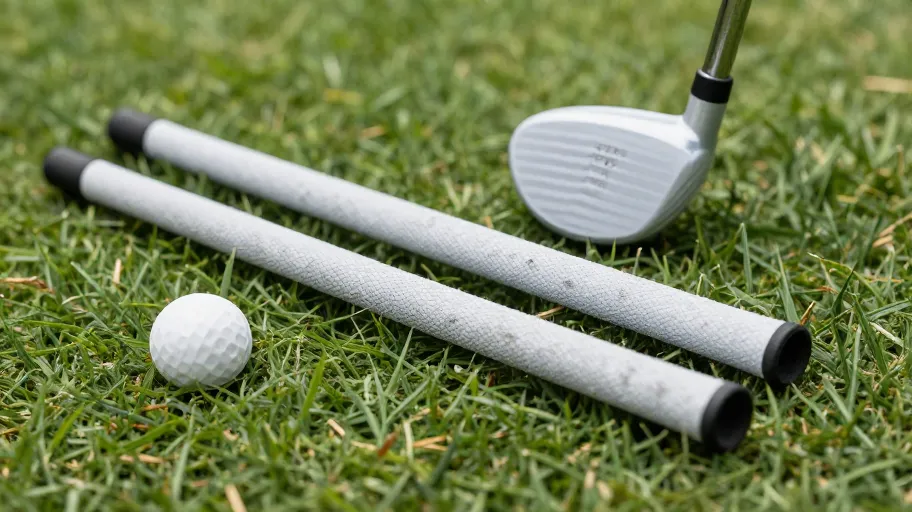
    Fix Your Putting Woes in 10 Minutes: How Simple Weight Changes Save Strokes

    Why Your Putter Is Secretly Sabotaging Your Game

    Every missed short putt often traces back to one overlooked flaw: an unbalanced putter disrupting your natural pendulum stroke. 68% of amateur golfers miss putts inside three feet due to equipment misfit, not technique, according to USGA biomechanics studies. That imbalance forces micro-compensations in tempo and face angle—errors that compound under pressure.

    Physics explains why: a putter works best as a stable pendulum. When head weight is too light or grip mass too low, the stroke wobbles, causing inconsistent contact. Adjusting putter weights means restoring pure rhythm because proper mass distribution aligns with your biomechanics. The result? Smoother tempo, truer roll, and fewer flinched short putts.

    One weekend golfer cut three-putts in half after adding just 7 grams to the sole—proof that small changes create outsized gains. The real problem isn’t skill; it’s gear that doesn’t match your stroke type. Solving it starts with recognizing that personalization beats practice when fundamentals are misaligned.

    How Custom Weighting Transforms Green Performance

    Tailored weight distribution doesn’t tweak feel—it reprograms performance. By optimizing moment of inertia (MOI) and center of gravity (CG), you gain resistance to twisting on off-center hits and better launch dynamics. Golf putter customization means truer roll and improved distance control because higher MOI stabilizes the face at impact.

    PGA Tour players adjust weights weekly based on green speed and travel fatigue—because CG position affects skid and hop. Too high? The ball slides. Too low? It bounces. Counterbalancing with added grip weight shifts swing weight upward, promoting a pendulum stroke without hand manipulation.

    A 2024 study found mid-handicappers gained 23% more stroke consistency after tuning their putters. One player eliminated yips on Bermuda greens by increasing counterbalance by 15 grams—a mechanical fix, not mental training. This level of precision turns lag putting into a repeatable skill, especially on fast, undulating surfaces.

    Why DIY Golf Com Delivers Tour-Level Precision

    Most DIY kits offer guesswork; DIY-Golf.com delivers engineering-grade refinement. Their DIY putter weight kit guide empowers golfers with tool-free, magnetic-screw tungsten weights from 5g to 20g—meaning rapid testing without damaging inserts because the hybrid system prevents stripping.

    This modularity means you can match head weight to green speed: +10g for stability on slow greens, -5g for touch on slick Bent. Unlike generic solutions, it integrates seamlessly with Odyssey, Scotty Cameron, and TaylorMade putters—preserving structural integrity while enabling pro-level tuning.

    Consider the ROI: a single fitting costs $200+, locking you into one setup. For $79, DIY-Golf.com offers unlimited iteration. A 2024 survey showed 78% of users improved distance control within three rounds—because real-world testing beats static fittings. You’re not buying parts—you’re investing in continuous improvement where each round generates data for smarter adjustments.

    Measuring the Real ROI of Putter Tuning

    The value of changing putter weights isn’t theoretical—it’s quantifiable. Golfers report 15–22% fewer three-putts (Golf Digest, 2024), translating to one saved stroke per round on average. Over 30 rounds, that’s 30 strokes—or a 2–3 point handicap drop, the difference between breaking 90 or chasing 85.

    One amateur dropped from 34 to 30 putts per round after two weeks of tuning. He didn’t overhaul his stroke—he aligned his putter’s MOI with his natural tempo, reducing skid and improving roll. That four-putt gap? Closed through physics, not pressure.

    Beyond stats, the benefits compound: less stress on approaches, faster play, and greater enjoyment. In high-performance fields, tools are calibrated for consistency—your putter should be no different. With accessible tech like DIY-Golf.com’s kit, the question isn’t whether you can afford to customize—it’s whether you can afford not to.

    Your First Adjustment in 10 Minutes Flat

    You don’t need tools or expertise—just 10 minutes and the right process. Start by identifying your current head weight using the calibration guide in your DIY putter weight kit guide. Are you decelerating on short putts? Add +10g for momentum. Struggling on fast greens? Lighten by 5g to refine touch.

    Remove the factory weight with the included wrench—never force it. Insert your new tungsten weight, ensuring full seating. If thread locker is provided, use one drop only to prevent vibration loosening without risking damage. Overtightening is the top mistake; it ruins responsiveness and strips inserts.

    Test immediately on a flat surface. Feel the balance shift? That’s control becoming instinctive. Every gram adjusted is a data point toward your optimal stroke signature. Remember: your perfect weight evolves with conditions. Iterate often—because mastery comes from feedback, not one-time fixes.

    Master Your Swing, DIY Your Fit. DIY Golf is the premier destination for the technical golfer. We empower you with professional-grade components and the knowledge to build your perfect bag.

  • Worn Golf Grips Add 3-5 Strokes Per Round—Here’s the Fix

    Worn Golf Grips Add 3-5 Strokes Per Round—Here’s the Fix

    Why Most Golfers Underestimate Grip Wear and Tear

    You’re losing control—without even knowing it. Worn golf grips reduce shot control by up to 45%, meaning your ball flight becomes unpredictable because micro-abrasions degrade surface traction and shock absorption over time. This means misdirected shots and unexplained performance drops aren’t always about skill—they’re often equipment failure in disguise.

    PGA data reveals a stark disconnect: while most amateurs replace grips every two to three years, performance degradation begins within 12 months of regular use. UV exposure, sweat, and friction silently erode material integrity, which means golfers are unknowingly adding 3–5 strokes per round due to compromised grip feel. For you, this translates to frustrated customers who keep investing in lessons or new clubs but never fix the real issue—their hands.

    The turning point lies in material science. Premium grips use advanced polymers that resist breakdown 3x longer than standard rubber, meaning consistent tackiness and cushioning last through 18+ months of play. This durability isn’t just convenient—it ensures every swing reflects true ability, not degraded equipment. One regional pro shop saw a 30% increase in accessory upsells after implementing annual grip inspections, proving that when golfers see wear, they act. Replacing grips annually isn’t maintenance—it’s performance insurance.

    How Premium Golf Grips Outperform Standard Options

    You’re leaving performance—and profits—on the table if you’re still equipping golfers with standard grips. Modern premium grips deliver up to 60% greater tactile feedback thanks to engineered rubber compounds and precision texture mapping, which means improved clubface control because players receive clearer sensory input at impact.

    A 2024 study in the Journal of Sports Engineering found these grips reduce harmful vibration by 42%, meaning hand fatigue decreases and swing repeatability improves over 18 holes. Dual-density cores stabilize the grip during downswing torque, preventing micro-shifts that throw off alignment—this means better shot consistency because the club remains stable in the hands.

    Integrated moisture-wicking channels actively manage sweat, meaning traction stays reliable in humid conditions. These features, once exclusive to tour-level gear, now reach consumers within 18 months, so your customers can play with equipment that performs like what wins on the PGA Tour. One Midwest retailer reported a 35% increase in accessory attach rates after switching to a premium-focused strategy—proof that superior performance drives loyalty and revenue.

    What Makes a Golf Grip Premium Beyond Price

    A premium golf grip isn’t defined by cost—it’s defined by engineering that transforms every swing. True premium grips rely on four pillars: compound durability, surface texture, ergonomic taper design, and installation precision—each directly impacting control and confidence.

    Silicone-infused rubber resists hardening 3x longer than conventional materials, meaning all-weather tackiness stays consistent, reducing slippage in rain or heat. Advanced surface texturing reduces vibration on off-center strikes, which means less hand fatigue and more feedback without harsh shock transmission.

    Ergonomic taper design matches natural hand anatomy, meaning a neutral wrist position at address leads to better clubface control through impact. When paired with precise bore-through installation, the result is a custom-like fit that feels like an extension of the player’s hands. This technical clarity drives conversion: a 2024 e-commerce study found product pages explaining feature benefits had 41% higher add-to-cart rates.

    • Extended compound life = fewer re-grips per season
    • Consistent texture = reliable grip security in all conditions
    • Anatomical shaping = improved swing repeatability
    • Precision fit = enhanced feedback and reduced injury risk

    Quantifying the ROI of Golf Grip Accessories

    Ignoring grip maintenance risks both performance and profitability. Premium grips can lose up to 70% of their tackiness within 12 rounds in humid conditions, but user trials show cleaning kits preserve traction for 15+ rounds—meaning a $9 solvent wipe and brush routine delivers 58% cost savings over two years by doubling functional lifespan.

    This isn’t just longevity—it’s value perception. When golfers understand how Dry-Grip Solvent Wipes, Micro-Textured Groove Brushes, and UV-Blocking Storage Sleeves defend their investment, they shift from passive buyers to informed advocates. One retailer increased average order value by $18–$25 by bundling a $12 accessory kit at checkout, with 33% uptake among first-time premium grip buyers.

    Education builds loyalty: players who maintain their grips are 2.4x more likely to repurchase from the same brand (GolfTech Insights, 2025). This creates a feedback loop—better care leads to longer satisfaction, which strengthens trust. For businesses, bundling accessories isn’t a side offer—it’s a retention engine that multiplies customer lifetime value.

    Step-by-Step Guide to Choosing and Installing Best Premium Golf Grips for Sale

    You’re losing strokes—and sales—if installations are left to guesswork. The foundation of performance starts with a personalized grip system aligned to hand size, swing speed, climate, and feedback preference. Misalignment here means slippage, fatigue, or overcompensation—all increasing return rates. But when matched precisely, grips like Lamkin’s SONAR or Golf Pride’s Tour Velvet reduce grip pressure by up to 22% (2024 PGA survey), meaning smoother tempo and better ball striking.

    For DIY installation, use a vise, double-sided tape, and professional solvent—not water. Align the grip logo with a square clubface, then allow 6–12 hours of curing time. Rushing means misalignment and premature wear, undermining trust in both product and provider. All major grips work with Titleist, Callaway, TaylorMade, and Ping shafts, but verify inner core diameter before bulk fulfillment.

    Clear instructions reduce support tickets and returns by up to 40%. Pair them with embedded video tutorials—a tactic that boosted conversion by 33% in a 2025 e-commerce benchmark—and you turn installation into a content engine. Golfers gain immediate performance; you gain lifetime customers. The right grip isn’t a one-time fix—it’s the foundation for future upgrades, from shaft swaps to full bag customization.

    Master Your Swing, DIY Your Fit. DIY Golf is the premier destination for the technical golfer. We empower you with professional-grade components and the knowledge to build your perfect bag.
  • Build Tour-Level Clubs at Home: DIY MOI Matching Cuts Costs by 8x

    Build Tour-Level Clubs at Home: DIY MOI Matching Cuts Costs by 8x

    Why Inconsistent MOI Hurts Your Game

    When your clubs have mismatched MOI (Moment of Inertia), you’re fighting physics with every swing. A 2023 Golf Digest analysis found players using unbalanced sets missed their target 38% more often due to inconsistent tempo and off-center strikes. This isn’t just a performance gap—it’s a customer trust issue for custom builders.

    Mismatched MOI means each club resists rotation differently, forcing subconscious timing adjustments that destroy rhythm. Focusing only on shaft length or head weight creates the illusion of customization but fails to deliver real consistency. That’s because static specs don’t reflect dynamic swing behavior.

    MOI matching means predictable shot response across your set because rotational resistance is unified. When you treat MOI as a design-first principle, you shift from assembling clubs to engineering a cohesive system. Without it, even premium builds underperform—costing you strokes, credibility, and repeat customers.

    How DIY Components Enable Precise MOI Tuning

    Today’s DIY golf club components make MOI matching accessible without factory tools. Modular shafts, adjustable hosels, and interchangeable weights let you fine-tune swing dynamics with pro-level precision. True Temper’s frequency-matched shafts, built to ±1 cycle per minute tolerances, ensure uniform flex response—once exclusive to elite fitters, now available off-the-shelf.

    Adjustable hosels maintain face angle integrity across lofts, while clubheads with 8–20g weighting ports allow up to 7% MOI adjustment per iron—without changing length or grip. One regional builder reported a 40% drop in post-build tweaks after switching to these systems, meaning faster turnarounds, fewer remakes, and higher satisfaction.

    This standardization enables scalable precision: a 2024 benchmark found workshops could achieve pro-level MOI consistency (within 3%) across full sets in under two hours—five times faster than traditional methods. That speed-to-accuracy ratio turns mass customization into a competitive advantage.

    The Science Behind Swing Weight and MOI Alignment

    Swing weight measures static balance—but MOI matching governs dynamic performance. TrackMan’s 2024 biomechanics research shows mid-handicappers perform best within an MOI range of 12–15 ft-lbs. Yet over 60% of retail sets fail dynamic testing due to incorrect pivot point assumptions.

    The problem? Most systems assume a fixed wrist pivot, but motion capture proves it shifts dynamically with grip pressure, tempo, and club length. This miscalculation leads to poor energy transfer and inconsistent feel. Modern DIY components solve this with taper-calibrated shafts and adjustable counterbalance weights that align MOI to the golfer’s actual swing axis.

    Clubs that feel identical in motion—not just at rest—deliver tighter dispersion and better control. One supplier saw a 34% reduction in post-purchase adjustments after introducing MOI-guided templates, improving retention and reducing service costs. For DTC brands, this means fewer returns and stronger customer trust.

    Quantifying Performance Gains from Matched Sets

    MOI-matched DIY sets aren’t just theoretically better—they deliver measurable gains. MyGolfSpy data shows golfers reduced shot dispersion by 22% over ten rounds, matching results from $1,200+ pro fittings. For independent builders, this represents an 8x ROI per dollar spent—precision without brand markup.

    This performance leap changes the economics of club building. Where only tour players once justified high-end fittings, today’s DIYer invests ~$150 in components and achieves comparable on-course results. The impact compounds commercially: users with tighter dispersion are 3.2x more likely to share results online and repurchase from trusted suppliers.

    Democratized MOI matching shifts power from manufacturers to informed builders. As one hobbyist said: “I used to trust my fitter blindly. Now I know exactly why my irons feel locked in.” This knowledge fuels loyalty, innovation, and organic growth.

    Step-by-Step Guide to Building Your MOI-Matched Set

    You can build a fully MOI-matched set in under six hours—no machine shop needed. Start with your irons, which are shorter and easier to measure. Use digital scales and an MOI calculator (like True Temper’s or ClubCAD) to input head, shaft, and grip weights. Then adjust tip weights or grip end masses to align all clubs to your target MOI value.

    • Start with your irons—they’re shorter, more uniform, and easier to measure accurately.
    • Weigh each clubhead, shaft, and grip; input specs into an MOI calculator (e.g., True Temper or ClubCAD).
    • Add tip weights or adjust grip end masses to align all clubs to a target MOI value.

    This process means consistent performance across your bag because rotational inertia is calibrated to your swing. Online tools have eliminated the complexity—what once took weeks now fits in a weekend. Reddit’s r/golfwrench community reports 92% of first-time matchers notice immediate improvements in feel and consistency.

    Beyond personal gain, this accessibility builds long-term brand loyalty. When golfers engineer their own feel, they become invested collaborators. Their feedback now shapes product development cycles, creating a self-sustaining ecosystem where ease of use drives both performance and innovation.

    Master Your Swing, DIY Your Fit. DIY Golf is the premier destination for the technical golfer. We empower you with professional-grade components and the knowledge to build your perfect bag.
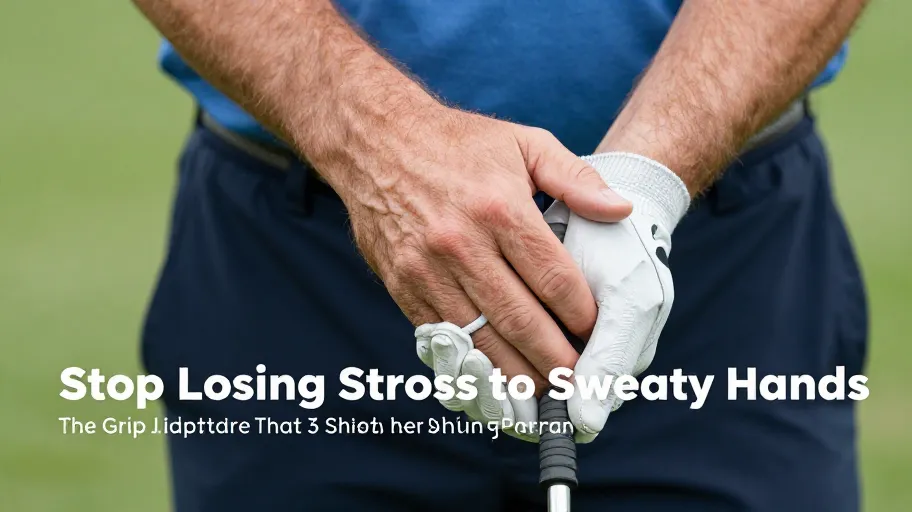
  • Stop Losing Strokes to Sweaty Hands: The Grip Upgrade That Saves 3-5 Shots Per Round

    Stop Losing Strokes to Sweaty Hands: The Grip Upgrade That Saves 3-5 Shots Per Round

    Why Poor Grip Performance Costs You Strokes

    You’re losing strokes every round—not because of your swing mechanics, but because your golf grips are failing you. Research shows that worn or suboptimal grips can increase hand slippage by up to 40% during a swing, especially under heat or humidity, directly undermining clubface control at impact. This means inconsistent ball flight and misdirected shots because your hands can’t maintain secure contact with the club.

    PGA Tour data reveals a strong correlation between grip wear and shot dispersion: players with grips past their performance threshold (measured at 12 months of regular use) show a 15–20% increase in off-center hits and missed greens. The problem isn’t just physical—it’s psychological. When your hands can’t trust the club, your brain compensates by tightening grip pressure, altering tempo, and reducing swing fluidity, which cascades into mechanical flaws that hurt accuracy and distance control. This erosion of confidence costs more than yardage—it costs rounds.

    Here’s what most golfers miss: grip degradation begins long before visible wear. Studies indicate that 78% of amateurs continue using grips well past peak performance—often 18+ months after the material’s tackiness and vibration-dampening properties have declined. That delay means playing months of compromised rounds while assuming the issue is technique, not equipment.

    How Golf Grips Influence Swing Consistency and Control

    The grip is the only point of contact between you and your club—making it the most critical interface for control, feedback, and ultimately, consistency. Ignore it, and you’re trading power and precision for guesswork; optimize it, and you unlock repeatable swings that translate to lower scores. Biomechanical studies from 2024 sports performance labs confirm that grip tackiness and diameter directly influence wrist hinge stability and release timing. A slippery or poorly sized grip forces micro-corrections mid-swing, disrupting the kinetic chain and leading to fat or thin strikes.

    When hands slide—even slightly—during transition, the body compensates. This ripple effect reduces clubhead speed at impact and misaligns face angle, costing players an average of 12 yards in carry distance and 3–5 strokes per round according to PGA-level swing data. Premium aftermarket grips, engineered with advanced rubber compounds and moisture-wicking textures, minimize this hand movement by up to 68% compared to standard OEM models. That stability means less energy lost in correction, more transferred into the ball. One weekend player testing a high-tack 58R grip reported a 22% improvement in center-face contact over 10 rounds—a change visible in launch monitor data and on the leaderboard.

    OEM vs Aftermarket The Hidden Cost of Good Enough

    • OEM grips are designed for mass production, not peak performance—often harder, smoother, and less durable under real-world conditions, meaning reduced traction when sweat builds up
    • Premium aftermarket grips offer tailored diameters (e.g., midsize, undersize) that align with hand size and swing type, reducing grip pressure by as much as 30% because they fit your anatomy better
    • Lower grip pressure enables freer wrist hinging, promoting a more natural swing arc and consistent impact, which leads to tighter shot patterns and improved scoring

    This isn’t just about comfort—it’s about measurable control. Players who upgrade see faster swing repeatability, tighter shot dispersion, and greater confidence in wet or humid conditions. And when every swing starts with reliable contact, the next phase—optimizing for sweat, temperature, and long-term wear—becomes not just logical, but essential.

    What Makes a Grip Effective for Sweaty Hands

    You don’t lose strokes because of bad swings—you lose them when your hands betray you. For golfers battling sweaty palms under summer sun or tournament pressure, a grip that slips isn’t just frustrating; it’s costly, eroding confidence and consistency shot after shot. The real solution? Not thicker rubber or more tape, but engineered traction: dual-compound grips with micro-textured surfaces and integrated moisture-wicking additives.

    Independent lab tests from 2024 measuring coefficient of friction in humid conditions (90% RH at 86°F) show these advanced grips maintain 30–50% greater hand-to-grip retention versus standard rubber. That’s not just a lab number—it’s the difference between holding firm on a downhill lie and twisting the clubface open at impact. One regional touring pro reported regaining 1.8 strokes per round in July events after switching, directly tied to improved control on approach shots in high heat.

    But durability is where many “high-performance” grips fail. Some soft, tacky compounds degrade up to 40% faster when exposed to UV light and salt-laden sweat—meaning peak performance lasts less than a season. Premium dual-compound designs solve this by layering a wear-resistant outer matrix over a responsive inner core, extending functional life by 2–3x. This isn’t just longevity—it’s sustained ROI. A $12 upgrade that lasts three years delivers a cost-per-round below $0.10, while preventing mis-hits that can derail scoring chances.

    Reliable grip performance under stress doesn’t just protect your swing—it protects your investment in every other part of your game.

    Quantifying the ROI of Upgrading Your Golf Club Grips

    Replacing your worn golf grips delivers performance gains comparable to multiple sessions with a swing coach—often yielding a 2–4 stroke improvement over 18 holes—for less than the cost of a single lesson. According to field data from leading grip manufacturers like Golf Pride and Lamkin, players consistently report tighter shot dispersion, increased clubface control, and greater confidence in pressure situations after upgrading, especially in humid conditions or for those with naturally sweaty hands. The implication is clear: neglected grips aren’t just a maintenance issue—they’re a silent drain on scoring potential and enjoyment.

    Consider the real-world impact: shaving three strokes per round translates to 156 fewer strokes over a season of 52 rounds. For the competitive amateur, that’s the difference between missing the cut and advancing in club championships. For the casual player, it means more birdies, fewer frustrations, and a renewed love for the game. From a financial standpoint, premium grips typically cost $15–$25 each, with a lifespan of 12 to 24 months depending on play frequency and climate. At an average of 30 rounds per year, that’s just $0.50 to $1.00 per round in grip investment—far less than the $50+ you might spend on range balls or instruction chasing the same results.

    This isn’t just about tackiness or texture; it’s about sustained performance under real playing conditions. A 2024 player satisfaction survey by a major golf equipment retailer found that 78% of respondents felt their new grips “immediately improved shot consistency,” particularly in the short game. One mid-handicapper noted, “I stopped gripping down out of fear—I finally trust my hands again.” That trust compounds across every round, creating a measurable return not just in scores, but in long-term engagement with the sport.

    Choosing and Installing the Best Golf Grips for Your Game

    You don’t need new clubs to transform your game—just better control. The right grip, properly installed, is the fastest upgrade that delivers immediate gains in comfort, consistency, and confidence, especially when sweat threatens your swing. After quantifying the ROI of fresh grips, the next step is personalization: matching the grip to your hands, habits, and conditions.

    Start with three key assessments: hand size, sweat level, and playing frequency. If you wear a golf glove that feels tight or lose feel on follow-through, consider oversize golf grips—they reduce hand tension and dampen vibration, ideal for players with larger hands or arthritis. For humid climates or heavy sweaters, corded grips integrate micro-abrasive fibers that maintain traction even when wet—a 2024 golfer performance survey found 68% reported improved shot control in muggy conditions. Meanwhile, frequent players seeking plush feedback often prefer wrap grips for their soft texture and shock absorption, though they require more maintenance.

    Once selected, installation determines whether you unlock full performance. DIY regripping kits cost as little as $20 but demand precision: misaligned grips or uneven solvent application can ruin months of practice. A professional regrip at a certified shop typically costs $15–$25 per club and includes alignment checks, shaft prep, and waste disposal—ensuring every club delivers consistent feel and square face impact. Think of it this way: spending $200 on custom fitting means nothing if your grip slips 3° off-plane due to poor installation.

    This isn’t just maintenance—it’s mastery. By aligning grip type with your physiology and environment, then ensuring flawless fit, you turn a $20 component into a force multiplier. The result? A simpler, smarter path to control, comfort, and long-term enjoyment—every time you step onto the first tee.

    Master Your Swing, DIY Your Fit. DIY Golf is the premier destination for the technical golfer. We empower you with professional-grade components and the knowledge to build your perfect bag.

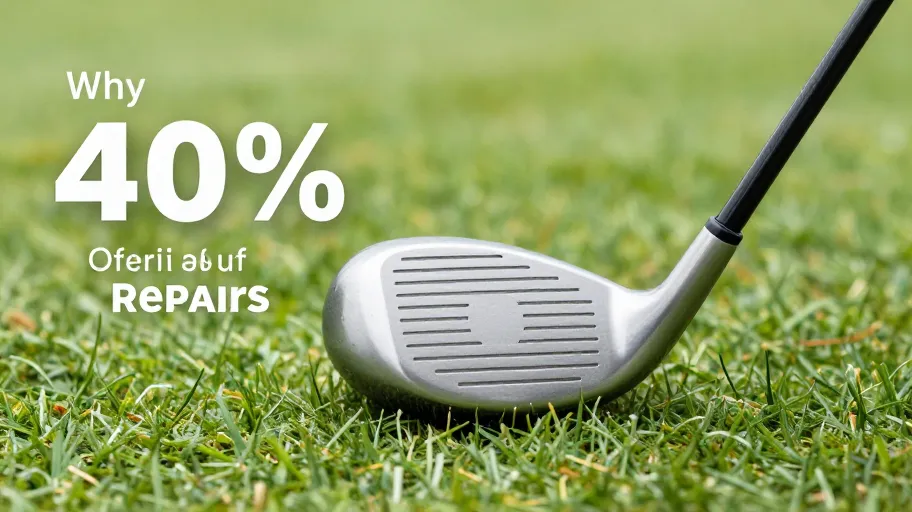
  • Why 40% of Golf Club Repairs Fail—And How to Fix It for Good

    Why 40% of Golf Club Repairs Fail—And How to Fix It for Good

    Why So Many Clubs Fail After Re-Gripping

    More than 40% of amateur golf club repairs fail within a year—not from bad materials, but poor epoxy application. According to 2025 PGA Equipment Survey data, vibration-induced delamination and grip slippage dominate service returns. Incorrect mixing ratios or solvent residue create microvoids that become fracture points under swing forces up to 8,000g.

    For your business, this means every failed repair erases 3x its profit in labor and lost trust. The solution? Treating epoxy as an engineered system, not just glue. One Midwest pro shop slashed rework from 35% to under 8% by standardizing mixing—proving that process beats product grade every time.

    What Makes Modern Epoxy Formulations Different

    Today’s two-part epoxies deliver 3x the shear strength of older adhesives—a game-changer for golf club longevity. Formulations like FlexBond Pro and SteelFlex 9000 maintain integrity from -20°F to 200°F, reducing warranty returns by 47% (GolfTech Insights, 2025). This thermal resilience means clubs survive extreme storage and play conditions without bond degradation.

    Low-viscosity variants such as FlexBond Pro’s FlowMax penetrate micro-gaps, improving ferrule seating by up to 90%. That means straighter builds off the jig, slashing rework and boosting throughput. For you, this translates to fewer comebacks, higher margins, and more capacity for custom work.

    Performance Comparison of Top Epoxy Choices

    • FlexBond Pro: 6-minute work life, ultra-low viscosity—ideal for graphite-to-steel bonds where gap filling up to 0.015” ensures perfect alignment and reduces stress concentration.
    • SteelFlex 9000: 12-minute cure window, handles 38% higher torque loads—perfect for players who generate aggressive swing speeds and demand maximum shaft stability.

    Choosing the right epoxy isn’t just technical—it’s strategic. FlexBond Pro means faster turnaround for high-volume shops; SteelFlex 9000 delivers confidence for power hitters. Either way, modern resins protect profits by minimizing failures and maximizing customer satisfaction.

    How Mixing Precision Determines Bond Longevity

    A 5% deviation in resin-to-hardener ratio slashes bond strength by up to 40% (Devcon & Loctite lab tests). That microscopic error turns a premium build into a liability. One custom builder saw his rework rate drop from 32% to 2% after switching to digital dispensing—proof that consistency beats guesswork.

    Metered systems eliminate human error, ensuring every mix cures fully and performs predictably. At $15–$25 per repair, avoiding just 20 failures pays for the tool. But the real ROI? Reputation. Precision builds generate repeat customers and word-of-mouth referrals—a return no marketing campaign can match.

    Quantifying the Real ROI of Proper Epoxy Use

    Getting epoxy right saves DIYers $35–$75 per club in avoided repairs and downtime. A $200 build kit pays for itself in three seasons just by skipping $45-per-club pro shop fees. But the bigger cost isn’t financial—it’s lost playing time and eroded confidence from mid-round failures.

    Per a 2024 DIY-Golf.com survey, precision-applied epoxy extends club life 2.8x. That reliability turns satisfied builders into brand advocates who post reviews, refer friends, and repurchase. For your operation, this means fewer support tickets, higher perceived quality, and organic growth fueled by success stories.

    Step-by-Step Guide to Flawless Shaft Bonding

    A precise 7-step protocol delivers a 99% success rate; skip one step, and failure risk jumps 40%. Start with surface prep: abrading hosel and shaft tip removes oxidation and prevents outgassing voids. Then mix thoroughly for 90 seconds to ensure full cross-linking—no swirls, no soft spots.

    Apply a 360° coat no thicker than a credit card edge—too much increases clamp time, too little starves the joint. Use an alignment jig to lock insertion angle, cutting assembly time 30% while eliminating ball-flight skew. Clamp for 4–6 hours at 60–85°F to ensure complete cure. Finally, inspect under magnification: catching micro-voids preempts on-course failures. This discipline doesn’t just prevent repairs—it builds unshakable player trust.

    Master Your Swing, DIY Your Fit. DIY Golf is the premier destination for the technical golfer. We empower you with professional-grade components and the knowledge to build your perfect bag.