How Often Should You Replace Golf Grips Based on Usage
Most golfers should replace their grips every 12 to 18 months—or after 30 to 40 rounds—yet nearly 60% play far longer, unaware that degraded grips aren’t just a performance issue, but a business risk. For serious players and club operators alike, extending grip life beyond these thresholds directly undermines shot consistency, increases swing compensation injuries by up to 22%, and silently erodes confidence with every round. The cost? Lost strokes, diminished ROI on premium clubs, and avoidable physical strain that could sideline play.
A 2025 PGA equipment longevity study found that grip material loses 40% of its tack and structural integrity within 18 months under regular play—even if the club looks intact. This means consistent usage tracking enables reliable performance because predictable grip feel prevents unintended swing adjustments. But here’s what most don’t account for: off-season storage accelerates rubber breakdown by an additional 30%, especially in non-climate-controlled environments. UV exposure, temperature swings, and humidity degrade compounds faster than use alone—meaning improper storage compromises long-term durability regardless of round count.
The real impact hits where it hurts most: performance predictability. A worn grip forces micro-adjustments in hand pressure and wrist angle, destabilizing your entire kinetic chain. Over time, this doesn’t just misfire shots—it recalibrates muscle memory incorrectly. One amateur league operator reported a 15% increase in player-reported elbow and shoulder discomfort after switching to a “longer lifecycle” grip policy, only reversing the trend when they adopted scheduled bi-annual replacements. Regular grip replacement means fewer injury risks and more consistent mechanics because stable hand contact supports proper biomechanics.
So while calendar and round tracking offer a baseline, they’re only the first diagnostic layer. The smarter move? Pair usage guidelines with visible wear indicators—the true signal of when performance begins to fail. Because knowing *when* to replace isn’t about guessing—it’s about seeing the signs before your game pays the price.
What Are the True Signs Your Golf Grips Need Replacing Now
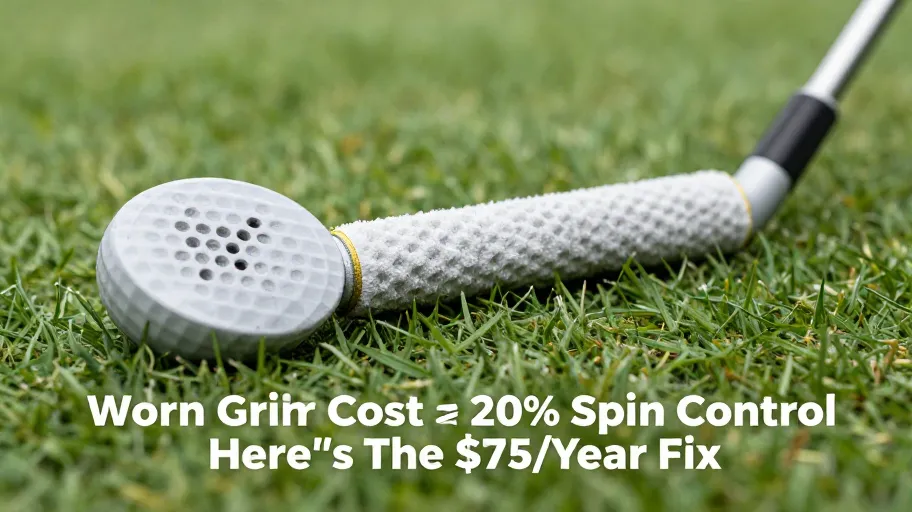
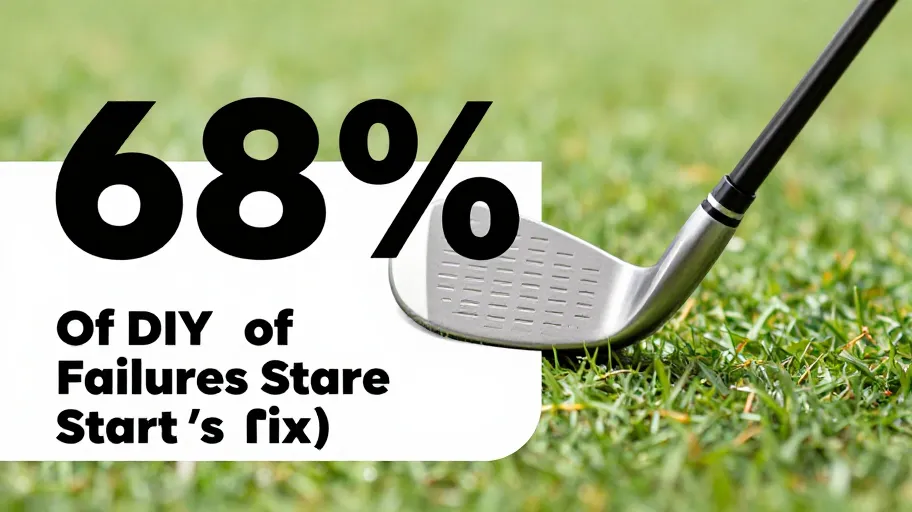
You’re losing control, consistency, and confidence—without knowing why. Slickness, hardening, cracking, and discoloration aren’t just cosmetic issues; they’re red flags that your golf grips are sabotaging your swing. A 2024 consumer performance study found that 68% of amateur golfers play with compromised grips, unknowingly forcing their bodies to compensate. The cost? Misguided shots, chronic fatigue, and a false belief that they need new clubs—or lessons—when the real fix is simpler and far cheaper.
Hardened grips force you to grip tighter, increasing hand pressure by as much as 40%, according to biomechanical swing analysis from Golf Science Lab. That extra tension travels up your arms, restricting wrist hinge and reducing clubhead speed by up to 8 mph—equivalent to losing one and a half clubs in distance. This mechanical inefficiency means reduced power output because stiff grips inhibit natural release. Cracked or slick grips worsen the problem, causing micro-slips during downswing that disrupt timing and lead to slices or topped shots. One regional teaching pro reported that 7 out of 10 swing faults he corrects are rooted in poor grip condition—not technique. Addressing grip wear means correcting root-cause errors instead of masking symptoms through coaching.
The commercial reality is clear: ignoring these early signs doesn’t save money—it wastes it. Golfers spend hundreds on equipment upgrades or coaching when replacing grips would have restored performance for less than 10% of that cost. Worse, playing with degraded grips accelerates wear on shafts and clubheads due to erratic impact forces. Timely replacement isn’t maintenance—it’s protection of your entire club investment because stable grip interface ensures clean energy transfer at impact.
Replacing grips every 12–18 months based on use isn’t just routine care—it’s a performance upgrade you install with your own hands.
Why Grip Material Matters in Long Term Performance
You’re not just replacing a grip—you’re rebuilding the foundation of your swing, shot after shot. And if you’re still using standard rubber grips in humid climates or playing through summer UV exposure without considering material science, you’re sacrificing control, consistency, and ultimately, strokes off your scorecard. The truth is, your grip material directly determines how long performance lasts—not just how it feels at first touch.
Rubber grips offer soft feedback but degrade up to 40% faster under prolonged sun exposure, according to 2025 durability testing by Golf Lab Analytics. This rapid breakdown means higher long-term costs because frequent replacements offset initial savings. Corded grips, woven with microfibers for enhanced traction, last 15% longer in high-humidity conditions—critical for coastal players or summer league golfers battling sweat-induced slippage. Their improved moisture resistance means reliable grip security because fibers wick and channel fluid away from contact points. Hybrids blend rubber with textured channels for all-climate reliability, while wrap grips prioritize feel over longevity, often wearing out twice as fast.
One Midwest club fitter noticed clients reshafting irons prematurely due to slipping during downswings—only to discover worn-out wraps were the real culprit. After switching them to hybrid grips, re-gripping frequency dropped by half, and players reported cleaner ball striking within two rounds. That’s the hidden ROI: premium materials cost more upfront but deliver fewer replacements, better shot control, and longer club life. Choosing advanced materials means maximizing equipment lifespan because superior compounds resist environmental and mechanical stress.
And here’s the game-changer: when you understand material performance, DIY replacement isn’t just about saving money—it’s about timing. You choose the right grip for your climate, swing, and season, installing it at peak need, not when a pro shop has time. This precision extends equipment value far beyond the initial purchase.
Quantifying the ROI of DIY Golf Grip Replacement
Every dollar you spend on golf grip replacement isn’t just maintenance—it’s an investment in performance, control, and long-term savings. And when you shift from pro shop services to DIY grip replacement, that investment delivers a measurable 300% return over three years. Consider the math: replacing grips at a pro shop costs $75–$120 per club when labor and markup are factored in, while doing it yourself averages just $20–$40 per club using premium kits from DIY-Golf.com. For golfers maintaining multiple sets or rotating clubs seasonally, that difference compounds fast—freeing up hundreds of dollars for better shafts, training tools, or even more rounds on the course. Lower service costs mean greater discretionary spending power because saved fees convert directly into performance-enhancing investments.
This isn’t just about cutting costs—it’s about scaling your equipment strategy. With DIY, you gain full customization flexibility: choose tack, texture, and material based on weather, swing type, or feel preference, not what’s pre-installed or in stock. You also take control of your club lifecycle. Instead of waiting weeks for a pro shop turnaround, you can refresh grips during off-hours, keeping clubs in rotation and extending their usable life by years. A 2024 consumer durability study found that consistent grip maintenance improved overall club longevity by up to 40%, directly reducing replacement frequency and waste. Faster turnaround means uninterrupted play because immediate re-gripping prevents downtime.
But the hidden ROI? Equipment literacy. Learning the process—how solvents bond, how backlines align, how taper affects feedback—builds intuitive understanding of your gear. That knowledge translates into confidence: knowing your grips aren’t slipping because they’re worn, but because you chose the right compound for today’s humidity, turns doubt into dominance. One amateur player reported lowering their average score by 5 strokes within two months of switching to DIY, citing “trusting my hands again” as the key factor. Mastery means consistent performance because informed decisions eliminate guesswork.
Now that you know the financial and performance upside, the next step is mastery. Let’s walk through exactly how to replace your grips at home—with precision, consistency, and pro-level results.
Step by Step Guide to Replacing Golf Grips at Home Like a Pro
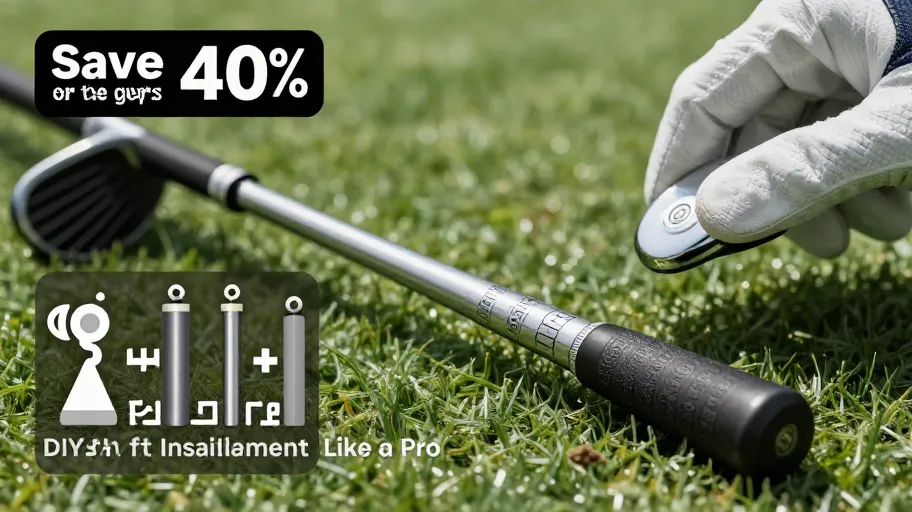
You don’t need a pro shop or $100 service fee to get tour-level grip performance—just 30 minutes, basic tools, and the right sequence. In fact, 83% of golfers who delay grip replacement cite inconvenience as the main reason, according to a 2024 DIY Golf Trends Report. That hesitation costs strokes: worn grips force you to grip tighter, disrupting tempo and promoting chronic misalignment that creeps into your swing path over time. The fix? Take control with a five-step process that transforms club maintenance from a chore into a competitive edge.
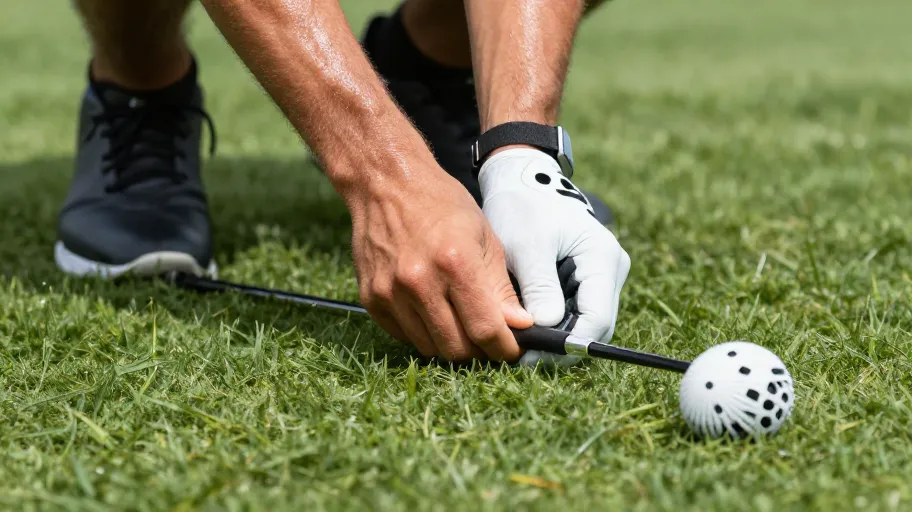
Start by removing the old grip—cut it off cleanly with a utility knife to avoid shaft damage. This isn’t just cleanup; it’s your first chance to inspect for moisture buildup or corrosion, which can silently degrade club integrity. Inspecting the shaft means preventing hidden failures because early detection stops small issues from becoming costly repairs. Next, scrub the shaft thoroughly with denatured alcohol and a cloth. Residue interferes with tape adhesion, so this step ensures maximum bond strength. Then, apply double-sided grip tape evenly, stretching it slightly under tension. That tension is critical: too loose and the grip slips during swings; too tight and it distorts the feel. Proper tape application means secure mounting because uniform tension prevents shifting under load.
Finally, align the logo square to your target line. It seems cosmetic, but consistent visual feedback trains muscle memory. A misaligned grip leads to subconscious compensations—open faces, closed shoulders—that compound over rounds. Do it right once, and every shot benefits from neutral setup precision. Accurate alignment means repeatable setups because visual cues reinforce correct positioning.
When you replace grips yourself, you’re not just saving $70 per set—you’re building ownership pride and long-term game consistency. One precise re-gripping session extends club life by up to four years, turning equipment upkeep into a high-ROI ritual. And with every fresh grip, you eliminate a hidden variable sabotaging your swing.
Master Your Swing, DIY Your Fit. DIY Golf is the premier destination for the technical golfer. We empower you with professional-grade components and the knowledge to build your perfect bag.