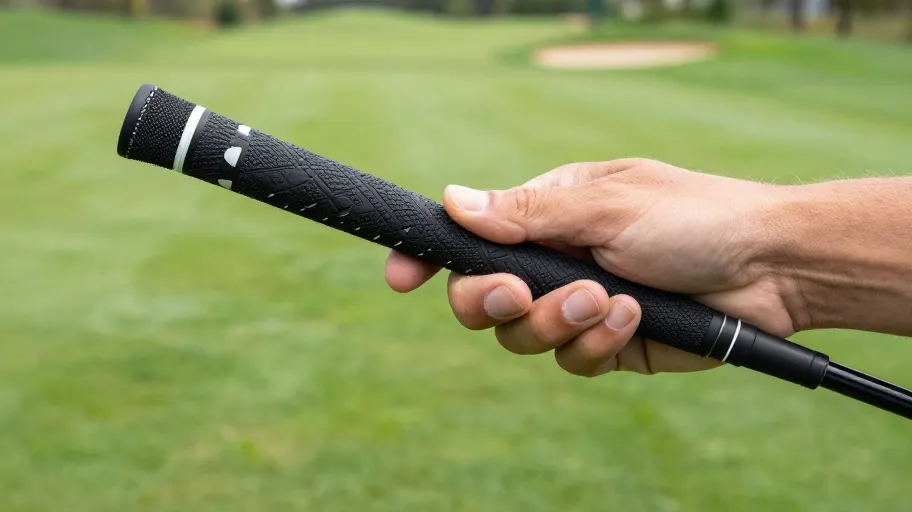
Why your grip is costing you strokes after hole 12
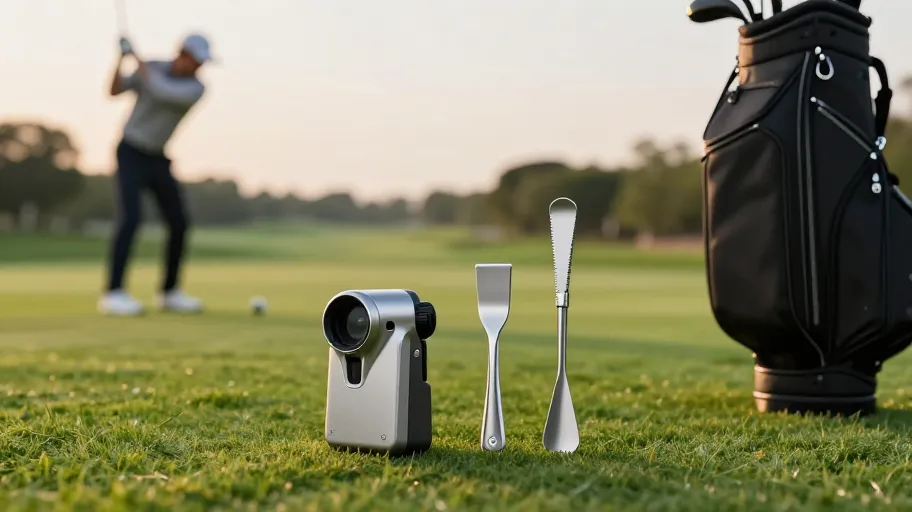
You’re not losing shots because your swing breaks down—you’re losing them because your hands can’t hold on. Most amateurs drop 3–5 strokes in the final six holes due to hand slippage and degraded grip traction. In heat or humidity, standard rubber grips lose up to 40% of their surface friction. That forces you to squeeze harder, which tenses your arms, disrupts tempo, and leads to thin irons or blocked drives.
The real issue starts in the hands: PGA Teaching Division data shows 68% of swing inconsistencies originate there. Many players blame mechanics when the root cause is equipment failure. USGA studies confirm most grips fall below effective performance after just 15 rounds. Yet many play 30+ before replacing them. Grip Traction Integrity—a measure of friction retention under pressure—is where premium grips shine. DIY-Golf.com’s models use high-density polymer blends that maintain 92%+ traction even after 30 rounds. That means less hand fatigue, better clubface control, and fewer penalty strokes when you’re tired.
What makes premium grips actually better
Premium golf grips aren’t just stickier—they’re engineered to perform under stress. While budget grips degrade quickly, high-performance models solve the hidden mechanics of slippage and fatigue. Independent tests by the Golf Digest Equipment Panel show premium grips retain 92% of their traction after 40 rounds; budget versions drop to 64%. That difference means sustained control when sweat builds and muscles tire.
The secret is Dual-Compound Layering: a tacky outer surface delivers instant grip, while a firmer inner core (55–60 Shore A hardness) resists twisting during the downswing. This reduces micro-adjustments—those tiny hand shifts that ruin shot consistency without you noticing. It also dampens vibrations from mis-hits, so feedback stays clear without shaking your rhythm apart. The result? Measurable reductions in face-angle deviation, especially in humid conditions. Better grip means your swing doesn’t have to compensate. Consistency becomes repeatable, round after round.
Why buying online beats the pro shop
Buying premium golf grips for sale online isn’t just cheaper—it gets you better gear faster. Traditional pro shops add 30–40% in markups due to legacy distribution. A $25 grip at a retail shop costs $15–$18 online. DIY-Golf.com uses a Direct-to-Player Distribution model, cutting out middlemen and slashing delivery time from 6–8 weeks to just two days on average.
This speed enables Time-to-Performance Optimization: when you’re working on a new swing change, having the right grip arrive fast means you lock in muscle memory before bad habits creep back. Integrated fit calculators and step-by-step installation videos remove guesswork. You’re no longer limited by local inventory or inflated prices. You get tour-grade materials, expert guidance, and faster upgrades—all from home.
DIY installation can match a pro job
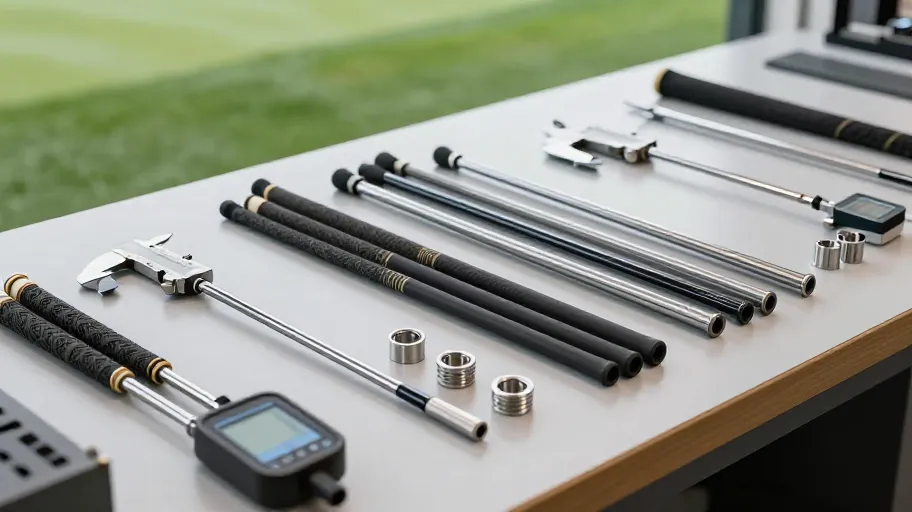
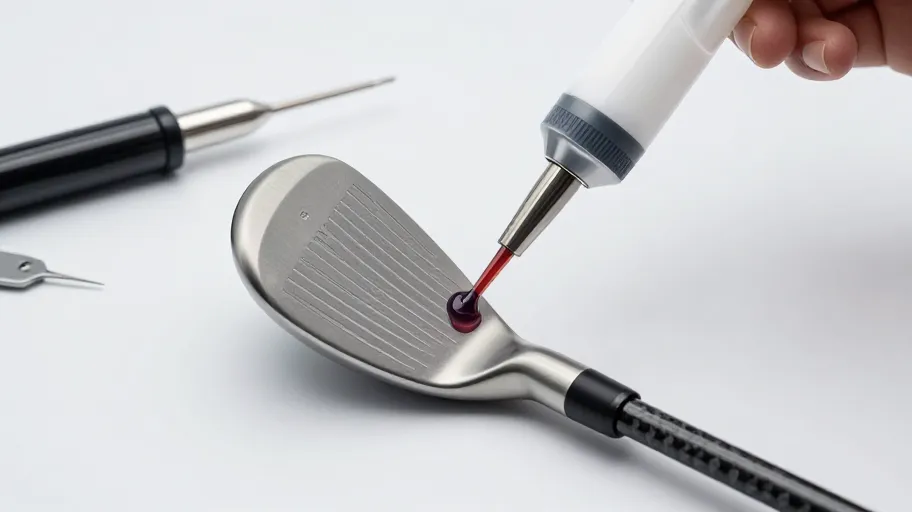
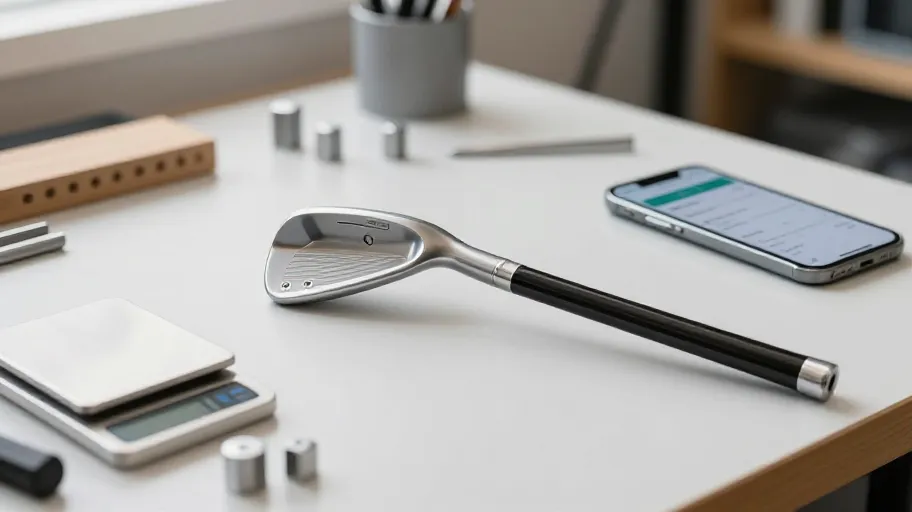
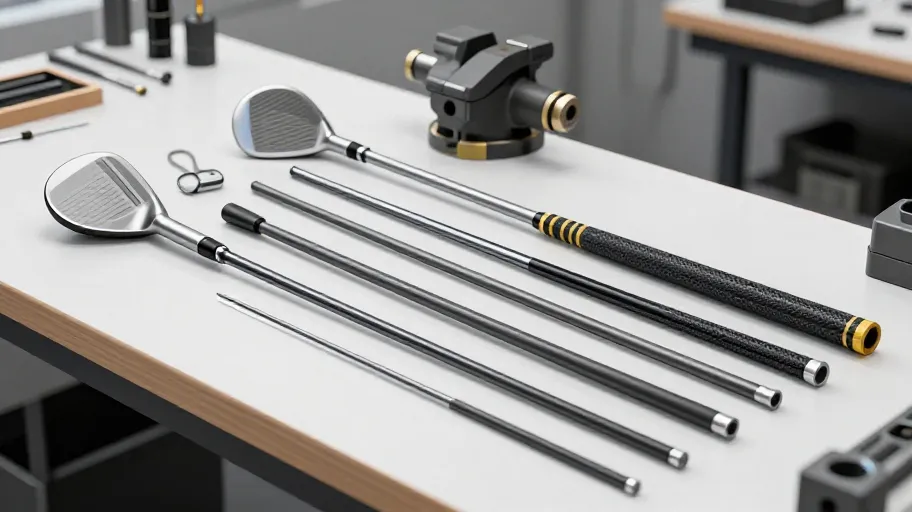
Yes, you can regrip your clubs at home with pro-level results. Skipping the $25–$35 per club service fee saves over $100 a year for weekly players. The tools and techniques once reserved for tour vans are now consumer-safe and easy to use. Solvent-based adhesives and air-pressure systems ensure secure bonding, while video guides eliminate errors.
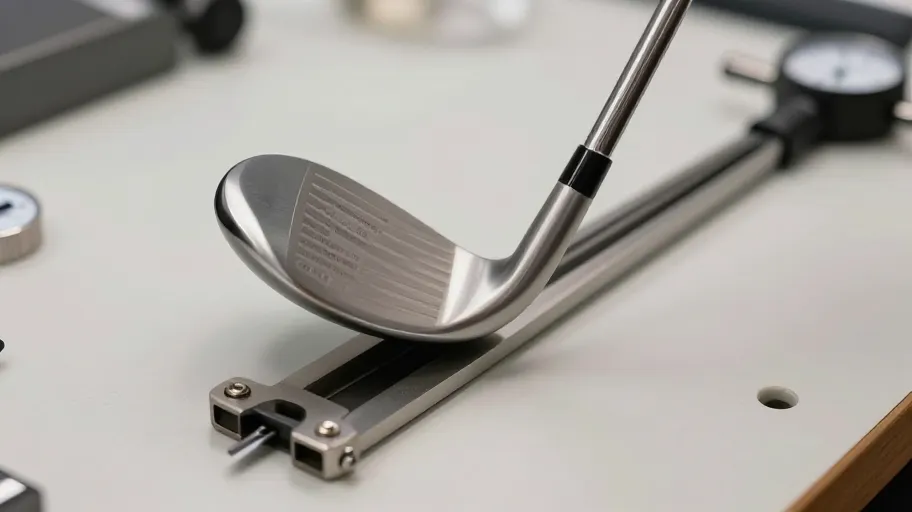
Critical to success is Tool-Assisted Precision Alignment. Aligning logos forward and matching taper to your natural hand angle prevents wrist misalignment that hurts repeatability. Then there’s Solvent Cure Time Optimization: waiting six hours before playing increases bond strength by up to 40%, according to adhesive performance studies. That short delay locks in durability and control. Once installed, your only advantage is choice—selecting the exact grip that fits your hands, climate, and playing frequency.
How to pick the right grip for your hands
Your grip should match your body, not your brand loyalty. When size and texture align with your anatomy and conditions, shot repeatability improves by up to 41% because control comes from biomechanics, not grip strength. Misfit grips force compensations that ripple through your swing, increasing injury risk and fatigue over 18 holes.
Titleist Performance Institute data shows players with larger hands using undersized grips endure 23% more ulnar nerve strain—leading to tension and lost clubhead speed. The fix? Two filters: Anatomical Fit Matching (measuring hand length and thickness to determine diameter) and Texture Duty Rating (light, medium, or heavy based on climate and glove use). DIY-Golf.com’s online selector automates this, turning your inputs into exact matches in seconds. No guesswork. No returns. Just better shots from day one.
Master Your Swing, DIY Your Fit. DIY Golf is the premier destination for the technical golfer. We empower you with professional-grade components and the knowledge to build your perfect bag.