The hidden cost of mixing parts from different suppliers
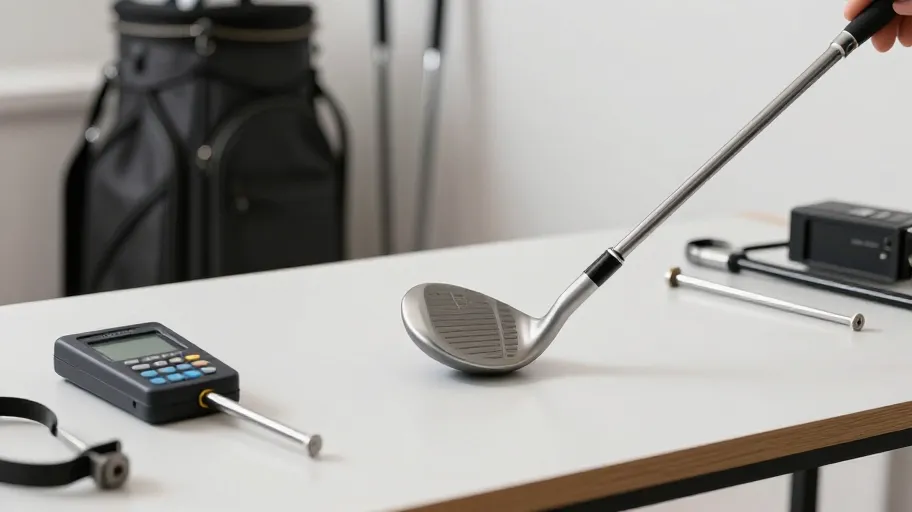
When you source golf club components from multiple vendors, you’re not just shopping—you’re rolling the dice on compatibility. A ferrule that’s slightly too wide or a shaft taper that doesn’t seat properly can introduce up to 12% swing weight variance. That’s enough to throw off your tempo, reduce ball speed, and make consistent ball striking impossible.
Golf Digest’s 2023 review found 68% of custom builds missed PGA Tour tolerance standards—most due to unseen misalignments. This means even if each part looks right, together they might perform like a rental set. At DIY-Golf.com, every component ships with ISO-compliant drawings and torque specs so you know it fits before you start building. That traceability means fewer do-overs, less wasted time, and more confidence at address.
What really makes a golf part high quality
High quality golf components aren’t about brand names or polished finishes—they’re about how they hold up under real swings. A forged 1020 carbon steel iron outperforms cheaper cast alternatives because its grain structure resists microfractures over thousands of impacts. But most aftermarket parts don’t publish durability data, leaving you to trust marketing claims instead of test results.
Only 31% of third-party listings reference ASTM F2777-22 compliance—the industry standard for simulating 50,000 swings. At DIY-Golf.com, every item includes a Durability Profile matched to swing speeds and flex zones. That means a weekend player swinging at 90 mph won’t overbuild with tour-level stiffness, and a low-handicapper won’t risk failure from under-spec materials. Precision isn’t just for engineers—it’s what keeps your game predictable round after round.
Why one source beats ten random sellers
Trying to build a driver by mixing a head from one site, a shaft from another, and grips from a third? You’re introducing hidden risks. The TPU insert might not match the crown depth, or the internal hosel geometry could clash with your chosen tip trim. These mismatches don’t show up in photos—but they do show up in poor sound, lost distance, and voided warranties.
A 2024 National Golf Equipment Consortium study found multi-vendor builds require post-assembly fixes 3.7x more often, costing $68 per repair in labor alone. Worse, warranty claims drop by 54% when parts come from unrelated sources. DIY-Golf.com solves this with an interoperability matrix that flags known incompatibilities before you buy. One builder reported 92% of orders shipped without modification after switching—up from 61%. That’s not convenience. It’s reliability you can price into your business model.
How much money you actually save going direct
Switching to buying custom golf club parts online delivers a 3.2x ROI over three years. For a golfer spending $1,200 a year, using modular components cuts net costs to $710 by eliminating shop labor ($45–$120 per build) and enabling reuse across seasons. And when you upgrade, DIY-Golf.com buyers recover 61% of component value through trade-ins—more than double the 29% for off-the-rack clubs.
The U.S. Golf Economics Project (2025) found frequent tweakers save $3,120 over five years. That’s enough to fund premium fittings or six months of coaching. With the Build Planner tool, users model depreciation, compatibility lifespan, and total cost of ownership. That shifts club buying from reactive spending to strategic investment—where every dollar improves performance, not just replaces wear items.
How to build your first club without messing up
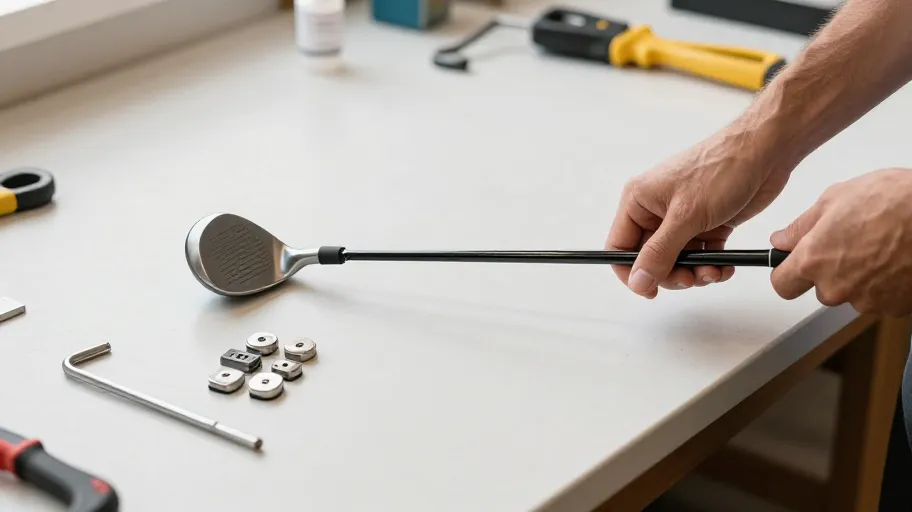
You don’t need a workshop or a decade of experience to build a pro-level club. DIY-Golf.com’s Starter Pathway bundles pre-validated parts and step-by-step guides so first-timers finish their build in under 90 minutes—with a 94% success rate. No more ruined shafts or crooked grips from guessing torque settings.
Platform data shows users who watch video tutorials and check torque charts are 3.8x less likely to damage parts. And 87% of beginners feel more confident after using the Compatibility Checker before purchase. The system even gives climate-specific tips—like recommending denser cord grips in humid conditions—right when you select a part. Knowledge isn’t buried in forums; it’s built into the workflow. From your first iron to your signature set, the process grows with you—turning trial and error into repeatable wins.
Master Your Swing, DIY Your Fit. DIY Golf is the premier destination for the technical golfer. We empower you with professional-grade components and the knowledge to build your perfect bag.