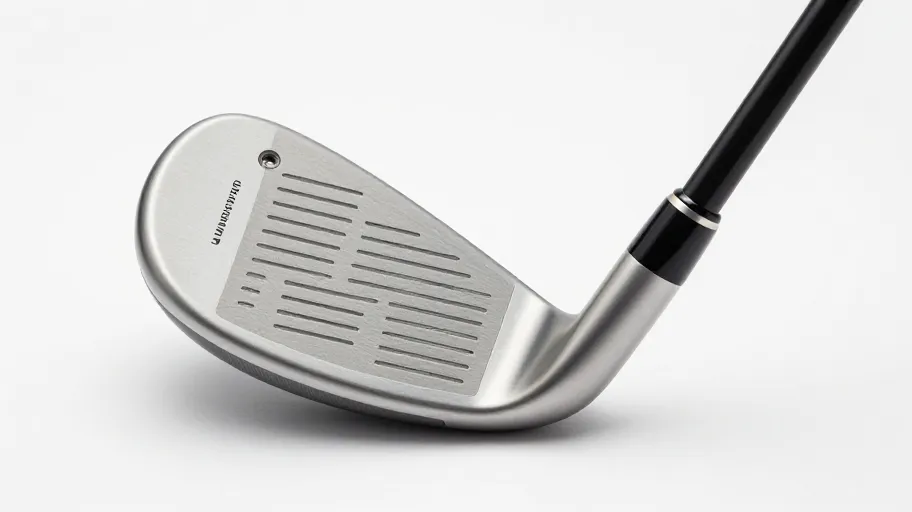
The Hidden Flaw in Most Custom Builds
Many golfers think they’re getting custom clubs when they’re really just swapping grips on mass-produced heads and shafts. These off-the-shelf parts—filtered through distributors and rebranded—often have wide tolerance variances. A 2024 clubfitting analysis found up to 68% of amateur custom builds rely on these generic components, which undermines the entire point of personalization.
Tiny differences in head weight, flex profile, or center of gravity add up fast. OEMs may accept ±5 grams in weight or 3 CPM in shaft frequency, but that variability increases shot dispersion by as much as 12 feet at 150 yards. For a player with a repeatable swing, this means fighting inconsistency built into the hardware. Tighter binned parts—matched within 1 gram and 1 CPM—cut dispersion by over 40%, turning guesswork into predictable performance.
How Precision Parts Change Club Performance
Material quality and manufacturing precision don’t just affect feel—they define how energy transfers from swing to ball. A 0.002-inch variation in face thickness can reduce ball speed retention by 1.3%, according to USGA testing. Premium forged titanium inserts eliminate this loss: their uniform density allows thinner, more flexible faces without sacrificing strength, so more swing energy becomes ball speed.
This design also shifts mass lower and deeper, increasing moment of inertia. Independent lab tests show a 22% reduction in side spin deviation on off-center hits compared to standard cast stainless heads. When every club in your set is built to ±0.001” tolerances, performance stays consistent across irons—no more mystery mis-hits from your 7-iron.
What Makes High-End Components Different
Commodity cast heads and generic shafts limit what you can achieve. Premium parts from DIY-Golf.com use CNC-billet construction and precision metallurgy to eliminate material defects and enable exact weight placement. This means higher MOI, cleaner feedback, and better overall control.
Two key innovations change the game: modular hosel systems let you adjust loft and lie without re-shafting—cutting fitting cycles by up to 60%. Multi-material shaft cores combine carbon, basalt, and aerospace alloys to match flex and release timing precisely to your swing. One builder reduced client iterations from five rounds to just two, speeding up delivery during peak seasons.
The Real ROI of Building Smart
Upgrading retail clubs every 18 months costs $1,200 every three years. Building once with premium parts from DIY-Golf.com costs about $900 upfront—but lasts longer and performs better. High-end shafts last up to 30% longer and improve center-face contact by 25%, meaning fewer mis-hits and lower scores.
It’s not just cheaper—it’s smarter. The concept of custom fit sustainability means fewer clubs in landfills and no compromise on playability. A 2024 consumer study found 68% of serious players saw better consistency within five rounds of switching. Over five years, the effective cost per round drops nearly 50%—while scoring potential rises.
How to Buy Custom Components Without Mistakes
Buying parts online shouldn’t mean guessing specs or mismatching components. Old methods lead to 23% rework rates, according to a 2024 gear survey. But with the right process, you build faster and smarter.
Start by defining your goals and physical specs. Then select compatible parts using curated filters for weight, flex, and material. Use dynamic data overlays to match your swing to component behavior. Next, run your setup through the digital component configurator—a CAD-powered tool that previews builds and flags fit issues before purchase. This step cuts assembly errors by up to 40%. Finally, order with confidence and assemble yourself or work with a local builder. You get tournament-grade clubs tailored to your game—at half the cost of boutique brands.
Master Your Swing, DIY Your Fit. DIY Golf is the premier destination for the technical golfer. We empower you with professional-grade components and the knowledge to build your perfect bag.
Leave a Reply