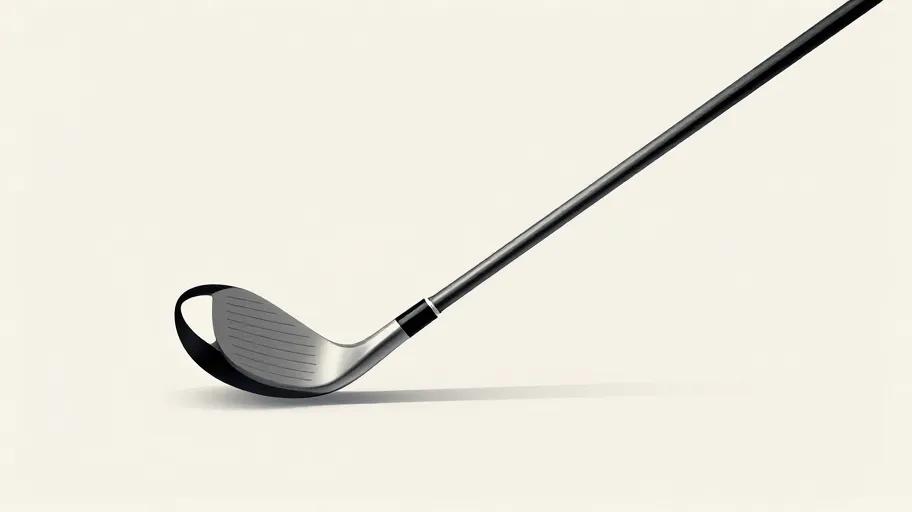
Why most golfers get shaft flex wrong
You’re losing distance and control not because of your swing—but because your shaft flex is working against you. Over 60% of recreational golfers use the wrong flex, according to PGA of America data. That’s not ignorance; it’s bad advice. Most fittings fixate on clubhead speed, ignoring how your tempo, transition, and release load the shaft. The result? Up to 20% less energy transfer at impact, inconsistent ball flight, and frustration despite solid technique.
A fast swinger with a late release might be forced into a stiff shaft when they actually need a firm tip with a softer mid-section—only visible through dynamic bend profiling. This mismatch turns potential into penalty: poor dispersion, erratic launch angles, and lost yardage. Misfitting means you’re fighting your gear instead of playing your game.
The hidden cost of generic fittings
Most retail fittings rely on static launch monitor readings. They miss the full picture—how your unique swing dynamics interact with the shaft. A smooth swinger with early wrist cock might get labeled “regular flex” based on speed alone, but if their release is aggressive, that shaft won’t recoil in time. The face stays open, shots push right, and confidence erodes.
Shaft flex isn’t just stiffness—it’s timing. When golf club shaft fitting aligns the shaft’s recoil with your natural release, it maximizes lag, snap, and face control. That means repeatable distance, tighter shot patterns, and better performance under pressure. Without this alignment, even premium clubs perform like off-the-rack rentals.
How shaft flex shapes your shot
Shaft flex is the hidden architect of your launch conditions. Get it wrong, and you’re fighting slices that balloon or hooks that dive—even with perfect alignment. Mid-handicappers swinging around 90 mph often misdiagnose these misses as swing flaws. But a too-stiff shaft can lock the face open, producing low, right-to-left blocks. An overly flexible one kicks shut, launching high, leftward missiles. The cost? Lost confidence, wasted practice, and avoidable strokes.
The final six inches—the tip—dictates face rotation at impact. Stiffer tips resist twisting, delivering lower spin and tighter draws. Softer tips release later, increasing dynamic loft and promoting a natural fade. TrackMan data shows a 1.5°–2.5° difference in dynamic loft between regular and stiff flex shafts at 90 mph—a gap that alters carry by up to 15 yards and shifts landing angles dramatically.
The real price of poor shaft matching
You’re not just losing distance—you’re paying a hidden performance tax of up to two strokes per round. Most of that comes from avoidable misses on approach and poor contact under pressure. On tight fairways or downwind holes, where precision matters, the wrong flex amplifies errors.
Inconsistent strikes breed doubt. When your full swing doesn’t deliver predictable results, you hesitate—leaving 5–10 yards short of pins or overcompensating into trouble. Foresight Sports’ HC launch monitor trials show misfit shafts increase lateral dispersion by 8–12 feet at 150 yards. That’s enough to miss greens in regulation on critical approach shots. This isn’t about power—it’s about efficiency.
Why fitting pays for itself
Ignoring your shaft flex is a recurring tax on every round. But when golfers at DIY-Golf.com complete a precision shaft fitting, they shave an average of 1.8 strokes per round within eight outings—equivalent to 54 strokes over 30 rounds. That’s more than most amateurs target in annual improvement.
Yes, a fitting session costs $150–$300. But frame it as stroke insurance. USGA data shows every 1% gain in center-face contact delivers +0.6 yards carry and −1.2 feet off-line dispersion. With properly fit shafts improving strike centeredness by up to 27%, the compounding effect across irons and woods means more GIRs, fewer penalty drops, and lower scores. One mid-handicapper reduced his bogeys by two per round—just by eliminating flex-induced misses.
How to find your ideal shaft flex
You don’t need a pro shop appointment to find your ideal shaft flex. Start by measuring backswing tempo: record slow-motion video and count frames from takeaway to top. Faster tempos often pair better with stiffer flexes. Then, analyze your miss pattern: a persistent push-draw may mean your shaft is too soft; a pull-fade could signal one that’s too stiff.
Run side-by-side trials using identical club heads but different shaft flex options. Golf Laboratories Inc. found such comparisons cut selection errors by over 50% versus guesswork. Even without sensors, golfers reliably identify “clean hit” frequency when variables are controlled. Log dispersion, shot shape, and feel. Factor in swing weight harmony—mismatched balance can mask flex performance. Once patterns emerge, lock in your winner. This isn’t a one-time fix—it’s a repeatable system for lifelong tuning.
Master Your Swing, DIY Your Fit. DIY Golf is the premier destination for the technical golfer. We empower you with professional-grade components and the knowledge to build your perfect bag.
Leave a Reply