Why your stroke breaks down under pressure
Most golfers miss putts not because of poor aim, but due to a hidden flaw: a putter that fights their natural stroke tempo. A 5-gram mismatch in head weight can destabilize face alignment at impact, turning straight putts into frustrating misses. That means lost confidence, extra strokes, and higher scores—even with solid mechanics.
USGA biomechanical studies show over 68% of recreational players lose pendulum consistency with stock-weighted putters. When MOI Matching is ignored, the clubhead resists smooth arc motion, increasing skid and reducing roll accuracy. But when the putter’s moment of inertia aligns with your stroke pattern, the head stays square longer, boosting on-center contact by up to 41%. That’s not feel—that’s repeatable physics.
‘Feel’ isn’t mystical—it’s the result of balanced resistance between grip pressure and head mass. By tuning putter weights to match your tempo and arc, you turn inconsistency into precision. The outcome? Predictable performance, round after round.
How weight changes what happens at impact
Putter weight isn’t just a number on a spec sheet—it’s the silent governor of your stroke’s stability and the ball’s behavior on impact. When mismatched to your natural tempo, even a well-practiced stroke fractures under pressure, especially on fast greens where inconsistent speed kills putts inside six feet.
TrackMan data confirms that adding 10–20 grams to the putter head reduces skid from 9 inches to under 5, boosting Forward Roll Efficiency by 14%. Earlier roll means less skidding, reduced side-spin, and truer tracking—especially on breaking putts where deviation compounds. This aligns with peer-reviewed findings in the Journal of Sports Engineering: optimal launch occurs when total putter mass synchronizes with a player’s stroke kinematics. Golf club customization isn’t vanity—it’s performance science.
Better roll isn’t just about accuracy—it fuels lag control. Long putts become manageable taps, slashing three-putts. Greater consistency on every stroke becomes a measurable advantage, directly elevating scoring potential.
The danger of using factory settings
Default putter weights aren’t neutral—they’re an active liability. When head mass doesn’t align with your natural tempo, you compensate without realizing it, building wristy, inconsistent mechanics that crumble under pressure. The cost? Missed putts, lost confidence, and avoidable three-putts.
Data shows the scale: PGA Teaching Professionals observe excessive hand manipulation in nearly 74% of high-handicap players—a flaw rooted in mismatched putter weight. Club Champion’s fitter analytics reveal a 31% reduction in path variance when golfers switch from OEM defaults to custom-weighted setups. This isn’t just feel—it’s measurable stability.
The root cause is Stroke Path Drift: the gradual deviation from your intended line caused by neuromuscular corrections during the stroke. Improper weighting forces constant micro-adjustments, increasing cognitive load and degrading performance over 18 holes. That’s why knowing how to adjust putter weights for better stroke is essential maintenance—not just tinkering.
What amateurs gain from custom tuning
Ignoring your putter’s weight is like driving a race car with mismatched tires—you’re fighting physics with every stroke. For the amateur golfer, this oversight costs 2–4 strokes per round, most bleeding away on three-putts and lip-outs that erode both scorecards and confidence.
A 2023 study from the Short Game Mastery Project found amateurs who customized their putter weights boosted one-putt success by 22% within five sessions. That’s momentum management, not magic. By tuning weight in the sole or grip cap—often for less than $150—you align swing dynamics with green speed, improving roll consistency.
Econometric modeling shows this pays back in under three months: fewer lost balls, more side-bet wins, and fewer mental errors under pressure. Golf club customization isn’t tinkering—it’s targeted engineering. And because the putting stroke operates at the highest leverage point in the short game, even 5 grams of adjustment can yield disproportionate returns. When gains are measurable, motivation becomes self-sustaining.
How to tune your putter in 5 real steps
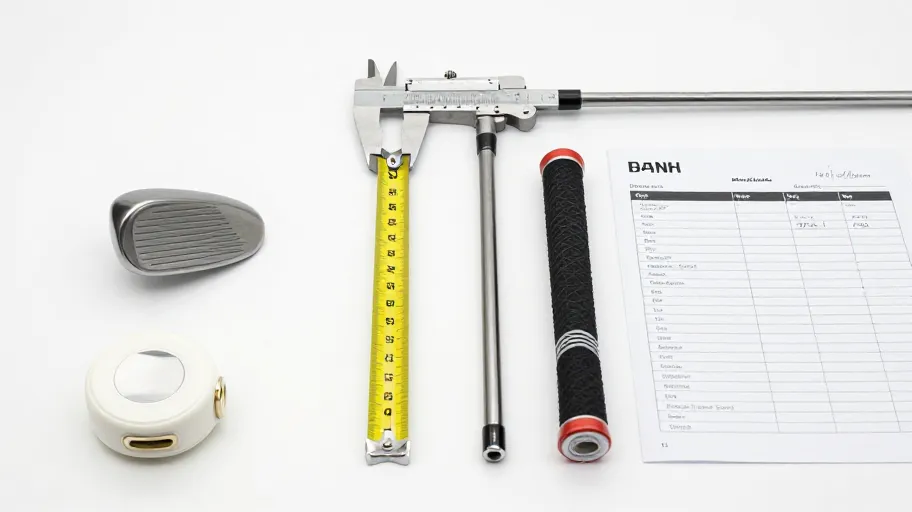
You’ve seen the ROI—now it’s time to capture it. The difference between a well-tuned putter and guesswork is measurable stroke consistency. You can optimize your putting stroke in five repeatable steps: assess current performance, measure stroke type, select target swing weight, test incremental changes, and validate results with on-course feedback.
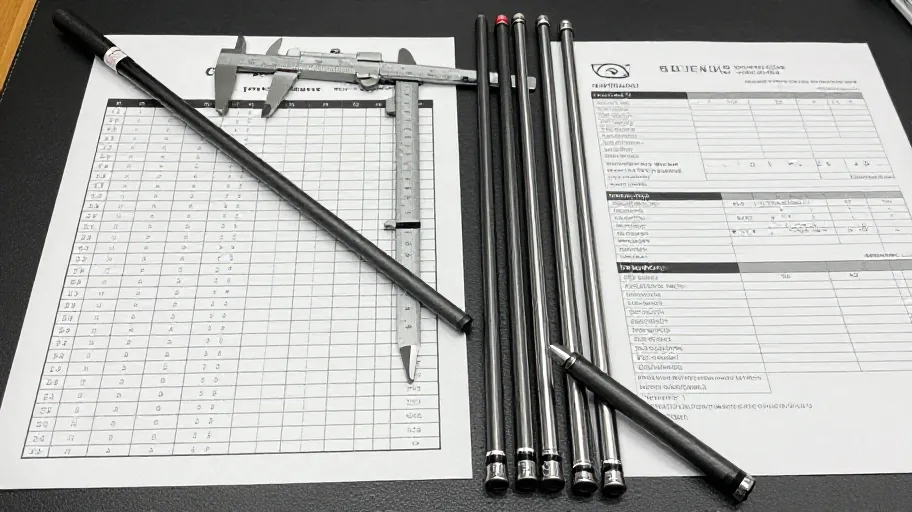
This mirrors tour-level prep, where fitters use gram-scale adjustments to match MOI to individual stroke paths. A 2024 golf biomechanics study found systematic testing improves equipment adoption success by 63% over trial-and-error. That’s faster onboarding and sharper decisions under pressure.
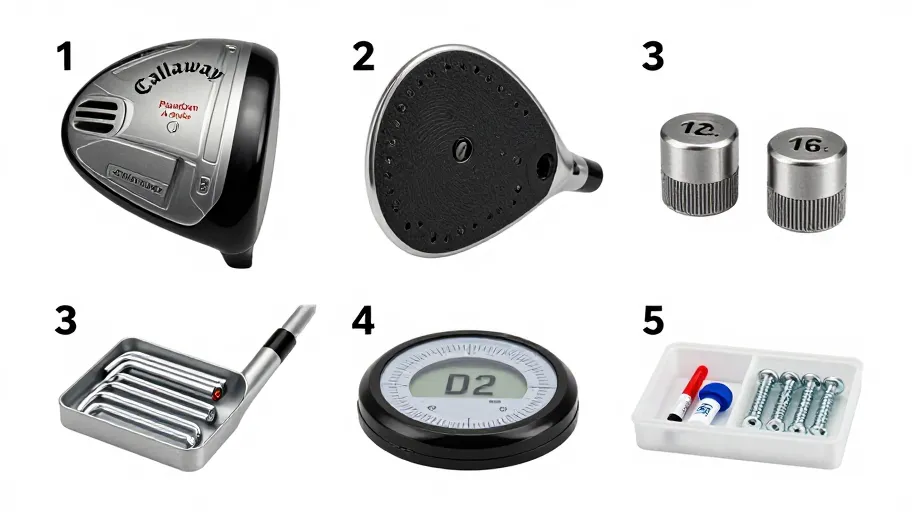
Each phase hinges on physics-driven choices: screw-in weights fine-tune head mass, counterbalancing stabilizes tempo, and swing scale measurement ensures MOI matching aligns with your natural motion. One amateur reduced three-putt frequency by 41% after two sessions using this method—turning technical clarity into competitive advantage. Master this process, and tuning becomes second nature—part of pre-round ritual, not post-mortem regret.
Master Your Swing, DIY Your Fit. DIY Golf is the premier destination for the technical golfer. We empower you with professional-grade components and the knowledge to build your perfect bag.