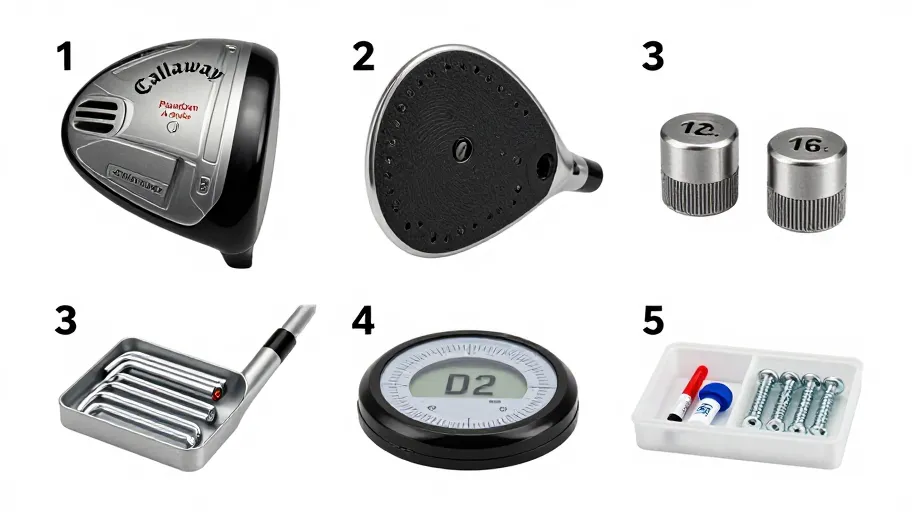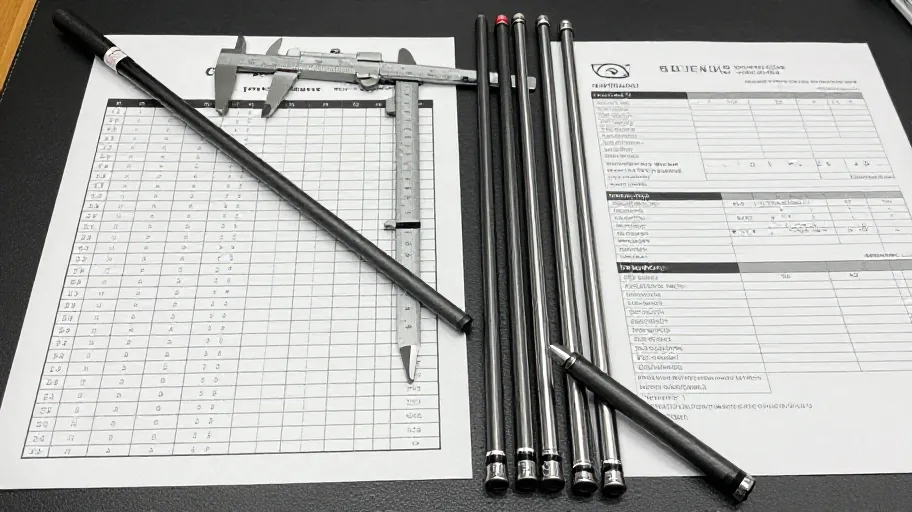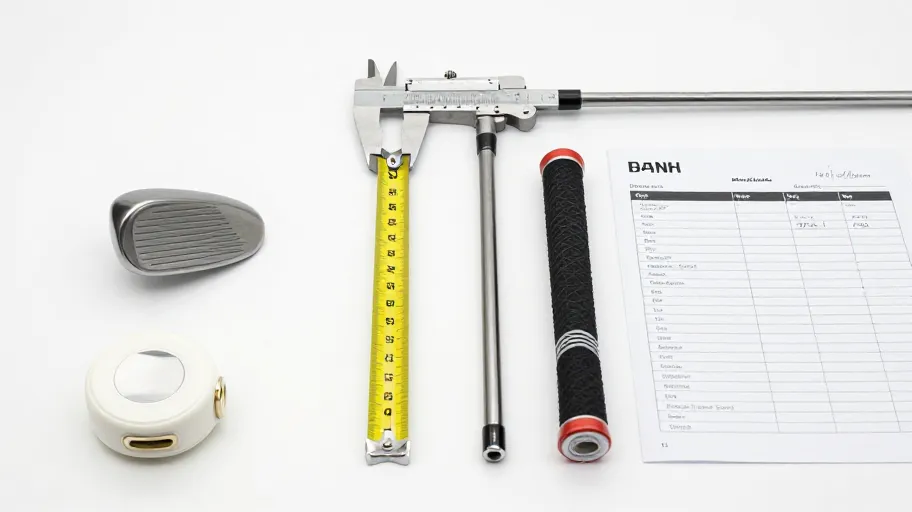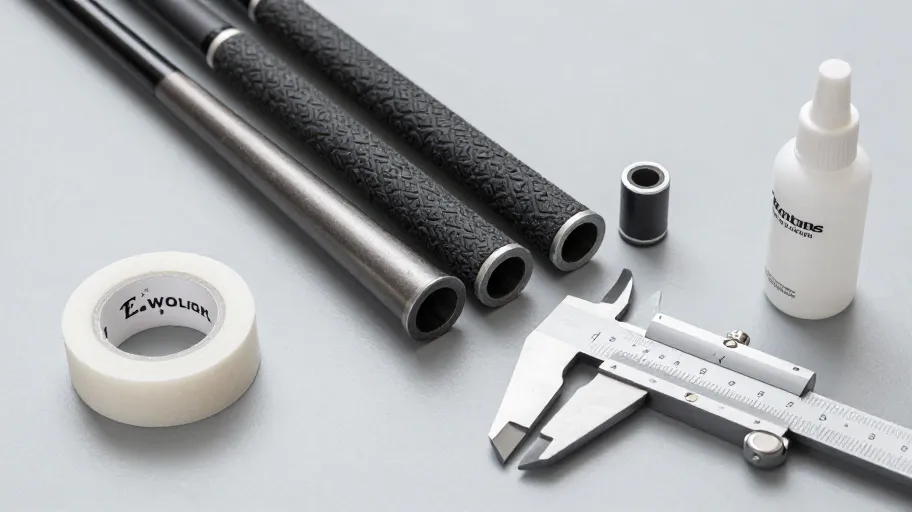
Yes — regripping is one of the most accessible clubmaking tasks a golfer or builder can do in-house, provided you match the grip's core size to your shaft's butt diameter, choose the right tape and solvent for the shaft material, and work with verified components from a supplier who documents specs. The work itself is a controlled, repeatable process; the risk sits in ordering the wrong grip or using an incompatible solvent on a graphite shaft. Treat it as a small sourcing project: verify specs, document the build, approve the batch before committing the full set.
The VERIFY framework for a self-regrip project
Before you order anything, run the project through VERIFY:
- V — Verify compatibility. Confirm the grip core size against your measured butt diameter, and confirm the grip model is round or ribbed to your preference. Ask the supplier to confirm fitment in writing for your exact club model.
- E — Estimate grip count. Count the clubs you will regrip, plus spares for first-attempt learning and future replacements. Decide whether one grip model suits the full set or whether you want a different size in the wedges.
- - R — Record build specs. Write down shaft brand, family, model, material, butt diameter measurement, current grip model, and how many build-up tape layers (if any) you want to reproduce or change.
- I — Inspect on arrival. Check texture consistency, weight consistency across the batch, label alignment and for any visible defects before installation.
- F — File the results. Keep a build sheet per club: grip model, size, tape layers, date. This turns a one-off job into a repeatable reference.
- Y — Yield a documented decision. Approve the batch for the full set, or flag and confirm with the supplier before proceeding.
This sequence separates the mechanical skill — which is learnable — from the sourcing decisions, which are where most self-regrip projects go wrong.
What to measure and record before ordering
Your order should be driven by three recorded facts per club:
- Butt diameter. Measure the shaft butt with calipers. This, combined with the grip core size, determines final grip size. Extra build-up tape layers can adjust feel, but document what you use so you can reproduce it.
- Grip core size and model. Record the exact grip brand, model, core size, and round vs ribbed preference. Do not assume that a model name alone guarantees size — confirm the spec sheet for the production batch you will receive.
- Shaft material. Steel and graphite behave differently with solvents and cutting tools. If any shaft is graphite, confirm that the solvent and any blade work you plan are appropriate for graphite, and confirm this with the component supplier.
Once these are on paper, you can compare candidate grips on a like-for-like basis instead of guessing.
Decision table: are you ready to regrip yourself?
| Readiness factor | Go | Conditional — verify first | No-go — outsource or rescope |
|---|---|---|---|
| Shaft specs recorded | Butt diameter and grip model documented per club | Partial records; one or two clubs unmeasured | Unknown shafts, mixed salvage set |
| Shaft material | Steel shafts, documented | Graphite shafts, solvent and tool suitability confirmed with supplier | Graphite shafts, no confirmation on solvent compatibility |
| Tools | Vise with shaft protector, hook blade, tape, solvent, all on hand | Some tools missing; sourcing list drafted | No secure work surface or shaft protection available |
| Grip selection | Exact model, core size and round/rib confirmed in writing | Model chosen, spec sheet pending from supplier | Choosing by brand name alone, no spec confirmation |
| Learning plan | Spares included for first attempts on a practice club | Spares discussed but not yet ordered | Single set, no margin for error |
| Acceptance criteria | Inspection checklist ready before delivery | Checklist drafted | No acceptance criteria defined |
Three or more "conditional" rows means your next step is verification, not purchase.
Approval questions to confirm with the supplier
Ask these before you approve an order, and keep the written answers:
- Can you confirm the grip core size and final installed size for my measured butt diameter, in writing, for the exact model I am ordering?
- Is this grip available round and ribbed, and can I confirm which production batch I will receive?
- What is your current policy on samples for this grip model — availability, cost, and any conditions? (Confirm the current policy directly; nothing here restates it.)
- Is the double-sided tape and solvent you stock documented as suitable for graphite shafts as well as steel?
- What are your current shipping terms, lead expectations and returns handling for grip orders? (Confirm directly — no terms are stated in this article.)
- If a delivered grip shows a visible defect or weight inconsistency across the batch, what is the process to document and resolve it?
- Can you confirm stock for my full grip count plus spares in one shipment, so the batch is consistent?
Arrival inspection checklist
- Grip count matches the order, including spares
- Model, core size and round/rib marking match the confirmed spec sheet
- Texture and finish consistent across the batch
- Label alignment acceptable and cap ends undamaged
- Tape width and solvent type match what was confirmed for your shaft material
- Any anomaly photographed and reported before installation begins
Frequently asked questions
Is regripping difficult for a first-timer? The process is a defined sequence — secure the club, strip the old grip and tape, apply new tape, activate with solvent, slide the grip, align, and let it cure. The learning curve is short if you have spares and a practice club. The greater risk is spec mismatch, not manual skill, which is why the VERIFY sequence starts with written compatibility confirmation.
How do I know which grip size I need? Grip size is the result of grip core size, measured butt diameter and any build-up tape layers. Measure the butt, record the target feel, and ask the supplier to confirm the combination in writing rather than inferring it from a model name.
Do I need different supplies for graphite shafts? Confirm this before buying. Solvent suitability and the type of blade used for stripping matter more on graphite, and the component supplier should document that the products you are buying are appropriate for your shaft material. Do not proceed on assumption.
Should I regrip the whole set at once or test one club first? A documented single-club test — one grip installed, played, and evaluated against your build sheet — lets you approve the model and size before committing the full set. Include spares in your order so the test does not delay the project.
Can I reuse grips or should I always buy new? Regripping is a destructive process for the old grip in nearly all cases; plan on new grips and treat each replacement as a fresh sourcing decision with current spec confirmation.
Plan your component set
Primary CTA: 获取采购 Brief — request the purchasing brief and build a verified, documented order: grip specs, tape, solvent, spares and approval questions in one worksheet.
Checklist CTA: Download or copy the arrival inspection checklist above and confirm each item with your supplier before your next order ships.
Master Your Swing, DIY Your Fit. DIY Golf is the premier destination for the technical golfer. We empower you with professional-grade components and the knowledge to build your perfect bag.