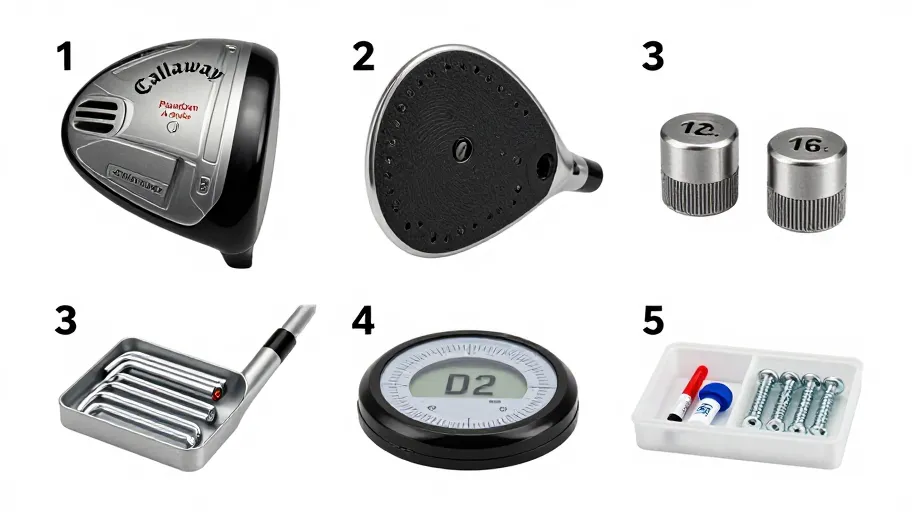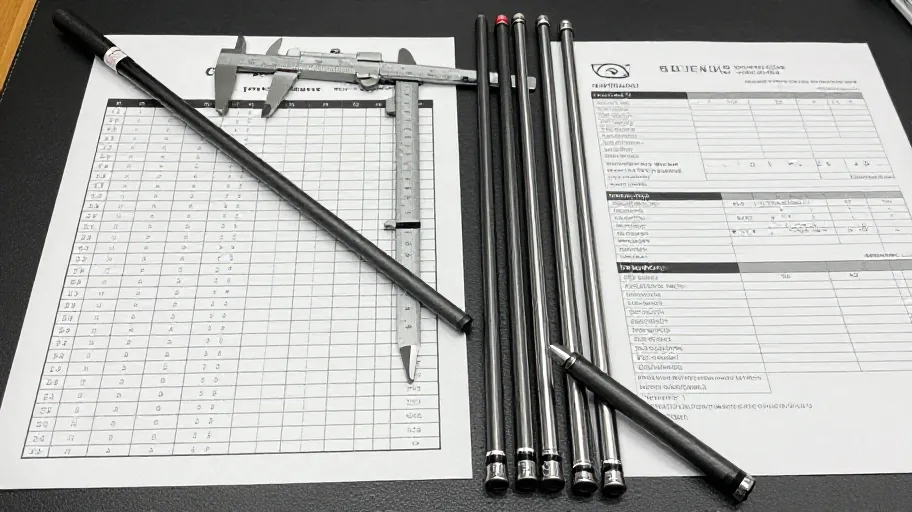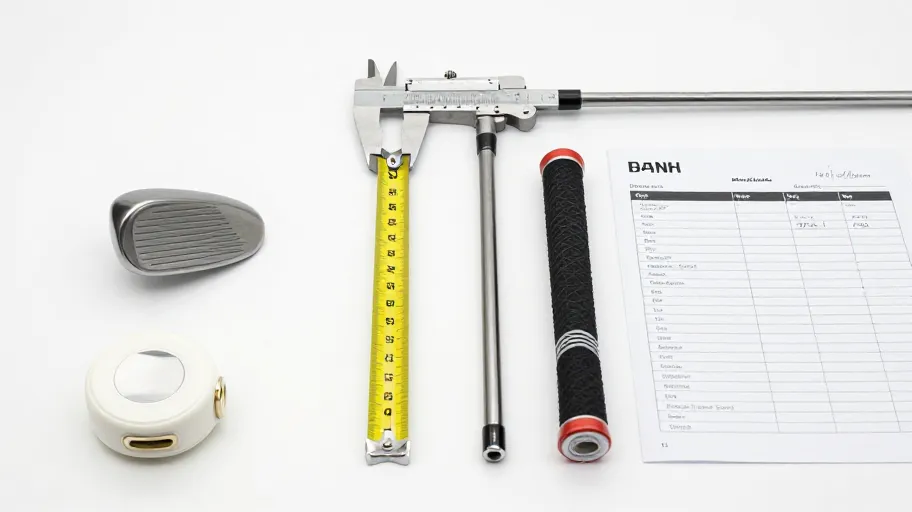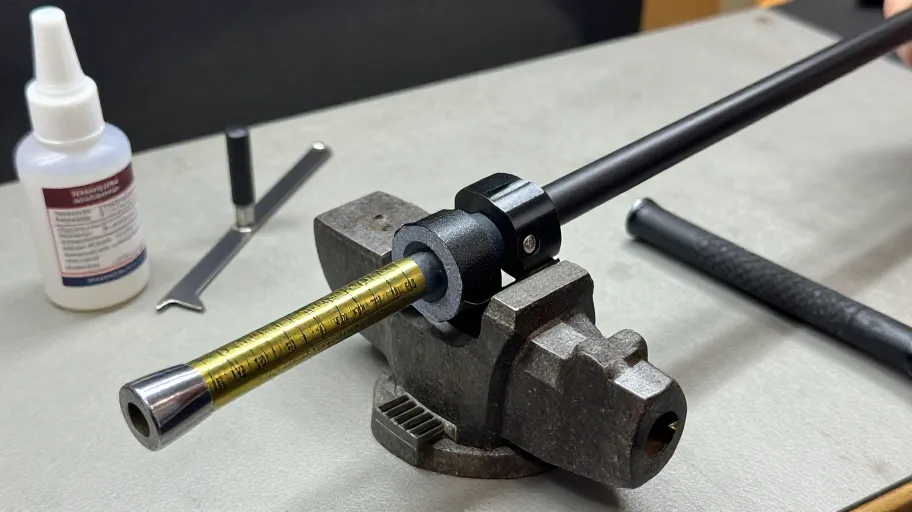
Can you regrip a golf club on your own? Yes — regripping is a repeatable bench process that most careful club builders can complete with a vise, a grip clamp, double-sided tape, solvent and a hook blade, provided the grip core size matches the shaft butt diameter and the tape build-up is documented before the old grip comes off.
That answer comes with a condition, though. The question that matters for sourcing is not whether the process is possible; it is whether the components you are about to buy are verified for your exact club brand, family and model. Everything below is organised around that verification.
The GRIP-Check framework
When you are selecting replacement grips or tuning the feel of an existing set, work through four gates in order:
- Gauge compatibility. Confirm the grip's core size against the shaft's butt diameter for your specific model.
- Reference the build. Document what is currently on the club — grip model, number of tape layers, any under-wrap — before removing anything.
- Inventory the tools. Verify you have the full bench kit and that each item is rated for the shaft material you are clamping.
- Prove on one club. Trial the full process on a single club before committing an entire set or a bulk component order.
Each gate produces a document, not just a decision. That document is what you take to a supplier when you ask approval questions later in this guide.
Step 1: Gauge compatibility
Grip fitment is defined by two numbers working together: the grip's core size and the shaft's butt diameter. A mismatched pairing changes effective grip size even when the grip installs cleanly. Before you shortlist any grip:
- Measure the butt diameter of the shaft on your club model with calipers, or confirm the specification from the manufacturer's published data for that exact model.
- Record the core size stated for the candidate grip and demand a supplier-confirmed spec sheet, not a listing description.
- Identify whether the current grip hides extra layers — an under-wrap or build-up tape — that your measurement must account for.
Do not assume that a grip marketed for a club family fits every model within that family. Confirm the specification for the exact club you hold, because variants within a family can differ in butt configuration.
Step 2: Reference the build
The most common DIY failure is not a bad installation; it is an undocumented one. If you cut off a grip that carried two layers of build-up tape and replace it with a bare-shaft install, the new grip will feel smaller in hand even though every part number is "correct." Before cutting:
- Photograph the grip and any visible tape edge.
- Count and note tape layers as you strip them.
- Record the old grip's model and stated size.
- Note the rib position (reminder vs round) if the current grip has one.
This record becomes your baseline. If you liked the old feel, replicate the stack. If you are tuning, you now know exactly which variable you are changing.
Step 3: Inventory the tools
A regripping bench needs: a vise, a grip-specific clamp (rated so it does not crush the shaft), double-sided grip tape, activation solvent, a hook blade (safer than a straight blade for shaft protection), and a clean catch tray. Verify that the clamp you own or plan to buy is appropriate for the shaft material of your club model — clamping force that is acceptable on one shaft type can damage another. Where a tool listing does not state its compatibility, ask the supplier to confirm it in writing for your shaft before purchase.
Decision table: when DIY regripping fits your project
| Situation | DIY fitment | Recommended action |
|---|---|---|
| Grip model verified for your shaft; build documented | Strong fit | Proceed on one club first; verify feel before the full set |
| Butt diameter or core size unconfirmed | Not yet | Obtain a supplier-confirmed spec sheet for the exact grip and shaft before ordering |
| Multiple tape layers found under old grip | Conditional | Replicate the documented stack; confirm tape width and thickness with the supplier |
| Shaft is a prized or irreplaceable model | Conditional | Trial the full process on a low-value club of the same butt diameter first |
| Bulk order for a build or repair queue | Plan first | Approve one sample grip and tape batch against your documented spec, then scale |
This table is deliberately conservative. The cost of one extra verification question is minutes; the cost of a wrong bulk order is the whole project.
Concrete supplier approval questions
Before approving any grip or tape order, put these questions to the seller and keep the written answers with your build record:
- Can you confirm the core size and weight of this exact grip batch, in writing, for the current production run?
- What tape width and thickness do you stock, and how many layers equal one build-up step on my documented butt diameter?
- Is the solvent you supply compatible with both the grip compound and the shaft finish of my club model?
- What is your current policy on returns or exchanges if the delivered grip does not match the confirmed specification?
- Can you confirm current stock for the quantity I need, and the lead time to dispatch — stated as a project-specific figure, not a general claim?
You are not looking for reassuring answers; you are looking for specific, written ones. A supplier who will not confirm a specification for the exact batch you are buying has told you something important.
DIY approval checklist before you cut
- Butt diameter of the shaft measured or confirmed for the exact model
- Grip core size supplier-confirmed in writing
- Existing build photographed and tape layers counted
- Clamp verified appropriate for the shaft material
- Hook blade, tape, solvent and tray on the bench
- One trial club selected before set-wide work
- Sample and return policies confirmed directly with the seller
- Written spec sheet filed with the build record
FAQ
Does tape build-up change the effective grip size? Yes. Each layer of tape under the grip increases the effective diameter the hand feels. That is why documenting the existing stack matters before you replace a grip — the goal is a repeatable build, not a guess.
How do I know which grip fits my specific club model? Match the grip's core size to your shaft's butt diameter using a supplier-confirmed spec sheet for the exact grip and the manufacturer's data for your exact club model. Do not rely on family-level claims; confirm at model level.
What is the safest way to remove an old grip? A hooked blade in a standard utility knife is designed to cut away from the shaft. Work slowly, keep the blade shallow, and stop to check whether you are cutting through tape layers you should be counting.
Can I regrip graphite shafts the same way as steel? The process is the same, but clamping and cutting precautions differ by shaft material. Verify that your clamp and blade technique are appropriate for your shaft type before starting, and trial on a low-value club first if the shaft is significant to you.
Should I buy one grip or a full set first? Buy and install one. Prove the fit, the feel and the process on a single club, compare it against your documented baseline, and only then scale the order — confirming current stock and lead time with the supplier at that point.
获取采购 Brief
Ready to turn this into a verified component order? 获取采购 Brief — download the sourcing brief and use it to collect supplier-confirmed specifications, sample terms and delivery answers for your exact club model before you commit.
If you are not ready to order, start smaller: save the DIY approval checklist above and work through it on one club this week. Verification first, purchase second.
Master Your Swing, DIY Your Fit. DIY Golf is the premier destination for the technical golfer. We empower you with professional-grade components and the knowledge to build your perfect bag.