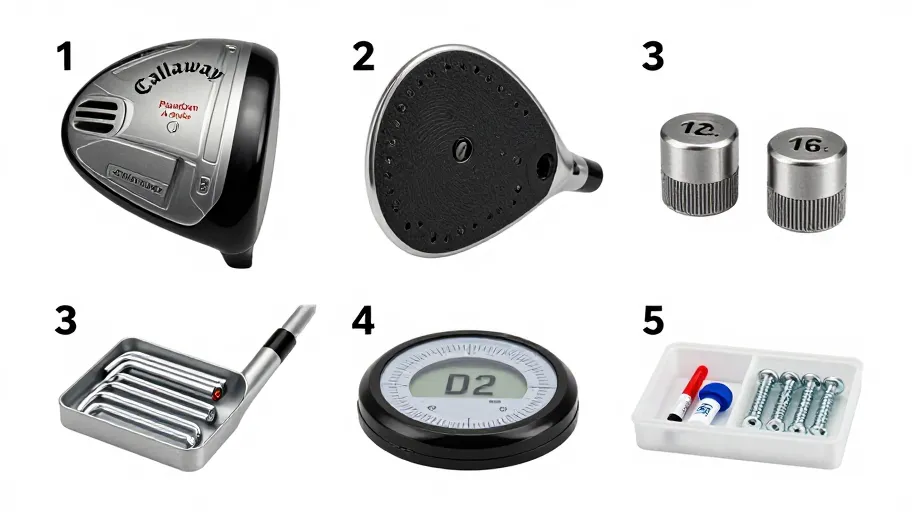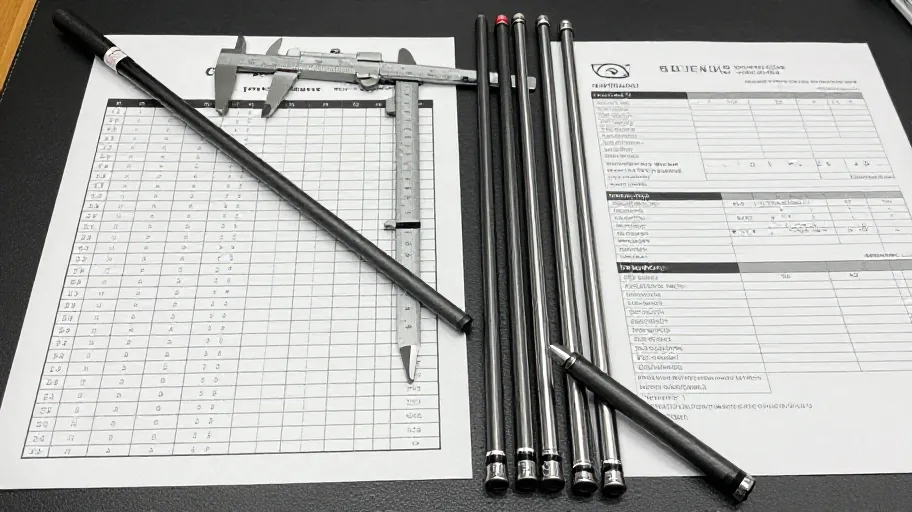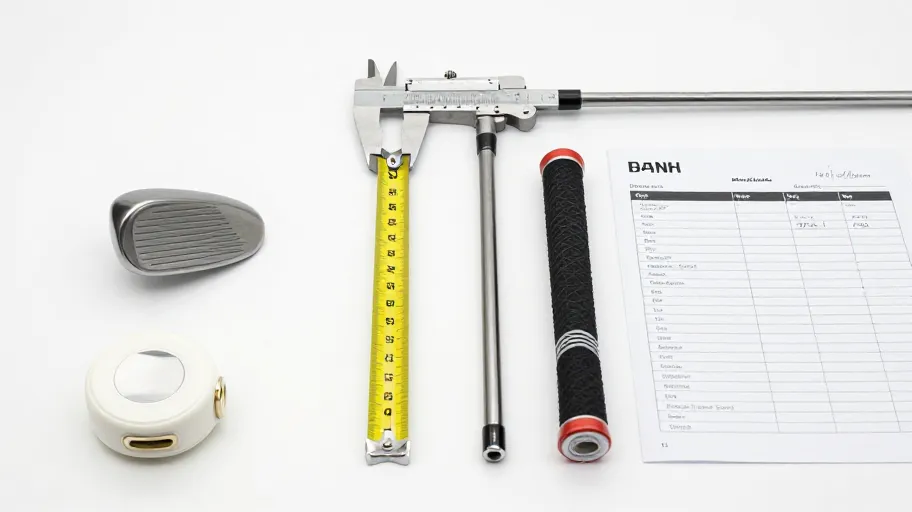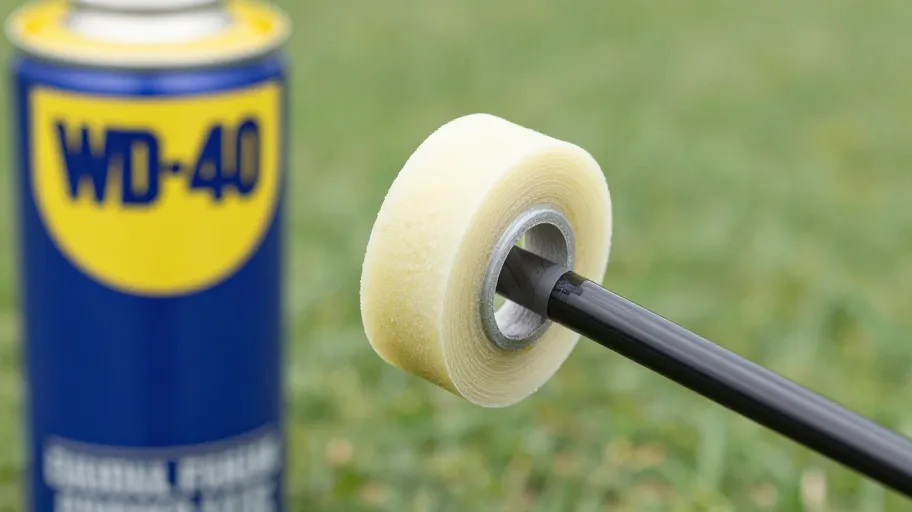
Yes, WD-40 can act as a temporary lubricant for sliding grips onto double-sided tape, and some builders report workable results. But it carries real trade-offs: slower or inconsistent drying, potential residue under the grip, and unknown long-term interaction with specific grip compounds and shaft finishes. Before you approve it for repeat builds, screen it, test it and document what you confirm.
Why the Question Comes Up
Anyone regripping clubs at home eventually faces the same moment: the grip tape is on, the grip is in hand, and the labelled solvent bottle is empty. WD-40 sits in nearly every workshop drawer, and the online debate about it never fully resolves. The reason the debate persists is that the answer genuinely depends on variables the reader controls — the tape brand and adhesive, the grip material, the shaft finish, the ambient conditions, and how the grip will be used afterward. That is why this guide treats WD-40 not as a yes/no shortcut but as a candidate supply that must pass a screening process before you approve it for your workflow.
The S.A.F.E. Solvent Screen
Before committing any solvent — WD-40, mineral spirits, or a purpose-made grip solution — to your build process, run it through four gates:
- S — Slip. Does it lubricate the grip interior and tape enough to slide the grip on without folding or tearing? This is the easy part; several liquids achieve slip.
- A — Air-dry. Does the liquid flash off or evaporate so the adhesive bonds? This is where substitutes diverge most from purpose-made solvents, and where WD-40 raises the most questions. You must verify drying behaviour on your tape and your grips, in your workspace conditions.
- F — Frame safety. What does the liquid do to the grip compound, the tape adhesive, and any exposed shaft finish over the time you plan to keep the build? Confirm compatibility with the exact grip model and shaft before approving.
- E — Evidence. Write down what you observed: which grip, which tape, how it behaved at install, how the grip seated after settling. Anecdotes from forums are not evidence for your components.
A solvent that passes Slip but fails Air-dry or Frame-safety is a liability for repeat builds, even if it works once.
Decision Table: Proceed, Pause or Stop
| Condition at your bench | Recommended action | Rationale |
|---|---|---|
| Practising on scrap shaft and sacrificial grips | Proceed with a documented test | No build at risk; generates first-party evidence for S.A.F.E. gates |
| One-off personal repair, compatible materials confirmed by your own test | Proceed with caution | Risk is contained to one club you own and can redo |
| WD-40 passes your slip test but grip still spins after settling | Stop; remove and reinstall with a verified solvent | Adhesive bond is compromised; a moving grip is a safety issue |
| Unknown grip compound or unknown shaft finish | Pause; confirm compatibility with the grip and component supplier before use | You cannot verify Frame-safety without knowing the materials |
| Client builds, resale or repeat production | Stop until a written process and approved solvent are in place | Consistency and accountability demand a documented, repeatable method |
| Solvent leaves visible oily film on tape or inside grip | Stop | Residue interferes with bonding; clean and re-prep the surface |
How WD-40 Differs From Purpose-Made Solvent — as Questions, Not Claims
This guide deliberately avoids asserting how WD-40 behaves on any specific product, because performance depends on the exact combination you are using. Instead, treat these as open questions to resolve through your own test or with the supplier:
- What is the evaporation profile of this liquid on the specific double-sided tape you use, in your workshop temperature and humidity?
- Does any residue remain between tape and grip wall after the grip settles, and does that residue affect adhesion over the life of the install?
- Does the liquid react with the grip compound of the exact model you are installing — rubber, cord, elastomer or hybrid?
- Does contact with the shaft finish or any exposed graphite surface cause staining, swelling or softening? Confirm with the component supplier if the shaft is finished or painted.
- Is the odour and handling profile acceptable for your workspace ventilation?
Each question converts a forum argument into a testable item on your bench or a confirmation request to your supplier.
Supplier Approval Questions Before Buying Any Solvent or Grip Supplies
Whether you are buying WD-40 as a substitute or a dedicated grip solvent, run the same approval pass with the seller or distributor:
- Is the solvent compatible with the specific grip models and tape brands you stock? Ask for written confirmation, not a general assurance.
- What is the current sample policy — does one exist, what does it include, and who covers shipping? Confirm the current terms directly; do not rely on older listings or third-party descriptions.
- If a sample fee applies, is it credited toward a later order? Confirm in writing before proceeding.
- What are the current lead times, shipping restrictions and storage requirements for flammable or volatile liquids in your region?
- What documentation accompanies the product — safety data sheet, application guidance, shelf-life information?
- What is the returns process if the product does not perform as described? Confirm the current policy before ordering.
None of these can be answered generically. Every one is a project-specific question the supplier must answer for the exact product you intend to buy.
Verification Checklist: One Pass Per Build
Run this before you sign off any grip installation:
- Grip model, size and core confirmed against the shaft butt diameter for the specific club
- Tape width, activation method and solvent approved and documented in your build log
- Shaft surface cleaned and fully dried before tape application
- Test install completed on scrap or sacrificial components if using any new solvent
- Grip aligned, seated and inspected for twisting after settling
- Any residue cleaned from the grip exterior and shaft
- Outcome recorded — pass, fail or rework — so your next build decision is evidence-based
Frequently Asked Questions
Can you use WD-40 as golf grip solvent? It can provide the lubrication needed to slide a grip onto tape, but you must verify drying behaviour and material compatibility for your specific grip, tape and shaft. Test before relying on it for any build you cannot afford to redo.
What happens if the solvent doesn't dry properly? If liquid remains between the tape and the grip, the adhesive may not bond and the grip can slip or twist in use — a safety and quality problem. Remove the grip, clean the surface, and reinstall with a solvent you have verified.
Is WD-40 safe on all grip materials? That cannot be asserted here. Compatibility depends on the exact grip compound and any exposed shaft finish. Confirm with the grip and component suppliers for the specific models in your build, and test on a sacrificial grip first.
What should I use instead if my test fails? Compare purpose-made grip solvents and water-activated tape systems against your requirements, then confirm compatibility, sample terms and shipping rules with the supplier before ordering. The choice should follow your documented test results, not generic advice.
How do I confirm a supplier's sample and shipping policy? Ask directly, in writing, for the current policy covering samples, fees, shipping responsibility and returns for the exact product. Policies change; confirm before every new order rather than relying on prior purchases.
Next Steps
获取采购 Brief — request the DIY-Golf sourcing brief to structure your solvent, tape and grip supply comparison before your next order: what to specify, what to confirm, and what to document per build.
Prefer to start smaller? Download the one-page regrip verification checklist above and run it on your next bench session — no purchase required, just evidence you can act on.
Master Your Swing, DIY Your Fit. DIY Golf is the premier destination for the technical golfer. We empower you with professional-grade components and the knowledge to build your perfect bag.