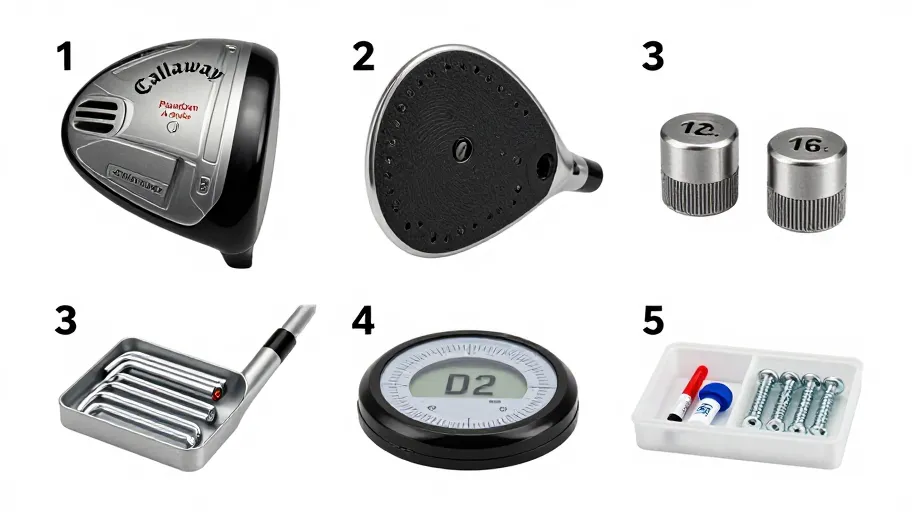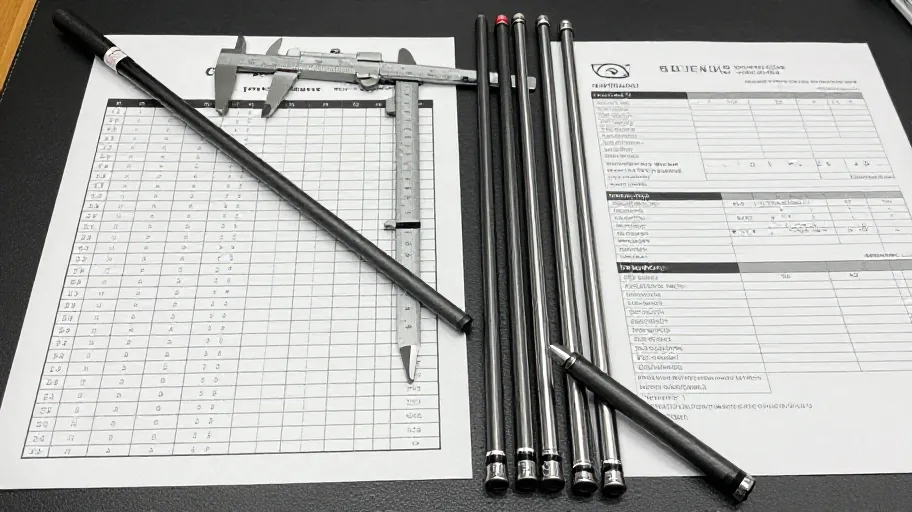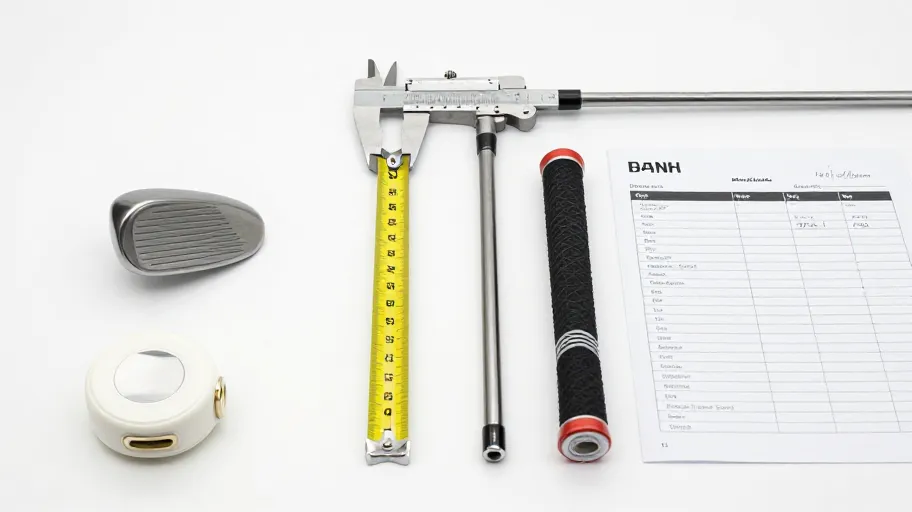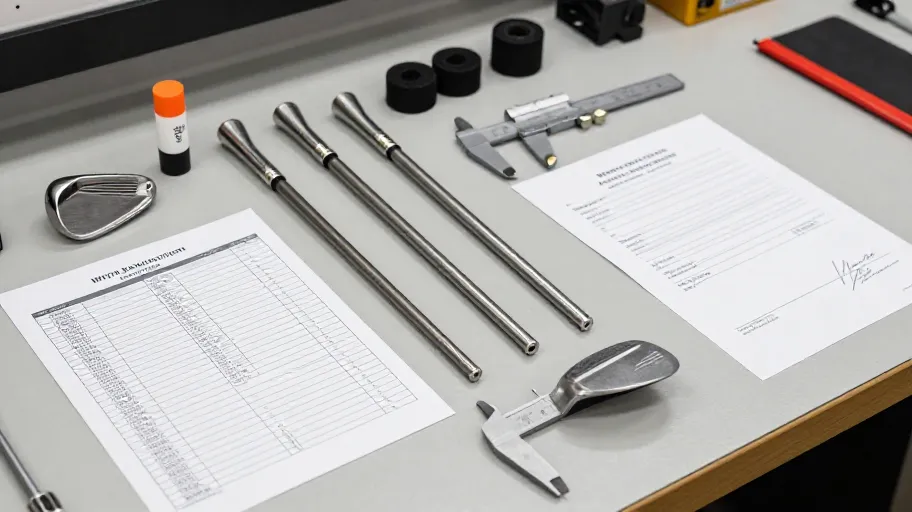
Buying diy golf irons successfully comes down to three disciplined steps: lock a written specification for your exact brand, family and model; verify the specification against a physical sample you can measure; and approve in writing before committing. Skip any step and you rework the build. Confirm the current policy directly.
The Spec–Sample–Approve framework
The SSA framework exists because component iron builds fail in the gap between what a buyer assumed and what a supplier shipped. It separates the project into three gates, each producing a written artifact you can refer back to.
Spec. Write down every dimension and requirement that defines the match for your target club: the brand, family, model, loft you intend to build to, hosel geometry, shaft tip diameter, grip core, and the measurements of the club the new parts must integrate with. Nothing in this list should be inferred from a product photo. Where a value is unknown, it becomes a question, not an assumption.
Sample. Before committing to a full set, request and evaluate a physical part. Measure it against your written spec with your own tools. Record the results. Whether a sample is offered, at what cost, and under what terms are all policy questions — confirm the current policy directly.
Approve. Only after the measured sample matches the written spec do you approve the order in writing, attaching the spec and the sample measurements. This creates a reference point if any delivered part differs from what you evaluated.
Spec lock: questions that define a model match
Work through these in order. Each answer should be documented, not remembered:
- What is the exact brand, family and model of the club being rebuilt or tuned?
- What hosel geometry does the current club use, and what does the replacement head require?
- What shaft tip does the build need, and does the intended shaft family confirm compatibility with that tip?
- What loft and lie are you building to, and can the component support adjustment if needed?
- What grip core and build-up layers match the intended feel?
- What assembly hardware — ferrules, tip weights, collars — does this specific family require?
None of these can be answered generically. A family name alone does not confirm fitment; verify at the model level using first-party product documentation for the exact part you intend to order.
Decision table: choosing your component route
| Route | Control over spec | Verification burden | Best suited to |
|---|---|---|---|
| Full DIY: heads, shafts, grips purchased separately | Highest — every variable chosen and measured | Highest — buyer verifies every interface | Builders with measurement tools and fitting knowledge |
| Partial rebuild: replace one component in an existing iron | Focused — one interface to match | Moderate — the replaced part must match documented dimensions | Golfers tuning loft, feel or replacing wear |
| Bench-built by an assembler from your selected components | Shared — spec agreed in writing | Split — buyer approves spec; assembler verifies build | Golfers who know target specs but not assembly |
Use this table to decide where your verification effort should sit. The more control you take, the more of the SSA framework you own personally.
Sample evaluation: inspect and record
When a sample arrives, evaluate it against your written spec, not against expectations. A practical inspection record covers:
- Visual finish under consistent lighting, noting any marking, tooling or plating observations.
- Measurement of each critical interface you documented in the spec stage, using your own calibrated tools.
- Weight as received, recorded with the scale used.
- A photograph set of the sample alongside your measurement notes.
Whether samples are available for this product line, and on what terms, is a policy question. Confirm the current policy directly. Do not treat any past arrangement or anecdote as evidence of current terms.
Approval questions to put in writing
Before approving an order, send these to the supplier and keep the answers with your project file:
- Does this exact component (state part number and revision) match the brand, family and model specification I have documented?
- Can you confirm current stock for the exact quantity I need, in writing, on the date of order?
- What are the current terms for samples, costs, delivery timelines and returns for this product? Confirm the current policy directly.
- If a delivered component differs from the evaluated sample, what is the documented resolution path?
- Are any specifications of this component subject to change without notice, and if so, how will changes be communicated?
An approval is only as strong as the written answers behind it. Verbal assurances belong in the spec file only once restated and confirmed in writing.
FAQ
Do diy golf irons perform as well as assembled brand sets? Performance depends on the quality of the match between head, shaft, grip and your swing, verified through measurement. No universal performance claim is valid. Build with the SSA framework, measure, and judge each build on its own documented evidence.
Can I mix components across brands and families? Only where interface dimensions and intended play are verified for the exact parts involved. Brand names do not establish compatibility. Confirm fitment for the specific models before ordering.
What tools do I need to verify a component sample? At minimum, calipers for interface dimensions, a reliable scale for weight, and a method for loft and lie checks. Whatever you used to write the spec is what you should use to verify the sample.
How do I know which loft to build to? Start from the measured loft of the club you are replacing or the gap you are filling in your set, then confirm the component supports that target. Document the decision; don't rely on family naming conventions.
What if the delivered parts differ from the sample? Compare against your written spec and sample measurements, and raise the documented difference with the supplier. Resolution terms are a policy question — confirm the current policy directly.
Next step: request the sourcing brief
The 采购 Brief consolidates everything in this guide into a one-page document you can send to any component supplier: spec fields, sample inspection record and approval questions. 获取采购 Brief and start your next diy golf irons project with the paperwork already structured.
Prefer to start smaller? Download the low-friction component approval checklist and use it on your next single-component rebuild.
Master Your Swing, DIY Your Fit. DIY Golf is the premier destination for the technical golfer. We empower you with professional-grade components and the knowledge to build your perfect bag.