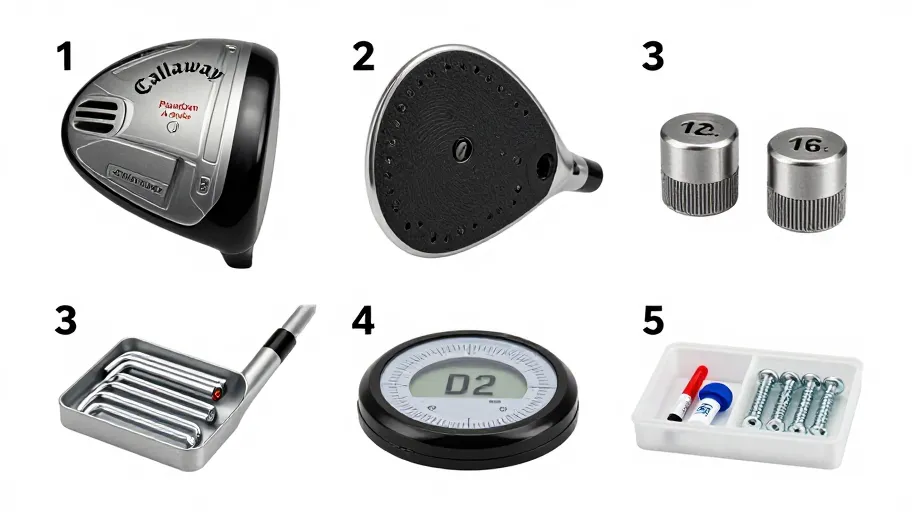
Choosing a shaft flex is a specification-confirmation exercise, not a label-picking exercise. Before you select any shaft, confirm four things: the actual flex data for the exact SKU (not just the letter on the label), your load profile based on how you deliver the club, first-party documentation from the supplier, and a cross-check of tip diameter, hosel and trim requirements against your specific club model. Answer those in writing before approving components. Read the fitting guide before selecting components.
Why flex letters alone cannot drive the decision
A flex letter is a manufacturer's classification of its own product line. It is not a shared measurement scale. Two shafts carrying the same letter from different makers can behave differently because the classification sits on top of variables — butt stiffness, tip stiffness, torque and parallel section geometry — that the letter does not describe. For a club builder sourcing components, the working question is never "which flex letter?" It is: "does this specific shaft's measured properties, installed to this model's trim specification, suit this swing?"
The FLEX-Check Framework
Use this four-step framework before approving any shaft purchase:
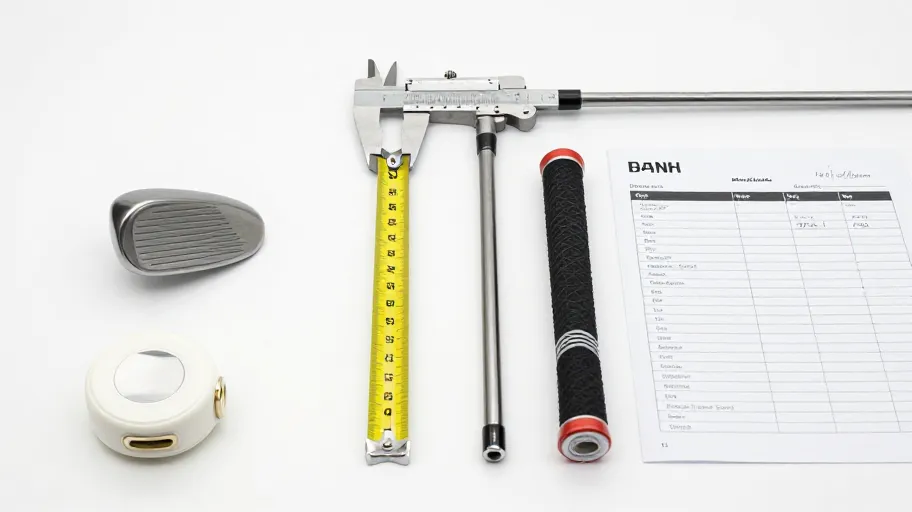
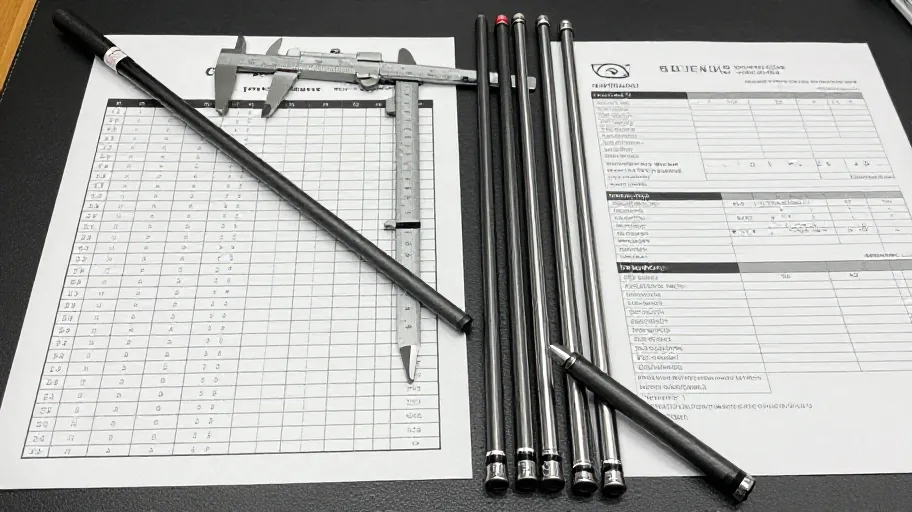
F — Flex data. Obtain the supplier's current published specification for the exact SKU: flex designation, weight, torque, butt and tip diameters, and any frequency or CPM figure the supplier provides. Ask whether the data is measured or nominal, and request the measurement basis.
L — Load profile. Document how the club is loaded: transition tempo, release point, and where the player stores and releases energy. A smooth swinger and a quick hitter can share a clubhead speed yet load the shaft differently, which changes the effective flex requirement.
E — Evidence. Confirm that the specification sheet you hold applies to the batch and model you are buying. Ask the supplier to confirm the document version and date, and to state in writing that the listed properties match the current production run.
X — X-check fitment. Verify tip diameter against the clubhead's hosel bore, confirm insertion depth and trim instructions for the exact club model, and check grip and butt compatibility. A correct flex in a wrong-fitment shaft is still a failed build.
Decision table: matching flex evidence to your build
| Evidence you hold | Confidence level | Next action |
|---|---|---|
| Flex letter only, no spec sheet | Insufficient | Request full current specification from supplier before proceeding. |
| Supplier spec sheet for the exact SKU, undated | Low–medium | Ask for document date, measurement basis and batch applicability. |
| Dated spec sheet plus your documented load profile | Medium | Cross-check fitment dimensions; confirm trim codes for the club model. |
| Dated spec sheet, load profile, confirmed fitment, written supplier confirmation | High | Approve the component and document the reference numbers. |
Approval questions to put to the supplier
Put these in writing and approve only against written answers:
- What is the current specification sheet for this exact SKU, and what is its issue date?
- Are the flex figures measured (frequency/CPM) or nominal classifications?
- What are the tip diameter, butt diameter and recommended trim instructions for my specific club model?
- Does the current production batch match the published specification? Can you confirm this in writing?
- What is your current sample policy, cost and shipping arrangement, and what are the terms attached? (Confirm directly; no policy is assumed here.)
- What is the current lead time for this component, and what happens if the specification changes between order and delivery?
Fitment confirmation checklist
- Current spec sheet obtained for the exact SKU, with issue date
- Flex data basis confirmed (measured vs nominal)
- Load profile documented for the intended player
- Tip diameter verified against the clubhead hosel bore
- Insertion depth and trim instructions confirmed for the exact model
- Grip and butt diameter compatibility checked
- Supplier batch-match confirmation received in writing
- Sample, cost, shipping and lead-time policies confirmed directly
FAQ
Is a stiffer flex always better for a faster swing? Not automatically. Speed is one input; transition, release and tempo determine how the shaft loads. Confirm with measured flex data and a documented load profile rather than speed charts.
Can I compare flex letters across brands? Only loosely. Letters are brand-internal classifications. Compare torque, weight, profile shape and any frequency data the supplier publishes, and verify the measurement basis.
Do I need to trim the shaft for my club model? Trim requirements depend on the shaft design and the clubhead model. Ask the supplier for the trim instructions applicable to your exact model before cutting or ordering.
What if the supplier's specs differ from what's installed? Ask for written clarification on document version and batch applicability, and confirm the discrepancy resolution process and any applicable policy directly before approving the build.
Should I test before committing to a full set? Testing one component before a set is a sound verification step. Sample availability, cost and terms are supplier-specific — confirm the current policy directly.
Next step
Read the fitting guide before selecting components. It walks through the fitment checks for specific club families and models so you can verify compatibility before you order.
Short on time? Run the fitment confirmation checklist above — eight questions that document what you know and flag what you must confirm before any purchase.
Master Your Swing, DIY Your Fit. DIY Golf is the premier destination for the technical golfer. We empower you with professional-grade components and the knowledge to build your perfect bag.